
Pests
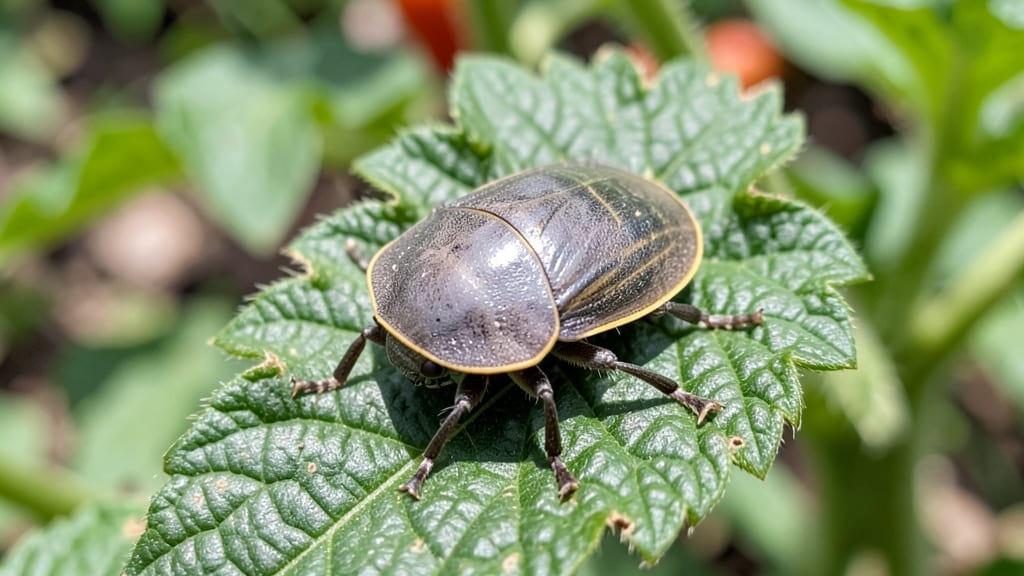
Squash bugs on tomato plants are the sneaky villains of summer gardens—tiny but devastating. 🌱 I’ve seen them turn thriving vines into skeleton leaves overnight, and the worst part? They’re already there before you notice.
The good news? A neem oil spray stops them in their tracks by smothering eggs and adults, and it’s safer than chemical sprays for your family and pollinators.
These pests aren’t just on squash—they love tomatoes, peppers, and eggplants too. The key is catching them early, before they lay eggs on the undersides of leaves. I’ve learned the hard way that waiting until you see damage means the battle’s already lost.
A weekly neem oil treatment during squash bug season (late spring to early fall) keeps them from gaining a foothold.
You’ll know it’s working when you see fewer tiny black eggs clustered on stems and new leaves stay crisp and green. The spray disrupts their life cycle, so your plants bounce back faster than with traditional pesticides.
Plus, it’s a multi-purpose solution—use it on squash, cucumbers, and even your prized roses.
For stubborn infestations, combine neem oil with yellow sticky traps to catch adults mid-flight. The secret? Consistency. One application won’t cut it—these bugs are persistent, but so are you now that you know how to stop them.
Root Causes of Tomato Infestations
Squash bugs—those pesky, shield-shaped invaders—don’t just randomly appear on your tomato plants. Their presence is a mix of environmental cues, plant attractants, and even human habits. Understanding these factors is the first step to preventing (or outsmarting) an infestation before it takes hold.
Let’s break down the science behind why these bugs target your tomatoes like a buffet.
Tomato plants under stress are like neon signs for squash bugs. These pests thrive when plants are weak, making them easier targets for feeding and egg-laying. Here’s why:
- Poor Spacing: Tomatoes need room to breathe—literally. When plants are too close together, airflow is restricted, creating a humid microclimate that squash bugs love. This moisture helps their eggs stay hydrated and hatch faster. - Nutrient Deficiencies: Plants lacking nitrogen, phosphorus, or potassium are more vulnerable.
Squash bugs detect these deficiencies through plant volatiles (chemical signals) and are drawn to stressed foliage. - Competition for Resources: Overcrowding forces plants to compete for water and sunlight. Weakened stems and leaves become prime real estate for squash bugs to pierce with their proboscis and feed on sap.
Actionable Insight: Space tomato plants 18–24 inches apart and prune lower leaves to improve airflow. A balanced fertilizer (like 10-10-10) can also boost plant resilience.
Squash bugs are opportunistic pests, but they prefer specific growing conditions that mimic their natural environment. Your garden might unintentionally be a five-star resort for them:
- Warm, Humid Soil: These bugs overwinter in garden debris or soil, emerging when temperatures hit 60–70°F.
If your soil stays consistently warm (e.g., black plastic mulch or southern climates), they’ll hatch earlier and faster. - Moisture-Rich Leaf Surfaces: Squash bugs lay eggs in clusters on the undersides of leaves.
If your plants are watered overhead (or rain occurs frequently), the leaves stay damp—perfect for egg adhesion and hatching. - Weedy or Unkempt Beds: Squash bugs often originate from nearby cucurbits (squash, pumpkins, zucchini) or weeds like buffalo gourd. If these plants are nearby, your tomatoes become collateral damage.
Actionable Insight: Use drip irrigation to keep foliage dry, remove garden debris in fall, and rotate crops away from cucurbit family plants.
Squash bugs have a one-year life cycle, and your garden might be playing host to multiple generations if conditions are right. Here’s how their biology works against you:
- Egg-Laying Peaks: Adult females lay 20–30 eggs per cluster, and they time this perfectly—just as tomato plants start flowering.
This ensures their nymphs (baby squash bugs) have a steady food source. - Nymph Survival Rates: Newly hatched nymphs are highly mobile and seek out young, tender tomato leaves.
If your plants are already struggling (from transplant shock or poor soil), nymphs will find them irresistible. - Adult Feeding Damage: As adults feed, they inject toxins that cause yellowing and wilting—which further stresses the plant, making it more attractive to other squash bugs.
Actionable Insight: Monitor plants closely during May–July (peak egg-laying season) and hand-pick eggs (they’re yellow and barrel-shaped) before they hatch.
Sometimes, well-meaning gardening practices accidentally roll out the welcome mat for squash bugs. Here’s how:
- Using Organic Mulch Too Late: While mulch suppresses weeds, adding it after squash bugs have laid eggs can trap moisture and heat near the soil—speeding up hatching. - Ignoring Early Signs: Many gardeners wait until they see wilting or browned leaves before acting.
By then, the bugs have already established colonies. - Bringing in Infested Plants: Transplanting tomato starts from nurseries or swapping plants with neighbors can unintentionally introduce squash bugs.
Actionable Insight: Inspect new plants for eggs or bugs before transplanting, and remove mulch in late summer to expose eggs to drying conditions.
Your location plays a huge role in squash bug activity.
For example: - Southern Gardens: Warmer winters mean squash bugs may survive year-round, leading to earlier and larger infestations. - Northern Gardens: Cooler springs delay hatching, but a hot summer can trigger explosive population growth. - Urban vs. Rural: Squash bugs are more common in agricultural areas but can hitchhike into urban gardens via wind or wildlife.
Actionable Insight: If you’re in a high-risk zone, consider row covers early in the season or neem oil sprays as a preventive measure.
Key Takeaway: Squash bugs don’t choose tomatoes randomly—they’re drawn by stress, moisture, warmth, and weak defenses. By addressing these root causes, you can disrupt their life cycle before they become a full-blown problem. Stay vigilant, and your plants will thank you!
Quick Fixes for Squash Bug Infestations
Squash bugs may seem like a tough opponent, but with the right strategies, you can reclaim your tomato plants—fast! The key is acting early and combining mechanical, organic, and preventive methods.
Below, we’ve mapped out practical solutions based on the root cause of your infestation, from smothering eggs to trapping adults and fortifying your plants against future attacks.
Squash bug eggs are tiny but deadly—if left unchecked, they’ll turn into adults in 7–10 days. Here’s how to stop them in their tracks:
🍳 Scrape and Destroy Eggs
- When? Early morning (eggs are sticky and easier to remove).
- How? Use a stiff brush, plastic scraper, or even your fingers (wear gloves!) to gently scrape eggs from leaves and stems.
Drop them into soapy water to kill them instantly. - Pro Tip: 💡 Check undersides of leaves, leaf axils, and stems—these are their favorite hiding spots.
👨🍳 Apply Neem Oil Spray (Best for Eggs & Adults)
Neem oil disrupts their life cycle by:
- Smothering eggs (coats them, preventing hatching).
- Repelling adults (strong scent deters them).
- Recipe: Mix 1 tbsp neem oil + 1 tsp mild dish soap + 1 quart water.
Spray early morning or late evening (avoid direct sun—it burns leaves). Reapply every 5–7 days or after rain.
🥘 Use Diatomaceous Earth (DE) for Eggs & Crawlers
- How? Lightly dust food-grade DE around stems, leaf axils, and egg clusters. It dehydrates bugs on contact.
- Caution: Reapply after rain or watering—it loses effectiveness when wet.
Adults are tougher to kill but can’t survive without hiding spots. Here’s how to flush them out:
⏰ Handpick During Cool Hours
- Best time: Early morning or late evening (bugs are sluggish).
- Method: 1. Shake plants gently over a bucket of soapy water.
- Use a gloved hand to crush any you find on leaves.
- Drop them in rubbing alcohol (instant kill) or soapy water.
🕷️ Use Beer Traps (Yes, Really!)
- How? Bury a small cup or jar filled with beer near plants. The scent attracts bugs, and they drown.
- Bonus: Works well for other garden pests like slugs.
🌿 Yellow Sticky Traps
- Hang yellow sticky cards near tomato plants. Squash bugs are drawn to yellow—they’ll get trapped and die.
- Where to place? At plant height, 1–2 per plant for best results.
Once you’ve eliminated the current bugs, prevent reinvasion with these low-effort strategies:
🌡️ Row Covers & Physical Barriers
- When? Early in the season (before bugs appear).
- How? Use floating row covers (lightweight fabric) over tomato plants.
Bugs can’t lay eggs or crawl through. - Pro Tip: ✨ Remove covers when flowers appear for pollination, but reapply after fruiting starts.
🎯 Rotate Crops & Clean Up Debris
- Why? Squash bugs overwinter in garden debris.
- How?
- Remove all plant residue after harvest (burn or compost far from your garden).
- Avoid planting tomatoes, squash, or cucumbers in the same spot for 3+ years.
💪 Strengthen Tomato Plants Naturally
Healthy plants resist pests better. Boost defenses with:
- Compost or worm castings (improves soil, making plants tougher).
- Companion planting: Interplant with basil, marigolds, or nasturtiums (repel squash bugs).
- Prune for airflow: Remove crowded leaves to reduce hiding spots.
- ❌ Avoid broad-spectrum pesticides (like malathion)—they kill beneficial insects (ladybugs, lacewings) that eat squash bugs.
- ❌ Don’t ignore early signs—waiting until plants are heavily damaged makes recovery harder.
- ❌ Skip neem oil on hot days—it can burn leaves under direct sun.
Final Thought: 🎯 The neem oil + handpicking + row covers combo is your best defense. Stay vigilant, and your tomato plants will bounce back—pest-free and thriving!
Frequently asked questions about squash bugs on tomatoes
Why do squash bugs target tomato plants even though they’re called "squash bugs"?
These pests aren’t picky—they’ll feed on any tender plant in the cucumber family, which includes tomatoes, peppers, and eggplants. They’re attracted to stressed plants with poor airflow or nutrient deficiencies, making tomatoes a perfect snack when conditions are right.
How can I tell if my tomato plants have squash bugs before I see the adults?
Look for yellow, barrel-shaped eggs clustered on the undersides of leaves or stems. Early signs also include tiny black droppings on leaves and wilting despite good watering. Check leaf axils (where leaves meet stems) first—it’s their favorite hiding spot!
Is neem oil safe to use while tomatoes are flowering or fruiting?
Yes, but with caution! Neem oil is bee-safe when applied after sunset or before sunrise to protect pollinators. Avoid spraying directly on open flowers—focus on leaves and stems. Always use the 1 tbsp neem oil + 1 tsp soap + 1 quart water ratio.
What’s the fastest way to kill squash bugs I find on my plants?
Drop them in a bucket of soapy water or rubbing alcohol for instant death. For a natural method, crush them between your fingers (wear gloves!)—their bodies release a foul odor that deters others. Pro tip: Do this in the morning when bugs are sluggish.
Can I still save my tomato plants if they’re already heavily damaged?
You can try! Prune heavily damaged leaves to improve airflow, and focus treatments on new growth. For severe cases, consider row covers to protect remaining fruit. While you may lose some yield, your plants can still recover with consistent care.