
Pests
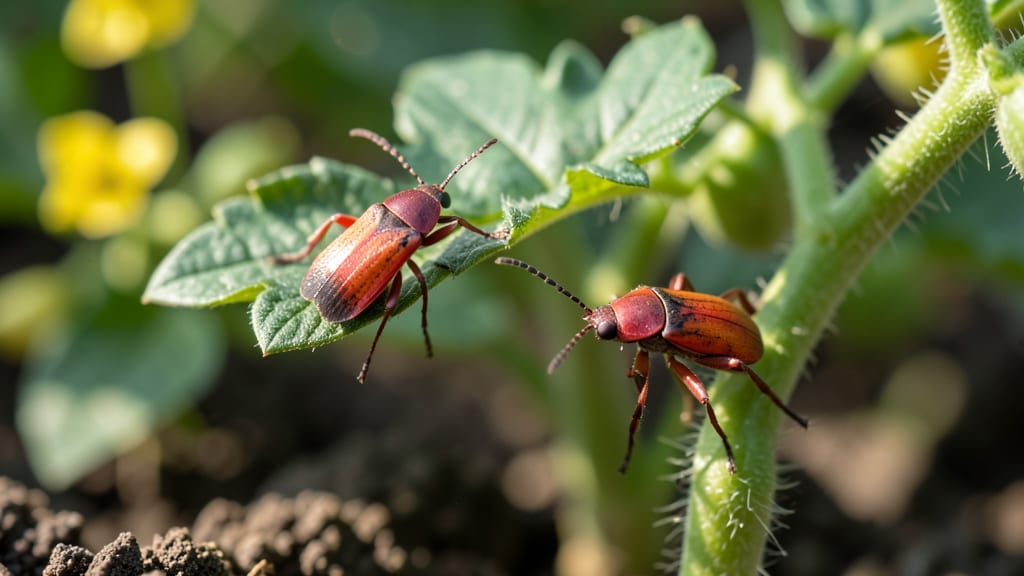
Those little red bugs on your tomato plants aren’t just unsightly—they’re hungry. 🌱 I’ve watched them strip plants bare in just days, and the good news is there’s a fast, organic spray that works within hours.
The first sign is usually small holes in leaves, then wilting vines as they multiply. Most people assume it’s mites, but tomato hornworms (or red spider mites) are the real culprits. The key difference? Hornworms leave green droppings, while mites create fine webbing.
Both thrive in hot, dry conditions, so prevention starts with consistent watering and shade cloth for extreme heat. A simple spray of neem oil or insecticidal soap stops them in their tracks. Mix 1 tablespoon per quart of water, spray leaves thoroughly at dusk, and repeat every 3-5 days.
You’ll see results within 24 hours—no more skeletonized leaves or stunted growth. This works for backyard gardens, containers, and even greenhouse tomatoes. The secret is acting early. Once the bugs reach the fruit, they’re harder to remove without damaging the harvest.
Root Causes Behind Tiny Red Invaders
When you spot tiny red bugs feasting on your tomato plants, it’s usually a sign of one (or more) of these common culprits. Understanding why they show up helps you tackle the problem at its source.
Here’s a breakdown of the most likely reasons these pests appear—and how their behavior fuels their spread.
Tomato plants that are stressed—whether from poor spacing, nutrient deficiencies, or overwatering—emit chemical signals that attract hungry insects. Red bugs like aphids or thrips are drawn to plants that are:
- Weakened by disease: Fungal or bacterial infections (like early blight or powdery mildew) create entry points for pests.
- Nutrient-deficient: Low nitrogen or potassium levels make plants more vulnerable to insect attacks.
- Root-bound or overcrowded: Plants competing for space produce volatile organic compounds (VOCs) that pests detect from afar.
Actionable fix: Space tomato plants 18–24 inches apart, prune for airflow, and fertilize with balanced organic nutrients (like compost tea or fish emulsion) to reduce stress signals.
Red bugs thrive in specific weather patterns. Most species—such as red spider mites or Russian wheat aphids—prefer:
- Warm temperatures (70–90°F): Heat speeds up their reproduction cycle (some lay dozens of eggs per day).
- Low humidity: Spider mites, for example, desiccate without moisture, so they cluster on dry, dusty leaves.
- Sudden rain followed by sun: Aphids and thrips multiply rapidly after rain but seek shelter on tomato foliage when the sun returns.
Scientific note: High temperatures also reduce plant defenses (like trichomes, tiny hair-like structures that repel pests).
Actionable fix:
- Use shade cloth (30–50%) during heatwaves to moderate temps.
- Mulch with straw to retain soil moisture and deter mites.
- Water early morning to let foliage dry quickly, reducing humidity hotspots.
Red bugs often hitchhike into gardens on contaminated tools, wind-blown debris, or neighboring plants. Common entry points:
- Infested plant debris: Old tomato stems or weeds harbor overwintering eggs (e.g., tomato hornworm parasites or aphid mummies).
- Unwashed gardening tools: Pruners or stakes can transfer mites or aphids between plants.
- Wild host plants nearby: Weeds like pigweed or dandelions act as pest reservoirs, especially for red spider mites.
Actionable fix:
- Remove all plant debris after harvest (compost only if heated to 140°F+).
- Disinfect tools with 70% isopropyl alcohol or a 10% bleach solution between uses.
- Pull weeds within a 10-foot radius of tomato plants to break pest cycles.
Tomato plants rely on a balanced ecosystem to keep pests in check. When natural predators decline, red bugs multiply unchecked. Key disruptors:
| Natural Predator | What Kills Them | Resulting Pest Explosion |
|---|---|---|
| Lady beetles (ladybugs) | Overuse of broad-spectrum pesticides (e.g., neonicotinoids) | Aphids and mites surge without their top predator. |
| Parasitic wasps | Excessive tilling or synthetic fertilizers | Thrips and whiteflies reproduce unchecked. |
| Ground beetles | Compacted soil or lack of mulch | Root-feeding pests (like root-knot nematodes) thrive. |
Actionable fix: Foster predator habitats by:
- Planting companion flowers like marigolds or dill to attract beneficial insects.
- Avoiding chemical pesticides; opt for neem oil or soapy water sprays instead.
- Leaving leaf litter in corners of the garden for overwintering predators.
Pro tip: 🔍 Identify the bug first! Not all red pests are created equal—aphids cluster on new growth, while spider mites web between leaves. Use a hand lens to confirm before treating. (See our pest ID guide for visuals.)
Quick Fixes for Tiny Red Invaders
Discovering tiny red bugs munching on your tomato plants can feel like a nightmare, but don’t panic! These pests—often aphids, spider mites, or red tomato leaf beetles—respond well to targeted, organic solutions.
Below, we’ll break down the best fixes based on the culprit, plus proactive steps to keep your plants thriving. 🌱💥
Before grabbing sprays, confirm the pest. Here’s a quick guide:
- Aphids: Clustered on undersides of leaves, sticky residue (honeydew).
- Spider Mites: Tiny red dots, webbing on leaves, silvery speckling.
- Red Tomato Leaf Beetles: Chewed leaves with ragged edges, adults are bright red with black spots.
1. For Aphids & Soft-Bodied Pests
👨🍳 Homemade Soap Spray (Safe, Effective, Zero Toxicity)
Mix 1 tbsp mild liquid soap (like Castile) + 1 quart water in a spray bottle. Test on a small leaf first—soap can burn plants if too concentrated.
- 🔪 Spray directly on pests (focus on undersides of leaves and new growth).
- ⏰ Reapply every 3–5 days until gone. Aphids reproduce fast!
- 💡 Pro Tip: Add 1 tsp neem oil to the mix for extra pest-repelling power.
Neem oil disrupts pests’ life cycles. Use a pre-mixed organic neem spray (follow label) or DIY:
- Mix 1 tbsp neem oil + 1 tsp mild soap + 1 quart water.
- Shake well and spray evenly on all plant surfaces (including stems).
- 🌡️ Best applied in the evening to avoid harming beneficial insects.
2. For Spider Mites (Tougher Critters!)
💦 Water Blast Attack (Simple but Effective)
Spider mites hate humidity. On a sunny day, use a hose with a gentle spray nozzle to blast them off leaves. Repeat daily for 3–5 days.
🍋 Citrus Peel Spray (Mites Can’t Resist This!)Boil 4 citrus peels (orange, lemon, or grapefruit) in 4 cups water for 20 minutes. Strain, cool, and spray onto plants. The limonene in citrus repels mites.
✨ Kaolin Clay Barrier (Prevents Future Infestations)Mix 1 cup kaolin clay + 1 gallon water in a sprayer. Apply a thin film to leaves—it creates a protective layer that mites avoid. Reapply after rain.
3. For Red Tomato Leaf Beetles (Aggressive Chewers!)
🍎 Hand-Picking + Drop in Soapy Water
These beetles are easy to spot—just drop them into a bucket of soapy water as you find them. Check plants daily for 2 weeks to catch larvae too.
🌿 Beer Trap (Yes, Really!)Fill a shallow dish with beer and bury it near the plant. The beetles are attracted to the yeast and drown. Refresh every 2–3 days.
🔪 Diatomaceous Earth (DE) Dust (Natural Insecticide)Sprinkle food-grade DE lightly on soil and leaf surfaces. It dehydrates beetles but is safe for plants. Reapply after watering.
Once you’ve kicked the bugs out, lock them out with these habits:
- 🌿 Crop Rotation: Move tomatoes to a new spot yearly to disrupt pest life cycles.
- 🐝 Encourage Beneficial Bugs: Plant marigolds, basil, or dill nearby to attract ladybugs and lacewings (natural predators!).
- 💦 Water Wisely: Water at the base of plants (not leaves) to reduce humidity that pests love.
- 🌡️ Monitor Temps: Spider mites thrive in hot, dry weather—use shade cloth if temps soar.
- ✨ Inspect New Plants: Quarantine new additions for 2 weeks before planting them near tomatoes.
With these organic, fast-acting fixes, your tomato plants will be back to lush and pest-free in no time. 🍅🚀 Remember: Consistency is key—check plants weekly and act at the first sign of trouble!
Frequently asked questions
Are those tiny red bugs on my tomato plants harmful?
Yes, they can be! The most common culprits—like aphids, spider mites, or red tomato leaf beetles—damage leaves by sucking sap, which weakens plants and spreads diseases. Aphids leave sticky honeydew, while spider mites create fine webbing. Act fast to prevent defoliation or stunted growth.
How do I tell if it’s spider mites vs. aphids?
Check for these clues: Spider mites are tiny red dots with webbing between leaves, while aphids form clusters on new growth and leave sticky residue. Use a magnifying glass—mites are barely visible to the naked eye, but aphids are easier to spot. Both thrive in dry, hot conditions.
Will neem oil kill tomato plants?
No, when used correctly! Dilute 1 tablespoon neem oil + 1 teaspoon mild soap per quart of water and apply in the evening to avoid harming beneficial insects. Always test on a small leaf first—some plants may be sensitive. Reapply every 3-5 days for best results.
Can I use vinegar spray on tomato plants?
Use with caution! A 1:1 vinegar-water mix (1 part white vinegar, 1 part water) can kill soft-bodied pests like aphids, but it may burn leaves if too strong. For safety, add 1 teaspoon dish soap as an emulsifier and spray only affected areas. Avoid spraying flowers or fruit.
How long does it take to see results from treatments?
Most organic sprays (like neem oil or soapy water) show improvement within 24-48 hours, but full eradication takes 7-10 days due to egg hatching. For stubborn infestations, combine methods—spray leaves with neem oil and blast spider mites off with water daily for 5 days.