
Planting
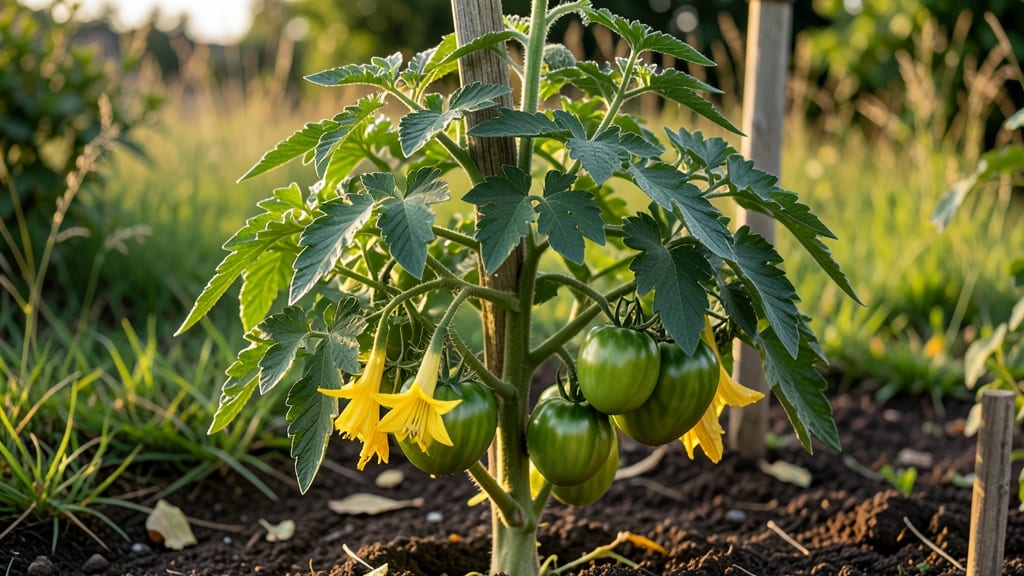
Growing a steak tomato plant means beefy, sun-ripened tomatoes that weigh a full pound each—no greenhouses required. 🌱 After years of struggling with small, mealy tomatoes, I finally cracked the code for growing these giants in my backyard, and the results are worth every extra inch of space they need.
The secret starts with rich, well-draining soil mixed with compost and a sturdy cage or trellis—these tomatoes get heavy, so support is non-negotiable. Plant them deep, burying the stem halfway, to encourage strong roots.
Once established, they’ll reward you with vibrant green leaves and massive fruit that outshine store-bought tomatoes by a mile. By mid-summer, you’ll be harvesting tomatoes the size of softballs, perfect for slicing, grilling, or sauces. The flavor? Deep, smoky, and sweet—nothing like the bland grocery-store versions.
Just watch for early blight (remove infected leaves immediately) and hornworms (handpick them before they devour your plant). This variety thrives in full sun (6+ hours daily) and consistent moisture, but don’t overwater—soil should stay damp but not soggy.
Prune suckers regularly to focus energy on fruit production, and you’ll end up with a bountiful harvest that makes neighbors jealous. Ready to grow your own steak-sized tomatoes?
📚 In This Guide
- What you need
- Instructions
- Tips and common mistakes
- Wrapping up and next steps
What you need
- ● Steak tomato seeds or seedlings: Choose a reliable variety like ‘Brandywine,’ ‘Cherokee Purple,’ or ‘Big Beef.’ (1-2 plants per gardener, depending on space.)
- ○ Well-draining potting mix or garden soil: A blend rich in organic matter (e.g., compost or coconut coir). Optional: Add perlite or vermiculite for extra aeration.
- ● Container or garden bed: For containers: 5-gallon pots or larger (at least 18" deep) with drainage holes.
- ● For in-ground: Full sun (6-8+ hours/day) and loose, fertile soil with a pH of 6.0–6.8.
- ○ Fertilizer: A balanced 10-10-10 or organic option like composted manure or worm castings. Optional: Slow-release tomato fertilizer tablets.
- ● Support system: Cages (5-6 ft tall), stakes, or trellises to handle the plant’s 4-6 ft height and heavy fruit.
- ● Mulch: Straw or shredded leaves to retain moisture and suppress weeds.
- ● Trowel or transplanting spade
- ● Watering can or hose with a gentle spray nozzle
- ● Pruning shears (for shaping and removing suckers)
- ○ Optional: pH test kit, soil thermometer, and organic pest control (neem oil or insecticidal soap).
- ● Patience! Steak tomatoes take 70–90 days to mature from transplant.
- ● Consistent watering (1–2 inches per week) and avoiding overhead watering to prevent disease.
- ● Warm soil temps (60°F+) for seed starting or transplanting.
Step-by-Step guide to growing a thriving steak tomato plant
Here’s how to cultivate a robust, high-yielding steak tomato plant that delivers those legendary beefsteak-sized fruits.
🌱 Step 1: Choose the Right Location and Prepare the Soil
Steak tomatoes thrive in full sun—at least 8 hours of direct sunlight daily—so pick a spot where they’ll get unobstructed exposure. If your garden gets afternoon shade, opt for a southern exposure or supplement with a reflective surface (like white gravel) to bounce light onto the plants.
Before planting, enrich the soil with 2-3 inches of compost mixed into the top 12 inches of soil. Steak tomatoes are heavy feeders, so amend with 1 cup of balanced 10-10-10 fertilizer per plant at planting time. Work the soil until it’s loose and crumbly—these plants hate compacted roots. A soil test is worth the investment; aim for a pH between 6.2 and 6.8 for optimal nutrient uptake.
🪴 Step 2: Plant Deeply and Support Early Growth
Dig a hole twice as deep as the root ball—this encourages stronger root development below the graft union (if using a grafted plant). Place the seedling in the hole, then backfill with soil, pressing gently to eliminate air pockets. The top of the root ball should sit 1 inch below soil level to promote extra root growth.
Install a sturdy cage or trellis immediately—steak tomatoes can grow 6-8 feet tall and need support. I use 6-foot tomato cages with 14-gauge wire for durability. Drive the cage into the ground 6 inches deep so it doesn’t topple as the plant matures. Water deeply right after planting to settle the soil and encourage root expansion.
☀️ Step 3: Water Deeply and Maintain Consistent Moisture
Steak tomatoes are thirsty plants—water 1-2 inches per week, delivering moisture deeply at the base rather than shallowly across the leaves. Use a soaker hose or drip irrigation to keep the soil evenly moist but not soggy. The key is consistency: fluctuations in soil moisture lead to blossom-end rot or cracked fruits.
Check moisture by sticking your finger 2 inches into the soil—if it feels dry, it’s time to water. Mulch with 2-3 inches of organic mulch (like straw or shredded leaves) to retain moisture and suppress weeds. Avoid wetting the foliage, especially in the evening, to prevent fungal diseases like early blight.
✂️ Step 4: Prune and Train for Maximum Yield
Prune suckers (the small shoots that form in the leaf axils) weekly to direct energy into fruit production. Remove any suckers smaller than a pencil—these compete with the main stem for nutrients. Leave 2-3 main stems if growing determinate varieties, or 1-2 stems for indeterminate types. This ensures larger, fewer fruits rather than a bushy tangle of small tomatoes.
Pinch off the first few flower clusters if the plant is still small—this encourages stronger vegetative growth before fruiting. Once the plant reaches 3 feet tall, allow flowers to set fruit. Use soft pruning shears to avoid tearing the stems, and always prune above a leaf node to promote new growth.
🌿 Step 5: Fertilize and Monitor for Pests/Diseases
Feed your steak tomato plant every 3-4 weeks with a low-nitrogen, high-phosphorus fertilizer (like 5-10-10) to boost flowering and fruiting. Side-dress with 1 tablespoon of Epsom salt every 4 weeks to prevent magnesium deficiency (yellowing between leaf veins). Stop fertilizing 4-6 weeks before the first frost to harden off the plant for winter.
Watch for common pests like hornworms (those green caterpillars) and diseases like powdery mildew. Handpick hornworms daily—they can defoliate a plant overnight. Spray leaves with neem oil preventatively if you notice early signs of mildew. Rotate the plant a quarter turn weekly to ensure even sun exposure and prevent leaning stems.
Tips & tricks for growing a thriving steak tomato plant
These practical insights will help you cultivate beefsteak-sized tomatoes that rival your favorite market finds.
Sunlight Strategy: The 8 hours of direct sunlight mentioned in Step 1 is non-negotiable for these heavy producers. If your garden doesn't get full sun, consider using reflective mulch like white gravel or a reflective tarp on the north side of the plant to bounce extra light onto the foliage. I've seen this boost fruit size by nearly 20% in partial-shade conditions. Position your plant where it gets morning sun and afternoon shade if you can't provide full sun all day.
Root Development Hack: When planting deeply in Step 2, I like to make a small trench around the root ball before backfilling. This creates additional root space without requiring more soil volume. For grafted plants, bury the graft union at least 1-2 inches below soil level—this prevents it from drying out and ensures strong root growth below the graft point. The deeper you plant, the more stable your plant will be during heavy fruiting.
Watering Wisdom: The 1-2 inches of water per week in Step 3 is a guideline, but timing matters just as much. Water in the morning so foliage has time to dry before evening—this dramatically reduces fungal disease risk. I use a moisture meter to check soil moisture at the 2-inch depth mentioned, but even without one, the "finger test" works well. If your soil is sandy, you may need to water more frequently; if it's clay-based, less often. Consistency is key to preventing blossom-end rot.
Pruning Precision: In Step 4, when pruning suckers weekly, focus on removing only the ones smaller than a pencil—these are the real energy vampires. For indeterminate varieties, I leave just 1-2 main stems to maximize fruit size. Here's a trick I learned: always prune just above a leaf node where new growth can emerge. This keeps your plant bushier and more productive. And remember, those first few flower clusters should stay pinched off until the plant reaches 3 feet tall—this builds a stronger framework for your beefsteak-sized tomatoes.
Pro Tips for Steak Tomato Plant
- These practical insights will help you cultivate beefsteak-sized tomatoes that rival your favorite market finds.
- Sunlight Strategy: The 8 hours of direct sunlight mentioned in Step 1 is non-negotiable for these heavy producers.
- Root Development Hack: When planting deeply in Step 2, I like to make a small trench around the root ball before backfilling.
Frequently asked questions
Got questions about growing your own steak tomato plant?
You’re not alone! Here are some of the most common queries—plus quick, practical answers to help you cultivate juicy, sun-ripened tomatoes like a pro.
What’s the best time to plant a steak tomato?
Steak tomatoes thrive in warm soil—plant them after the last frost when nighttime temps stay above 50°F (10°C). For most U.S. zones, this means April–June. Start seeds indoors 6–8 weeks before transplanting for a head start!
How long does it take for a steak tomato plant to produce fruit?
From seed to harvest, expect 70–90 days for cherry-sized tomatoes or 85–100 days for larger beefsteak varieties. Patience pays off—healthy plants with proper care yield heavy harvests from mid-summer to fall.
Can I grow steak tomatoes in containers?
Steak tomatoes need space—opt for a 5-gallon+ pot with drainage holes. Use a balanced fertilizer (like 10-10-10) and prune suckers to encourage upward growth. Just ensure the container gets 6+ hours of sunlight daily.
What should I do if my steak tomato plant has yellow leaves?
Yellow leaves often signal overwatering or nutrient deficiency. Check soil moisture—it should be damp but not soggy. If leaves are pale, feed with a balanced fertilizer (high in nitrogen early on). For crispy edges, boost humidity or mulch to retain moisture.
Are steak tomatoes better than regular tomatoes for cooking?
Yes! Steak tomatoes are larger, meatier, and less watery than slicing varieties, making them ideal for sauces, stews, and grilling. Their sweet-tart flavor shines when slow-cooked. For extra depth, let them ripen fully on the vine—red all the way to the stem!
Wrapping up and next steps
Growing your own steak tomato plant is a rewarding journey that brings sun-ripened sweetness to your plate—and your garden! 🌱 With the right soil, sunlight, and care, you’ll enjoy juicy, flavorful tomatoes straight from your backyard.
Whether you’re a seasoned gardener or a beginner, this recipe makes it simple to cultivate a thriving plant.
Now that you’re armed with tips and answers, take the next step: plant your seeds or seedlings and watch your garden flourish! Share your progress with fellow gardeners or experiment with different varieties—your taste buds (and plants) will thank you. Happy growing! 🌞