
Planting
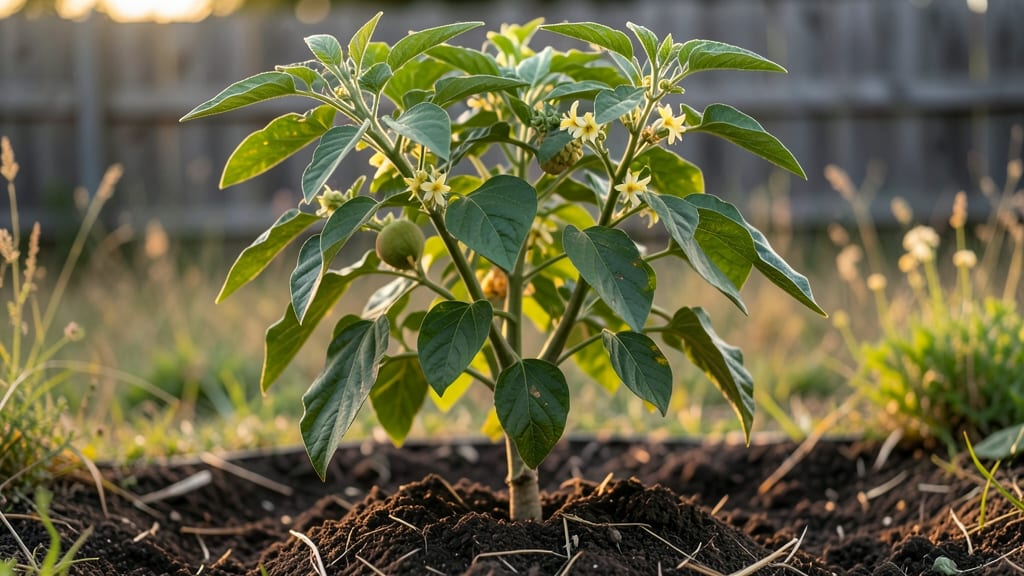
Growing a litchi tomato plant transforms your garden into a tropical paradise with sweet, tangy fruits that taste nothing like store-bought. 🌱 I’ve grown them for three summers now, and once you try the flavor—like a mix of cherry tomato and passionfruit—you’ll never go back to regular tomatoes.
The key is mimicking their native tropical climate right in your backyard, even if you’re in a temperate zone.
These vines thrive in full sun and well-draining soil with a slightly acidic pH, but they’re surprisingly adaptable if you give them a head start indoors. Start seeds 8-10 weeks before last frost, and expect 6-8 foot vines that produce clusters of small, heart-shaped fruits.
The real magic happens when you pair them with trellises—their indeterminate growth means you’ll need space, but the payoff is worth it.
By midsummer, you’ll be harvesting 1-2 inch fruits that burst with flavor, and the plants keep producing until frost. They’re more sensitive to cold than regular tomatoes, so protect them with row covers if temperatures dip.
Prune aggressively to focus energy on fruit production, and watch your neighbors ask, “What kind of tomato is that?”—you’ll have the secret to their obsession.
Works in containers too—just choose a 5-gallon pot for dwarf varieties. The tropical twist isn’t just about flavor; it’s about growing something unexpectedly delicious in your own backyard. Ready to try?
📚 In This Guide
- What you need
- Instructions
- Tips and common mistakes
- Wrapping up and next steps
What you need
- ● Litchi tomato seeds or seedlings: 1–3 plants (check seed packets for variety specifics).
- ● High-quality potting mix: 5–10 gallons (look for a blend rich in organic matter, like coconut coir or compost).
- ● Containers or garden bed: Containers: 5–7 gallon pots with drainage holes (1 per plant).
- ● Garden bed: Well-draining soil with a pH of 6.0–6.8 (test kit recommended).
- ● Fertilizer: Balanced liquid fertilizer (10-10-10 or 5-5-5) for seedlings.
- ● Slow-release organic fertilizer (e.g., worm castings or compost) for mature plants.
- ● Hand trowel or transplanting spade: For planting and soil prep.
- ● Watering can or hose with a gentle spray nozzle: Litchi tomatoes hate soggy roots!
- ● Pruning shears: For trimming suckers and shaping the plant.
- ● Support structure: Cage or stake: 4–6 feet tall (litchi tomatoes grow vertically!).
- ○ Trellis: Optional but great for small spaces.
- ● Mulch: Straw or shredded leaves (2–3 inches) to retain moisture.
- ● Sunlight: Full sun (6–8 hours daily) is a must—no compromises!
- ● Warmth: Litchi tomatoes thrive in temperatures above 70°F (21°C). Use a heat mat for seedlings if needed.
- ○ Optional but helpful: pH test kit (to monitor soil acidity).
- ● Drip irrigation system (for consistent watering).
- ● Compost tea (for a nutrient boost).
Step-by-step instructions for growing Litchi tomatoes
This isn’t your average tomato plant—Litchi tomatoes deliver sweet, tropical fruit straight from your garden.
🌱 Step 1: Select and Prepare Your Growing Space
Litchi tomatoes thrive in full sun—at least 8 hours daily—so choose a warm, sheltered spot in your garden. I always plant mine in raised beds or large containers (minimum 18 inches deep) to ensure proper drainage, since these tropical varieties hate soggy roots. Amend the soil with compost to boost fertility, aiming for a pH between 6.0 and 6.8—this sweetens the fruit and encourages vigorous growth.
If your soil is heavy clay, mix in perlite or vermiculite to improve aeration. The key here is warmth—Litchi tomatoes are sensitive to cold, so wait until after the last frost and only plant when soil temperatures reach at least 65°F. I test this by burying a thermometer 2 inches deep for a full day.
🌿 Step 2: Plant and Stake for Support
Dig a hole twice as wide as the root ball but no deeper—burying too deep can suffocate the plant. Place the Litchi tomato in the center, then fill the hole with soil, pressing gently to eliminate air pockets. Water deeply right away to settle the roots. These plants grow 6-8 feet tall, so install a strong stake or trellis immediately—waiting until later risks damaging the stems.
I like to weave burlap strips around the stake for extra support as the plant grows. Space multiple plants 3-4 feet apart to allow airflow and prevent disease. The first few weeks are critical—keep the soil consistently moist but never waterlogged, as Litchi tomatoes are prone to blossom-end rot if moisture fluctuates.
☀️ Step 3: Feed and Prune for Maximum Fruit
Start fertilizing 2-3 weeks after planting with a balanced, organic fertilizer (like 5-5-5) to encourage strong foliage. Once flowers appear, switch to a low-nitrogen, high-phosphorus feed (like 3-6-6) to boost fruiting. I apply this every 4-6 weeks during the growing season, always watering the soil first to prevent root burn.
Prune aggressively to direct energy to fruit production. Remove suckers (the shoots that form in the leaf axils) regularly—these sap the plant’s strength. Also, pinch off the first few flower clusters to let the plant establish a strong root system first. Once it’s established, let it go wild—Litchi tomatoes produce heavy, sweet fruit, and you’ll want every cluster to set.
💧 Step 4: Water and Protect Through Harvest
Water deeply 1-2 times per week, aiming for 1-1.5 inches of water total. The goal is consistent moisture—let the top 1-2 inches of soil dry between waterings to prevent cracking. Mulch with straw or shredded leaves to retain moisture and keep roots cool. Avoid wetting the foliage, especially in the evening, to prevent fungal diseases like early blight.
As fruit ripens, watch for color changes—Litchi tomatoes turn a deep red when fully ripe, but some varieties may stay greenish-yellow. Harvest by twisting gently to avoid damaging the stem. The flavor peaks when the fruit is fully colored and slightly soft to the touch. Store harvested tomatoes in a cool, dry place for up to 2 weeks—they won’t ripen further off the vine, so pick them at peak sweetness.
✂️ Step 5: Overwinter and Plan for Next Year
Litchi tomatoes are tender perennials—they’ll die back in frost but can regrow from the roots in warmer climates. In colder regions, dig up the plant before the first frost, trim back the foliage, and store the root ball in a cool, dark place (like a garage) with barely moist soil. Replant in spring once temperatures rise.
If you’re replanting, take cuttings from the healthiest stems in early spring. Dip the cuttings in rooting hormone, plant in sandy soil, and keep them under a humidity dome until roots form. This ensures you get true-to-type plants every year—Litchi tomatoes are expensive to buy, so propagating is a game-changer.
Tips & tricks for perfect Litchi tomato growth
Here's what nobody tells you about growing these tropical beauties—these tricks will help you avoid common pitfalls and maximize your harvest.
Soil Temperature Secret: That 65°F soil temperature isn't just a suggestion—it's non-negotiable for Litchi tomatoes. I've seen them fail to thrive when planted too early, even if air temperatures seem warm. Use a soil thermometer for a full day to confirm—planting in cooler soil stresses the roots and delays growth. In cooler climates, consider using black plastic mulch to warm the soil 2-3 weeks before planting.
Staking Strategy: The 6-8 foot height these plants reach means your staking system needs to be robust from day one. I've learned the hard way that flimsy stakes bend under the weight of heavy fruit clusters. Use at least 2-inch diameter stakes or install a trellis system with heavy-duty wire. For extra stability, tie the main stem to the stake with soft plant ties every 12 inches as it grows—this prevents wind damage and encourages vertical growth.
Fertilizer Transition Tip: The switch from balanced fertilizer to low-nitrogen, high-phosphorus feed at flowering time is crucial for fruit set. I've seen plants with lush foliage but no tomatoes because growers didn't make this switch. Apply the phosphorus-rich fertilizer when you see the first flower buds appear, not after flowers open. This timing gives the plant the energy it needs to develop fruit rather than just leaves.
Blossom-End Rot Prevention: This common problem appears as dark, sunken spots on the fruit's bottom. The key to prevention is consistent moisture—never let the top 1-2 inches of soil dry completely between waterings. I've found that adding 1 tablespoon of calcium nitrate to each gallon of water during fruiting helps prevent it. Also, avoid watering late in the day to reduce fungal pressure that can contribute to the issue.
Pro Tips for Litchi Tomato Plant
- Here's what nobody tells you about growing these tropical beauties—these tricks will help you avoid common pitfalls a...
- Soil Temperature Secret: That 65°F soil temperature isn't just a suggestion—it's non-negotiable for Litchi tomatoes. ...
- Staking Strategy: The 6-8 foot height these plants reach means your staking system needs to be robust from day one. I...
Frequently asked questions
Got questions about growing litchi tomato plants? You’re not alone!
Here are some of the most common queries—plus quick answers to help you cultivate these tropical gems like a pro.
What’s the best climate for growing litchi tomatoes?
Litchi tomatoes thrive in warm, tropical climates (USDA Zones 9–11) with temperatures between 70–90°F (21–32°C). If you’re in cooler zones, grow them in containers and move them indoors during winter. They’re sensitive to frost—never let temps drop below 50°F (10°C)!
How long does it take for litchi tomatoes to bear fruit?
From seed, expect 80–100 days to harvest, depending on variety and growing conditions. If you start with transplants, you’ll see fruit in 60–80 days. Pro tip: Prune early for bushier growth and more tomatoes!
Can I grow litchi tomatoes in pots, or do they need a garden bed?
Litchi tomatoes love containers—just use a pot at least 12 inches deep with drainage holes. Ensure it’s sunny (6+ hours/day) and use a light, well-draining potting mix. Pots help control pests and make them ideal for balconies or patios!
What pests or diseases should I watch for with litchi tomatoes?
Common issues include:
- Whiteflies & aphids: Spray with neem oil or insecticidal soap.
- Blossom end rot: Caused by calcium deficiency—add crushed eggshells to soil.
- Fungal spots: Improve airflow and avoid overhead watering.
Keep plants healthy and happy with regular pruning and balanced fertilizer!
Are litchi tomatoes sweeter than regular tomatoes?
Yes! They’re juicier, tangier, and sweeter—with a tropical, almost citrusy flavor. Their thin skin and gel-like flesh make them perfect for salads, salsas, or eating fresh. Bonus: They’re also lower in acid than many heirloom varieties!
What’s the best fertilizer for litchi tomatoes?
Use a balanced, organic fertilizer (like 5-5-5) at planting, then switch to a low-nitrogen, high-phosphorus feed (e.g., 2-3-1) when flowers appear. Pro tip: Add compost or worm castings monthly for steady nutrients. Over-fertilizing can reduce fruit quality!
Wrapping up and next steps
Growing a litchi tomato plant is a rewarding way to bring a tropical flair to your garden while enjoying sweet, aromatic fruits! Whether you’re a seasoned gardener or just starting out, these vibrant plants thrive with the right care—sunlight, well-draining soil, and patience.
Now that you’re equipped with the knowledge, it’s time to roll up your sleeves and plant those seeds or seedlings. 🌱✨
Ready to turn your green space into a litchi tomato paradise? Start by choosing a sunny spot, prep your soil, and watch your garden transform into a flavorful oasis. Happy growing!