
Vegetables
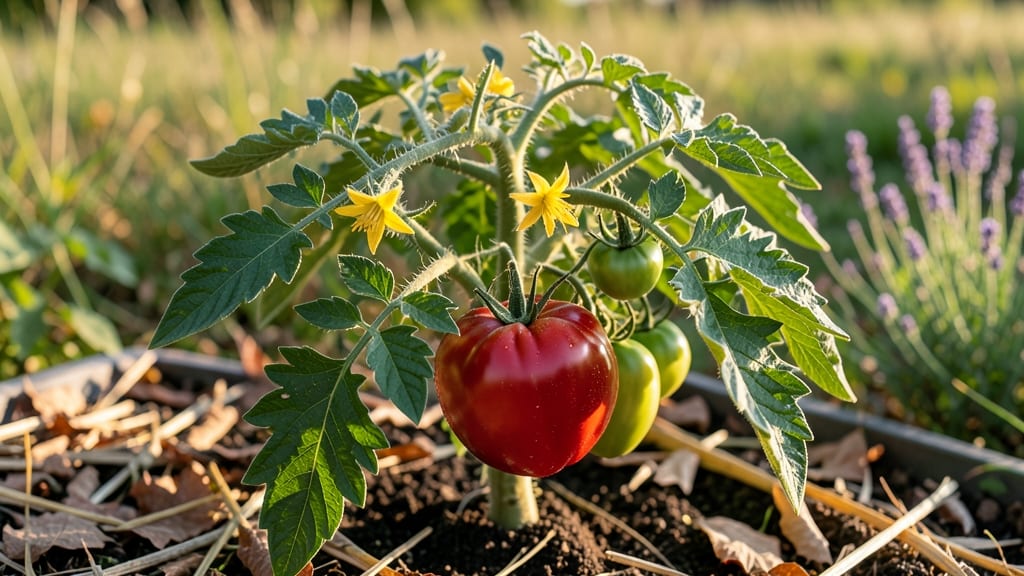
Growing steakhouse tomato seeds gives you restaurant-quality tomatoes with zero seed spitting—here’s how to make it happen. 🌱 These beefsteak beauties need patience (they take 90 days to ripen) but reward you with pound-sized fruits bursting with sweet, meaty flavor.
I’ve grown them for three seasons now, and my neighbors still ask where I buy them. The secret starts with well-draining soil mixed with compost—these tomatoes hate soggy roots.
Plant them deep (bury half the stem) in full sun (6+ hours daily), and space them 3-4 feet apart so they have room to sprawl. Water at the base, not the leaves, to prevent disease, and stake them early—their vines get heavy.
By mid-summer, you’ll be harvesting tomatoes so big they need two hands. The flavor? Richer than store-bought, with just a hint of smoky sweetness. Prune suckers regularly to focus energy on fruit, and watch for hornworms—they love these tomatoes too.
For extra boldness, let a few tomatoes ripen fully on the vine. The ones that stay attached longer develop deeper flavor, and you’ll have homegrown tomatoes that taste like a gourmet meal. Worth every minute of care!
📚 In This Guide
- What you need
- Instructions
- Tips and common mistakes
- Wrapping up and next steps
What you need
- ● Steakhouse tomato seeds – 1 packet (approx. 20-50 seeds) (ensure they’re heirloom, non-GMO for best flavor).
- ● Seed-starting mix – 1 small bag (1-2 quarts) (lightweight, sterile, and well-draining).
- ● Seed trays or small pots – 6-12 individual cells or pots (3-4 inches deep) (biodegradable pots are a bonus!).
- ● Grow lights or sunny windowsill – For seedlings (12-16 hours of light/day).
- ● Watering can or spray bottle – With a fine mist setting (overwatering is a seedling’s worst enemy!).
- ○ Fertilizer (optional but recommended) – Balanced liquid fertilizer (e.g., 10-10-10) or compost tea.
- ○ Gloves (optional) – To protect hands from soil and thorns.
- ● Plant labels & marker – To track varieties (especially if mixing seeds!).
- ● Transplanting tools – Trowel or small shovel (for moving seedlings outdoors).
- ● Outdoor garden space or large containers – At least 18-24 inches deep, with full sun (6+ hours/day).
- ○ Mulch (optional) – Straw or shredded leaves to retain moisture.
Step-by-step instructions for growing steakhouse tomatoes from seed
Here’s how to cultivate those legendary, seedless beefsteak tomatoes—no grocery store shortcuts needed.
🌱 Step 1: Start Seeds Indoors with Warmth and Moisture
Fill 2-3 inch deep seedling trays with sterile seed-starting mix, keeping it lightly moist but not soggy. Press the mix down gently to remove air pockets, then scatter seeds ¼ inch deep—about the width of a pencil eraser. Cover lightly with additional mix, misting the surface until evenly damp. Place the tray in a warm spot, ideally 75-85°F, using a seedling heat mat if needed.
Germination takes 7-14 days, depending on your home’s warmth. Watch for the first green sprouts to break through the soil—this is your cue to remove any plastic wrap or humidity dome immediately. Too much moisture around new seedlings invites damping-off, a fungal disease that collapses stems overnight. Once sprouts appear, move them to a bright, indirect light spot within 24 hours.
☀️ Step 2: Provide Strong Light to Prevent Leggy Growth
Steakhouse tomatoes need 14-16 hours of light daily from day one to develop strong, compact stems. A south-facing window rarely provides enough intensity, so supplement with a full-spectrum LED grow light positioned 2-4 inches above the seedlings. Raise the light as plants grow to maintain that gap.
Leggy seedlings—those stretched-out, pale stems with leaves far apart—are a red flag. You’ll see this when seedlings lean toward the light or develop long, weak stems. If this happens, lower the light immediately and rotate the tray daily so all sides get even exposure. Strong seedlings have thick stems and deep green leaves spaced closely together.
🪴 Step 3: Transplant Seedlings After True Leaves Form
Wait until seedlings have 3-4 true leaves (the first set of leaves after the initial cotyledons) before transplanting. Gently remove each seedling, taking care not to disturb the roots, and place it in a 5-inch pot filled with fresh potting mix. Bury the stem up to the first set of leaves—this encourages stronger root growth. Water deeply right after transplanting to settle the soil around the roots.
Hardening off begins 2 weeks before your last frost date. Start by placing seedlings outside in a sheltered spot for 1-2 hours the first day, gradually increasing their time outdoors by 1 hour daily. By day 10, they should tolerate a full day outside. This slow adjustment prevents shock and ensures they thrive in the garden. Transplant into the ground or larger containers after hardening off is complete.
💧 Step 4: Support and Feed for Maximum Fruit Size
Steakhouse tomatoes need sturdy cages or stakes to support their heavy fruit. Install supports at planting time—waiting until the plant is lush and top-heavy risks breaking stems. Prune suckers (the small shoots that form in the leaf axils) regularly to direct energy into fewer, larger fruit. Remove any leaves touching the soil to prevent disease.
Feed plants every 2-3 weeks with a balanced fertilizer (10-10-10) once flowers appear. You’ll know they’re hungry when new leaves turn pale or growth slows. Water deeply at the base 1-2 times weekly, keeping the soil consistently moist but never waterlogged. Mulch around the base to retain moisture and suppress weeds, which compete for nutrients.
✂️ Step 5: Harvest at Peak Ripeness for Best Flavor
Steakhouse tomatoes reach maturity 70-85 days after transplanting, depending on your climate. Harvest when the fruit is fully colored and slightly soft to the touch. Twist gently to avoid damaging the stem. The flavor peaks when the tomatoes are at room temperature—leave them on the vine a few extra days if your mornings are chilly.
Store harvested tomatoes at 55-65°F in a single layer, never in the fridge. Cold temperatures destroy their flavor and texture. Use them within 5-7 days for the best taste. If birds or pests become an issue, cover plants with netting early in the season—once fruit is heavy, it’s too late to protect it.
Tips & tricks for growing steakhouse tomatoes
Common pitfalls—and how to sidestep every one when growing those legendary beefsteak tomatoes.
Germination Setup: The 75-85°F temperature range is non-negotiable for reliable germination. I've had batches fail when my basement was too cool—consider a seedling heat mat if your home runs chilly. Keep the seed-starting mix lightly moist but never soggy; dampness encourages damping-off. A spray bottle works better than watering from above to avoid disturbing seeds.
Lighting Strategy: Those 14-16 hours of daily light are crucial for preventing leggy seedlings. I use a timer on my grow light to automate this—no more forgetting to turn lights on at night. Watch for seedlings leaning toward the light; if you see this, rotate the tray daily. A simple trick: if your seedlings have leaves spaced more than an inch apart, they're getting too little light.
Transplant Timing: Wait until you see 3-4 true leaves before transplanting—those little cotyledons don't count. I bury the stem up to the first true leaves when transplanting, which encourages stronger root growth. For the 2-week hardening off period, start with just 1-2 hours outside on day one, then increase by an hour each day. This gradual approach prevents transplant shock that can set plants back weeks.
Fruit Development: The 70-85 days to maturity is just a guideline—your climate makes all the difference. In hotter zones, you might see fruit earlier, while cooler areas may need the full time. Prune suckers regularly (those little shoots in leaf axils) to direct energy into fewer, larger tomatoes. I also remove any leaves touching the soil to prevent disease—this simple step can double your harvest.
Pro Tips for Steakhouse Tomato Seeds
- Common pitfalls—and how to sidestep every one when growing those legendary beefsteak tomatoes.
- Germination Setup: The 75-85°F temperature range is non-negotiable for reliable germination.
- Lighting Strategy: Those 14-16 hours of daily light are crucial for preventing leggy seedlings.
Frequently asked questions
Got questions about growing steakhouse tomato seeds? You’re not alone! Here are answers to the most common queries—from planting to troubleshooting—to help you master these seedless, flavor-packed tomatoes.
How long does it take for steakhouse tomato seeds to germinate?
Steakhouse tomato seeds typically germinate in 7–14 days after planting, depending on soil warmth (aim for 70–85°F). Keep the soil consistently moist and avoid overwatering, which can drown seeds. For faster results, pre-sprout seeds indoors 2–3 weeks before the last frost.
When is the best time to plant steakhouse tomato seeds?
Start seeds indoors 6–8 weeks before your last frost date, then transplant seedlings after soil warms to 60°F+ (usually late spring). If your climate is hot, opt for late summer/early fall planting to avoid heat stress. Always harden off seedlings for 7–10 days before moving them outside!
Can I grow steakhouse tomatoes in containers?
These vining tomatoes thrive in 5-gallon+ containers with drainage holes and support stakes (they can grow 6–10 feet tall). Use a lightweight potting mix and fertilize weekly with tomato-specific nutrients. Just ensure containers get 6+ hours of sunlight daily—balconies and patios work great!
Why aren’t my steakhouse tomato plants producing fruit?
Common culprits include: not enough sunlight (move to sunnier spot), poor pollination (gently shake plants or hand-pollinate), temperature stress (keep soil warm), or nutrient deficiencies (add balanced fertilizer). If flowers drop without fruiting, check for blossom end rot (calcium deficiency) and adjust watering/pH.
Are steakhouse tomatoes easy to grow for beginners?
They’re moderately beginner-friendly but require attention to watering, sunlight, and support. Start with seedlings (not seeds) if you’re new, and choose disease-resistant varieties. With patience and consistency, you’ll enjoy juicy, seedless tomatoes—worth the effort!
Wrapping up and next steps
Growing your own steakhouse tomato seeds is a game-changer—imagine juicy, meaty tomatoes with zero seeds to clean up, all while adding a restaurant-worthy twist to your meals! 🍅✨ Whether you’re a seasoned gardener or just starting out, these flavorful varieties are worth the effort.
The key? Patience, the right soil, and a little love—just like a perfect steak!
Ready to take the next step? Start your seeds indoors this month and watch your garden transform into a steakhouse-worthy tomato paradise. Grab those seeds, roll up your sleeves, and get growing—your taste buds will thank you!