
Companion Plants
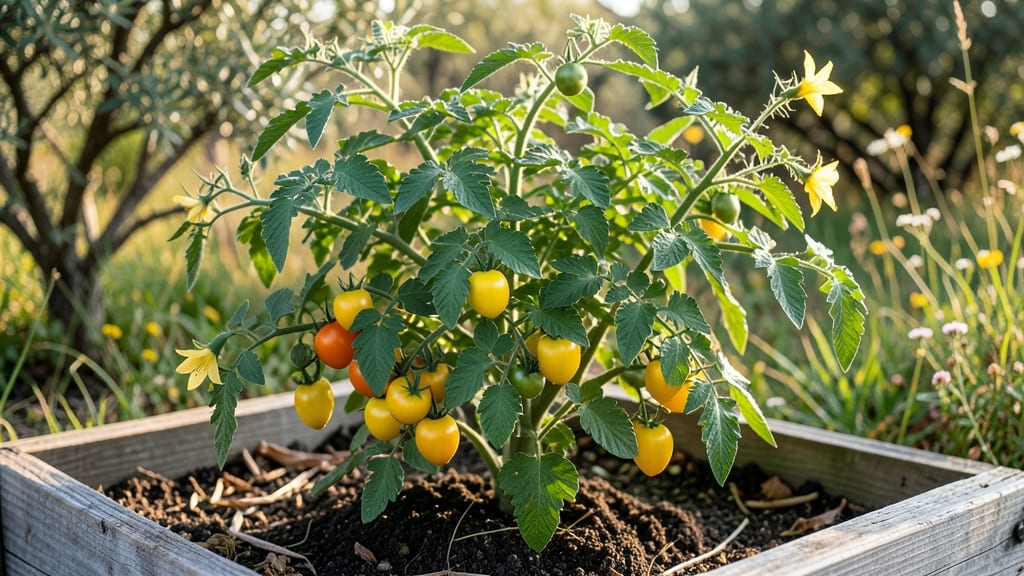
Sun Gold tomato plants turn my small balcony into a sun-drenched harvest every summer, and they’ll do the same for you—even in containers. 🌱 These cherry tomatoes aren’t just cute; they’re sweet, prolific, and built for small spaces, producing pounds of golden fruit when given the right care.
The secret lies in their dwarf nature, which means no sprawling vines or heavy stakes—just a compact, productive plant that thrives in pots as small as 5 gallons.
Here’s the thing—Sun Golds need full sun (6-8 hours daily) and well-draining soil, but they’re surprisingly forgiving once you get the basics right. Start seeds indoors 6-8 weeks before last frost, or grab transplants in spring.
The key is keeping them consistently moist (not soggy) and feeding them every 2-3 weeks with a balanced fertilizer. Prune suckers early to focus energy on fruit, and watch those tiny flowers turn into explosions of sweetness by midsummer.
By late July, you’ll be harvesting cupfuls of tomatoes at a time, each one bursting with flavor that puts store-bought to shame. The plants handle heat and humidity better than most, and their disease resistance means fewer headaches.
Just watch for blossom end rot (calcium deficiency) and keep mulch around the base to retain moisture. With a little attention, one plant can yield 20+ pounds of fruit—enough to share with neighbors or freeze for winter.
Whether you’re growing on a windowsill, balcony, or tiny backyard plot, Sun Golds adapt effortlessly. They’re the perfect choice for beginners and space-challenged gardeners alike. Ready to turn your smallest patch into a tomato goldmine? Let’s get those seeds started—or grab a plant and watch the magic unfold.
📚 In This Guide
- What you need
- Instructions
- Tips and common mistakes
- Wrapping up and next steps
What you need
- ● Sun Gold tomato seeds or seedlings: 1–3 plants (depending on container size or garden space). Choose disease-resistant varieties if possible.
- ● Containers or garden bed: Containers: 5-gallon pots or larger (at least 12–18 inches deep and wide per plant). Ensure they have drainage holes!
- ● Garden bed: Well-draining soil in a sunny spot (6+ hours of direct sunlight daily).
- ● High-quality potting mix: 1–2 bags (look for a blend labeled for vegetables or tomatoes). Avoid garden soil—it compacts too easily!
- ● Tomato cages or stakes: 1–2 per plant (4–5 feet tall to support vines). Bamboo or metal cages work great.
- ● Balanced fertilizer: 10-10-10 or 5-10-10 (start with 1 tbsp per plant at planting, then follow package instructions).
- ● Mulch: Straw or shredded leaves (1–2 inches thick) to retain moisture and suppress weeds.
- ● Watering can or hose with gentle spray nozzle: For even, deep watering (avoid wetting leaves to prevent disease).
- ● Compost or worm castings: Mix 1 cup into the planting hole for extra nutrients.
- ● Slow-release fertilizer tablets: Place 1–2 in the soil at planting for steady feeding.
- ● Succession planting seeds: Buy extra seeds to stagger planting every 2 weeks for continuous harvests.
- ● Companion plants: Basil, marigolds, or borage to deter pests and improve flavor!
- ● pH test kit: Ensure soil pH is between 6.0–6.8 (ideal for tomatoes).
- ○ Pruning shears: For trimming suckers (optional but helpful for container plants).
Step-by-step guide to growing Sun Gold tomato plants
Here’s my foolproof method for cultivating these sweet, cherry-sized tomatoes—perfect for small spaces and containers.
🌱 Step 1: Choose the Right Containers and Soil Mix
Sun Gold tomatoes thrive in 5-gallon containers or larger, with at least 12 inches of depth to support their sprawling vines. I use fabric grow bags for better root aeration, but any pot with drainage holes works. Fill with a lightweight potting mix blended with 20% compost—this ensures excellent drainage while retaining moisture.
Tap the container gently to settle the soil without compacting it. The mix should feel like a damp sponge—neither bone-dry nor soggy. Avoid garden soil; it compacts in containers and suffocates roots. If your mix drains too quickly, add a handful of peat moss to improve moisture retention.
☀️ Step 2: Plant and Provide Support Early
Plant one seedling per container, burying the stem up to the first set of leaves. This encourages stronger root growth. Sun Golds are indeterminate, so they’ll keep growing—install a 6-foot tomato cage or sturdy trellis immediately. I swear by bamboo stakes tied with soft twine for a more natural look.
Water deeply right after planting to settle the soil around the roots. Within 3-5 days, you’ll see new growth—this is your cue to fertilize with a balanced, water-soluble fertilizer (10-10-10) diluted to half strength. Avoid overwatering now; the roots need time to establish before they can handle heavy moisture.
💧 Step 3: Water and Feed for Maximum Fruit Production
Keep the soil consistently moist but never soggy—Sun Golds wilt fast if thirsty. Water at the base of the plant in the morning to prevent fungal diseases. You’ll know it’s time to water when the top inch of soil feels dry to the touch. Mulch with straw or shredded leaves to retain moisture and suppress weeds.
Feed every 2-3 weeks with a tomato-specific fertilizer or compost tea. I switch to a low-nitrogen, high-phosphorus formula (like 5-10-10) once flowers appear to boost fruiting. Watch for yellowing leaves—this usually means overwatering or nutrient deficiency. Adjust accordingly.
✂️ Step 4: Prune and Harvest for Continuous Production
Pinch off the first few flowers that appear until the plant has 4-5 main stems. This redirects energy to stronger growth. Once established, remove suckers (the small shoots between the stem and branches) regularly to improve airflow and fruit size. I prune on a weekly basis—it takes just 5 minutes and pays off in bigger, sweeter tomatoes.
Harvest when the fruit is fully colored and slightly soft to the touch—usually 50-60 days after flowering. Pick in the morning for peak flavor. Sun Golds ripen quickly, so check daily. If a tomato stays green on the vine too long, it won’t develop full sweetness. Use a small pair of pruning shears to avoid damaging the stem.
🌿 Step 5: Extend the Season with Care
As temperatures drop below 50°F, move containers to a sheltered spot or indoors near a sunny window. Sun Golds are heat-lovers, but they’ll keep producing until frost. If you’re in a short-season climate, start seeds indoors 8-10 weeks before the last frost for an early harvest.
At season’s end, compost healthy vines or save seeds from the best tomatoes. I always keep a few plants overwintered in a bright, cool greenhouse—they’ll reward me with early spring fruit. For most gardeners, though, it’s time to rest the soil and plan next year’s container setup.
Tips & tricks for perfect Sun Gold tomato growth
These pro tips will help you maximize your Sun Gold tomato harvest—even in limited spaces.
Container Selection: Avoid plastic pots—they overheat roots in summer and can't handle the weight of mature plants. Fabric grow bags or ceramic containers with drainage holes work best. If using plastic, add a layer of reflective mulch around the base to regulate soil temperature. The 12-inch depth requirement is non-negotiable for these sprawling vines—shallow containers will stunt growth.
Soil Science: The 20% compost blend isn't just about nutrients—it creates that perfect "damp sponge" texture. If your mix feels too gritty after wetting, add a handful of coconut coir instead of peat moss (it's more sustainable). Pro tip: Mix in a slow-release fertilizer like osmocote at planting time to avoid the 2-3 week feeding schedule later. Just follow package instructions for container-specific amounts.
Pruning Strategy: That weekly 5-minute pruning session pays off big time. Focus on removing suckers from the bottom third of the plant first—they drain energy from fruit production. Use your fingers to gently pinch suckers rather than cutting; this prevents stem damage. And here's the thing about those first flowers: if your plant looks weak, let it grow stronger for 2-3 weeks before pinching them off.
Season Extension: The 50°F threshold is your early warning system. Don't wait until morning frost—move containers to shelter when nighttime temps drop below 55°F. For indoor overwintering, place plants under grow lights (12-14 hours/day) to maintain production. I've kept Sun Golds going through winter this way, though they'll need extra support as they grow taller without natural wind.
Pro Tips for Sun Gold Tomato Plants
- These pro tips will help you maximize your Sun Gold tomato harvest—even in limited spaces.
- Container Selection: Avoid plastic pots—they overheat roots in summer and can't handle the weight of mature plants.
- Soil Science: The 20% compost blend isn't just about nutrients—it creates that perfect "damp sponge" texture.
Frequently asked questions
Got questions about growing Sun Gold tomato plants? You’re not alone! Here are some of the most common queries—and their answers—to help you cultivate sweet, sun-kissed tomatoes like a pro.
How long does it take for Sun Gold tomato plants to produce fruit?
Sun Gold tomatoes are fast producers! With proper care, you can expect the first ripe fruits 50–65 days after transplanting (or 70–85 days from seed). Since they’re determinate (bush-type), they’ll keep yielding for about 2–3 weeks before tapering off. Start harvesting in mid-summer for a burst of flavor!
Can Sun Gold tomatoes grow in containers, and what size pot do they need?
Sun Golds thrive in containers—just choose a pot at least 12–18 inches deep and wide with drainage holes. A 5-gallon bucket or fabric grow bag works perfectly. Since they’re dwarf, they won’t sprawl, but stake or cage them for support. Just ensure they get 6–8 hours of sun daily and consistent watering.
What are the most common pests or diseases for Sun Gold tomato plants, and how do I prevent them?
Sun Golds are generally pest-resistant, but watch for aphids, whiteflies, and hornworms. For prevention:
- Use neem oil or insecticidal soap if pests appear.
- Rotate crops yearly to avoid soil-borne diseases like blight.
- Ensure airflow with proper spacing (18–24 inches apart).
- Water at the base (not leaves) to prevent fungal issues.
Are Sun Gold tomatoes good for sauces, or are they best eaten fresh?
Sun Golds are sweet, low-acid tomatoes that shine when eaten fresh—think slicing, salads, or snacking straight off the vine! However, their mild flavor works in light sauces or salsas if blended with a splash of lemon juice or basil. Avoid heavy cooking; their delicate taste can turn mushy. For sauces, pair them with more robust varieties like San Marzano.
When is the best time to plant Sun Gold tomato seeds indoors vs. outdoors?
Indoors: Start seeds 6–8 weeks before your last frost date (use grow lights for 12–14 hours/day). Transplant seedlings outdoors 2–3 weeks after the last frost when soil is 60°F+.
Outdoors: For warm climates, sow seeds directly 2–3 weeks after frost risk ends. Sun Golds hate cold, so wait until nighttime temps stay above 55°F. Use row covers if early planting is unavoidable.
Pro Tip: Want to extend the harvest? Prune suckers (shoots in leaf junctions) to focus energy on fruit production. But since Sun Golds are dwarf, skip heavy pruning—they’re built for low-maintenance yields!
Wrapping up and next steps
Growing Sun Gold tomato plants is a rewarding journey that brings sweet, tangy flavors to your table—even in limited spaces! 🌱 Whether you’re a container gardener or a small-space enthusiast, this dwarf variety proves that big yields don’t require big plots.
With the right care, companion plants, and a little patience, you’ll enjoy a bountiful harvest that rivals store-bought (but tastes so much better!). Ready to dive in? Start by gathering your supplies and planting your seeds or seedlings this season—your taste buds will thank you! 🍅✨