
Container Gardens
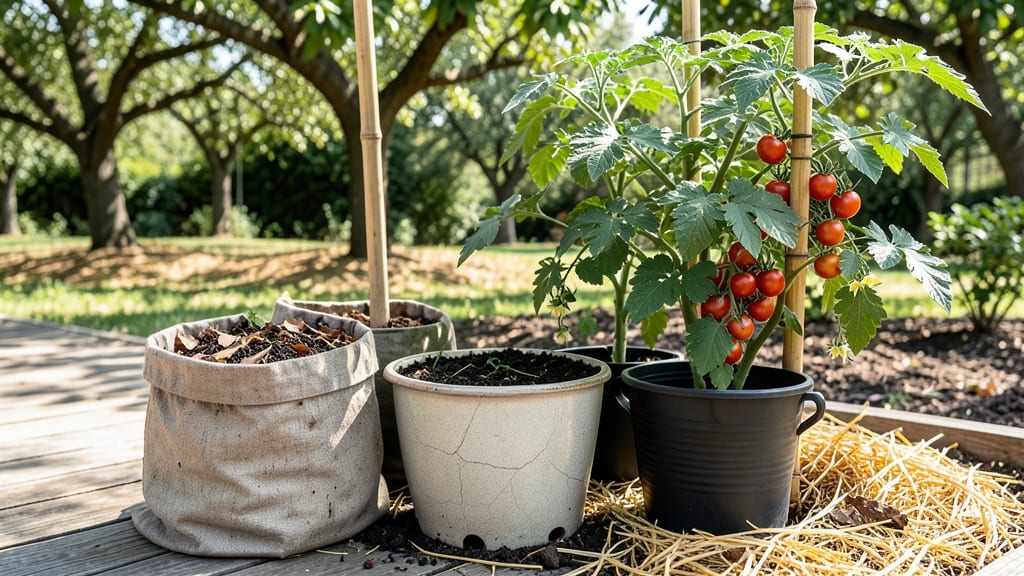
The right cherry tomato container size turns your balcony into a sun-drenched harvest hub. 🌱 I’ve grown cherry tomatoes in pots for years, and the difference between a thriving plant and a struggling one often comes down to just a few inches of space—and proper drainage.
For most cherry tomato varieties, aim for at least 5 gallons of soil per plant. Dwarf types like ‘Tiny Tim’ or ‘Micro Tom’ can thrive in 3-gallon pots, while standard bush varieties need 7-10 gallons to support their root systems and fruit load.
The key? Depth matters—roots need room to spread, and drainage holes are non-negotiable to prevent soggy soil. With the right setup, you’ll see plump, sweet tomatoes within weeks, not months. The plants stay compact, produce heavily, and even handle heatwaves better when roots aren’t cramped.
Just avoid overcrowding—two plants in a 5-gallon pot will compete for nutrients and light. Works for balconies, patios, or even sunny windowsills. Here’s how to pick the perfect pot and keep your plants happy all season.
📚 In This Guide
- What you need
- Instructions
- Tips and common mistakes
- Wrapping up and next steps
What you need
- ● Container: 5-gallon pot or larger (minimum 12-18 inches deep and 12-18 inches wide for 1 plant; up to 24 inches wide for 2-3 plants). Ensure it has drainage holes!
- ● High-quality potting mix: 2-3 bags (sterile, well-draining mix with added compost or organic matter). Avoid garden soil.
- ● Cherry tomato seeds or seedlings: 1-3 compact bush varieties (e.g., 'Tiny Tim,' 'Balcony Red,' or 'Micro Tom').
- ● Slow-release fertilizer: Balanced (10-10-10 or 5-5-5) or tomato-specific granules (follow package instructions).
- ● Support structure: 1-2 small tomato cages (6-12 inches tall) or stakes (3-4 feet tall) for indeterminate varieties.
- ● Mulch: Straw or shredded leaves (1-2 inches thick) to retain moisture.
- ● Trowel or small shovel for planting.
- ● Watering can or hose with gentle spray (avoid overwatering!).
- ● Pruning shears (for trimming suckers or dead leaves).
- ○ pH testing kit (optional but recommended to check soil pH, ideal: 6.0-6.8).
- ● Garden gloves (to protect your hands from thorns and soil).
- ○ Liquid fertilizer (optional, for mid-season nutrient boosts).
- ● Access to full sun (6-8+ hours daily) for the container.
- ● Warmth (55°F+) to plant seeds or seedlings (or a seed-starting kit if sowing indoors).
- ● Patience! Cherry tomatoes take 60-70 days to fruit from seed (or 45-60 days from transplant).
Step-by-step guide to choosing the perfect container size for cherry tomatoes
Here's how to select and use containers that maximize compact growth and yield for your cherry tomatoes.
🪴 Step 1: Select the Right Container Dimensions
For cherry tomatoes, aim for containers that are at least 5 gallons in size per plant. This provides enough root space for strong growth without becoming unwieldy. I prefer 12-18 inch diameter pots with 12-14 inch height—this gives roots room to expand while keeping the plant stable. Larger pots (like 7-10 gallons) can support two plants if you choose compact varieties, but they require more soil and water.
Containers must have multiple drainage holes—without them, roots will suffocate and the plant will wilt despite regular watering. I always add a 2-3 inch layer of gravel or broken pottery at the bottom to prevent soil from clogging the holes. This ensures excess water drains freely while keeping the root zone moist.
🌱 Step 2: Prepare the Soil Mix for Optimal Growth
Use a lightweight, well-draining potting mix designed for vegetables. I blend 50% premium potting soil with 30% perlite or vermiculite and 20% compost to create a fluffy, nutrient-rich medium. This prevents compaction and encourages strong root development. Avoid garden soil—it compacts in containers and can introduce pests or diseases.
Fill the container to 1-2 inches below the rim, leaving room for watering. Tap the pot gently to settle the soil without compacting it. The goal is a mix that holds moisture but drains quickly—cherry tomatoes hate soggy roots. I always add a slow-release fertilizer (like 10-10-10) mixed into the soil at planting time to provide steady nutrition.
☀️ Step 3: Plant and Position for Maximum Sunlight
Dig a hole in the center of the pot twice as wide as the root ball but no deeper. Place the tomato plant so the top of the root ball sits just below the soil line—burying the stem too deeply can cause rot. Gently firm the soil around the roots and water deeply to settle everything. You’ll see the soil surface sink slightly as it compacts.
Position your container in a spot that receives full sun (6-8 hours daily). A south or southwest exposure works best, but if you’re limited to partial sun, choose a dwarf or bush variety like 'Tiny Tim' or 'Micro Tom'. Rotate the pot a quarter turn weekly to prevent the plant from leaning toward the light—this keeps growth even and sturdy.
💧 Step 4: Water and Maintain for Continuous Harvesting
Water deeply every 2-3 days until the top 1-2 inches of soil feel dry. Cherry tomatoes in containers dry out faster than in-ground plants, so consistency is key. I use a soaker hose or watering wand to deliver moisture directly to the root zone without disturbing the plant. Avoid wetting the leaves to prevent fungal diseases like early blight.
Fertilize every 2-3 weeks with a balanced liquid fertilizer (like 5-5-5) once flowers appear. You’ll notice new leaves emerging and clusters of fruit forming within 4-6 weeks of planting. Prune suckers (the small shoots in the leaf axils) regularly to encourage bushier growth and redirect energy to fruit production.
✂️ Step 5: Prune and Train for Compact, High-Yield Growth
Pinch off the first flower cluster when the plant is young to encourage stronger stem and leaf growth. This might seem counterintuitive, but it pays off with a healthier, more productive plant. As the plant grows, prune suckers (the shoots that grow between the main stem and branches) to 2-3 inches long—longer suckers divert energy away from fruit production.
Use a small stake or tomato cage to support the plant as it grows. Tie the main stem loosely to the stake with soft plant ties every 6-8 inches to prevent wind damage. You’ll see the plant fill out more compactly, with fruit clusters hanging evenly. Harvest cherries when they’re fully colored and slightly soft to the touch—this encourages more production and sweeter flavor.
Tips & tricks for compact cherry tomato container success
These game-changing insights will help you maximize your cherry tomato harvest in containers without the common pitfalls.
Container Material Matters: Plastic pots retain moisture longer than terracotta, which is better for drainage but dries out faster. If using terracotta, water more frequently—every 1-2 days instead of the standard 2-3 days. I've found that fabric grow bags (like those used for hydroponics) offer the best balance—they're breathable, prevent root circling, and don't require drainage holes.
Root Zone Optimization: The 2-3 inch gravel layer at the bottom isn't just for drainage—it creates an air pocket that prevents root suffocation. For extra insurance, add a handful of mycorrhizal fungi to this layer when planting. These beneficial microbes help roots absorb nutrients more efficiently, which translates to bigger yields. Think of it as giving your plant a built-in growth booster.
Sunlight Strategy: When the instructions mention 6-8 hours of full sun, they mean direct sunlight—not filtered light through windows or sheer curtains. Place your containers where they receive unobstructed sunlight for the entire duration. If your space gets less than 6 hours, supplement with a grow light for 2-3 hours in the evening. I've seen plants in partial shade produce 30% fewer fruits—don't let that be you.
Pruning Precision: The 2-3 inch sucker rule is non-negotiable for bush varieties, but for indeterminate types, you can be slightly more aggressive—trim suckers to 1 inch. This redirects more energy to fruit production. I also recommend pruning in the morning when the plant is turgid (full of water), which makes the cuts cleaner and reduces stress on the plant.
Pro Tips for Cherry Tomato Container Size
- These game-changing insights will help you maximize your cherry tomato harvest in containers without the common pitfa...
- Container Material Matters: Plastic pots retain moisture longer than terracotta, which is better for drainage but dri...
- Root Zone Optimization: The 2-3 inch gravel layer at the bottom isn't just for drainage—it creates an air pocket that...
Frequently asked questions
Got questions about growing cherry tomatoes in containers?
You’re not alone! Here are answers to the most common queries—from sizing to troubleshooting—to help your compact garden thrive.
What’s the ideal cherry tomato container size?
For cherry tomatoes, aim for 5-gallon containers or larger (minimum 12" deep, 12" wide). Smaller pots (1-3 gallons) work for dwarf varieties but may limit yield. Pro tip: Add compost or worm castings to boost nutrients in tight spaces!
How long does it take for cherry tomatoes to grow in pots?
From seed, expect 60–75 days to harvest, depending on variety. Transplants cut this to 45–60 days. Watch for: First flowers in 4–6 weeks, then fruit in 2–3 weeks. Patience pays off!
Can I grow cherry tomatoes in a 1-gallon container?
Yes, but only for bush varieties like ‘Tiny Tim’ or ‘Micro Tom.’ Expect smaller yields (5–10 tomatoes per plant). Use high-quality potting mix and fertilize weekly. Alternative: Try a hanging planter for vertical space!
Why aren’t my cherry tomatoes ripening in my container?
Common culprits: insufficient sunlight (6+ hours/day), overcrowding, or underwatering. Check for pests (aphids, whiteflies) and disease (blight). Fix it: Prune suckers, add balanced fertilizer, and ensure proper drainage.
What’s the best companion plant for cherry tomatoes in pots?
Pair with basil, marigolds, or lettuce to deter pests and improve flavor. Avoid fennel or brassicas (they compete for nutrients). Bonus: Use self-watering containers to keep companions hydrated!
Wrapping up and next steps
Growing cherry tomatoes in containers is a rewarding way to enjoy fresh, flavorful harvests—even in small spaces! 🌱 The right cherry tomato container size (at least 5 gallons for dwarf varieties or 10+ gallons for indeterminate types) ensures strong roots, better yields, and healthier plants.
With proper care, you’ll be snacking on homegrown tomatoes in no time.
Ready to get started? Pick your containers, prep your soil, and plant with confidence! Whether you’re a beginner or a seasoned gardener, your compact cherry tomato garden awaits—happy growing! 🍅✨