
Planting
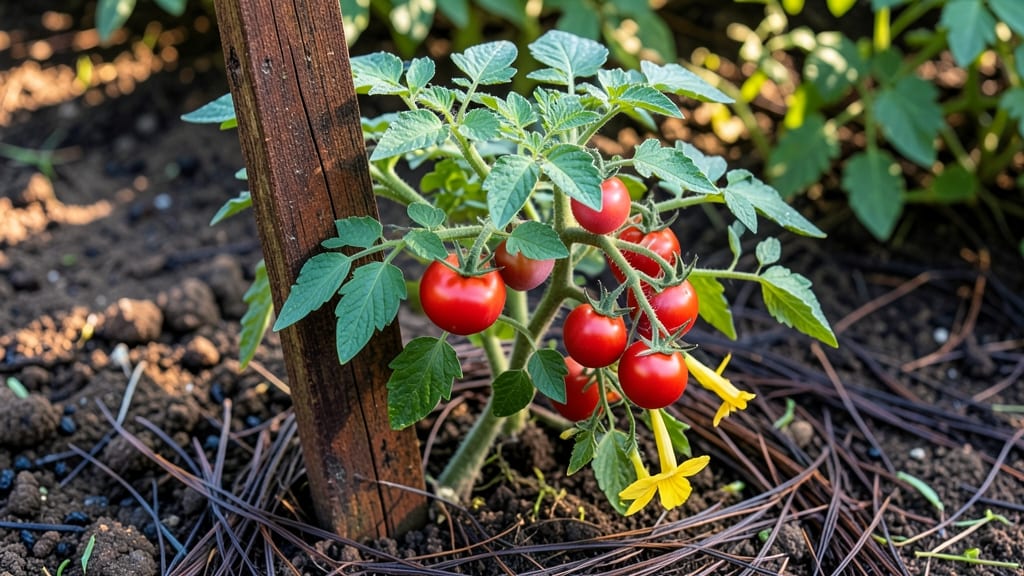
The Red Robin tomato plant delivers sweet, cherry-sized fruit without the sprawling vines of indeterminate varieties. 🌱 I’ve grown this determinate heirloom for three seasons now, and its compact 3-foot height makes it perfect for containers, small gardens, or even windowsills—no trellis required.
The key to success lies in matching its needs to your space, from soil prep to watering consistency. This variety thrives in full sun (6-8 hours daily) and well-draining soil with a pH of 6.0-6.8.
Start seeds indoors 6-8 weeks before your last frost, or transplant young plants after soil warms to 60°F. The bush shape means less pruning, but pinching suckers early keeps energy focused on fruit production.
You’ll harvest red, 1-inch tomatoes in 55-65 days—earlier than many heirlooms—and the plants keep producing until frost. What sets Red Robin apart is its disease resistance and prolific clusters (up to 20 tomatoes per truss).
To maximize yield, mulch heavily to retain moisture and watch for common pests like hornworms or aphids. A weekly inspection prevents small issues from becoming disasters. The flavor? A perfect balance of sweetness and tang, ideal for snacking straight off the vine.
Whether you’re a beginner or space-limited gardener, this variety proves you don’t need acres to grow tomatoes. The compact growth habit and early harvests make it a foolproof choice for small plots, balconies, or even large pots. Ready to grow your own sweet, sun-ripened cherries? Let’s get started.
📚 In This Guide
- What you need
- Instructions
- Tips and common mistakes
- Wrapping up and next steps
What you need
- ● Red Robin tomato seeds or seedlings: 1-2 plants (determinate variety, known for compact growth and high yields).
- ● Containers or garden bed: For containers: 5-gallon pots or larger (at least 12-18 inches deep) with drainage holes.
- ● For in-ground planting: Well-draining soil in a sunny spot (6-8 hours of sunlight daily).
- ● High-quality potting mix: 1 bag (sterilized, well-draining soil with organic matter).
- ● Balanced fertilizer: 10-10-10 or organic options like composted manure (follow package instructions).
- ● Tomato cages or stakes: 1-2 (4-5 feet tall) to support the plant as it grows.
- ● Watering can or hose with a gentle nozzle: For consistent moisture without disturbing roots.
- ○ Mulch (optional but recommended): Straw or shredded leaves to retain soil moisture.
- ● Slow-release fertilizer tablets: For steady nutrient supply.
- ● Pruning shears: To trim suckers and encourage bushier growth.
- ● pH test kit: To ensure soil pH is between 6.0-6.8 (ideal for tomatoes).
- ● Shade cloth: For hot climates to protect plants from excessive sun.
- ● Companion plants: Basil, marigolds, or onions to deter pests naturally.
How to grow a thriving Red Robin tomato plant
This compact, high-yielding variety delivers sweet, reliable harvests with minimal fuss—here's my foolproof method.
🌱 Step 1: Select the Right Location and Prepare the Soil
Choose a spot with full sun exposure (6-8 hours daily) and well-draining soil. Red Robin thrives in slightly acidic to neutral soil with a pH between 6.0-6.8. Before planting, enrich the area with 2-3 inches of compost mixed into the top 12 inches of soil to provide nutrients for the entire growing season.
I always test the soil first using a simple pH kit—amending the soil now prevents blossom-end rot later. If your soil is heavy clay, add 1-2 inches of coarse sand or perlite to improve drainage. The goal is loose, fertile soil that holds moisture but never stays soggy.
🌱 Step 2: Plant at the Correct Depth and Spacing
Transplant Red Robin seedlings after the last frost when nighttime temperatures stay above 55°F. Dig a hole twice as wide as the root ball but only as deep as the container it came in. This prevents burying the stem too deeply, which can cause rot.
Space plants 24-36 inches apart in rows 3 feet apart—this gives them room to bush out without crowding. I like to add a handful of balanced organic fertilizer (10-10-10) to the planting hole to give them a nutrient boost right away. Water deeply after planting to settle the soil around the roots.
☀️ Step 3: Provide Consistent Water and Support
Water deeply twice weekly (about 1 inch total) during dry spells, keeping the soil consistently moist but never waterlogged. Red Robin's compact growth makes it drought-tolerant, but consistent moisture prevents cracking and blossom-end rot. I water at the base in the morning to reduce evaporation and fungal risks.
Install a sturdy tomato cage (4-5 feet tall) or trellis at planting time—Red Robin stays compact but still needs support for heavy fruit. I tie the main stem loosely to the cage with soft plant ties as it grows to prevent stem damage. Prune suckers (the small shoots in the leaf axils) to focus energy on fruit production.
✂️ Step 4: Prune and Fertilize for Maximum Yield
Remove any leaves touching the soil to improve airflow and reduce disease risk. Once flowering begins, pinch off the first few blossoms if the plant looks stressed—this encourages stronger root and stem development before heavy fruiting. I also remove any suckers that appear below the first flower cluster to direct energy upward.
Fertilize every 4-6 weeks with a low-nitrogen, high-phosphorus fertilizer (like 5-10-10) to support flowering and fruiting. Stop fertilizing 4-6 weeks before the first frost to allow the plant to harden off naturally. Harvest when tomatoes are fully colored and slightly soft to the touch—this ensures peak flavor and prevents overripening on the vine.
🌿 Step 5: Extend the Harvest and Prepare for Winter
If frost threatens before all fruit ripens, pick green tomatoes and store them in a cool, dark place (60-65°F) for a few weeks—they'll ripen naturally. Red Robin's determinate growth means it produces fruit all at once, so plan to harvest over 2-3 weeks for the best results.
After the first frost, cut the plant at the base and compost the healthy stems (diseased material should be discarded). Mark the spot—Red Robin does well in the same location next year, but I always rotate crops to prevent soil-borne diseases. The roots will break down over winter, enriching the soil for next season's plants.
Tips & tricks for perfect Red Robin tomato growth
These simple strategies will help you maximize your Red Robin tomato harvest with minimal effort.
Soil Preparation Secret: Don't just add compost—work it into the top 12 inches of soil where roots will grow. I like to mix in a handful of worm castings (optional) for extra microbial activity that boosts nutrient absorption. This creates the perfect loose, fertile environment Red Robin loves, preventing those dreaded compacted roots that stunt growth. The goal is soil that crumbles easily between your fingers when lightly squeezed.
Planting Depth Caution: The instructions say to plant at the same depth as the container, but I've seen many gardeners bury the stem too deeply by accident. Use a reference mark on your pot or dig a shallow trench to guide you—this prevents rot and encourages strong root development. Remember, the stem should remain above soil level, with only the roots covered.
Watering Wisdom: Those "twice weekly" waterings should happen at the base, not overhead. I use a soaker hose or drip irrigation to deliver water directly to the roots, which prevents fungal diseases like early blight that love wet foliage. Water in the morning so leaves have all day to dry, and always check soil moisture by sticking your finger 1-2 inches deep—if it's dry, it's time to water.
Harvest Timing: The "fully colored and slightly soft" rule is perfect, but I've found a simple trick to check ripeness: Gently squeeze the tomato—if it gives slightly (like a ripe avocado) but doesn't feel mushy, it's ready. This prevents overripening on the vine while catching tomatoes at peak flavor. Harvest in the morning when sugars are highest, and store in a cool, dark place if you can't use them immediately.
Pro Tips for Red Robin Tomato Plant
- These simple strategies will help you maximize your Red Robin tomato harvest with minimal effort.
- Soil Preparation Secret: Don't just add compost—work it into the top 12 inches of soil where roots will grow. I like ...
- Planting Depth Caution: The instructions say to plant at the same depth as the container, but I've seen many gardener...
Frequently asked questions
How tall does a Red Robin tomato plant get?
The Red Robin is a determinate variety, meaning it stays compact—typically reaching 3–4 feet tall. This makes it perfect for containers, small gardens, or even windowsills! No need for fancy trellises; just a sturdy cage or stakes will keep it supported.
When should I plant Red Robin tomatoes?
Start seeds indoors 6–8 weeks before your last frost date (early spring) or transplant seedlings after soil warms to at least 55°F. For most U.S. zones, this means April–June. Pro tip: Use row covers early in the season to protect tender seedlings from chilly nights!
How do I know when Red Robin tomatoes are ripe?
Look for deep red color (not pink!) and a slightly soft, yielding feel when gently squeezed. The stem should also easily separate from the fruit. If birds or squirrels are eyeing your harvest, pick them just before full ripeness and let them finish indoors.
Can I grow Red Robin tomatoes in containers?
These tomatoes thrive in 5-gallon pots or larger with drainage holes. Use a balanced fertilizer (like 10-10-10) every 2–3 weeks and ensure they get 6–8 hours of sunlight daily. Just avoid overcrowding—one plant per container works best!
What pests should I watch for with Red Robin tomatoes?
Common culprits include aphids, hornworms, and whiteflies. Spot-treat with neem oil or insecticidal soap for mild infestations. For hornworms, handpick them (they’re huge and easy to spot!). Prevention tip: Encourage beneficial insects like ladybugs by planting marigolds nearby!
Are Red Robin tomatoes good for sauces or slicing?
This variety is versatile! Its medium-sized, sweet, and meaty fruits are great for slicing, salads, and sauces. For sauces, let them ripen fully on the vine for deeper flavor. Bonus: Their uniform shape makes them ideal for canning or gifting!
Can Red Robin tomatoes survive a light frost?
Nope! These tomatoes are tender perennials and will die in frost. If a late frost is forecast, cover plants with frost cloth or bring potted plants indoors. Once temperatures dip below 32°F, it’s time to harvest what you can and say goodbye until next season.
Wrapping up and next steps
Growing your own Red Robin tomato plant is a rewarding journey that brings fresh, flavorful harvests to your table—even in small spaces! 🌱 With its determinate nature, this compact variety is perfect for containers, balconies, or tight garden plots.
Whether you're a seasoned gardener or just starting out, the key is patience, consistent care, and a little love.
Now that you’re armed with all the tips and tricks, take the next step and plant your seeds or seedlings today! Watch your Red Robin thrive, and soon you’ll be enjoying homegrown tomatoes that taste like summer in every bite. Happy gardening! 🌿