
Vegetables
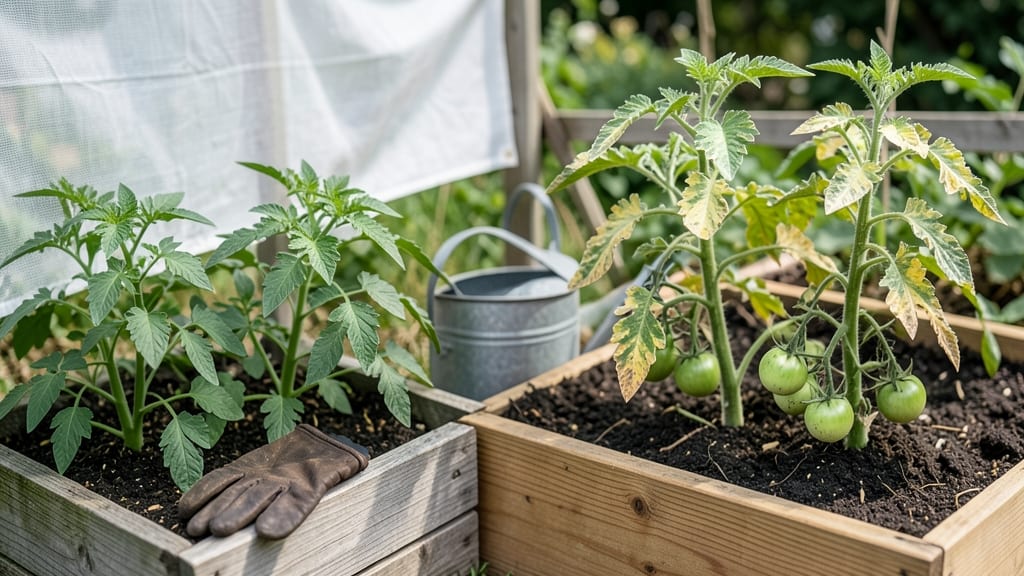
Your sunburned tomato seedlings are turning white and crispy from too much sun—this is the last thing you need after all that careful starting. 🌱 The good news? Sunburned seedlings can bounce back with the right care, and you don’t need fancy tools or complicated steps.
I’ve nursed back more than my fair share of scorched starts, and the key is acting fast before the damage gets permanent.
The first sign is those pale, almost bleached patches on leaves or stems, sometimes paired with wilting that happens even when the soil feels damp. This isn’t just a cosmetic issue—it stresses the plant, stunts growth, and leaves them vulnerable to disease.
The fix starts with shade: move them under a sheer cloth or to a spot with morning sun only, then check their soil moisture. Overwatering can’t help here, but consistent dampness (not soggy) keeps them from going into shock.
Within 3-5 days, you’ll see new green growth pushing through if you’ve caught it early. Mulch with straw or grass clippings to protect the soil from drying out, and avoid fertilizing—those scorched leaves need energy to recover, not extra nutrients.
If the damage is severe, snip off the worst patches (just above a leaf node) to redirect the plant’s energy.
Next time, harden off seedlings gradually—start with 2-3 hours of sun on day one, then add 1-2 hours each day. Proper spacing also helps: crowded plants compete for light and get burned faster.
With these adjustments, your seedlings will grow tougher and ready for the garden without a single crispy leaf in sight.
📚 In This Guide
- What you need
- Instructions
- Tips and common mistakes
- Wrapping up and next steps
What you need
- ● Sunburned tomato seedlings – Up to 10 plants (adjust based on your garden size).
- ● Watering can or hose – With a gentle spray nozzle for hydration.
- ● Shade cloth (30-50% coverage) – 4’x6’ or larger, depending on plant count.
- ● Lightweight mulch (straw, grass clippings, or coconut coir) – 1-2 inches thick per plant.
- ● Balanced liquid fertilizer (5-5-5 or 10-10-10) – 1-2 tbsp per gallon of water.
- ● Pruning shears (sterilized) – For trimming damaged foliage.
- ○ pH test kit (optional but helpful) – To check soil pH (ideal: 6.0-6.8).
- ● Anti-transpirant spray (e.g., Wilt-Pruf) – 1 spray bottle to protect leaves.
- ● Epsom salt (magnesium sulfate) – 1 tbsp per gallon of water for chlorophyll boost.
- ● Reflective mulch (aluminum foil or silver plastic) – To deflect excess sunlight.
- ● Humidity dome or plastic tent – For seedlings in hot/dry climates.
How to revive sunburned tomato seedlings
Here's how I nurse scorched tomato seedlings back to health—no fancy tools or guesswork.
🌿 Step 1: Identify and Protect the Plants
First, confirm the damage by checking for white or gray patches, crispy edges, or leaves curling away from the sun. These are classic signs of sunburn. Move the seedlings to a spot with morning sun only—or under 50% shade cloth—immediately. Direct afternoon sun will finish the damage within hours. I place mine under a sheer curtain or in a sheltered corner where they get soft, diffused light.
Water the soil thoroughly but gently—no blasting the leaves. You want the roots hydrated, not the foliage drenched. If the soil feels dry past 1 inch deep, give it a slow drink until water flows from the drainage holes. This helps the plant recover its balance without stressing further.
💧 Step 2: Boost Moisture and Shield from Stress
Set up a daily misting routine using room-temperature water. Focus on the undersides of leaves—they absorb moisture best there. I use a spray bottle for precision, misting until the leaves glisten but don’t drip. This mimics humidity levels that help repair damaged cell walls. Avoid overhead watering, which can leave streaks of salt or minerals that worsen damage.
For extra protection, I cover the seedlings with a lightweight row cover or even a plastic milk jug with the bottom cut off (like a mini greenhouse). This traps moisture and stabilizes temperature swings. Leave it on for 3-5 days or until new growth appears. Watch for condensation buildup—remove the cover for 10 minutes daily to prevent fungal issues.
☀️ Step 3: Gradually Reintroduce Light and Harden Off
After 5-7 days, start acclimating the seedlings to normal light by moving them to a shadier spot for 2 hours daily, then back under protection. Increase outdoor time by 1 hour each day until they’re fully exposed. You’ll see progress when the white patches fade and new leaves emerge—usually within 7-10 days. If growth stalls, they need more nitrogen; a pinch of balanced fertilizer (10-10-10) mixed into the water helps.
Once the seedlings show 3-4 healthy new leaves, they’re ready for their permanent spot. Harden them off by placing them outside for 4-6 hours daily over 5 days, gradually increasing exposure. Avoid transplanting on sunny days—choose an overcast afternoon to reduce shock. Keep the soil consistently moist for the first week after transplanting to encourage root establishment.
Tips & tricks for reviving scorched tomato seedlings
Here's what I learned after saving dozens of scorched tomato plants—these tricks make all the difference when your seedlings look like they've been caught in a heatwave.
Morning Sun is Your Best Friend: In Step 1, when you move seedlings to morning sun only, position them where they get light for the first 4-5 hours of the day. The cooler morning temperatures prevent further damage while still giving them the energy they need to recover. I've seen seedlings fully recover in just 7 days when moved to this ideal spot—just avoid the harsh afternoon rays that can finish the job.
Misting Technique Matters: During the daily misting routine in Step 2, use a spray bottle with a fine mist setting. The goal is to create a humid microclimate around the leaves without creating puddles. I learned this the hard way—overhead watering left mineral deposits that actually burned the damaged areas worse. Focus on the undersides of leaves where they absorb moisture most efficiently, and always use room-temperature water to avoid shocking the plants.
The 10-Minute Ventilation Rule: When using covers in Step 2, remember those 10 minutes daily you need to remove the cover is crucial. This prevents fungal growth from trapped condensation. I set a timer on my phone so I don't forget—condensation buildup can create a suffocating environment that's worse than the original sunburn. Watch for tiny water droplets forming on the cover as your signal to ventilate.
Visual Progress Indicators: In Step 3, when you're checking for recovery, look for three key signs: fading of white patches, new leaf growth at the stem base, and leaves that stand upright rather than curling. I've found that the white patches typically fade first (within 5-7 days), followed by new growth appearing about 2 days later. This visual progression tells me exactly how the recovery is going without needing fancy tools.
Pro Tips for Sunburned Tomato Seedlings
- Here's what I learned after saving dozens of scorched tomato plants—these tricks make all the difference when your seedlings look like they've been caught in a heatwave.
- Morning Sun is Your Best Friend: In Step 1, when you move seedlings to morning sun only, position them where they get light for the first 4-5 hours of the day.
- Misting Technique Matters: During the daily misting routine in Step 2, use a spray bottle with a fine mist setting.
Frequently asked questions
about sunburned tomato seedlings—here’s what you need to know to save your plants!Why do my tomato seedlings look sunburned?
Sunburn on seedlings happens when young plants receive too much direct sunlight too soon, especially after being moved from shade or indoors. Their delicate leaves lack the protective pigments of mature plants, making them vulnerable to UV damage. Gradual hardening off (acclimating them to outdoor conditions) prevents this.
How long does it take for sunburned seedlings to recover?
Mild cases may show improvement in 3–7 days with proper care (shade, hydration, and pruning). Severe damage can take weeks or may not fully heal, depending on how much tissue was affected. Monitor daily and adjust care as needed—patience is key!
Can I move sunburned seedlings back into full sun?
Not yet! Wait until the damaged leaves turn green again (or new growth appears) before reintroducing full sun. Start with morning sun only, then slowly increase exposure over 5–7 days. Rushing risks re-burning the fragile tissue.
Are there alternatives to shade cloth for protecting seedlings?
Yes! Try these quick fixes:
- DIY shade screens: Use cheesecloth, old bedsheets, or even a white umbrella for temporary coverage.
- Transplant timing: Plant seedlings in late afternoon to avoid peak sun hours.
- Container placement: Move pots to north-facing windows or under trees until hardened off.
My sunburned seedlings have blackened leaves—is it too late?
Not necessarily! If only the edges or surface are blackened (not mushy or smelly), trim the damage and focus on recovery care. However, if leaves feel slimy or the stem is soft, the plant may be overheated or diseased—remove it to prevent spread.
Wrapping up and next steps
Don’t let sunburned tomato seedlings discourage you—your plants can bounce back with the right care! 🌱 By providing shade, gentle hydration, and a nutrient boost, you’ll help them recover and thrive stronger than ever. Now’s the perfect time to act: monitor their progress daily and adjust your approach as needed.
Once your seedlings perk up, consider transplanting them into your garden or containers. Happy gardening—your future tomato harvest will be worth every effort! 🍅✨