
How To
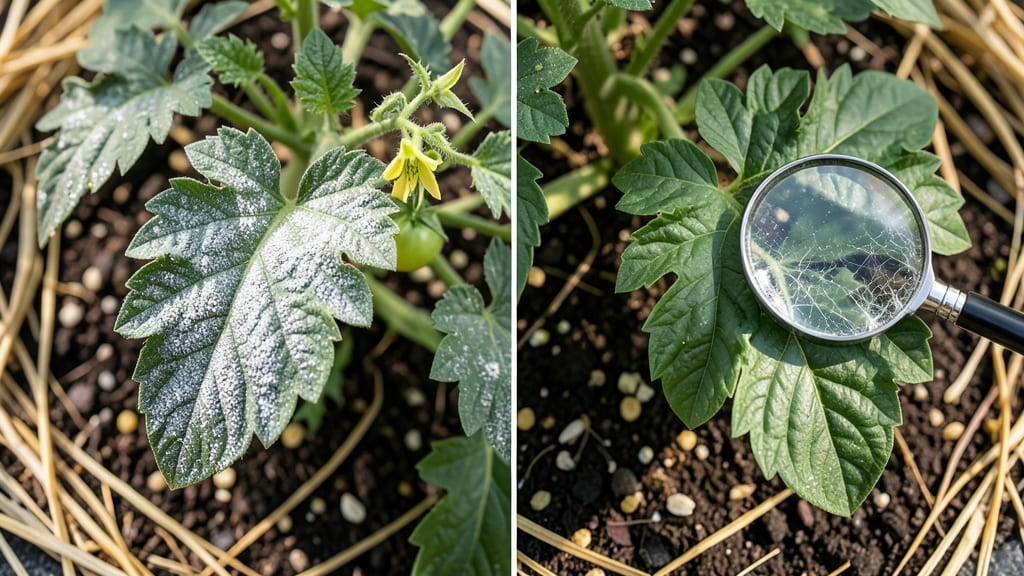
Your tomato leaves turning white isn’t just unsightly—it’s a warning sign that could wipe out your harvest if ignored. 🌱 I’ve lost entire plants to this silent killer, but these 5 steps will stop it in its tracks before it spreads like wildfire through your garden.
The most common culprit is powdery mildew, a fungal infection that thrives in warm, humid conditions—especially on varieties like ‘Celebrity’ or ‘Roma’ that grow densely. But nutrient deficiencies (like too much nitrogen) or even environmental stress from inconsistent watering can trigger the same white, powdery patches.
The key is acting fast: prune infected leaves immediately, then treat the plant before the fungus takes over. You’ll restore your tomatoes to vibrant green in just days with the right approach—neem oil sprays, copper fungicides, or even a simple baking soda mix. The best part?
These fixes work for both organic and conventional gardeners, and they prevent future outbreaks too. This works for all tomato types, from cherry to beefsteak, and in both containers and in-ground beds. Let’s save your plants before the white spreads further!
Root Causes Behind White Tomato Leaves
When your tomato plants start showing white leaves, it’s often a cry for help from the plant itself. Understanding the why behind this issue is the first step toward saving your harvest.
Below, we break down the most common culprits—each with a scientific twist and actionable insights to tackle them head-on.
Fungal diseases like powdery mildew (caused by Podosphaera xanthii or Oidium spp.) or early blight (from Alternaria solani) are the top villains behind white, powdery, or chalky leaf surfaces. These fungi thrive in warm, humid conditions and spread like wildfire—especially when airflow is poor.
- How it starts: Spores land on leaves, germinate, and form a white, cottony web that blocks sunlight. Over time, leaves yellow, crisp, and fall off.
- Red flags:
- White, fuzzy patches (like dust) on upper leaf surfaces.
- Yellowing or browning underneath leaves.
- Stunted growth or weak stems.
- Why it spreads: Fungi love high humidity (70%+) and poor air circulation. Overhead watering or crowded plants create the perfect petri dish.
Pro tip: 💡 Fungi hate copper-based fungicides (like copper sulfate) and baking soda sprays (1 tsp baking soda + 1 quart water + a drop of dish soap). Apply in the morning so leaves dry quickly.
Tomatoes need consistent moisture, but too much water—especially in poorly draining soil—can suffocate roots and invite fungal friends. When roots struggle, leaves may turn white or pale as the plant prioritizes survival over photosynthesis.
- How it starts: Waterlogged soil cuts off oxygen to roots, leading to root rot (often caused by Phytophthora fungi). The plant can’t absorb nutrients, so leaves lose their green pigment (chlorophyll), turning white or yellow.
- Red flags:
- White, mushy roots when dug up.
- Leaves wilting despite wet soil.
- Slow growth or no new leaves.
- Why it happens:
- Clay-heavy or compacted soil holds water like a sponge.
- Containers without drainage holes trap excess water.
- Overzealous watering (e.g., daily in rainy weather).
Pro tip: 🌡️ Stick your finger 1 inch into soil—if it’s damp, wait. Amend soil with compost or perlite to improve drainage. For containers, ensure holes at the bottom and use a well-draining mix (like 60% potting soil + 30% perlite + 10% compost).
White or pale leaves can signal a lack of essential nutrients, particularly magnesium (for chlorophyll) or nitrogen (for leaf growth). While yellowing (chlorosis) is more common, severe deficiencies can bleach leaves entirely.
| Nutrient Deficiency | Leaf Symptoms | Why It Happens |
|---|---|---|
| Magnesium (Mg) | White or pale patches between leaf veins (often on older leaves). | Poor soil structure, over-fertilization with potassium-heavy fertilizers, or acidic soil (pH < 6.0) locks out magnesium. |
| Nitrogen (N) | Overall pale or white-green leaves (not just patches). Stunted growth. | Exhausted soil from no recent fertilization, or leaching from heavy rain. |
| Zinc (Zn) or Iron (Fe) | White, brittle new leaves with dark green veins (interveinal chlorosis). | Compacted or alkaline soil (pH > 7.0) reduces availability. Common in sandy soils. |
Pro tip: 🔥 For magnesium, apply Epsom salt (1 tbsp per gallon of water, sprayed on leaves or soil). For nitrogen, use a balanced fertilizer (10-10-10) or compost. Test soil pH—aim for 6.0–6.8 for tomatoes.
Sap-sucking pests like whiteflies, aphids, or spider mites weaken tomato leaves by draining chlorophyll. Their feeding can cause white, stippled patterns or a silvery cast, especially on the undersides of leaves.
- How it starts: Pests inject toxins while feeding, disrupting the plant’s ability to produce chlorophyll. Heavy infestations lead to curled, white-speckled leaves.
- Red flags:
- Sticky residue (honeydew) on leaves.
- Fine webbing (spider mites) or tiny white flies when leaves are shaken.
- Leaves appear burned or distorted.
- Why it spreads: Dry, hot conditions (like low humidity) stress plants, making them more attractive to pests. Over-fertilizing with nitrogen also boosts pest populations.
Pro tip: ✨ Blast pests off with a strong stream of water (early morning). Use neem oil (1 tsp per quart of water) or introduce beneficial insects like ladybugs. Yellow sticky traps catch whiteflies effectively.
Now that you know the why, the next step is action. Jump to our 5-step fungal fix to revive your tomato plants—and keep those white leaves at bay for good!
Fixing White Tomato Leaves Fast
Here’s how to tackle that pesky white film on your tomato leaves—before it spreads and ruins your harvest. The key? Act fast and target the root cause. Below, we’ve mapped out step-by-step fixes for the most common triggers, plus pro tips to keep your plants thriving.
If your leaves look dusted in white or fuzzy gray, a fungal infection is likely the culprit. These spores thrive in humidity and poor airflow, so break the cycle with these fixes:
🔥 Step 1: Prune & Isolate Infected Plants
- ✂️ Snip off white-spotted leaves immediately—don’t compost them! Toss them in the trash or burn them (if safe) to stop spores from recycling.
- 🌿 Move plants apart to improve airflow.
Crowded foliage traps moisture, giving fungi a party spot.
🍳 Step 2: Spray a Fungicide (Natural or Store-Bought)
Mix one of these DIY sprays and apply early morning or evening (avoid direct sunlight): - 🥛 Baking Soda Spray: 1 tsp baking soda + 1 tbsp oil + 1 tsp dish soap per quart of water.
Shake well and spray both sides of leaves. - 🌿 Neem Oil Solution: 1 tbsp neem oil + 1 tsp mild soap per quart of water.
Reapply every 5–7 days until new growth is clear. - 💊 Commercial Fungicide: If the infection is severe, use copper-based sprays (like copper fungicide) or sulfur sprays (follow label instructions).
👨🍳 Step 3: Adjust Growing Conditions Fungi love wet leaves + warm nights.
Prevent recurrence with: - 🌡️ Water at the base (not overhead) to keep foliage dry. - 🌬️ Use a fan on low speed near plants to improve airflow (especially in greenhouses or shaded areas). - ⏰ Space out watering—let soil dry slightly between sessions.
💡 Pro Tip:
🌱 Prevent future outbreaks by rotating crops yearly (fungi linger in soil) and choosing resistant tomato varieties like ‘Mountain Merit’ or ‘Defiant PhR.’
Tiny pests can cause white, sticky residue (honeydew) or webbing. Here’s how to evict them:
🔪 Step 1: Blast Them Off
- 💦 Spray leaves with a strong stream of water to dislodge pests. Repeat every 2–3 days for a week.
- 🕷️ Use insecticidal soap: Mix 1 tbsp mild soap (like Castile) per quart of water.
Spray directly on pests (they’ll dry out).
🍳 Step 2: Introduce Predators (If Outdoors)
- 🐞 Ladybugs and lacewings eat aphids. Buy them online or attract them with dill or fennel plants.
- 🕸️ Release predatory mites (like Phytoseiulus persimilis) for spider mite control.
🎯 Step 3: Quarantine & Clean Up
- 🚫 Isolate heavily infested plants until pests are gone.
- 🧹 Wipe down leaves with a damp cloth dipped in rubbing alcohol (70% isopropyl) to kill eggs.
✨ Pro Tip:
🌿 Plant companion crops like basil, marigolds, or garlic—they repel pests naturally!
White, mushy leaves or yellowing edges? Your tomatoes might be drowning in soggy soil, inviting rot and fungal growth.
🌧️ Step 1: Check Soil Moisture
- 👆 Stick your finger 1–2 inches deep—if it’s damp, wait to water.
- 📏 Use a moisture meter for accuracy (aim for 40–60% moisture).
🏗️ Step 2: Improve Drainage
- 🪴 Add perlite or vermiculite to heavy clay soil to help it dry faster.
- 🚪 Elevate pots with saucers and drill drainage holes if using containers.
💧 Step 3: Adjust Watering Habits
- 🕒 Water deeply but infrequently—tomatoes hate wet feet! Aim for 1–1.5 inches per week (including rain).
- ⏰ Water in the morning so leaves dry by night.
💡 Pro Tip:
🌱 Mulch with straw or wood chips to retain moisture without keeping soil soggy.
Sudden temperature swings (like frost or scorching heat) can cause white or bleached patches.
🔥 Step 1: Protect from Extreme Heat
- 🌞 Provide shade cloth (30–50% coverage) if temps hit 90°F+.
- 💦 Increase watering slightly (but avoid soggy soil).
❄️ Step 2: Shield from Cold
- 🧥 Cover plants with frost blankets if temps drop below 50°F.
- 🏡 Move potted tomatoes to a sheltered spot (like a garage or porch) overnight.
🌱 Step 3: Harden Off Gradually
If transplanting, acclimate plants to outdoor temps over 7–10 days to avoid shock.
💡 Pro Tip:
🌿 Choose heat-tolerant varieties like ‘Solar Fire’ or ‘Heatmaster’ for hot climates.
🚨 Final Reminder: The sooner you act, the better! Check plants weekly for early signs of white film, and rotate your fixes (e.g., spray neem oil one week, improve airflow the next). With these steps, your tomato leaves will bounce back—and your harvest will thank you! 🍅✨
Frequently asked questions about white tomato leaves
Why do my tomato leaves turn white in patches but not all over?
Patchy white leaves usually signal powdery mildew or early blight, which start as isolated spots before spreading. The fungus thrives in humid conditions and poor airflow, so check for crowded plants or overhead watering. These infections often begin on older leaves first, then move upward.
Can I still eat tomatoes if the leaves have white spots?
Yes, but only if the white spots are fungal (like powdery mildew) and haven’t reached the fruit. Remove heavily infected leaves immediately, and avoid eating tomatoes from plants with chemical residue (like sulfur sprays). Always wash produce thoroughly before consumption.
How often should I spray neem oil to prevent white leaves?
Apply neem oil every 5–7 days during humid seasons (spring/fall) to prevent fungal outbreaks. Mix 1 tbsp neem oil + 1 tsp mild soap per quart of water, and spray both sides of leaves in the evening. Stop spraying 24 hours before harvest to avoid residue.
What’s the fastest way to tell if white leaves are from fungus or pests?
Check the leaf undersides: Fungal infections (like powdery mildew) show white, fuzzy growth on top and yellowing underneath. Pests (aphids, spider mites) leave sticky residue (honeydew) or webbing on leaf undersides. Shake leaves over white paper—tiny bugs or eggs confirm pests.
Will pruning white leaves help my tomato plant recover?
Prune infected leaves immediately to stop fungal spores from spreading. Remove only the white-spotted areas (not whole leaves) if the rest is healthy. Disinfect pruners with rubbing alcohol between cuts, and never compost diseased plant material.