
Companion Plants
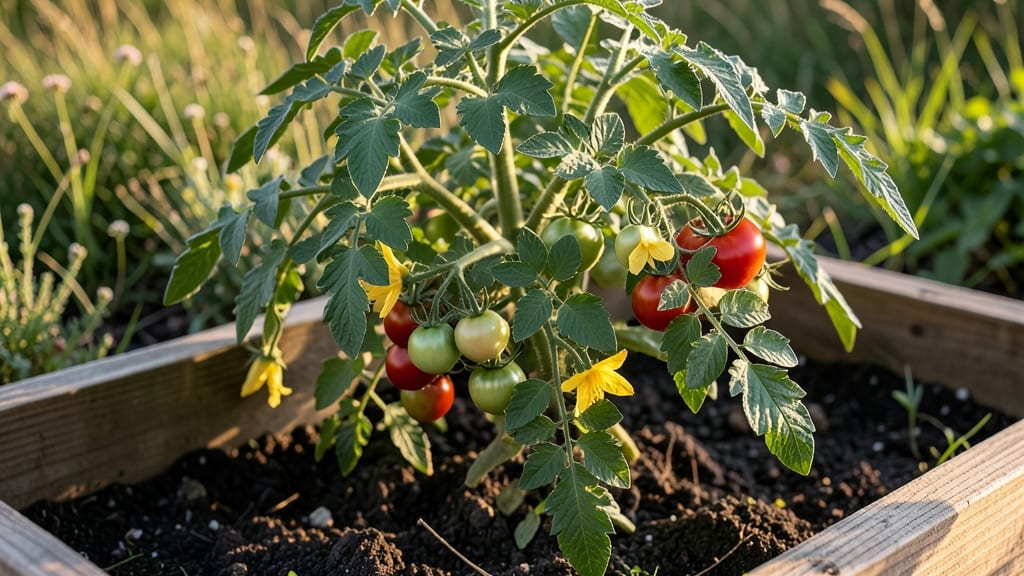
Growing Super Sweet 100 tomato plants means juicy, disease-resistant fruit that keeps producing until frost. 🌱 Last summer, my first harvest had me snipping 20+ tomatoes a day—far more than I could eat—and the flavor was shockingly rich, even for an heirloom.
This variety isn’t just productive; it’s a game-changer for gardeners tired of blight-ravaged plants or bland store-bought tomatoes.
The secret starts with well-draining soil (mix compost into your beds) and full sun (at least 6-8 hours daily). Space plants 24-36 inches apart to prevent crowding, which invites disease.
Water at the base—not overhead—and mulch heavily to keep roots cool. Prune suckers regularly, but leave the first few fruit clusters alone so the plant focuses on early harvests.
By mid-July, you’ll see heavy clusters of 2-inch tomatoes ripening in waves. The taste? A perfect balance of sweetness and tang, with just enough acidity to make them irresistible. Even my neighbor—who swore off gardening after blight ruined her plants—now asks for starts every year.
The key is consistency: water, prune, and feed (balanced fertilizer every 3 weeks) without overdoing it.
Troubleshooting is simple: blight? Remove infected leaves immediately and spray with copper fungicide. pests? Aphids hate strong streams of water, and yellow jackets stay away if you plant basil nearby. With these tricks, you’ll harvest until first frost, and save seeds for next year’s even sweeter crop.
📚 In This Guide
- What you need
- Instructions
- Tips and common mistakes
- Wrapping up and next steps
What you need
- ● Super Sweet 100 Tomato Seeds or Seedlings: 10–12 plants (or 1 packet of seeds, ~50 seeds per packet). Look for disease-resistant varieties labeled VFN (resistant to Verticillium, Fusarium, and Nematodes).
- ● Containers or Garden Space: For containers: 5-gallon pots or larger (at least 12–18 inches deep) with drainage holes. 10–12 pots for 10–12 plants.
- ● For in-ground planting: Full sun (6–8+ hours/day) and well-draining soil with a pH of 6.0–6.8.
- ● High-Quality Potting Mix: 10–12 cubic feet (or a sterilized garden soil mix if planting in-ground). Use a blend with compost or aged manure for nutrients.
- ● Slow-Release Fertilizer: Balanced (e.g., 10-10-10 or 5-5-5) or organic options like worm castings or composted cow manure. Apply 1–2 cups per plant at planting.
- ● Tomato Cages or Stakes: 6–8 ft tall cages or sturdy bamboo/stakes (2–3 per plant) to support vines.
- ● Mulch: Straw, grass clippings, or shredded leaves (2–3 inches thick) to retain moisture and suppress weeds.
- ● Watering Can or Drip Irrigation: With a fine rose nozzle to avoid disturbing soil.
- ● Garden Trowel or Transplant Spade for digging holes (6–8 inches deep).
- ● Pruning Shears for trimming suckers and dead leaves.
- ○ Gloves (optional but recommended for handling soil and plants).
- ○ pH Test Kit (optional but helpful for adjusting soil pH).
- ● Spray Bottle with Water (for misting seedlings).
- ● Last Frost Date: Wait until after the last frost in your area (use a frost calendar for guidance).
- ● Sunlight Access: Ensure your plants get full sun (6+ hours daily).
- ● Water Source: Ready access to water for consistent moisture (tomatoes hate drying out!).
- ● Patience: Super Sweet 100s take 70–85 days to mature—plan ahead!
- ○ Start Indoors Early: If sowing seeds, plant them 6–8 weeks before the last frost in seedling trays with heat mats (optional but helpful).
- ● Companion Plants: Consider adding basil, marigolds, or onions nearby to deter pests and improve flavor!
- ● Copper Fungicide: Keep on hand to prevent early blight (a common issue for tomatoes).
Step-by-step guide to growing Super Sweet 100 tomato plants
Here's how I grow this disease-resistant variety for bountiful harvests—no shortcuts, just proven techniques.
🌱 Step 1: Start Seeds Indoors at the Right Time
Begin seeds 6-8 weeks before your last frost date. I use 2-3 inch deep biodegradable pots filled with sterile seed-starting mix—never garden soil, which can harbor pathogens. Plant 2 seeds per pot at ¼ inch deep to ensure at least one strong seedling emerges.
Keep the soil consistently moist but not soggy, using a spray bottle to avoid displacing seeds. Place pots in a warm spot (75-85°F) with a humidity dome or plastic wrap. Germination should occur in 7-10 days. Real talk: if you wait until after frost to plant, your harvest will be delayed by weeks.
💧 Step 2: Provide Optimal Light and Water for Seedlings
The instant seedlings emerge, move them to a 14-16 hour light day using a grow light positioned 2-4 inches above the plants. Without sufficient light, seedlings stretch and become weak. You'll see strong growth when stems are thick and dark green, with leaves spaced closely together.
Water from the bottom by placing pots in ½ inch of water for 10-15 minutes daily. This prevents fungal diseases that thrive on wet foliage. Once seedlings have 2 sets of true leaves, thin to the strongest plant per pot. I always keep a small pair of scissors handy to snip weak stems at soil level—never pull them, which can damage roots.
☀️ Step 3: Harden Off and Transplant After Frost
Two weeks before your last frost date, begin hardening off seedlings by placing them outside in a sheltered spot for 1-2 hours the first day. Gradually increase exposure over 10-14 days, watching for no wilting or leaf scorch. Super Sweet 100 tomatoes handle transplant shock better than most varieties, but I still move them on an overcast afternoon to reduce stress.
Transplant into the garden when soil temperatures reach 60°F and nighttime temps stay above 50°F. Bury stems ⅔ of the way up to encourage strong root growth. Space plants 24-36 inches apart in rows 3 feet apart—crowding invites disease and reduces airflow.
🌿 Step 4: Support and Prune for Maximum Yield
Install sturdy cages or stakes immediately after transplanting—waiting until vines are heavy with fruit leads to broken stems. I use 6-foot tall tomato cages for Super Sweet 100 because they support the plant's vigorous growth without restricting airflow. Prune suckers (the shoots that grow in the leaf axils) regularly to direct energy to fruit production.
Remove lower leaves that touch the soil to prevent disease. You'll know you're doing it right when the plant focuses energy on upward growth and fruit development rather than leafy foliage. Mulch around the base with 2-3 inches of straw or grass clippings to retain moisture and suppress weeds.
✂️ Step 5: Harvest at Peak Ripeness for Best Flavor
Harvest tomatoes when they're fully colored and slightly soft to the touch. Super Sweet 100s ripen 75-80 days after transplanting, but watch for color changes rather than relying on timing. I pick fruit in the morning when temperatures are cooler to preserve quality.
Remove only fully ripe tomatoes—leaving some on the vine encourages more production. Store harvested tomatoes at 55-65°F and avoid refrigerating until fully ripe, as cold temperatures damage their texture. You'll know you've succeeded when your plants keep producing heavy clusters of sweet, flavorful fruit until frost.
Tips & tricks for perfect Super Sweet 100 tomato growth
These practical insights will help you maximize your harvest and avoid common pitfalls with this reliable variety.
Seed Starting Precision: The 6-8 week timing before last frost is critical—use a frost date calculator for your region to nail this window. I plant mine in early March for a mid-May transplant in my zone 6 garden. For extra insurance, keep a backup set of seeds in case of germination failures. Remember, Super Sweet 100s thrive on consistency, so don't rush this early stage.
Lighting Strategy: That 14-16 hour light day is non-negotiable for strong seedlings. If using fluorescent grow lights, position them just 2-3 inches above the plants—they'll stretch toward the light if you go higher. I've found LED grow lights are more efficient, using about 30% less energy for the same results. Watch for leggy seedlings (long stems with small leaves) as your first sign of insufficient light.
Transplanting Technique: Burying stems ⅔ deep during transplanting creates a stronger root system. The plant will develop additional roots along the buried stem, giving you a more vigorous plant. I always water thoroughly before transplanting to reduce shock, then mulch immediately to lock in moisture. This variety handles transplanting better than most, but don't skimp on this step—it's where you set up success.
Pruning Payoff: Regular sucker removal might seem tedious, but it's the secret to those heavy clusters of sweet fruit. I prune suckers weekly once the plant reaches about 18 inches tall. The goal is to maintain an open center that allows airflow—this disease-resistant variety still needs good circulation to prevent fungal issues. You'll notice fruit sets more consistently when you keep the plant focused on upward growth rather than bushy foliage.
Pro Tips for Super Sweet 100 Tomato Plants
- These practical insights will help you maximize your harvest and avoid common pitfalls with this reliable variety.
- Seed Starting Precision: The 6-8 week timing before last frost is critical—use a frost date calculator for your region to nail this window.
- Lighting Strategy: That 14-16 hour light day is non-negotiable for strong seedlings.
Frequently asked questions
How long does it take for Super Sweet 100 tomatoes to produce fruit?
The Super Sweet 100 variety is a determinate tomato, meaning it produces a heavy crop all at once—typically 60–80 days after transplanting. With proper care (sunlight, water, and fertilizer), you can expect ripe, juicy tomatoes by mid-to-late summer in most climates. Pro tip: Prune suckers early to redirect energy to fruit production!
Can Super Sweet 100 tomatoes survive frost?
Nope! These tomatoes are not frost-tolerant. They thrive in warm weather (70–85°F) and will bolt or rot if temperatures dip below 50°F. If frost is forecasted, harvest all ripe tomatoes and bring them indoors. For extended cold snaps, use row covers or grow them in containers for mobility. Pro tip: Start seeds indoors 6–8 weeks before your last frost date!
What’s the best way to maximize yield from Super Sweet 100 plants?
To get the heaviest harvest, focus on these key strategies:
- Support them: Use cages or stakes to prevent sprawling and disease.
- Water wisely: Deep water 1–2 inches per week (avoid wetting leaves to prevent blight).
- Fertilize: Use a balanced 10-10-10 or tomato-specific fertilizer when flowers appear.
- Prune: Remove suckers (side shoots) to improve airflow and fruit size.
Are Super Sweet 100 tomatoes resistant to common pests?
While Super Sweet 100 has disease resistance (VFN) to verticillium/wilt, fusarium, and nematodes, pests like hornworms, aphids, and whiteflies can still be an issue. Preventative tips:
- Use row covers early in the season.
- Handpick pests or introduce beneficial insects (like ladybugs).
- Apply neem oil as a natural deterrent.
Can I grow Super Sweet 100 tomatoes in containers? If so, what size pot?
These tomatoes do well in containers, especially since they’re bushy and compact. Use a pot at least 12–18 inches deep and wide with drainage holes. Add a high-quality potting mix and fertilize regularly. Pro tip: Place pots in a sunny spot (6+ hours of light) and rotate them weekly for even growth!
Wrapping up and next steps
Growing Super Sweet 100 tomato plants is a rewarding journey that brings flavor-packed harvests straight to your table—while keeping pests and diseases at bay! 🌱 With the right companion plants, soil prep, and care, you’ll enjoy a bountiful, delicious yield that rivals store-bought (but tastes so much better).
Ready to dive in? Start by planting your seeds or seedlings this season and watch your garden thrive. Need a little extra guidance? Check out our companion planting guide or join a local gardening community for tips and tricks from fellow green thumbs. Happy growing! 🌿