
Size
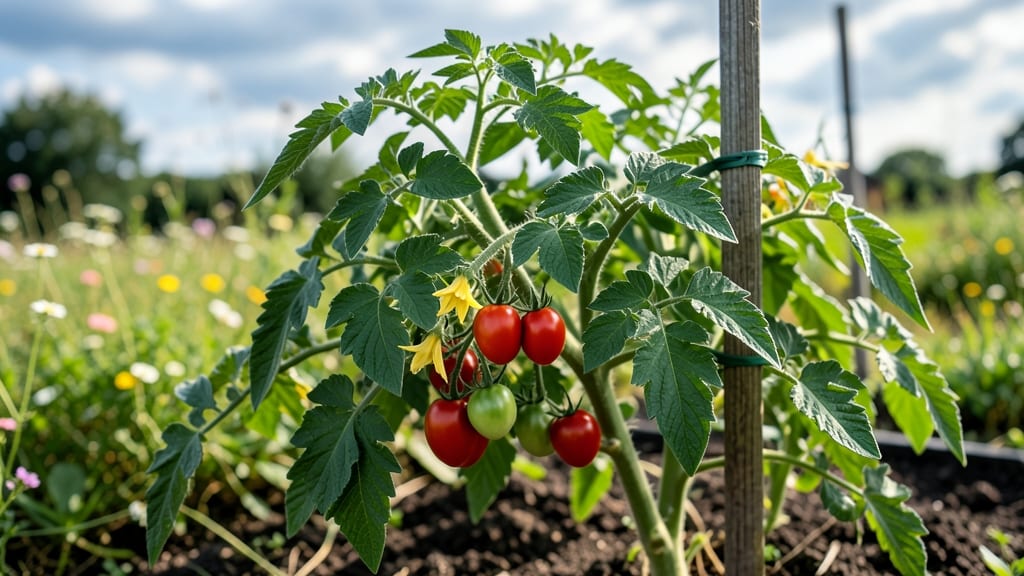
Those tall tomato plants reaching 10 feet aren’t just possible—they’re the secret behind my neighbor-jealousy-level harvests. 🌱 These towering plants keep producing all season long, but they demand the right support, pruning, and care to avoid collapse under their own weight. The difference between a thriving vine and a tangled mess comes down to three key practices: choosing the right varieties, setting up sturdy support early, and maintaining consistent care throughout the growing season.
First, you’ll need strong support structures—think 6-foot cages, wooden stakes, or trellises—installed before the plants get too heavy. I’ve tried everything from flimsy plastic cages to heavy-duty bamboo stakes, and the bamboo lasts longer without bending.
Alongside that, pruning isn’t optional—it’s what keeps the plant focused on producing fruit instead of sprawling. Pinch off suckers (those little shoots in the leaf axils) regularly, and you’ll see thicker stems and more flowers. The goal is to train the plant to grow vertically, not horizontally.
Watering and fertilizing tall tomato plants requires a different approach than their bushier cousins. Deep, consistent watering—about 1-2 gallons per plant per week—prevents the vines from splitting under their own weight. And fertilizing?
Too much nitrogen leads to leafy growth at the expense of fruit, so switch to a balanced 10-10-10 or tomato-specific fertilizer once flowers appear. With the right care, these giants can keep producing until frost, giving you tomatoes well into fall.
Here’s the thing—tall tomato plants aren’t just about height. They’re about yield, resilience, and the satisfaction of growing something most gardeners avoid because it seems too challenging.
The key is staying ahead of the game: prune early, reinforce supports before the vines get too heavy, and don’t skip the mulch to keep roots cool. Once you master these, you’ll wonder why you ever grew anything else.
📚 In This Guide
- What you need
- Instructions
- Tips and common mistakes
- Wrapping up and next steps
What you need
- ● Indeterminate tomato seeds or seedlings: Choose cold-hardy, disease-resistant varieties like ‘Sungold,’ ‘Cherokee Purple,’ or ‘Brandywine.’ (1–2 plants per cage or trellis.)
- ● Heavy-duty tomato cages or trellis: Option 1: 6–8 ft tall metal or wooden cages (5–6 ft diameter, sturdy enough to hold 15+ lbs of fruit).
- ● Option 2: PVC or wooden trellis (2x4 posts, 10 ft tall, with horizontal crossbars every 12–18 inches).
- ● High-quality potting mix: 10–15 gallons of well-draining, organic soil (e.g., 60% potting soil + 40% compost).
- ● Fertilizer: Balanced 10-10-10 or 5-10-10 fertilizer (1 tbsp per plant at transplanting).
- ● Slow-release tomato-specific granules (follow package rates).
- ● Pruning shears: Sharp, bypass pruners (sterilized with rubbing alcohol).
- ● Support ties: 3–4 ft long soft plant ties or old T-shirts (avoid wire—it can damage vines!).
- ● Mulch: 2–3 inches of straw or shredded leaves to retain moisture and suppress weeds.
- ● Drip irrigation system: Automates watering and saves time (especially for 10-ft vines!).
- ● Mycorrhizal fungi: Boosts root health (mix 1 tsp into planting hole).
- ● Shade cloth: 30–50% coverage for hot climates (prevents sunscald).
- ● Copper tape: Wrap around cages to deter hornworms (natural pest control!).
- ● Garden journal: Track pruning, watering, and fruit sets for future reference.
Step-by-Step guide to growing indeterminate tomato vines to 10 feet
Mastering these towering plants means strong support, smart pruning, and consistent care.
☀️ Step 1: Choose the Right Location and Support System
Indeterminate tomatoes need full sun (8+ hours daily) and a sturdy support system to handle their weight. I always select a south-facing spot with no afternoon shade—even partial shade reduces fruit production. The 10-foot height means you'll need a heavy-duty trellis or stake system (at least 3-inch diameter stakes or a 5-foot-tall cage with vertical extensions).
Drive stakes 18-24 inches deep into the soil before planting to prevent toppling. For cages, anchor them with 2-foot-long rebar stakes at each corner and tie the cage to them with soft plant ties. The key is stability—watch for leaning after the first 3-foot growth spurt and adjust immediately. You'll see the plant naturally grow toward the support as it matures.
🌱 Step 2: Plant Deeply and Prune for Strength
Dig a hole twice as deep as the root ball and bury ⅔ of the stem—this encourages strong root development along the buried portion. Remove any lower leaves that will end up below soil level. I like to pinch off suckers (the small shoots in the leaf axils) when they're 1-2 inches long to direct energy upward. This isn't optional—skipping pruning leads to weak, sprawling vines that break under their own weight.
Focus pruning on the main stem and first few branches. Remove any leaves that touch the ground or lower branches that would shade the fruit. You'll want to maintain 3-4 main stems with 12-18 inches between leaves—this improves airflow and sunlight penetration. The goal is a single, strong central leader with well-spaced branches.
💧 Step 3: Water Deeply and Consistently
Indeterminate tomatoes need 1-2 inches of water weekly, delivered at the base to avoid wetting leaves (which spreads disease). I water deeply every 2-3 days until the top 2 inches of soil feel dry. Use a soaker hose or drip irrigation to keep moisture even—surface watering causes uneven growth and splits in the fruit. You'll notice the plant wilting slightly in the afternoon if it's thirsty, but recover by evening with proper watering.
Mulch heavily with 3-4 inches of straw or shredded leaves to retain moisture and prevent soil-borne diseases. Avoid wet mulch—it should feel dry on top but keep roots consistently damp. The deeper roots you develop, the more drought-resistant your plant becomes. I always check soil moisture by hand rather than relying on schedules—your thumb knows best.
✂️ Step 4: Prune and Train Weekly for Maximum Height
Every 7-10 days, inspect the plant for new suckers and remove them immediately. Use your fingers or small pruners—never tear growth. I also trim any branches that grow inward or cross each other, as these create shaded areas where disease thrives. The plant should look like an open umbrella with branches spreading outward. You'll see the main stem grow 12-18 inches per week in ideal conditions—this is when you'll need to tie new growth to the support.
When the plant reaches 6 feet, switch to soft plant ties (not wire) to avoid damaging the stem. Tie at 12-inch intervals along the main stem, securing gently but firmly. The plant will continue growing upward until frost—don't remove the top growth unless you want to limit height. The more you prune, the more fruit you'll produce at the top of the plant.
🌿 Step 5: Fertilize and Monitor for Pests/Diseases
Feed with a balanced fertilizer (10-10-10) every 3-4 weeks starting when flowers appear. I mix it into the soil at the base rather than foliar feeding to avoid leaf burn. Watch for signs of nutrient deficiency—yellowing lower leaves indicate nitrogen needs, while purple stems mean phosphorus is lacking. You'll also see new growth slow if the plant isn't getting enough nutrients, so adjust accordingly.
Inspect leaves weekly for early signs of blight, aphids, or hornworms. Remove affected leaves immediately and dispose of them in the trash (not compost). I use neem oil for prevention and handpick larger pests. The taller the plant, the more vulnerable it becomes to pests—this is why airflow from proper pruning is critical. A healthy 10-foot vine should have minimal leaf damage and produce fruit all the way up the stem.
Tips & tricks for growing towering indeterminate tomato vines
Between us, these 10-foot giants are worth the extra effort—but only if you nail the details.
Support System Stability: The moment your vine hits that 3-foot growth spurt in Step 1, check for any wobble. I've seen stakes pull loose when they're only 18 inches deep—drive them 24 inches deep into firm soil for true stability. For cages, use 2-foot rebar stakes at each corner and tie them to the cage with soft plant ties (not wire). The goal is zero movement—even slight sway can snap the stem when it's fully loaded with fruit. I always test stability by gently pushing the support after the first heavy rain.
Pruning Precision: When you're removing those 1-2 inch suckers in Step 2, don't just yank them—pinch them off cleanly just above the leaf axil. I learned this the hard way after leaving stubs that became entry points for disease. For the 12-18 inch spacing between leaves, use a ruler to measure from the base of each leaf to the next—this consistency prevents overcrowding. The first time I skipped this, my plant developed blight in the shaded areas between branches.
Watering Wisdom: That 1-2 inches weekly guideline in Step 3 is your baseline, but adjust for your soil type. Sandy soil drains faster, so you might need to water every 2 days instead of every 3 days. The key is the top 2 inches of soil feeling dry—stick your finger in to check. I've had plants split their fruit when I watered too heavily after a dry spell, so always water deeply at the base rather than sprinkling. Mulching with 3-4 inches of straw helps maintain even moisture, but keep it dry on top to prevent fungal issues.
Tie-Up Timing: When your plant reaches 6 feet in Step 4, switch immediately to soft plant ties—wire will cut into the stem as it thickens. Tie at 12-inch intervals along the main stem, but don't cinch too tight. The vine should be able to grow through the tie without resistance. I've seen growers wait until the plant is already leaning, which causes permanent damage. The 12-18 inches per week growth rate means you'll need to add new ties every 7-10 days—set a reminder before you forget!
Pro Tips for Tall Tomato Plants
- Between us, these 10-foot giants are worth the extra effort—but only if you nail the details.
- Support System Stability: The moment your vine hits that 3-foot growth spurt in Step 1, check for any wobble.
- Pruning Precision: When you're removing those 1-2 inch suckers in Step 2, don't just yank them—pinch them off cleanly just above the leaf axil.
Frequently asked questions
Got questions about growing those sky-high tomato vines? You’re not alone—tall tomato plants come with their own set of quirks! Here are answers to the most common questions to help you master your 10-foot giants with confidence.
Why do some tomato plants grow so tall?
Tall, indeterminate tomato varieties keep growing as long as conditions are right. Unlike bush varieties, they don’t set a height limit—they’ll climb until frost or disease stops them. This trait makes them perfect for trellises or cages, but it also means they need consistent support, pruning, and care to thrive.
When should I start pruning tall tomato plants?
Begin pruning once your plants hit 12–18 inches tall, focusing on removing suckers (the small shoots in the leaf axils). Prune in the morning on dry days to reduce disease risk. For indeterminate varieties, keep pruning throughout the season to encourage airflow and fruit production—just avoid over-pruning, or you’ll sacrifice yield!
What do I do if my tall tomato plant falls over?
If your plant topples, don’t panic! Gently reposition it and secure it to the trellis or stake with soft ties (like old T-shirts or pantyhose). Avoid tight knots that can damage the stem. If the base is weak, add a sturdy cage or additional stakes for support. With proper care, your plant will recover and keep growing upward.
Can tall tomato plants survive winter?
Nope—not in most climates! Indeterminate tomatoes are annuals, meaning they die back with frost. However, you can extend their life by harvesting early or using row covers to delay cold snaps. In warm zones, some gardeners grow them year-round, but most will need replanting each spring. Save seeds or propagate cuttings if you’re hooked on your favorite variety!
Are there shorter alternatives to tall tomato plants?
If 10-foot vines feel overwhelming, try semi-determinate varieties (like ‘Mountain Merit’ or ‘Better Boy’) that grow 4–6 feet tall. For compact options, bush tomatoes (e.g., ‘Roma’ or ‘Patio’) stay under 3 feet and need minimal support. Just remember: taller varieties often produce more fruit over a longer season!
Wrapping up and next steps
Growing tall tomato plants like indeterminate varieties is a rewarding challenge that yields bountiful harvests—if you embrace the right techniques! With sturdy supports, proper pruning, and consistent care, your 10-foot vines can thrive and produce delicious tomatoes all season long. 🌱
Now that you’re armed with the knowledge, roll up your sleeves and get planting! Start with healthy seedlings, monitor growth closely, and enjoy the process. Before you know it, you’ll be savoring homegrown tomatoes straight from your towering garden stars. Happy gardening! 🍅✨