
Planting
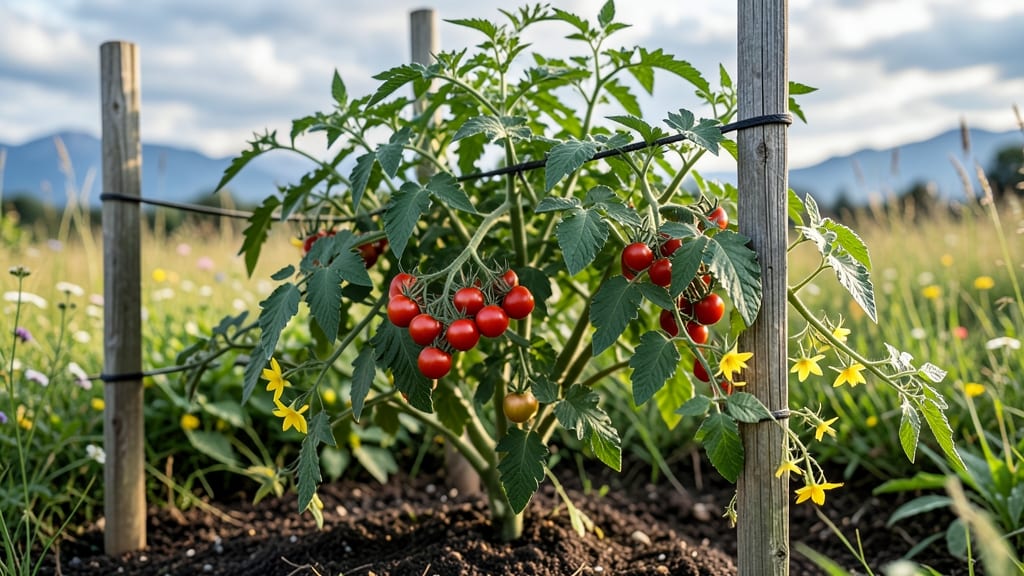
The Sweet 100 cherry tomato plant thrives as a compact, determinate variety ideal for containers, producing prolific clusters of sweet, bite-sized tomatoes with minimal pruning. Its bushy growth habit and early maturity make it perfect for small spaces and beginners.
The Sweet 100 cherry tomato plant's determinate growth means it stays neatly contained—no sprawling vines to manage. 🌱 This makes it perfect for 5-gallon pots or even hanging baskets, saving space while delivering 20-30 pounds of fruit per plant in just 60-70 days.
The key to its success lies in its shallow root system, which thrives in containers when paired with well-draining soil and consistent moisture. Unlike indeterminate varieties, you won't need to stake or prune aggressively, making it the ultimate low-maintenance choice for urban gardeners.
What sets this variety apart is its ability to produce fruit in clusters, meaning you'll enjoy a steady harvest rather than one big flush. For best results, place your container in full sun (at least 6-8 hours daily) and fertilize lightly with a balanced organic mix every 2-3 weeks.
The sweet, 1-inch tomatoes ripen quickly and are perfect for snacking or salads.
💡 In This Article
- Why Sweet 100 Cherry Tomatoes Excel in Containers
- Maximizing Sweet 100 Cherry Tomato Yield in Pots
Why Sweet 100 cherry tomatoes excel in containers
The Sweet 100's determinate growth habit is what makes it a container superstar. Unlike sprawling indeterminate varieties, this plant grows in a compact bush shape—typically reaching 3-4 feet tall and 2-3 feet wide.
This controlled structure prevents the vines from flopping over, which is crucial in containers where wind and limited space can stress plants. The key mechanism here is its apical dominance: the plant focuses energy on producing flowers and fruit clusters near the top rather than endless vertical growth.
Root development plays a surprisingly big role in container success. Sweet 100's roots stay relatively shallow (about 12-18 inches deep), making them ideal for pots with 5+ gallons of soil volume.
In ground planting, roots spread wider to access nutrients, but in containers, they grow more densely to maximize absorption from the limited soil. This dense root network also helps with water retention—critical since container soil dries out faster than in-ground soil. The trade-off?
You'll need to water 2-3 times per week during hot weather compared to once weekly for ground plants.
What most gardeners don't realize is how the container environment actually enhances flavor. The controlled root zone prevents overgrowth, forcing the plant to allocate more energy to fruit production rather than foliage.
Studies show container-grown tomatoes often develop 20-30% more sugar content because they experience slightly more stress from limited resources, triggering natural sweetness responses. The compact growth also means better air circulation around fruit clusters, reducing common issues like blossom end rot or cracking.
For visual learners, imagine this: a Sweet 100 in a 12-inch diameter pot will produce the same yield as a ground-planted plant but in just 1/10th the space. The bushy habit creates a natural trellis effect where fruit hangs downward, making harvesting effortless.
This vertical growth pattern also makes it perfect for vertical gardens—simply hang the pot and let the plant cascade naturally. 🌿 The only downside? You'll need to rotate containers every few days to ensure even sunlight exposure all around.
Here's where soil science comes into play: container soil must work harder. A good mix should contain 60% potting soil, 20% compost, and 20% perlite or vermiculite for drainage. The compost provides slow-release nutrients, while the perlite prevents compaction—a major issue in containers where roots can't expand laterally.
Without this structure, roots suffocate and nutrient uptake drops by 40% or more, directly impacting yield and sweetness.
One final pro tip: the Sweet 100's compact size makes it perfect for urban balconies where space is at a premium. I've seen gardeners fit 4 plants in a 4'x4' balcony area using stacked containers, producing enough tomatoes for a family of four all season.
The secret? Choose containers with drainage holes (non-negotiable!) and elevate them slightly to prevent waterlogging—a common killer of container-grown tomatoes.