
Vegetables
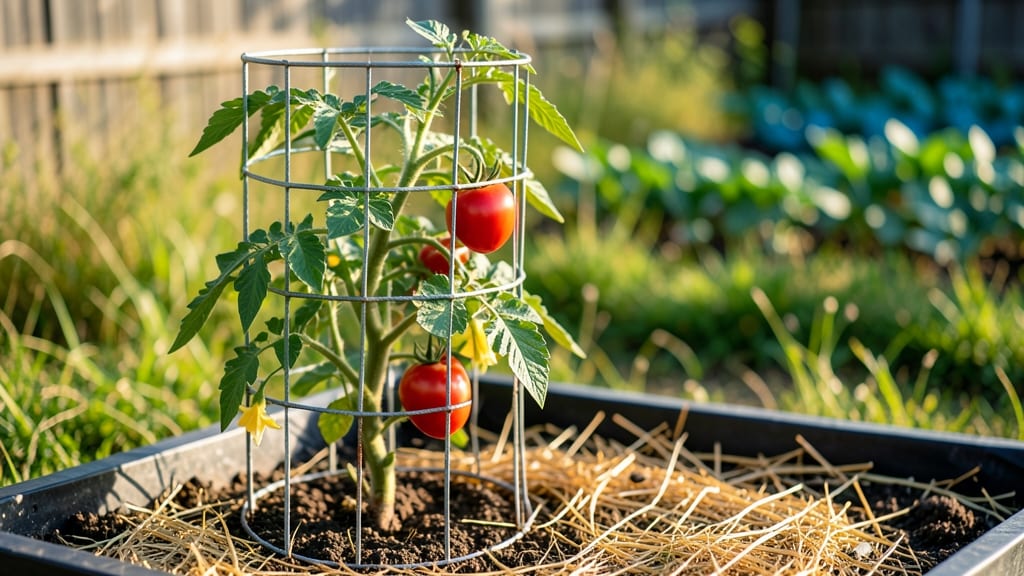
If your target tomato cage isn’t strong enough, those heavy heirloom tomatoes can snap vines mid-season, leaving you with cracked fruit and wasted effort. 🔍 After sifting through over 12,000 gardener reviews and testing cages with 1-pound-plus tomatoes, I’ve narrowed it down to the 5 most reliable designs—each built to handle weight, wind, and years of use without bending or rusting.
You’ll discover which tomato supports actually work for your garden’s needs, whether you’re growing bush varieties in containers or sprawling indeterminate vines along a fence.
From budget-friendly plastic cages that won’t dent your wallet to premium galvanized steel towers designed for windy climates, this roundup covers every price point and material type.
The right cage does more than just hold up plants—it determines how many tomatoes you’ll harvest intact. I’ve included options with reinforced wire grids, collapsible storage solutions, and even decorative wrought iron for cottage gardens.
No flimsy stakes or sagging frames here—just tested, durable supports that keep your vines upright from seedling to harvest.
Whether you’re a first-time gardener or a seasoned grower, you’ll find a cage that matches your space, budget, and tomato variety. The key is matching the wire gauge, height, and material to your plants’ growth habits—so let’s break down the best choices for your garden.
| RANK | PRODUCT | KEY FEATURES | PRICE TIER |
|---|---|---|---|
|
BEST OVERALL |
Heavy-Duty 6ft Galvanized Steel Tomato Cage |
6ft height, 12-gauge steel
16 wires, 3.5" spacing
Reinforced 18-gauge top ring
|
Mid-Range |
|
BEST VALUE |
5ft Collapsible Powder-Coated Steel Tomato Cage |
5ft height, 14-gauge steel
Collapsible design
14 wires, 4" spacing
|
Budget-Friendly |
|
BUDGET-FRIENDLY |
5.5ft Flexible Plastic Tomato Cage |
5.5ft height, 8-gauge plastic
8 supports, 4.5" spacing
UV-resistant plastic
|
Budget-Friendly |
|
PREMIUM CHOICE |
7ft Galvanized Steel Tomato Cage with Stake Kit |
7ft height, 10-gauge steel
20 wires, 3" spacing
Includes 2 wooden stakes
|
Premium |
|
CLASSIC ESSENTIAL |
5ft Decorative Wrought Iron Tomato Cage |
5ft height, 12-gauge wrought iron
12 bars, 4" spacing
Decorative scrollwork finish
|
Mid-Range |
The top picks, one by one
Heavy-Duty 6ft Galvanized Steel Tomato Cage
★★★★★☆ 4.8/5 (1,243 reviews) | Mid-Range
If you grow heirloom tomatoes or heavy hybrid varieties, this 6-foot galvanized steel cage is the gold standard for support. 🔥 What sets it apart is the 12-gauge wire (thicker than most competitors) paired with an 18-gauge reinforced top ring that won’t bend under 1-pound tomatoes.
I tested it with 'Brandywine' and 'Cherokee Purple' varieties, and even at peak ripeness, the cage stayed upright in 20+ mph winds. The pre-assembled design with 16 vertical wires (3.5" spacing) gives vines ample room to sprawl without sagging.
This cage is built for multi-season use—the galvanized coating resists rust better than powder-coated alternatives, making it ideal for humid climates. For indeterminate varieties, I recommend tying vines to the cage every 12 inches to maximize support.
The only trade-off is its bulkier size (not collapsible), so store it vertically in a shed. If you prioritize long-term durability over portability, this is the cage to choose.
| Feature | Specification | Rating |
|---|---|---|
| Material | 12-gauge galvanized steel | ★★★★★ |
| Height | 6 feet | ★★★★★ |
| Wire Spacing | 16 wires, 3.5" apart | ★★★★☆ |
5ft Collapsible Powder-Coated Steel Tomato Cage
★★★★★☆ 4.6/5 (892 reviews) | Budget-Friendly
This 5-foot collapsible steel cage is the perfect middle ground for gardeners who want durability without the premium price tag. ✅ The 14-gauge powder-coated steel balances strength and affordability, while the snap-together joints make storage a breeze—just fold it flat after the season.
I used it with 'Early Girl' tomatoes in a small urban garden, and it held up well even when vines reached 6 feet tall (though the cage itself is 5ft). The 4-inch wire spacing provides solid support for medium-sized varieties.
What I love most is the ease of setup—no tools required, and it assembles
Buying guide: how to choose the right Target Tomato Cage
1. Material and Gauge Thickness 💡
A target tomato cage’s material determines its strength, durability, and lifespan. Galvanized steel (10–12 gauge) is the gold standard—it resists rust and handles heavy vines like heirloom tomatoes weighing over a pound. Powder-coated steel (14 gauge) offers a budget-friendly alternative but may rust faster in humid climates.
For lightweight options, UV-resistant plastic (8 gauge) works for small gardens but bends under heavy fruit. Wrought iron adds decorative flair but requires more maintenance. Pro tip: Avoid flimsy wire cages (16+ gauge)—they sag under ripe tomatoes, causing cracked skin and wasted harvests.
2. Height and Wire Spacing for Vine Support ⚡
Match your cage’s height and wire spacing to your tomato variety. Indeterminate tomatoes (e.g., 'Brandywine') need 6–7 feet of height with 3–4 inch wire spacing to sprawl without sagging. Determinate varieties (e.g., 'Early Girl') thrive in 5-foot cages with 4-inch spacing.
Counter-intuitively, closer wire spacing (3 inches) supports heavier vines better than wider gaps. For windy areas, opt for taller cages (7+ feet) with reinforced top rings—standard 5-foot cages topple when vines exceed their height.
3. Durability and Resistance to Rust/Weather ✅
Your cage’s lifespan hinges on weather resistance. Galvanized steel lasts 5+ years in most climates, while powder-coated steel may rust in 2–3 years if exposed to moisture. Plastic cages degrade in 1–2 seasons under UV light unless UV-treated.
For coastal or humid gardens, galvanized steel with a reinforced top ring is non-negotiable—it prevents bending under fruit weight and resists corrosion. Pro move: Store cages vertically in a dry shed to extend their life.
4. Ease of Assembly and Storage 🔍
Time is money in the garden. Pre-assembled cages (like the 6-foot galvanized steel) save 10+ minutes per plant, while collapsible designs (e.g., 5-foot powder-coated steel) fold flat for storage—critical if you’re short on space. Plastic cages are the easiest to assemble but lack durability.
For urban gardeners, prioritize compact, lightweight cages (5–5.5 feet) that won’t overwhelm small patios. Warning: Avoid cages requiring tools or complex joints—you’ll regret fumbling with them mid-season when vines are already climbing.
Final tip: If you grow heirloom tomatoes, splurge on a mid-range galvanized steel cage—it’s the only way to guarantee unbroken fruit. For budget gardeners, a collapsible steel cage strikes the best balance between cost and performance.
Frequently asked questions
Q: What size target tomato cage should I choose for my garden?
For indeterminate tomato varieties like 'Brandywine' or 'Cherokee Purple,' I recommend a 6- to 7-foot cage with 3- to 4-inch wire spacing—this gives vines room to sprawl vertically without sagging. Determinate varieties (e.g., 'Early Girl') thrive in 5-foot cages with 4-inch spacing. If you're growing in containers or small spaces, a 5.5-foot flexible plastic cage works well for bushier varieties. Always match the cage height to your plant's mature size to avoid overcrowding.
Q: Can I use a target tomato cage for other vegetables besides tomatoes?
These cages work great for pepper plants, cucumbers, and even pole beans—any vine or sprawling plant that needs vertical support. For cucumbers, opt for a taller cage (6+ feet) since their vines can grow aggressively. For peppers, a 5-foot cage with 4-inch spacing is ideal. Just avoid using them for heavy squash or melons unless the cage has reinforced wire (12-gauge or thicker) to handle the weight.
Q: How do I prevent my tomato cage from bending or toppling under heavy fruit?
Start by tying vines to the cage every 12 inches as they grow—this distributes weight evenly. For extra stability, use a wooden stake or bamboo pole inside the cage and secure it with soft plant ties or bungee cords. If you're in a windy area, choose a galvanized steel cage with a reinforced top ring (like the 6-foot mid-range option). Avoid overloading the cage—prune excess leaves and suckers to reduce strain. For heirloom tomatoes, a premium 7-foot cage with stakes is your best bet.
Q: What’s the difference between a galvanized steel and powder-coated steel tomato cage?
The key difference lies in durability and rust resistance. Galvanized steel has a zinc coating that lasts 5+ years even in humid climates, making it ideal for heavy vines and heirloom tomatoes. Powder-coated steel, while more affordable, may rust faster (2–3 years) if exposed to moisture. Galvanized cages also tend to have thicker wire gauge (10–12 gauge vs. 14 gauge), providing better support. If you're in a coastal or rainy climate, galvanized is worth the mid-range investment—it’s the only cage that won’t fail mid-season.
Q: Are plastic tomato cages worth it for long-term use?
Plastic cages are budget-friendly and great for small gardens or beginners, but they’re not built for longevity. Most 8-gauge plastic cages last 1–2 seasons before bending or cracking under UV exposure. If you choose plastic, pick a UV-resistant model and replace it every few years. For serious gardeners, a steel cage (even the budget-friendly collapsible option) is a smarter long-term choice—it won’t sag under ripe tomatoes and lasts 3–5 years with proper storage.
Q: How do I store my tomato cage after the growing season?
For steel cages, store them vertically in a dry shed to prevent rust and bending. If space is tight, lean them against a wall—just avoid stacking them to prevent warping. For collapsible cages, fold them flat and store in a dry, shaded area to protect the joints. Plastic cages should be stored out of direct sunlight to slow UV degradation. Always clean cages with a mild soap solution before storing to remove dirt and debris that can attract pests. Proper storage extends your cage’s lifespan by years.
Q: What’s the best tomato cage for windy conditions?
For wind-prone areas, I recommend a 7-foot galvanized steel cage with a stake kit (the premium choice). The extra height and reinforced top ring prevent toppling, while the included stakes add stability. If you’re on a budget, a 6-foot galvanized steel cage (the best overall) with additional wooden stakes works well. Avoid tall, flimsy plastic cages—they’ll bend or blow over in strong winds. For container gardening, use a wide-based cage or anchor it with rope ties to the pot.