
Pests and Diseases
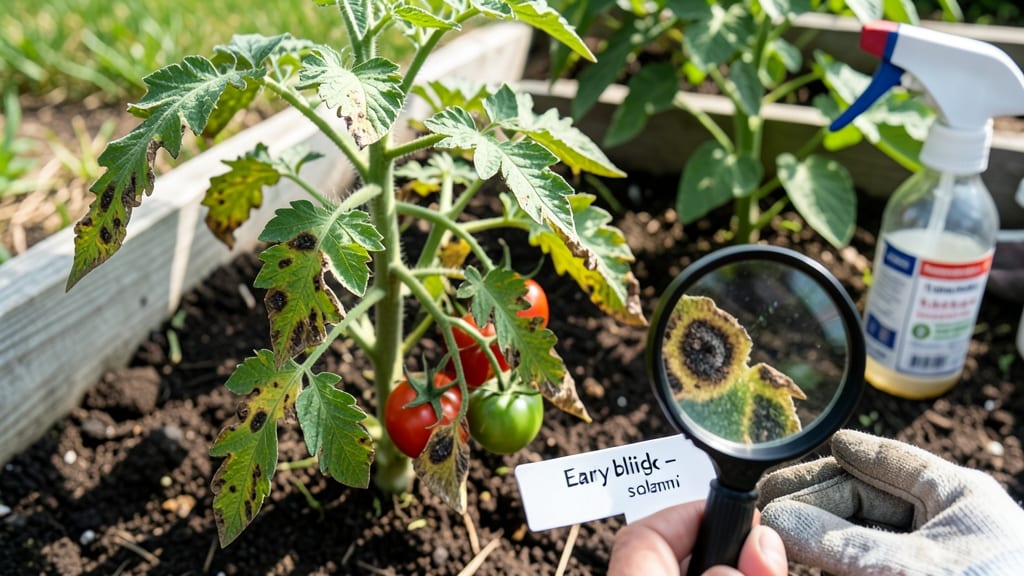
Those tiny black spots on your tomato leaves aren’t just unsightly—they’re a red flag for early blight or another fungal infection that can cripple your harvest if ignored. 🌱 I’ve battled this exact issue three summers in a row, and I’ll show you how to stop it before it spreads to your fruit.
The spots start as small, dark speckles along leaf edges, then grow into larger, greasy-looking patches with concentric rings—classic early blight. Humid mornings and wet foliage create the perfect breeding ground, so proper spacing and airflow are your first line of defense.
Prune lower leaves now to improve circulation and reduce moisture on the plant. Within 7-10 days of treatment, you’ll see new growth pushing out free of spots if you act fast. The key is combining copper fungicide sprays with organic mulch to keep soil dry.
I’ll walk you through the exact steps that saved my plants last season. This works for both backyard gardens and container-grown tomatoes. Let’s get those leaves healthy again before the spots reach the fruit.
Root Causes Behind Leaf Spots
When your tomato plants start showing tiny black spots on leaves, it’s usually a sign of stress from unseen invaders or environmental factors. Understanding the root causes helps you act fast and prevent further damage.
Below, we break down the most common culprits—each with a distinct fingerprint that can help you diagnose the problem accurately.
Fungi are the #1 cause of black spots on tomato leaves, thriving in warm, humid conditions. Here’s how they strike:
- Early Blight (Alternaria solani)
- Key signs: Concentric (target-like) spots with yellow halos, often starting at the plant’s base.
- Why it happens: Overcrowded plants, poor airflow, and wet foliage create the perfect fungal buffet. Hot, dry weather followed by sudden rain is a red flag—fungi love this cycle.
Not all black spots are fungal—some are left by hungry pests that chew, pierce, or excrete waste onto leaves:
- Aphids & Spider Mites
- Why it happens: Drought-stressed plants attract mites, while aphids swarm during warm, dry spells. Weak plants can’t fight back.
Sometimes, the problem isn’t biological—it’s your garden’s conditions:
- Water Stress (Over/Under-Watering)
Need a fast way to narrow it down? Use this table to match symptoms:
| Symptom | Likely Cause | Key Trigger |
|---|---|---|
| Concentric rings with yellow halos | Early blight | Wet foliage + warm weather |
| Greasy, spreading dark spots + white mold | Late blight | Cool nights + humidity |
| Tiny black dots with specks inside | Septoria leaf spot | Overhead watering |
| Black sooty residue on leaves | Sooty mold (from aphids/mites) | Drought stress |
| Irregular chewed spots + frass | Hornworms | Over-fertilized plants |
| Crispy black edges on leaves | Underwatering or chemical burn | Inconsistent watering or fertilizer shock |
💡 Pro Tip: If you’re unsure, snap a photo and compare it to Penn State’s plant disease guide—their side-by-side images are a game-changer for ID!
How to Treat and Prevent Leaf Spots
Now that you’ve identified the culprit behind those pesky tiny black spots on your tomato leaves, it’s time to act! The good news? Most fungal issues like early blight, late blight, or sooty mold are manageable with a mix of preventive care and targeted treatments.
Below, we’ll break down the best solutions based on the most likely causes—plus tips to keep your tomato plants thriving and spot-free.
Early blight is the #1 reason for those stubborn black spots, but you can fight back with these steps:
🔥 Step 1: Prune and Remove Infected Leaves
- 🍳 Cut away any leaves with black or brown spots (at least 6 inches below the affected area).
- 👨🍳 Bag and dispose of them in the trash (not compost)—this stops spores from spreading.
- ⏰ Do this in the morning so leaves have time to dry before evening moisture sets in.
🥘 Step 2: Apply Fungicide (Organic or Chemical)
- 💡 Organic options:
- Copper fungicide (spray every 7–10 days; safe for edibles after drying).
- Neem oil (mix 1 tbsp with 1 quart water + a drop of dish soap; spray leaves thoroughly).
- Baking soda spray (1 tsp baking soda + 1 quart water + a few drops of soap; test on a small leaf first).
- 🔥 Chemical options (if severe):
- Chlorothalonil (follow label instructions for tomato plants).
🌡️ Step 3: Improve Airflow and Spacing
- ✨ Space plants 18–24 inches apart to reduce humidity.
- 🎯 Use stakes or cages to keep leaves off the ground.
- 💨 Avoid overhead watering—water at the base in the morning.
Late blight is more dangerous—it can destroy plants in weeks! Act immediately with these steps:
🔪 Step 1: Destroy All Infected Plants
- 🚨 Remove and burn (or deep-bury) any plants showing signs—do not compost.
- 🌡️ Rotate crops next season (don’t plant tomatoes, potatoes, or peppers in the same spot).
🥗 Step 2: Use a Strong Fungicide
- 💡 Copper-based fungicides (like Copper Soap) work best for organic growers.
- 🔥 Chemical control: Metalaxyl or Propamocarb (follow label rates).
- 🍅 Spray preventatively every 5–7 days if late blight is common in your area.
🎯 Step 3: Prevent Future Outbreaks
- 💡 Plant resistant varieties (e.g., ‘Mountain Merit,’ ‘Defiant PhR’).
- ✨ Mulch heavily (straw or black plastic) to reduce soil splashing.
- 🌡️ Avoid nighttime watering—keep leaves dry.
If your spots are actually sooty mold (black, fuzzy patches), the real problem is sap-sucking pests like aphids or whiteflies. Here’s how to clean it up:
🍳 Step 1: Blast Off Pests
- 🔥 Spray with insecticidal soap (mix 2 tbsp Castile soap + 1 quart water).
- 👨🍳 Introduce beneficial insects (ladybugs, lacewings) to eat pests naturally.
- 🌡️ Use a strong hose spray to knock off aphids (do this in the early morning).
🥘 Step 2: Wipe Down Leaves
- 💡 Mix 1 tbsp mild dish soap + 1 gallon water and gently wipe leaves with a soft cloth.
- ✨ Avoid harsh chemicals—sooty mold goes away once the honeydew-producing pests are gone.
🎯 Step 3: Keep Plants Healthy
- 💪 Fertilize lightly (too much nitrogen attracts pests).
- 🌱 Prune for airflow to prevent future infestations.
An ounce of prevention is worth a pound of cure! Follow these easy habits to keep your tomatoes spot-free:
| Do This | Why It Works |
|---|---|
| Rotate crops | Stops fungal buildup in soil. |
| Solarize soil (cover with plastic for 4–6 weeks in summer) | Kills fungal spores naturally. |
| Use disease-resistant seeds | ‘Celebrity,’ ‘Better Boy,’ or ‘Jet Star’ are great choices. |
| Water at the base | Keeps leaves dry, reducing fungal growth. |
| Clean tools between uses | Disinfect pruners with rubbing alcohol. |
| Remove volunteer tomatoes | Prevents wild plants from spreading disease. |
💡 Pro Tip: If you’re dealing with black spots AND yellowing leaves, it could be tomato mosaic virus—remove infected plants immediately and test soil for aphids (their vectors).
With these steps, your tomato plants will bounce back stronger—and you’ll be enjoying juicy, blemish-free tomatoes in no time! 🍅✨
Frequently asked questions
Why do my tomato leaves have tiny black spots even though I water at the base?
Those spots could still be fungal spores splashing from soil onto lower leaves during watering or rain. Even base watering can kick up infected soil particles. Try spacing plants 18-24 inches apart and using a drip irrigation system to keep foliage dry. If spots appear within 3-5 days of watering, you may have early blight.
Can I still eat tomatoes if the leaves have black spots?
It depends on the cause! If it's early blight (concentric rings), the fruit is usually safe to eat—but remove heavily spotted leaves first. For late blight (greasy spots), destroy the plant immediately as spores can spread to tomatoes. Always wash fruit thoroughly before eating, and check for spots on the stems or blossom ends.
How often should I spray neem oil for prevention?
Apply neem oil every 7-10 days during growing season (spring to fall) for prevention. Mix 1 tablespoon with 1 quart water and add a drop of dish soap as an emulsifier. Spray in the early morning on dry leaves—avoid spraying when flowers are open to protect pollinators. Stop 24 hours before harvest to ensure safety.
Will copper fungicide harm my tomato plants if used too often?
Copper can be used safely up to 6 times per season when applied correctly. Always follow label instructions and avoid spraying when temperatures exceed 90°F or when rain is forecast within 24 hours. For extra protection, alternate with baking soda spray (1 tsp baking soda + 1 quart water) to reduce copper buildup in soil.
What's the fastest way to tell if my spots are fungal vs. pest-related?
Check the leaf undersides: fungal spots often have yellow halos or white mold, while pest-related spots (like sooty mold) appear black and fuzzy. Look for tiny insects or sticky residue (honeydew) on leaves. Fungal spots usually start on lower leaves, while pests attack new growth first. Use a magnifying glass if needed!