
Flowers
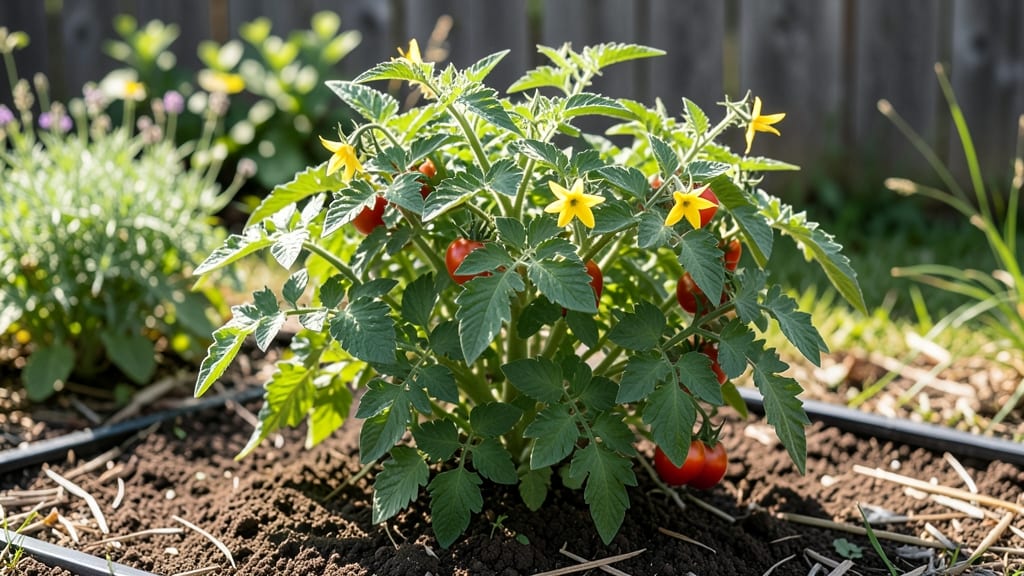
Growing Tiny Tim tomato flowers means you’ll get cherry-sized fruit on a plant that fits in a 5-gallon pot. 🌿 I’ve watched these compact beauties produce hundreds of sweet tomatoes in my tiny balcony garden, proving you don’t need space to grow your own food.
Their bright yellow blooms and prolific fruit make them perfect for both ornamental displays and kitchen use—though the flavor is the real star. The secret to their success? Balanced care—they thrive in full sun (6+ hours daily), well-draining soil, and consistent moisture.
Overwatering or poor drainage is their downfall, so containers with drainage holes are a must. Feed them lightly with tomato fertilizer every 2-3 weeks once flowers appear, and watch those clusters of fruit grow.
By midsummer, you’ll have vibrant red cherry tomatoes dripping from your plant, ready to snack on fresh or add to salads. The flowers themselves are a cheerful bonus, attracting pollinators while adding color to your garden. Just be ready for the harvest flood—these plants don’t hold back!
They’re disease-resistant but still need airflow, so prune suckers early and stake if needed. Whether you’re growing in pots, hanging baskets, or small garden beds, Tiny Tim delivers big rewards in tiny packages. Let’s get those seeds planted!
📚 In This Guide
- What you need
- Instructions
- Tips and common mistakes
- Wrapping up and next steps
What you need
- ● Tiny Tim tomato seeds or seedlings: 1–3 plants (depending on container size or garden space). Choose disease-resistant varieties if possible!
- ● Containers or garden bed: For containers: 5-gallon pots or larger (minimum 12" deep) with drainage holes. Pro tip: Use fabric grow bags for better aeration!
- ● For ground planting: Well-draining soil in a sunny spot (6+ hours of light daily).
- ● High-quality potting mix: 1 bag (look for a blend with compost or organic matter). Avoid garden soil—it can compact and suffocate roots!
- ● Slow-release fertilizer: 1–2 cups (10-10-10 NPK ratio) mixed into the soil at planting time.
- ● Tomato cages or stakes: 1–2 (3–4 ft tall) to support the compact plants as they grow.
- ● Hand trowel or small shovel for planting.
- ● Watering can or hose with a gentle spray nozzle (avoid overhead watering to prevent disease).
- ● Mulch (straw or shredded leaves) to retain moisture and suppress weeds.
- ○ Pruning shears for trimming suckers (optional but helpful for bushier growth).
- ● Epsom salt (magnesium sulfate) (1 tbsp per plant monthly) for extra blooms and flavor.
- ● Insecticidal soap or neem oil (preventative measure for pests like aphids).
Step-by-Step instructions for growing Tiny Tim tomato flowers
This compact variety thrives in containers—here’s how to coax vibrant blooms from tiny plants.
🌱 Step 1: Start Seeds Indoors 6-8 Weeks Before Last Frost
Fill small seed trays with sterile seed-starting mix and plant 2-3 seeds per cell at a depth of ¼ inch. Tiny Tim germinates best in warm soil—place trays on a heat mat set to 75-80°F. Keep the soil consistently moist but never soggy, as excessive moisture invites damping-off.
Cover the tray with plastic wrap or a humidity dome to retain warmth and moisture. You’ll see sprouts in 7-14 days. Once they emerge, remove the cover immediately to prevent fungal growth. Thin seedlings to the strongest one per cell after first true leaves appear.
☀️ Step 2: Provide Bright Light and Prevent Leggy Growth
Tomato seedlings need 14-16 hours of light daily to stay compact. Place them under a grow light within 2-3 inches of the foliage. If using natural light, position them on a south-facing windowsill, rotating the tray a quarter turn daily to encourage even growth.
Leggy seedlings (tall, pale stems) signal insufficient light. If you notice stems stretching toward the light source, lower the grow light or move the plants closer to the window. Strong seedlings will have thick stems and dark green leaves spaced 1-2 inches apart.
🪴 Step 3: Transplant to Containers After Last Frost
Choose 5-gallon containers with drainage holes for each Tiny Tim plant. Fill with a mix of potting soil and compost (70% soil, 30% compost). Dig a hole twice as wide as the seedling’s root ball and place it in, firming soil gently around the base.
Water deeply until moisture runs from the drainage holes, then let the soil dry slightly before watering again. Tiny Tim tomatoes thrive in full sun (6+ hours daily), so place containers in a sunny spot. If growing in partial shade, expect smaller yields but still abundant blooms.
💧 Step 4: Water and Fertilize for Continuous Blooms
Water at the base of the plant when the top inch of soil feels dry. Avoid wetting leaves to prevent fungal diseases like early blight. Tiny Tim benefits from balanced fertilizer (10-10-10) applied every 2-3 weeks once flowers appear.
Pinch off the first flower cluster when the plant reaches 12 inches tall to encourage bushier growth. This redirects energy to secondary stems, resulting in more blooms. Deadhead spent flowers regularly to promote continuous flowering through the season.
✂️ Step 5: Prune and Support for Healthy Growth
Tiny Tim is a dwarf variety, but occasional pruning keeps it compact. Remove suckers (shoots in the leaf axils) to focus energy on fruit production. Use small tomato cages or stakes to support the plant as it grows, tying stems gently with soft twine.
Harvest tomatoes when they turn deep red and slightly soft to touch. Tiny Tim produces 1-inch cherry tomatoes perfect for snacking. With proper care, you’ll enjoy a steady harvest from midsummer until frost.
Tips & tricks for growing Tiny Tim tomatoes
Took me a while to figure these out—here's how to make your Tiny Tim plants thrive like a pro.
Heat Factor: That 75-80°F soil temperature in Step 1 is non-negotiable for germination. I use a simple thermometer probe to monitor soil temps—if it drops below 70°F, germination slows dramatically. Pro tip: Place your seed tray on top of your fridge (not inside) for consistent warmth without overheating. The plastic wrap creates a mini greenhouse effect that helps maintain that perfect temperature range.
Light Strategy: The 14-16 hours of light in Step 2 is crucial for preventing leggy seedlings. I've found that using a timer for your grow lights saves energy and ensures consistency—set it for 14 hours on, 10 hours off. For natural light, rotate your seedlings daily because windows often have hot spots that cause uneven growth. Watch for leaves turning toward the light source; that's your signal to adjust positioning immediately.
Container Selection: While 5-gallon containers work perfectly, I've had great success with 7-gallon grow bags too—they're lightweight and provide excellent drainage. Whatever you choose, make sure the drainage holes are large enough to prevent root rot. I always add a handful of perlite to my potting mix to improve aeration, especially since Tiny Tim has a compact root system that benefits from good airflow.
Pruning Technique: When pinching off that first flower cluster at 12 inches in Step 4, use clean scissors to make a precise cut just above the leaf node. This prevents tearing and reduces stress on the plant. I've found that removing suckers every 2 weeks keeps the plant bushier and more productive. The key is to be patient—rushing the pruning can actually reduce your yield, so follow the schedule carefully.
Pro Tips for Tiny Tim Tomato Flower
- Took me a while to figure these out—here's how to make your Tiny Tim plants thrive like a pro.
- Heat Factor: That 75-80°F soil temperature in Step 1 is non-negotiable for germination.
- Light Strategy: The 14-16 hours of light in Step 2 is crucial for preventing leggy seedlings.
Frequently asked questions
Got questions about growing Tiny Tim tomato flowers? You’re not alone! Here are some of the most common queries—and their answers—to help you cultivate these adorable, compact plants with confidence.
How fast do Tiny Tim tomato plants grow?
Tiny Tim tomatoes are fast growers! From seed, expect seedlings to sprout in 7–14 days, and plants reach maturity (ready for harvest) in about 60–70 days. If starting with transplants, you’ll see blooms in as little as 4–6 weeks under ideal conditions. Patience pays off—those cute yellow flowers turn into sweet cherry tomatoes in no time!
Can Tiny Tim tomatoes thrive in containers?
This dwarf variety is a container champion. Use pots at least 12–18 inches deep with drainage holes, and fill with well-draining potting mix. A 5-gallon bucket works perfectly for one plant. Just ensure they get 6–8 hours of sunlight daily and water consistently—containers dry out faster than garden beds.
Do Tiny Tim tomatoes need winter care?
Tiny Tims are annuals, so they won’t survive frost. However, you can extend their life in mild climates by bringing potted plants indoors near a sunny window or under grow lights once temps drop below 50°F (10°C). For outdoor gardens, harvest all tomatoes before the first frost and compost the plants. Save seeds for next year if desired!
What pests should I watch for on Tiny Tim tomato flowers?
Common pests include aphids, whiteflies, and spider mites, which love tender tomato foliage. Keep plants healthy with neem oil sprays or insecticidal soap for mild infestations. Introduce ladybugs or lacewings for natural pest control. Prune damaged leaves promptly to prevent spread. A quick rinse with water can also dislodge pests!
Why aren’t my Tiny Tim tomatoes fruiting?
Lack of fruit often stems from too much nitrogen (focus on phosphorus/potassium for blooms), inconsistent watering, or temperature stress (below 55°F/13°C or above 90°F/32°C). Ensure your plants get full sun and pollinate by hand if bees are scarce (gently shake flowers or use a small brush). If flowers drop without fruiting, it’s often a sign of stress—check soil moisture and light levels!
Are Tiny Tim tomatoes good for cooking?
Yes! While their sweet, tangy flavor shines in salads and snacking, they’re also great for sauces, salsas, and roasting. Their small size makes them ideal for stuffing or blending into pasta sauces. For a richer taste, let them ripen fully on the vine—green tomatoes can be underripe. Freeze extras for winter use!
Wrapping up and next steps
Growing the Tiny Tim tomato flower is a rewarding journey—whether you’re a container gardener or just love compact, charming plants! This dwarf variety thrives with minimal space and care, offering beautiful blooms and delicious fruit in one easy package. 🌱✨
Now that you’re armed with the right materials, tips, and answers, it’s time to roll up your sleeves and get planting!
Start with a sunny spot, keep those roots happy, and watch your Tiny Tim flourish. Ready to grow? Share your progress or ask more questions in the comments—we’d love to see (and help with!) your tiny tomato adventures!