
How To
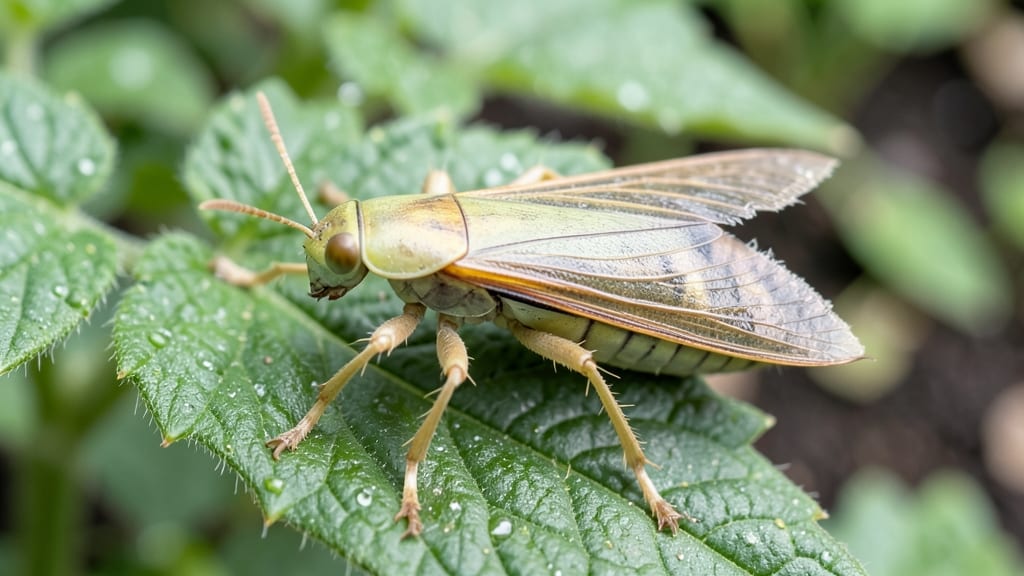
Spotting tomato bug images early saves your harvest—and I’ve learned that the faster you identify them, the easier they are to control. 🌱 This guide shows you exactly what to look for, from tiny aphids clustering on new leaves to hornworms stripping plants bare overnight.
No need to guess: each pest has distinct damage patterns and behaviors that reveal themselves in the first few weeks of tomato season.
Most gardeners assume tomato bugs are a summer problem, but they strike early when plants are vulnerable. The key is checking leaves and stems regularly—especially under the foliage where pests hide.
Aphids leave sticky residue, hornworms create ragged holes, and whiteflies flutter when you disturb plants. Once you recognize these signs, you can act before the damage spreads.
You’ll learn simple, organic fixes that work without harsh chemicals: soapy water sprays, neem oil treatments, and introducing beneficial insects like ladybugs. The goal isn’t to eradicate every bug (some are harmless), but to keep populations in check so your tomatoes thrive.
Early intervention means healthier plants and bigger yields by harvest time.
Whether you’re dealing with a sudden outbreak or just want to stay ahead, this guide gives you the visual tools to act fast. Prevention starts with knowing what to watch for—so grab a magnifying glass and let’s protect your tomatoes before the bugs do.
Root Causes Of Tomato Pests
Understanding why tomato plants attract bugs—and how to spot them early—starts with knowing the environmental triggers, plant vulnerabilities, and natural behaviors that draw pests. Here’s a breakdown of the key reasons these critters invade your garden, complete with actionable insights to prevent them.
Tomatoes are resilient, but stress makes them easy targets for bugs. When plants are weak, pests like aphids, hornworms, and spider mites move in. Here’s why:
- Nutrient Deficiencies 🍃
- Lack of nitrogen, phosphorus, or potassium weakens cell walls, making tomatoes more susceptible to chewing insects (e.g., Colorado potato beetles).
- Fix it: Use a balanced fertilizer (10-10-10) and compost to boost immunity.
- Overwatering or Drought Stress 💦🔥
- Too much water creates soggy soil, inviting fungus gnats and slugs.
- Too little water stresses plants, attracting spider mites (who thrive in dry conditions).
- Fix it: Water deeply 1–2 times per week (check soil moisture 2 inches down).
- Physical Damage ⚔️
- Broken leaves or stems from hail, wind, or poor pruning create entry points for pests like stink bugs.
- Fix it: Prune carefully (use clean tools) and support plants with cages to prevent breakage.
Some tomato varieties and growth stages are bug magnets because they offer:
- Sweet, ripe fruit (hornworms love red tomatoes 🍅).
- Soft new growth (aphids adore tender leaves).
- Sap-rich stems (whiteflies and spider mites feed on this).
High-risk tomato types:
- Cherry tomatoes (small, sweet, and easy to spot).
- Heirloom varieties (often more flavorful = more attractive to pests).
- Fix it: Choose disease-resistant hybrids (e.g., ‘Celebrity,’ ‘Mountain Merit’) and harvest ripe tomatoes promptly.
Bugs thrive in cluttered, unkempt gardens where they hide, breed, and spread. Common offenders:
- Debris & Mulch Piles 🗑️
- Old plant matter provides homes for slugs, cutworms, and beetles.
- Fix it: Remove fallen leaves, weeds, and crop residues weekly.
- Overcrowded Plants 🌿🌿
- Poor airflow traps moisture, inviting fungal pests (e.g., whiteflies) and bacterial diseases.
- Fix it: Space tomatoes 18–24 inches apart and prune for airflow.
- Unwashed Tools & Containers 🧹
- Soil on pots or dirty pruners can transfer pests like aphids to healthy plants.
- Fix it: Sanitize tools with rubbing alcohol and sterilize containers (soak in bleach solution).
Pests follow weather patterns and seasonal cycles. For example:
- Warm, Dry Weather 🌞
- Spider mites explode in numbers when temperatures rise above 85°F (29°C).
- Fix it: Use shade cloth in peak heat and spray plants with water to deter mites.
- Humid Conditions 🌧️
- Fungal gnats and slugs thrive in damp soil.
- Fix it: Improve drainage and use diatomaceous earth around plants.
- Late Summer Slump ⏳
- Tomatoes slow growth in heat, making them vulnerable to stink bugs and aphids.
- Fix it: Mulch heavily to retain moisture and apply foliar feed for a boost.
Some bugs target tomatoes at specific stages of their life cycle. For instance:
- Aphids 🐜
- Infest new shoots in spring when plants are most tender.
- Fix it: Inspect seedlings early and spray with neem oil preventatively.
- Hornworms 🐛
- Migrate to tomato plants in mid-summer when other host plants (like tobacco) are less available.
- Fix it: Handpick larvae at dawn (they’re slow-moving then).
- Whiteflies ✈️
- Cluster on undersides of leaves in warm, sheltered areas (like greenhouses).
- Fix it: Yellow sticky traps can catch them before they multiply.
While marigolds and basil repel pests, some "companion plants" actually attract bugs to your tomatoes. Avoid planting near:
- Corn (draws corn earworms, which may attack tomatoes).
- Potatoes (shares Colorado potato beetles with tomatoes).
- Fix it: Interplant with basil, garlic, or onions—these naturally deter pests.
Pro Tip: 💡 Monitor your garden weekly—early detection (via tomato bug images or physical checks) is the best defense! Use a magnifying glass to spot tiny pests like mites before they spread.
Quick Fixes for Garden Bug Woes
Got unsightly pests feasting on your tomatoes? 🍅🐞 Don’t panic—here’s how to tackle common tomato bugs with targeted, easy-to-follow solutions. Each fix maps directly to the problem, so you can act fast and prevent future invasions.
Cause: These green caterpillars with white stripes can strip a plant bare in days!
Fix:
- Handpick them 👨🍳—Wear gloves and pluck them off (drop them in soapy water).
- Encourage predators 🦋—Ladybugs and parasitic wasps love hornworms. Plant marigolds nearby to attract them.
- Neem oil spray 🌿—Mix 2 tbsp neem oil with 1 tsp mild soap in a gallon of water. Spray early morning/evening for 3–5 days.
Prevention Tip: 💡 Rotate crops—Avoid planting tomatoes in the same spot yearly to disrupt hornworm life cycles.
Cause: These sap-sucking insects cluster on leaves, causing curled, sticky foliage.
Fix:
- Blast them off 💦—Use a strong spray of water from a hose to dislodge them.
- Soap spray 🧼—Mix 1 tbsp castile soap in 1 quart of water. Spray directly on aphids (reapply after rain).
- Introduce ladybugs 🐞—Buy them online or attract them with dill or fennel plants.
Prevention Tip: 🌡️ Keep plants healthy—Stressed plants attract more aphids. Water consistently and fertilize lightly.
Cause: Tiny red/yellow mites spin webs and suck plant juices, leading to yellowing leaves.
Fix:
- Rinse leaves 🌧️—Use a gentle hose spray to wash them off (do this in the shade).
- Neem oil or insecticidal soap 🌿—Spray every 5–7 days until mites disappear.
- Increase humidity 💧—Spider mites thrive in dry conditions. Use a humidifier or mist plants.
Prevention Tip: 🎯 Prune for airflow—Remove crowded branches to reduce hiding spots.
Cause: These pale caterpillars cut down young tomato stems at night.
Fix:
- Collar stems 🛡️—Wrap cardboard or aluminum foil around stems to block cutworms.
- Garden early 🌅—Handpick them at dusk when they’re active (drop in soapy water).
- Diatomaceous earth ⚡—Sprinkle food-grade DE around plants (reapply after rain).
Prevention Tip: 💡 Avoid overhead watering—Keep soil dry to deter cutworm activity.
Cause: These tiny white insects cluster on undersides of leaves, weakening plants.
Fix:
- Yellow sticky traps 🎯—Hang traps near plants to catch adults.
- Spray with water 💦—A strong stream dislodges them (do this daily for a week).
- Reflective mulch ✨—Cover soil with aluminum foil or reflective plastic to confuse them.
Prevention Tip: 🌿 Inspect new plants—Quarantine new additions for 2 weeks to spot hitchhikers.
Pro Tip: ✨ Rotate methods—Bugs build resistance, so switch between organic solutions every few weeks.
Now you’re armed with actionable fixes! 🚀 Pick the problem, grab your tools, and save your tomatoes before they’re history.
Frequently asked questions
How do I tell if the tiny black dots on my tomato leaves are bugs or just dirt?
Those black dots are likely aphids or sooty mold—both leave similar speckles. Check leaf undersides for tiny insects (aphids) or sticky residue (sooty mold from sap-sucking pests). Run your finger over the dots: if they smear, it’s mold; if they scatter, it’s bugs.
Can I use tomato bug images to identify pests on my plants?
Comparing your findings to tomato bug images is the fastest way to confirm what’s attacking your plants. Focus on key details: body shape, color, size, and damage patterns (e.g., chewed holes vs. curled leaves). Apps like PlantSnap can also help with instant ID.
What’s the best time of day to spot tomato pests?
Early morning or late evening are ideal—pests like hornworms and cutworms are sluggish then, making them easier to spot. Avoid midday heat when many insects hide in shade. A magnifying glass helps reveal tiny mites or aphids hiding on leaf undersides.
Will rain wash away tomato bugs from my plants?
Rain helps with some pests like aphids or whiteflies, but not all. Heavy downpours can dislodge soft-bodied bugs, but hardy pests (like hornworms) often survive. Follow up with neem oil or soapy water to finish them off. Always check plants after rain for survivors.
How do I prevent bugs from spreading to other plants in my garden?
Isolate infected plants immediately and quarantine new additions for 2 weeks. Clean tools between uses with rubbing alcohol, and remove fallen leaves/debris where pests hide. Beneficial insects like ladybugs can also help control outbreaks naturally.