
How To
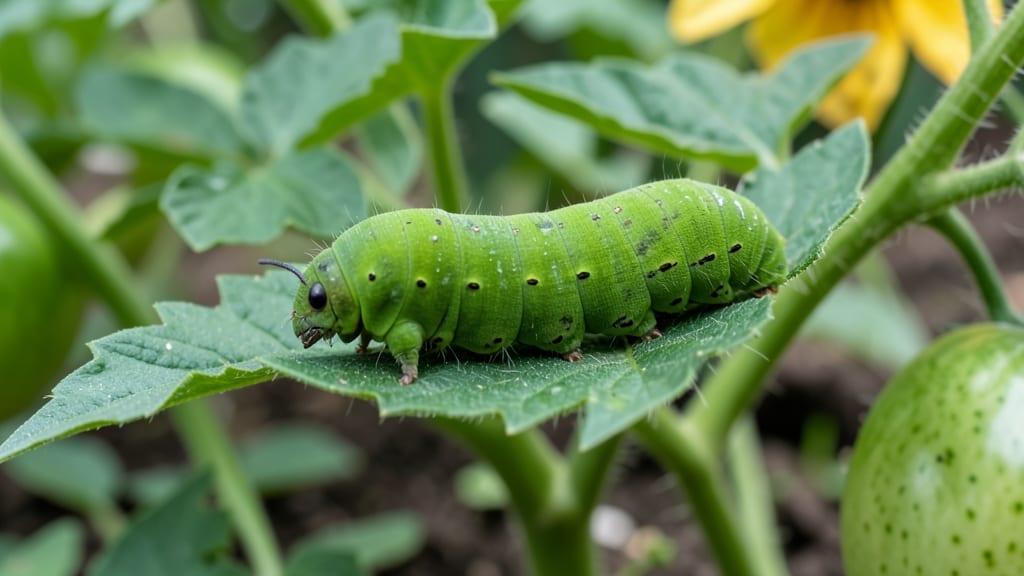
Green caterpillars devouring your tomato plants? 🌱 I’ve battled these striped munchers for years, and these five fast fixes saved my harvest every time—no harsh chemicals needed. The worst part? These caterpillars (often tomato hornworms) can strip a plant bare in 24 hours.
The good news is they’re easy to spot—look for large green caterpillars with white stripes or chewed leaves with clean, ragged edges. Handpicking works, but for bigger infestations, we’ll use smarter, organic tactics. You’ll protect your tomatoes without harming pollinators or breaking the bank.
By the end, your plants will rebound faster than you think—healthy leaves, more fruit, and zero caterpillar drama. Works for backyard gardens, raised beds, and even container plants. Let’s get your tomatoes back on track!
Why it happens
Those pesky green caterpillars munching away on your tomato plants aren’t just a random nuisance—they’re the result of specific conditions that turn your garden into their all-you-can-eat buffet. Understanding why they show up is the first step to kicking them out for good.
Let’s break down the real reasons these leafy invaders crash your tomato party—and how you can prevent the next infestation.
🌱 Overcrowded or Stressed Plants
Tomato plants that are crowded or nutrient-deficient become easy targets for caterpillars. When plants struggle to grow strong stems, thick leaves, or robust fruit, they emit stress signals—like chemical cues—that attract pests, including caterpillars.
These signals act as a dinner bell, drawing in moths (like the tomato hornworm or loopers) to lay eggs on your plants.
Additionally, overwatering or poor drainage weakens roots, making plants more vulnerable. Caterpillars thrive when plants are already compromised because they can’t fight back as effectively. Think of it like a buffet where the host is too tired to clear the table—opportunists take over.
🌿 Ideal Growing Conditions for Pests
Caterpillars love warm, humid climates with plenty of shade and moisture—basically, the perfect tomato-growing conditions. If your garden has:
- High humidity (especially in late spring/early summer)
- Dense foliage (which traps heat and moisture)
- Nighttime temperatures above 60°F (15°C) (when moths are most active)
…then you’ve accidentally created a caterpillar paradise. Moths seek out these environments to lay eggs, knowing their larvae will have a thriving food source. Even a small patch of tomatoes in a shady corner can become a hotspot if conditions are right.
🐛 Moths Are Master Infiltrators
The caterpillars you’re seeing today are the larvae of moths that flew into your garden weeks ago. Many common tomato pests, like:
- Tomato hornworms (giant green caterpillars with white stripes)
- Loopers (beet armyworms) (curved, green, and fast-moving)
- Cutworms (nocturnal chewers that hide during the day)
…are the offspring of moths that actively seek out tomato plants to lay eggs. These moths have exceptional homing instincts—they can detect tomato plant odors from miles away and are drawn to:
- Young, tender leaves (easy to eat)
- Plants with damaged or diseased foliage (already weakened)
- Gardens with no natural predators (like birds or parasitic wasps)
If your neighbors also grow tomatoes, their plants could be the moths’ first stop—and yours next.
🌍 Lack of Natural Predators
In a healthy ecosystem, caterpillars don’t stand a chance. Birds, lacewings, parasitic wasps, and even spiders keep their populations in check. But if your garden lacks:
- Diverse plantings (monocrops attract more pests)
- Water sources for beneficial insects
- Shelter (like leaf litter or brush piles)
…then caterpillars multiply unchecked. For example, braconid wasps lay eggs inside hornworms, eventually killing them—but if these wasps aren’t around, the hornworms feast freely. Even a single missing predator can tip the balance in favor of caterpillars.
🍅 Poor Garden Hygiene
Leaving behind last year’s plant debris, fallen leaves, or uneaten fruit creates hiding spots for caterpillars and their eggs. Many moths overwinter in garden litter, emerging the next season to start fresh. If you:
- Skip fall cleanup (removing dead plants, vines, and mulch)
- Let volunteer tomato plants sprout unpredictably
- Ignore early signs of damage (small holes, chewed leaves)
…you’re rolling out the welcome mat for moths. A single egg hidden in last year’s stem can hatch into dozens of caterpillars ready to devour your crop.
5 Organic Fixes to Save Your Tomatoes
Now that you know why those pesky green caterpillars are munching on your tomato plants, it’s time to take action! 🚀 The good news? You don’t need harsh chemicals to win this battle—just a few natural, effective strategies to protect your harvest.
Below, we’ve mapped out solutions based on the most common causes, so you can pick the best fix for your situation.
If you’ve spotted just a few caterpillars, manual removal is the fastest and safest method. Early intervention prevents them from multiplying and devouring your plants.
How to do it: 🔥 Step 1: Scout at dawn or dusk – Caterpillars are most active during cooler parts of the day. 🌅 🍳 Step 2: Wear gloves – Some gardeners prefer a pair of rubber gloves to avoid direct contact with the pests. 👨🍳 Step 3: Drop them in soapy water – Place caterpillars in a bucket of soapy water (a few drops of dish soap in water) to kill them instantly. Never release them back into the garden! 🥘 Step 4: Check daily – Repeat this process every 2–3 days until no more caterpillars are visible.
💡 Pro Tip: If you’re squeamish about touching them, use tweezers or a small brush to gently lift them off the leaves.
Nature has its own pest control—beneficial insects that love to snack on caterpillars! 🐞🐸 Introducing these predators to your garden creates a self-sustaining ecosystem that keeps pests in check.
Best predators to attract:
- Ladybugs (eat aphids and small caterpillars)
- Parasitic wasps (lay eggs inside caterpillars, killing them from within)
- Praying mantises (voracious hunters of caterpillars)
- Frogs & toads (love munching on garden pests)
How to encourage them: ✨ Plant companion flowers – Marigolds, dill, and fennel attract beneficial insects. 🌡️ Avoid pesticides – Chemicals kill both pests and predators, disrupting the balance. 🎯 Install a small water source – A shallow dish with water and pebbles helps predators stay hydrated.
💡 Pro Tip: Purchase parasitic wasp larvae from garden centers—they’re tiny but mighty!
If caterpillars are spreading too fast for handpicking, organic sprays can provide a quick fix. These are safe for humans, pets, and pollinators when used correctly.
Top 3 organic sprays to try:
- Neem Oil Spray 🌿
- How it works: Disrupts caterpillar feeding and growth.
- Recipe: Mix 1 tbsp neem oil + 1 tsp mild soap + 1 quart water. Spray every 5–7 days until caterpillars disappear.
- Best for: Young caterpillars (less effective on large ones).
- Bacillus thuringiensis (Bt) 🦠
- How it works: A natural bacteria that kills caterpillars when ingested—safe for humans and plants.
- How to use: Sprinkle Bt powder on leaves or mix with water for a spray. Reapply after rain.
- Best for: All caterpillar stages (including eggs).
- Spinosad Spray 🍄
- How it works: Derived from soil bacteria, it paralyzes and kills caterpillars within hours.
- How to use: Follow label instructions—usually 1–2 sprays per week.
- Best for: Large infestations (works fast).
⚠️ Safety Note: Always spray early in the morning or late evening to avoid harming bees.
If you’ve had repeated caterpillar problems, preventing access is key. Physical barriers keep them off your plants without chemicals.
Best barrier methods:
- Floating row covers – Lightweight fabric that blocks caterpillars while allowing sunlight and water through.
- Copper tape – Wrap around stems to repel chewing insects (caterpillars dislike the metal).
- Collars around stems – Use cardboard or plastic collars to block caterpillars from reaching young plants.
💡 Pro Tip: For seedlings, use fine mesh netting to create a mini greenhouse effect while keeping pests out.
Healthy tomato plants resist pests better! 💪 Focus on soil health, watering, and companion planting to make your garden less appealing to caterpillars.
Prevention checklist: 📊 Feed with compost – Strong plants are less attractive to pests. 💪 Water deeply but less often – Avoid wet foliage (caterpillars love damp leaves). 🥗 Plant repellent herbs – Basil, mint, and thyme deter caterpillars with their strong scents. 🍎 Rotate crops – Don’t plant tomatoes in the same spot yearly (pests build up in the soil).
💡 Pro Tip: Prune lower leaves to improve airflow and reduce hiding spots for caterpillars.
Final Thought: The key to winning the caterpillar war is speed + prevention. Start with handpicking and organic sprays, then strengthen your plants for long-term protection. With these methods, you’ll be enjoying juicy, pest-free tomatoes in no time! 🍅🔥
Frequently asked questions
Are those green caterpillars actually harmful to my tomato plants?
Absolutely—they can be devastating! Large green caterpillars like tomato hornworms can strip a plant bare in just 24 hours, leaving it vulnerable to disease and reducing fruit production. Look for chewed leaves with clean edges or black droppings on foliage as key warning signs.
How do I tell if it's a tomato hornworm or another type of caterpillar?
Tomato hornworms are the most common and have distinct white stripes and a horn-like projection at their rear. Other green caterpillars like loopers have a curved body or small bumps. Check for these features to identify your pest accurately.
Can I use dish soap to kill caterpillars?
Yes! A soapy water solution (1 tsp mild dish soap per quart of water) works well for handpicking. Simply spray or dip the caterpillars to kill them instantly. Avoid using it as a foliar spray, though, as it can harm beneficial insects and plants over time.
Will neem oil work on large caterpillars?
Neem oil is most effective on small or young caterpillars—it disrupts their feeding and growth. For larger ones, combine it with Bacillus thuringiensis (Bt) or spinosad for better results. Reapply every 5-7 days after rain, as it washes off easily.
How long does it take to see results from organic sprays?
Timing varies: Bt or spinosad can kill caterpillars within 24-48 hours, while neem oil may take 3-5 days to show effects. For best results, apply sprays in the early evening when bees are less active, and repeat as needed.