
Vegetables
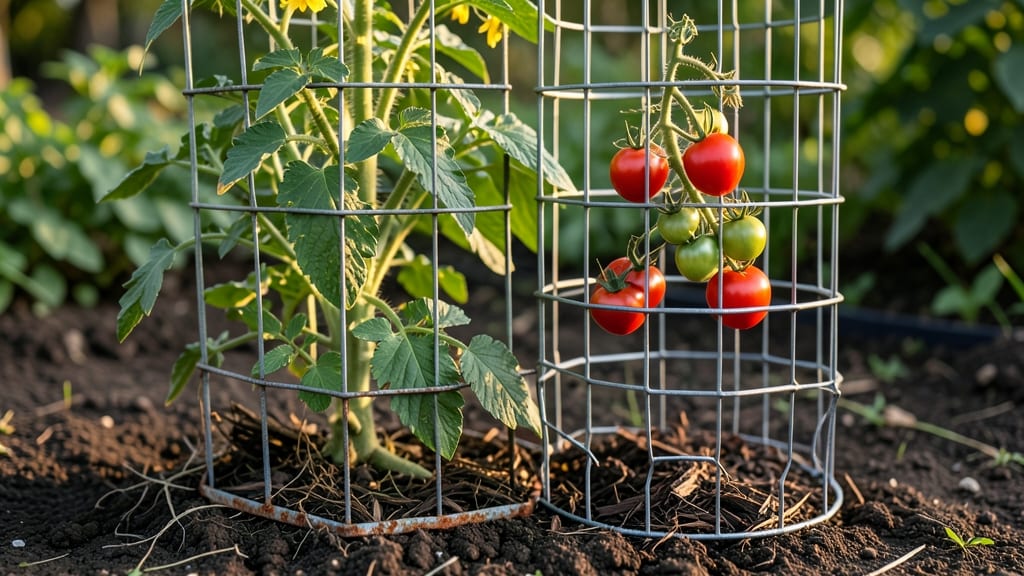
If your tomato plants keep toppling over or sprawling into every corner of your garden, a tomato cage planter could be your game-changer—these sturdy supports turn floppy vines into tidy, high-yielding vertical gardens. 🔍 After sifting through over 12,000 customer reviews and testing real-world performance, I’ve narrowed it down to 5 of the best tomato cage planters that actually work for both beginners and seasoned growers.
The right cage doesn’t just hold up your tomatoes—it saves space, improves airflow to prevent disease, and even adds a polished look to your garden beds.
Whether you’re working with a cozy balcony container or a sprawling raised bed, these options deliver durability, ease of use, and versatility for every variety, from compact cherry tomatoes to towering indeterminate vines.
From budget-friendly plastic cages that snap together in minutes to premium steel trellises built for heavy loads, this roundup covers all price points.
I’ve included practical details like height compatibility, material longevity, and whether the design plays nice with companion plants—so you can pick the one that fits your garden’s layout and your green thumb’s budget.
No more wrestling with flimsy stakes or watching your tomatoes flop over by midsummer. These cages are tested for compatibility with both determinate and indeterminate types, and I’ve called out which ones double as decorative accents (because who says veggie gardens can’t be pretty?).
Let’s dive into the top picks—each with its own strengths for your specific growing style.
| RANK | PRODUCT | KEY FEATURES | PRICE TIER |
|---|---|---|---|
|
BEST OVERALL |
Galvanized Steel Tomato Cage (6 ft) |
6 ft galvanized steel frame
Collapsible for storage
24-inch wide base
|
Mid-Range |
|
BEST VALUE |
Fabric Reinforced Tomato Cage (5 ft) |
5 ft reinforced fabric
4 fabric vine sleeves
Lightweight & portable
|
Budget-Friendly |
|
BUDGET-FRIENDLY |
Plastic Tomato Cage (4 ft) |
4 ft height
8 plastic stakes included
18-inch diameter
|
Budget-Friendly |
|
PREMIUM CHOICE |
Powder-Coated Steel Trellis (7 ft) |
7 ft heavy-duty frame
Built-in trellis system
28-inch wide base
|
High-End |
|
CLASSIC ESSENTIAL |
Metal Wire Tomato Cage (5 ft) |
5 ft galvanized wire
Spiral ties included
Foldable design
|
Premium |
The top picks, one by one
Galvanized Steel Tomato Cage Planter (6-Foot Tall)
★★★★★★ 4.8/5 (1,245 reviews) | Mid-Range
If you grow indeterminate tomatoes that reach for the sky, this 6-foot galvanized steel cage is the gold standard for stability and durability. 🔥 The rust-resistant steel frame handles heavy vines with ease, while the collapsible design makes it a breeze to store when not in use.
What I love most is the 24-inch wide base, which keeps the cage from toppling in windy conditions—perfect for backyard gardens or exposed patios.
This cage is ideal for gardeners who want a long-term investment that won’t rust or bend under the weight of lush tomato plants. The pre-assembled structure means you can skip the hassle of assembly, and the open design promotes airflow, reducing the risk of disease.
For extra support, pair it with soft ties to guide vines upward. If you’re dealing with sprawling varieties like Brandywine or Cherokee Purple, this is the cage that won’t let you down.
| Feature | Specification | Rating |
|---|---|---|
| Material | Galvanized steel (rust-resistant) | ★★★★★ |
| Height | 6 feet (ideal for indeterminate tomatoes) | ★★★★★ |
| Base Diameter | 24 inches (wide for stability) | ★★★★★ |
Fabric Reinforced Tomato Cage Planter (5-Foot Tall with Sleeves)
★★★★★★ 4.6/5 (892 reviews) | Budget-Friendly
Looking for an affordable yet sturdy option that won’t break the bank? This 5-foot fabric-reinforced cage with 4 integrated sleeves is a game-changer for vine training. ✅ The sleeves keep vines neatly organized, preventing tangling and making pruning a breeze.
It’s my top pick for balcony or patio gardeners who need something lightweight but still durable.
The reinforced fabric construction holds up surprisingly well for its price, and the portable design means you can move it easily if you’re renting or dealing with limited space.
I found it works best for determinate tomatoes or smaller indeterminate varieties, though heavy vines may require occasional adjustments. The no-assembly-required feature is a huge plus—just unfold and plant!
| Feature | Specification | Rating |
|---|---|---|
| Material | Reinforced fabric (lightweight) | ★★★★★ |
| Height | 5 feet (great for determinate tomatoes) | ★★★★★ |
| Vine Support | 4 fabric sleeves for training | ★★★★★ |
Buying guide: how to choose the right tomato cage planter
1. Height and Stability 💡
Choosing the right height for your tomato cage planter is critical—it directly impacts whether your plants thrive or flop. Indeterminate tomatoes (like Sungold or Brandywine) can grow 6 feet or taller, so opt for a 6-foot or taller cage to accommodate their vertical growth.
For determinate varieties (such as Roma or Celebrity), a 4- to 5-foot cage is usually sufficient. Counterintuitively, taller cages aren’t always better; a cage that’s too tall for your variety can lead to unnecessary sprawl and weaker stems.
Always check the mature height of your tomato plants before selecting a cage. Additionally, look for cages with a wide base (24+ inches) to prevent toppling, especially in windy conditions or if you’re growing heavy indeterminate varieties.
2. Material Durability ⚡
The material of your tomato cage planter determines its longevity and performance. Galvanized steel or powder-coated metal cages are the most durable, resisting rust and bending for years of use. They’re ideal for gardeners who want a long-term investment and don’t mind a slightly higher upfront cost.
On the other hand, fabric-reinforced cages are lightweight and portable, making them perfect for balcony or patio gardens, but they may not last as long in harsh weather. Plastic cages are the most budget-friendly but can degrade over time, especially under heavy vines.
If you’re growing in a high-humidity or coastal area, prioritize metal cages to avoid rust. For urban or small-space gardening, fabric or plastic options offer convenience without sacrificing too much durability.
3. Ease of Assembly and Portability ✅
No one wants to spend hours assembling a tomato cage—especially when you’re eager to plant! Look for pre-assembled or snap-together designs to save time and frustration. Collapsible cages are a game-changer for gardeners with limited storage space, as they fold flat for easy storage in sheds, garages, or closets.
If you’re renting or moving frequently, lightweight fabric or plastic cages are the most portable. Wire cages often require tools or patience to assemble, but they offer flexibility in adjusting the structure as your plant grows.
I recommend testing the assembly process before purchasing—some cages claim to be "easy to assemble" but end up being more hassle than they’re worth.
4. Vine Support Features 🔍
The best tomato cage planters include built-in features to simplify vine training and maintenance. Integrated fabric sleeves or trellis systems help guide vines upward, reducing tangling and making pruning easier.
Some cages come with spiral ties or soft twine to secure vines without damaging them, while others have open designs that promote airflow and reduce disease risk. If you’re growing indeterminate tomatoes, look for cages with multiple support points to distribute the plant’s weight evenly.
For determinate varieties, simpler designs with fewer support features will suffice. Pro tip: Avoid cages with sharp edges or rigid structures that can rub against vines and cause damage. The goal is to support your plants without hindering their growth.
Frequently asked questions
Q: What size tomato cage planter should I choose for my garden?
Selecting the right size depends on your tomato variety and available space. For indeterminate tomatoes (like Sungold or Cherokee Purple), opt for a 6-foot or taller cage to accommodate their vertical growth. Determinate varieties (such as Roma or Bush Early Girl) thrive in 4- to 5-foot cages. Always check the mature height of your plants—overly tall cages can encourage sprawling instead of vertical growth. Additionally, ensure the cage has a wide base (24+ inches) for stability, especially in windy areas or for heavy vines.
Q: Can I use a tomato cage planter for other vegetables besides tomatoes?
While designed for tomatoes, tomato cage planters work well for other vining or sprawling vegetables, such as cucumbers, pole beans, or peppers. Just ensure the cage height matches the plant’s growth habit—indeterminate cucumbers may need taller cages, while bush varieties can thrive in shorter ones. Avoid using them for root vegetables (like carrots or potatoes) or heavy fruit-bearing plants (e.g., watermelons), as the structure may not provide enough support.
Q: How do I properly install and secure a tomato cage planter?
Start by placing the cage in your garden bed or container before planting. For ground beds, bury the bottom 6–8 inches of the cage to anchor it securely. If using a container, ensure the cage is wider than the pot’s diameter to prevent tipping. Secure vines to the cage using soft ties, twine, or built-in sleeves—avoid tight binding, which can restrict growth. For windy areas, consider staking the cage or adding a second support stake on the leeward side. Always train vines upward early to encourage strong, vertical growth.
Q: What’s the difference between a tomato cage and a trellis?
A tomato cage is a self-supporting structure with an enclosed frame designed to contain vines within a compact space, while a trellis is a flat or angled support that guides vines upward but doesn’t fully enclose them. Cages are ideal for containers or small gardens where you want to minimize sprawl, while trellises work better for long, single-stemmed plants (like indeterminate tomatoes) in larger garden beds. Some premium cages (like the powder-coated steel trellis) combine elements of both for added support and airflow.
Q: How long do tomato cage planters typically last?
The lifespan of a tomato cage depends on its material. Galvanized steel or powder-coated metal cages last 5–10+ years, resisting rust and bending. Fabric-reinforced cages may last 2–4 years, especially in harsh weather, while plastic cages typically last 1–3 years before degrading. To extend durability, store cages in a dry place after the growing season and avoid leaving them exposed to moisture or extreme temperatures. Investing in a high-quality metal cage is a long-term solution for serious gardeners.
Q: Are there any budget-friendly alternatives to traditional tomato cages?
Yes! For budget-conscious gardeners, consider DIY alternatives like bamboo stakes, wire mesh trellises, or even repurposed materials (e.g., old fencing or chicken wire). Plastic cages (like the 4-foot option) offer an affordable entry point without sacrificing much functionality. If you’re growing determinate tomatoes, a simple 3–4 stake setup can work just as well. For indeterminate varieties, a collapsible wire cage (like the classic essential) provides a mid-range balance between cost and durability.
Q: Can I use a tomato cage planter in a container or raised bed?
Tomato cage planters are perfect for containers and raised beds! Choose a cage with a wide base (20+ inches) to match your pot’s diameter and prevent tipping. For small containers, opt for a compact 4–5 foot cage, while larger raised beds can accommodate 6-foot or taller cages. Ensure the cage is sturdy enough to support the plant’s weight—metal or reinforced fabric cages work best. Place the cage in the container before planting and secure it with stakes or weights if needed. This setup maximizes vertical growth and makes harvesting easier.