
Diseases
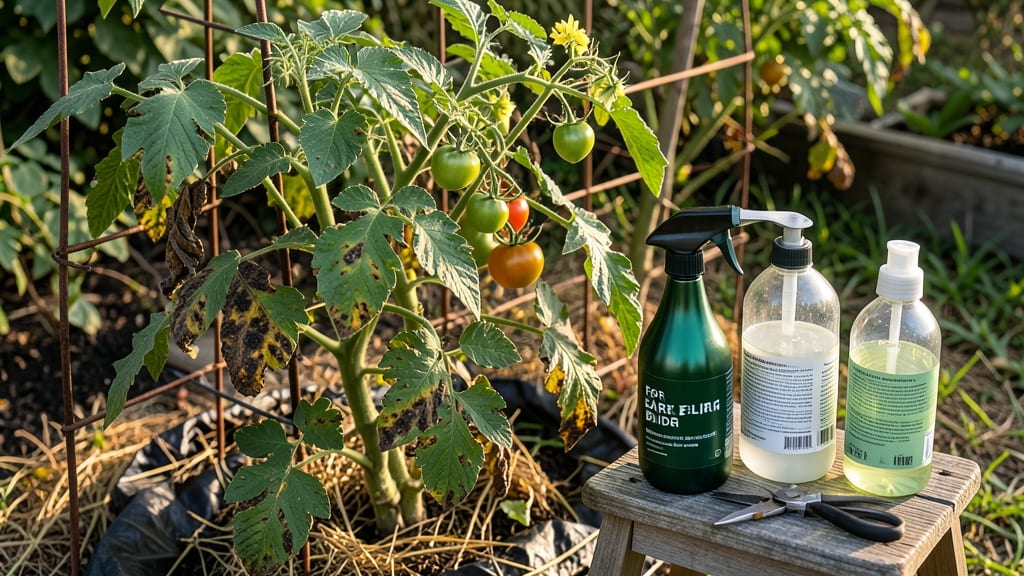
Early blight turns your tomato leaves into a sad, spotted mess—but copper spray can stop it fast. 🌱 I’ve watched this disease ruin entire plants in just weeks, but the right treatment turns things around before the fruit even shows signs.
The key is acting early, and copper fungicide is your best weapon against those ugly brown spots.
This fungal disease thrives in hot, humid conditions, and once it hits your lower leaves, it spreads upward like a bad rumor. The brown, concentric-ring spots are its calling card, but here’s the good news: copper spray disrupts the fungus’s life cycle before it can take over your harvest.
You’ll need to apply it at the first sign of trouble—and keep doing so preventatively if your garden gets humid.
Within 7-10 days of treatment, you’ll see new growth pushing out clean and green, while the old leaves either slow the spread or drop off naturally. The best part?
Copper is organic-friendly, so you can spray right up to harvest (just follow label instructions). No more watching your tomatoes wither—just healthy plants and juicy fruit.
For long-term defense, pair this with proper spacing, resistant varieties like ‘Mountain Merit,’ and removing infected debris. Early blight won’t stand a chance when you hit it with copper and smart prevention. Let’s get those tomatoes fighting back!
Root Causes Of Early Blight
Understanding why early blight strikes your tomatoes is half the battle in stopping it. This fungal disease—caused by Alternaria solani—doesn’t just appear out of nowhere. Let’s break down the real culprits behind those telltale concentric rings on your leaves and fruit.
Early blight thrives in heat and moisture, the perfect combo for fungal spores to germinate and spread.
- Why it happens: The fungus Alternaria solani produces spores that need warm temperatures (77–86°F or 25–30°C) and high humidity (75%+) to activate.
If your garden bakes under the sun during the day but stays damp at night (think morning dew or overhead watering), spores latch onto leaves and start feasting. - Actionable insight: This is why early blight is most aggressive in summer and early fall—peak tomato-growing seasons.
If your region has long, hot days followed by cool, humid nights, your plants are at high risk.
Overhead irrigation or watering late in the day turns your tomato leaves into fungal spore launchpads.
- Why it happens: Water droplets splash spores from infected plant debris (like fallen leaves or old stems) onto healthy foliage.
If leaves stay wet for more than 4–6 hours, spores germinate and infect the plant. - The science: Early blight spores need free moisture to penetrate leaf tissue.
Unlike some fungi, they don’t need rain—just prolonged leaf wetness from poor watering habits. - Pro tip: 💡 Water at the base (not overhead) and early in the day so leaves dry by sunset. Drip irrigation or soaker hoses are your best friends here.
Tomatoes left to grow too close together or under nutrient stress become easy targets.
- Why it happens: Poor air circulation traps humidity near leaves, while weak plants (from overcrowding, poor soil, or nutrient deficiencies) have thinner cell walls—easier entry points for the fungus.
- The data: Studies show early blight spreads 30% faster in dense plantings where leaves brush against each other.
- Fix it: Space plants 18–24 inches apart, prune lower leaves to improve airflow, and side-dress with compost to boost plant vigor.
Leftover fungal spores in the soil or on old plant material wait patiently to reinfect.
- Why it happens: Alternaria solani spores can survive in soil for years and even hitchhike on seeds or transplants.
If you planted tomatoes (or other nightshades like peppers or eggplants) in the same spot last year, you’re rolling the dice. - The cycle: Spores from infected leaves drop to the ground, overwinter, and blast back up when conditions are right. - Prevention tip: 🌡️ Rotate crops—don’t plant tomatoes, peppers, or eggplants in the same spot for at least 3 years.
Remove and compost old debris (or better, burn or trash heavily infected plants).
Even if the weather and watering are perfect, other plant stressors can make tomatoes more susceptible.
- Why it happens: Early blight exploits plants already fighting:
- Nutrient deficiencies (especially potassium or calcium)
- Herbicide drift or soil toxins
- Insect damage (like hornworms or aphids creating entry wounds)
- Extreme heat or drought stress
- Solution: Keep soil balanced with compost or organic fertilizer, monitor for pests, and mulch to retain moisture during dry spells.
Once spores are airborne, they hitch rides on breezes or raindrops.
- Why it happens: Early blight spores are lightweight and can travel hundreds of feet via wind.
Raindrops act like tiny catapults, flinging spores onto healthy plants. - Real-world example: If your neighbor’s tomatoes have early blight, spores can drift into your garden within days—especially in open or windy areas. - Defense: Isolate new plants for a week after transplanting and scout regularly for early signs (tiny dark spots on lower leaves).
Early blight doesn’t just happen—it’s the result of perfect storm conditions your tomatoes can’t fight alone. By addressing heat, humidity, watering habits, plant health, and old spores, you can break the cycle before those classic rings take over.
Next up? How to stop it fast with copper sprays and organic fixes. 🚀
How to Fix Early Blight Fast
Early blight may sound scary, but with the right approach, you can save your tomato plants and even prevent future outbreaks. Below, we’ve mapped practical solutions directly to the causes—so you can act fast and stop those ugly brown spots in their tracks. 🍅🚫🔥
Cause: Fungal spores thrive on dead leaves and plant waste. Fix:
- 🍳 Snip & Toss: Use sterilized pruners (wipe with rubbing alcohol) to cut off yellow or brown leaves—especially the lower ones. Toss them in the trash (not compost!)—the fungus can survive in compost piles.
- 👨🍳 Clear the Ground: Remove all plant debris, mulch, and weeds around your tomatoes. Fungal spores hibernate in soil and debris, ready to reinfect next season.
- 🌡️ Space Plants Properly: If your tomatoes are crowded, thin them out. Good airflow = fewer fungal hotspots.
💡 Pro Tip: Water the soil, not the leaves, to keep foliage dry—wet leaves = fungal buffet. Use a soaker hose or drip irrigation to avoid splashing spores.
Cause: Early blight spreads via Alternaria solani spores, which copper disrupts. Fix:
- 🔪 Mix It Right: Use copper fungicide (like Bordeaux mixture or copper sulfate) every 7–10 days during wet seasons. Follow label rates—too much copper can harm plants!
- 🥘 Spray at Dawn or Dusk: Apply when leaves are dry (not glistening from dew). Focus on undersides of leaves (where spores hide) and stems.
- ⏰ Start Early: Don’t wait for spots! Preventative sprays (before symptoms appear) work best. If you see early signs, spray immediately.
✨ Bonus: Mix 1 tsp baking soda + 1 tbsp vegetable oil + 1 tsp dish soap per gallon of water as a natural fungicide (less effective but safe for organic gardens).
Cause: Weak, stressed plants get sick faster. Fix:
- 💪 Fertilize Smart: Use a balanced fertilizer (like 10-10-10) early in the season, then switch to low-nitrogen, high-phosphorus (like 5-10-10) when flowers appear. Too much nitrogen = soft, disease-prone leaves.
- 🥗 Water Deeply & Less Often: 1 inch per week (check soil moisture—don’t water if the top inch is damp). Avoid overhead watering (use drip irrigation).
- 🍎 Mulch Like a Pro: Apply 2–3 inches of straw or grass clippings around plants (but keep it away from stems). Mulch blocks spores from splashing up and retains moisture.
Cause: Fungal spores build up in soil over time. Fix:
- 🔄 Rotate Crops: Never plant tomatoes, potatoes, or peppers in the same spot next year. Wait 3–4 years before replanting in the same area.
- 🌱 Plant Resistant Varieties: Try ‘Mountain Merit,’ ‘Defiant PhR,’ or ‘Bush Early Girl’—these tomatoes are early blight-resistant.
- 🔥 Solarize Soil (For Heavy Infestations): In hot climates, cover soil with clear plastic for 4–6 weeks in summer. The sun kills fungal spores in the top 6 inches of soil.
If your plants are already heavily infected, act fast:
- 🚫 Prune Aggressively: Cut back all diseased foliage (even if it means sacrificing some branches).
- 💧 Stop Watering Overhead: Switch to drip irrigation immediately.
- 🍳 Apply Fungicide + Baking Soda Mix: Spray copper fungicide + baking soda solution every 5 days until new growth appears.
- 🌱 Consider Replacement: If more than 50% of leaves are gone, it may be better to pull the plant and replace it with a healthy one from a nursery.
💡 Final Reminder: Early blight is manageable—but speed is key. The sooner you act, the better your chances of saving your harvest! 🍅💪
Frequently asked questions
How soon will I see results after using copper spray?
You’ll typically notice new growth emerging within 7-10 days of consistent treatment. The copper disrupts the fungus’s life cycle, so existing spots may darken before falling off naturally. For best results, apply every 7-10 days during humid conditions.
Can I still eat tomatoes from plants treated with copper?
Yes, but follow label instructions carefully. Copper is safe when used properly, and the residue breaks down quickly. Wait 24 hours after spraying before harvesting fruit. Never exceed recommended rates to avoid plant damage or residue concerns.
What’s the difference between early blight and late blight?
Early blight shows concentric brown rings on lower leaves, while late blight creates irregular dark spots with white fuzzy mold that spreads rapidly. Early blight targets leaves first, while late blight attacks fruit and foliage aggressively. Temperature matters too—early blight thrives in 77-86°F, while late blight loves 50-75°F.
Will pruning infected leaves actually help?
Removing infected leaves stops spore production and improves airflow. Use sterilized pruners and dispose of leaves in the trash (not compost). Focus on lower leaves first, as they’re most vulnerable. Prune in the morning so wounds dry quickly.
How do I know if my tomato plants are resistant to early blight?
Look for varieties labeled "early blight resistant" like 'Mountain Merit' or 'Defiant PhR'. These plants have genetic traits that make them less susceptible. Even resistant varieties can get infected under extreme conditions, so always combine them with good cultural practices like proper spacing and copper sprays.