
Shrubs
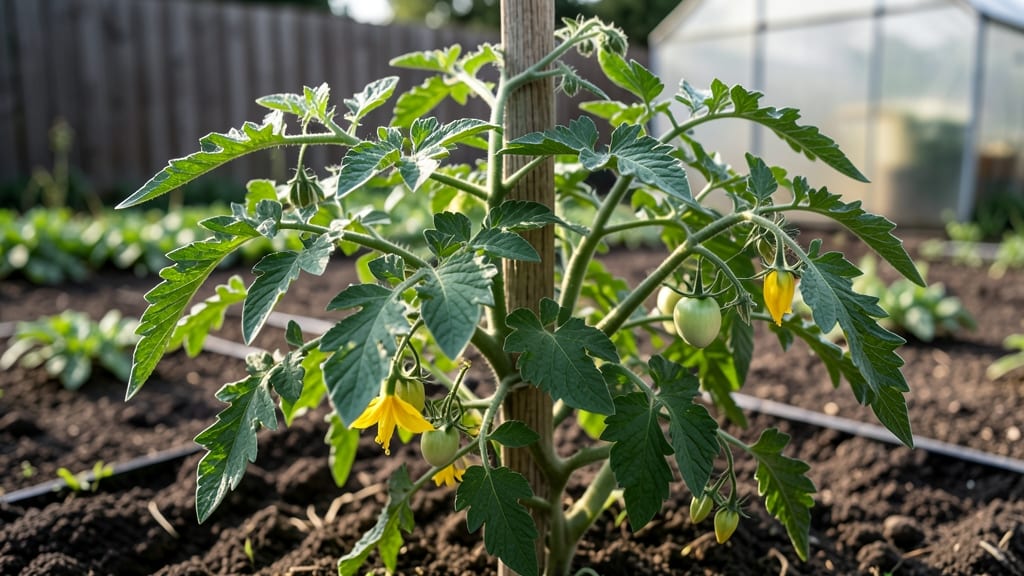
Tomato flowering early can turn your plants into fruitless vines—unless you know this one trick. 🌱 I’ve watched dozens of seedlings bolt before producing a single tomato, and the solution isn’t complicated: it’s about controlling light, heat, and stress.
Most gardeners focus on water or fertilizer, but the real culprit is often temperature swings or transplant shock.
The fix starts with your growing setup. Move plants to a cooler spot (60-70°F days, 55-60°F nights) and avoid bright afternoon sun until they’re at least 6 inches tall. If you’re growing indoors, use a grow light on a timer to mimic natural daylight.
Prune any early flowers—yes, even the pretty ones—because the plant needs to focus on leaf growth first. Within a week, you’ll see stronger stems and delayed blooming.
What you’ll end up with is a tomato plant that’s built to last. Instead of dropping flowers, it’ll channel energy into sturdy vines and lush foliage, setting fruit only when it’s ready.
The first harvest arrives bigger and more reliable than anything you’ve grown before. No more wasted effort—just steady progress toward that first juicy slice.
This works for both greenhouse and outdoor tomatoes, whether you’re dealing with seedlings or established plants. The key is consistency: monitor temperatures daily and adjust care routines as the season shifts. Trust me, your future tomatoes will thank you.
Triggers Behind Premature Blooms
Understanding why your tomatoes flower early is the first step to preventing stress and blossom drop. Here’s a breakdown of the key factors at play:
Some tomato varieties are simply bred to bolt and flower quickly—especially determinate types (like 'Roma' or 'Celebrity') or heirlooms with shorter life cycles.
If your plants are flowering early, check their days-to-maturity label: - Early-season varieties (e.g., 'Stupice' or 'Sub-Arctic') may flower in as little as 50–60 days under ideal conditions. - Hybrid F1 varieties (like 'Early Girl') often prioritize speed over size, sacrificing fruit development if stressed. - Heirlooms (e.g., 'Brandywine') may take longer but can flower early if grown in warm climates or with long daylight exposure.
💡 Pro Tip: If you’re in a short growing season, opt for indeterminate varieties (e.g., 'Sungold' or 'Cherokee Purple')—they flower later but produce continuously.
Tomatoes are temperature-sensitive, and extreme heat can trigger early flowering as a survival mechanism.
Here’s how it works: - Daytime temps above 85°F (29°C) disrupt pollen formation, but nighttime temps above 70°F (21°C) can also cause premature flowering in response to stress. - Cold snaps followed by sudden warmth (common in spring) can shock plants into bolting early. - Greenhouse or high-tunnel heat buildup accelerates growth cycles, leading to faster maturation.
🌡️ Watch For: If your plants flower before they’ve developed 6–8 true leaves, heat is likely the culprit.
Tomatoes are short-day plants, meaning they respond to daylight hours and light intensity:
- Longer daylight (14+ hours) in summer can trigger early flowering, especially in northern latitudes where days stretch.
- Insufficient light (e.g., shade from trees or tall plants) can also stress tomatoes, causing them to bolt prematurely as a last-ditch effort to reproduce.
- Artificial grow lights (if used) must provide 12–16 hours of light/day—too much or too little can disrupt flowering timing.
💡 Fix It: If your tomatoes are flowering too soon, prune competing plants or supplement with LED grow lights (10,000–20,000 lux) for 14 hours/day.
Too much (or too little) of certain nutrients can send tomatoes into early reproductive mode before they’re ready:
| Nutrient Issue | Effect on Flowering | Solution |
|---|---|---|
| Excess Nitrogen (N) | Lush foliage but no flowers (until stressed) | Switch to low-N, high-P (phosphorus) fertilizer (e.g., 5-10-10). |
| Phosphorus Deficiency | Stunted growth + early flowers | Apply bone meal or rock phosphate at planting. |
| Potassium (K) Lack | Weak stems, premature blooms | Use kelp meal or wood ash for a boost. |
| Calcium/Magnesium Def. | Blossom end rot risk + early drop | Side-dress with crushed eggshells or Epsom salt. |
🔥 Warning: Over-fertilizing with nitrogen (e.g., blood meal) can delay flowering, but sudden starvation (like cutting off water) forces early blooms as a stress response.
Tomatoes hate inconsistency—both drought and overwatering can trigger early flowering:
- Underwatering causes wilting stress, signaling the plant to reproduce before it’s ready.
- Overwatering (leading to root rot) forces the plant into survival mode, often resulting in small, weak flowers.
- Fluctuating soil moisture (e.g., dry spells followed by heavy rain) confuses the plant’s growth cycle.
⏰ Watering Hack: Maintain 1–1.5 inches of water weekly (deep watering 2–3x/week in dry climates). Use drip irrigation to avoid leaf wetness, which can also stress plants.
Moving tomatoes—even from pots to the ground—can disrupt their growth rhythm:
- Root disturbance (e.g., from transplanting or weeding) triggers hormonal shifts, sometimes causing early flowering.
- Competition for space (crowded plants) leads to nutrient theft, forcing weaker plants to flower early.
- Wind or hail damage can shock plants into premature reproduction as a protective measure.
👨🍳 Prevent It: Hardening off seedlings (acclimating them to outdoor conditions over 7–10 days) and spacing plants 18–24 inches apart reduces stress.
Certain pests and pathogens weaken tomatoes, forcing them to flower early to avoid further damage:
- Aphids, spider mites, or whiteflies sap nutrients, leading to stunted growth + early blooms.
- Fungal diseases (e.g., early blight) stress the plant, sometimes causing abortive flowers.
- Root-knot nematodes disrupt water uptake, triggering a survival response.
🛡️ Defend Your Plants: Use neem oil for pests, copper fungicide for blight, and mulch heavily to deter soil-borne issues.
Fix Early Flowering in Tomatoes
Early flowering in tomatoes can feel like a race against time—especially when you’re not ready for fruit yet. But don’t worry! With the right adjustments, you can guide your plants to hold off blooming until conditions are ideal.
Below, we’ve mapped out practical fixes for the most common causes, along with prevention tips to keep your tomatoes on track for a bountiful harvest.
Fix: Adjust temperature and protect plants from extreme swings.
- 🔥 For Heat Stress:
- Provide shade cloth (30-50%) during peak afternoon sun, especially in hot climates.
- Water deeply at the base in the early morning to cool roots and soil.
- Use mulch (straw or grass clippings) to regulate soil temperature and retain moisture.
- ❄️ For Cold Stress:
- Move potted tomatoes indoors or to a protected greenhouse during nighttime chills.
- Cover seedlings with frost blankets if temperatures dip below 50°F (10°C).
- Avoid planting too early—wait until soil is at least 60°F (15°C) for consistent growth.
💡 Pro Tip: Tomatoes thrive in daytime temps of 70-85°F (21-29°C). If your region has erratic weather, opt for heat-tolerant varieties like ‘Solar Fire’ or ‘Heatmaster.’
Fix: Optimize sunlight and spacing to prevent premature flowering.
- 🌿 Relocate Plants:
- If growing in containers, move them to a sunnier spot (at least 6-8 hours of direct sun).
- Prune nearby trees or structures blocking light.
- 🌱 Adjust Planting Density:
- Overcrowded tomatoes compete for light and stress out, triggering early blooms.
- Space plants 18-24 inches apart in rows 3-4 feet apart for airflow and light penetration.
- 💡 Pro Tip: If natural light is limited, supplement with a grow light (LED or fluorescent) for 12-14 hours/day during cloudy stretches.
Fix: Balance moisture and improve soil health to delay flowering.
- 🚰 Water Smartly:
- Let the top 1-2 inches of soil dry out between waterings to avoid stress.
- Water at the base (not leaves) to prevent fungal issues and uneven moisture.
- 🌱 Amend Soil for Better Drainage:
- Mix in compost or perlite to improve aeration and prevent waterlogging.
- Avoid heavy clay soils—raise beds or use containers with drainage holes.
✨ Prevention Tip: Use a moisture meter to track soil conditions and adjust watering as needed.
Fix: Adjust fertilizers to prioritize vegetative growth before flowering.
- 🌱 Reduce High-Nitrogen Fertilizers:
- Switch to a balanced fertilizer (10-10-10 or 5-5-5) to avoid promoting leafy growth at the expense of roots.
- Avoid manure or compost tea if it’s too rich—dilute it to half-strength.
- 💡 Boost Potassium for Root Strength:
- Add wood ash or banana peels (composted) to increase potassium, which supports delayed flowering.
- Use a seaweed extract (low in phosphorus) to encourage steady growth.
🎯 Prevention Tip: Test your soil before planting—aim for a pH of 6.0-6.8 and adjust nutrients accordingly.
Fix: Choose the right timing and tomato types for your climate.
- ⏰ Wait for the Right Time:
- Plant after the last frost when soil is warm (use a soil thermometer).
- In warm climates, opt for short-day varieties (e.g., ‘Celebrity’ or ‘Better Boy’) that resist early flowering.
- 🌿 Select Determinate vs. Indeterminate:
- Indeterminate tomatoes (vining types) need more time to mature—plant them 2-3 weeks later than determinate varieties.
- Determinate tomatoes (bush types) flower earlier—plant them in cooler regions where heat isn’t an issue.
🔥 Pro Tip: If you’re in a short growing season, start seeds indoors 6-8 weeks before the last frost for a head start.
Fix: Protect plants from stress caused by pests or pathogens.
- 🐜 Monitor for Common Pests:
- Aphids, spider mites, or whiteflies sap energy—spray with neem oil or insecticidal soap.
- Remove affected leaves immediately to prevent spread.
- 🌡️ Prevent Fungal Diseases:
- Avoid wetting leaves when watering—use a drip irrigation system.
- Apply copper fungicide as a preventive measure if humidity is high.
💡 Prevention Tip: Rotate crops annually and solarize soil (cover with plastic for 4-6 weeks) to kill pathogens before planting.
Final Note: Patience is key! If your tomatoes bolt (send up a flower stalk too soon), prune the first flowers to redirect energy to foliage and roots. With these fixes, your plants will stay focused on strong growth—leading to bigger, healthier fruit when the time is right. 🍅✨
Frequently asked questions
Why do my tomato seedlings flower before they even have true leaves?
This happens when seedlings experience temperature stress or light fluctuations. If your grow lights are too strong or your daytime temps exceed 75°F (24°C), seedlings may bolt prematurely. Keep them in 60-70°F (15-21°C) days and 55-60°F (13-16°C) nights, and use 12-14 hours of light/day with 10,000 lux intensity to delay flowering.
Can I still get tomatoes if my plant flowers early?
Yes, but you’ll need to prune the first flowers to redirect energy to foliage and roots. Once the plant has 6-8 true leaves and a sturdy stem, it can better support fruit. Remove flower clusters down to the first 2-3 leaves—this encourages stronger growth before producing tomatoes.
What’s the best fertilizer ratio to prevent early flowering?
Use a low-nitrogen, balanced fertilizer like 5-10-10 or 10-10-10 to avoid promoting leafy growth at the expense of roots. For extra potassium (which delays flowering), add wood ash or composted banana peels. Avoid high-nitrogen fertilizers like blood meal—they can cause lush foliage but no fruit!
Will shade cloth help if my tomatoes are flowering too soon?
Use 30-50% shade cloth during peak afternoon sun (especially in hot climates) to lower soil and leaf temps. This reduces stress and gives your plant time to develop stronger roots. Pair it with deep morning watering to keep the soil cool and moist.
Are determinate or indeterminate tomatoes more prone to early flowering?
Determinate varieties (like 'Roma' or 'Celebrity') tend to flower earlier because they’re bred for quick maturation. Indeterminate types (like 'Sungold' or 'Cherokee Purple') take longer to flower but produce continuously. If you’re in a warm climate, choose heat-tolerant indeterminate varieties to delay blooming.