
Vegetables
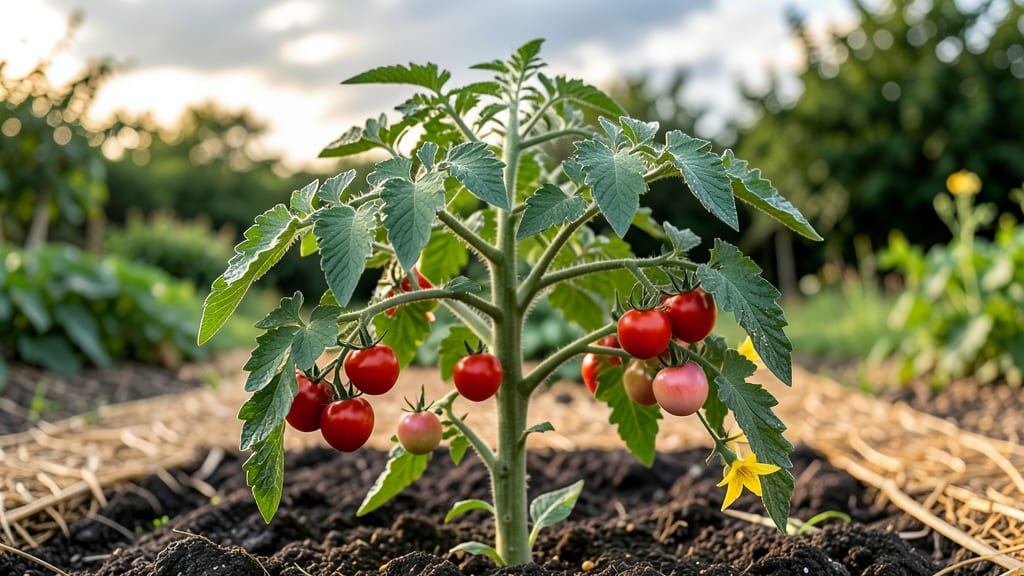
A tomato food allergy occurs when your immune system reacts to proteins in the nightshade family, like those found in tomatoes, potatoes, and peppers, potentially causing symptoms ranging from skin rashes to life-threatening reactions. Testing with an allergist and substituting safe vegetables like zucchini or bell peppers can help manage this condition.
A tomato food allergy isn't just about tomatoes—it's often linked to the broader Solanaceae family, which includes potatoes, eggplants, and peppers. 🔥 The immune system may overreact to specific proteins in these plants, leading to symptoms like itching, swelling, or even difficulty breathing.
Unlike other allergies, cooking doesn't always eliminate the risk, so even processed foods might trigger reactions. That's why identifying cross-reactive foods and working with a healthcare provider is crucial for safe meal planning.
Many people mistakenly assume all nightshades are equally problematic, but reactions vary widely. For example, some individuals tolerate bell peppers but react to tomatoes, while others face issues with both.
Testing through skin prick tests or blood work provides clarity, allowing you to make informed choices about substitutes like squash or green beans in your diet.
💡 In This Article
- Identifying Tomato Allergy Triggers in Plants
- Safe Garden Alternatives to Tomatoes for Allergy Sufferers
Identifying tomato allergy triggers in plants
The core issue with tomato allergies lies in the Solanaceae family proteins, particularly those found in tomatoes, potatoes, and peppers. These plants contain specific proteins like Solanaceae lectins and pathogenesis-related proteins (PR proteins), which act as triggers for immune responses.
When your body mistakenly identifies these proteins as harmful invaders, it releases histamine and other chemicals, causing allergic reactions ranging from mild itching to severe anaphylaxis.
What makes this allergy tricky is the cross-reactivity across nightshades. For example, someone allergic to tomatoes may also react to eggplants or peppers because they share similar protein structures. Even cooked or canned tomatoes retain some allergenic proteins, though heat can break down others.
Studies show that raw tomatoes contain higher concentrations of these proteins than cooked ones, but reactions still occur—especially with concentrated forms like tomato paste or sun-dried tomatoes.
The immune system's reaction isn't just about taste or texture—it's a molecular mismatch. Your body recognizes these proteins as foreign, even if they're harmless in most people. This is why skin prick tests or IgE blood tests are essential for accurate diagnosis.
These tests measure your immune system's specific response to nightshade proteins, helping you pinpoint exactly which foods to avoid. 🔥
Garden-grown produce can sometimes have lower allergen levels due to natural variations in protein content, but this isn't guaranteed. Factors like soil quality, sunlight exposure, and growing conditions can influence protein expression.
For instance, tomatoes grown in nutrient-rich soil may develop slightly different protein profiles compared to those in poorer soil, potentially affecting allergenicity. However, this variation is unpredictable, so testing remains the gold standard.
Even processed foods can hide nightshade proteins. For example, tomato-based sauces, soups, and seasoning blends often contain hidden tomato derivatives like lycopene extracts or tomato powder. Always check ingredient labels for terms like "tomato solids," "tomato paste," or "nightshade spices."
The FDA doesn't require allergen warnings for nightshades, so vigilance is key when reading labels.
Understanding these triggers helps you make safer choices. If you're allergic to tomatoes, you might also need to avoid related plants like petunias or tobacco, which share the same protein families.
Cross-contamination in kitchens is another risk—shared knives, cutting boards, or frying pans can transfer allergenic proteins from nightshades to other foods.
Knowing these details empowers you to navigate meals with confidence. Whether you're cooking at home or dining out, awareness of these plant-based triggers is your first line of defense against allergic reactions. 💫