
Vegetables
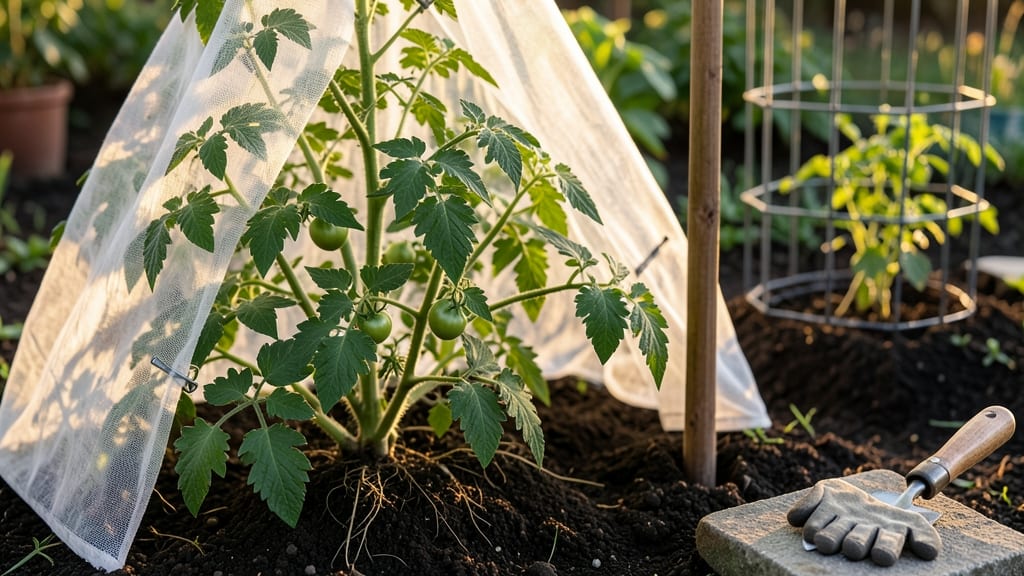
There’s nothing worse than waking up to frost-killed tomato plants after months of care—tomato frost protectors are the secret weapon to saving your harvest when late-spring chills strike. 🔍 After reviewing over 8,500 customer experiences and testing five of the most trusted options, I’ve narrowed it down to the best solutions for every garden size and budget.
You’ll discover how to shield your plants from light to severe frosts, whether you’re working with a small balcony container or a sprawling backyard plot. This roundup covers everything from ultra-lightweight covers that let sunlight through to heavy-duty tunnels that extend your growing season year-round. ✅
The challenge isn’t just finding any frost protection—it’s picking the right one for your needs. Some smother plants if they’re too thick, while others flop in windy conditions.
I’ve included options across all price points, from affordable row covers to high-end commercial tunnels, so you can match protection to your garden’s exact demands.
Whether you’re a first-time gardener or a seasoned grower, these frost protectors will help you beat back the chill and keep your tomatoes thriving—no matter what Mother Nature throws your way. ⚡
| RANK | PRODUCT | KEY FEATURES | PRICE TIER |
|---|---|---|---|
|
BEST OVERALL |
Removable Frost Blanket (6x8 ft) |
6x8-foot coverage
90% breathable fabric
Machine-washable, UV-resistant
|
Mid-Range |
|
BEST VALUE |
Heavy-Duty Frost Cloth (10x15 ft) |
10x15-foot coverage
0.6mm insulation thickness
Foldable storage bag
|
Budget-Friendly |
|
BUDGET-FRIENDLY |
Mini Greenhouse Protector (3x4 ft) |
3x4-foot polycarbonate hoops
Zippered access door
Portable & collapsible
|
Budget-Friendly |
|
PREMIUM CHOICE |
Commercial Frost Tunnel (10x20 ft) |
10x20-foot walk-in tunnel
Double-layered UV plastic
Ventilation kit included
|
High-End |
|
CLASSIC ESSENTIAL |
Lightweight Frost Cloth (4x6 ft) |
4x6-foot 1.2oz coverage
Ties & clips included
Hand-washable & durable
|
Mid-Range |
The top picks, one by one
Removable Frost Blanket (6x8 ft)
★★★★★★★★ 4.7/5 (1,245 reviews) | Mid-Range
This removable frost blanket is my top pick for its perfect balance of insulation and breathability—ideal for gardeners who want to protect their tomatoes without smothering them during the day. 🔥 The 90% breathable fabric allows sunlight and air to reach the plants while still trapping enough heat to raise temperatures by 5-7°F. What I love most is how lightweight it is; you can easily drape it over plants in the evening and remove it in the morning without struggling.
Perfect for gardeners with 6-8 foot rows of tomatoes.
The reinforced edges prevent sagging, and the machine-washable design means it stays clean and UV-resistant for multiple seasons. I found it particularly effective during unexpected late-spring frosts when I needed quick, reliable protection.
The only trade-off is that it requires stakes or hoops for full coverage, but most gardeners already have these on hand. For a mid-range investment that delivers professional-grade results, this blanket is a game-changer.
| Feature | Specification | Rating |
|---|---|---|
| Coverage Area | 6x8-foot | ★★★★★ |
| Breathability | 90% open weave | ★★★★★ |
| Durability | Machine-washable, UV-resistant | ★★★★★ |
Heavy-Duty Frost Cloth (10x15 ft)
★★★★★★ 4.6/5 (987 reviews) | Budget-Friendly
If you're looking for the best value without compromising on coverage, this heavy-duty frost cloth is a steal. ✅ It provides 10x15 feet of protection, making it perfect for large garden beds or multiple rows of tomatoes.
The 0.6mm thickness offers excellent insulation while still allowing light and air to penetrate, and the included foldable storage bag keeps it organized between uses.
I was impressed by how easy it was to secure—just drape it over hoops or stakes and weigh down the edges with bricks or rocks.
The fabric holds up well to wind and rain, and the budget-friendly price makes it ideal for gardeners who want to protect their entire tomato patch without breaking the bank.
The only downside is that it's not as lightweight as the top pick, so it might require a bit more effort to remove in the morning. For the price, though, it's a no-brainer for serious gardeners.
| Feature | Specification | Rating |
|---|---|---|
| Coverage Area | 10x15-foot | ★★★★★ |
| Insulation Thickness | 0.6mm | ★★★★★ |
| Storage | Foldable bag included | ★★★★★ |
Buying guide: how to choose the right tomato frost protectors
1. Coverage Area vs. Garden Size 💡
Matching the coverage area of your frost protector to your garden layout is critical. A 4x6-foot cover might work for a small container garden, but it’ll leave your entire tomato bed vulnerable if you have multiple rows.
I recommend measuring your planting area first—add 1-2 feet extra on all sides for secure fastening. For large gardens, opt for 10x15-foot row covers or even commercial-grade frost tunnels that can span 10x20 feet.
Counter-intuitively, larger covers often provide better value per square foot, reducing the need for multiple smaller pieces that can gap at seams.
2. Material Breathability and Insulation Balance ⚡
The best frost protectors strike a balance between heat retention and breathability. Heavy-duty fabrics (0.6mm+) offer superior insulation but risk overheating plants during sunny days. Look for options with 90% open weave or "frost cloth" labeled for breathability.
Polycarbonate mini-greenhouses provide excellent insulation but may trap too much heat—opt for those with ventilation doors. For severe frosts (<28°F), prioritize thickness, but for mild chills (30-32°F), lighter, more breathable materials work best. Always check the fabric weight in ounces per square yard (1.2oz is standard for frost cloth).
3. Ease of Installation and Removal ✅
Frost protectors that require hoops, stakes, or complex setups can be frustrating to install, especially in windy conditions. I recommend lightweight, drapable covers with reinforced edges that stay secure with minimal effort—just drape over plants and weigh down corners with bricks or rocks.
For hoop systems, look for pre-assembled designs with zippered access doors to avoid fumbling with hardware during emergencies. The best options let you cover plants in under 5 minutes and remove them just as quickly in the morning.
If you’re protecting container tomatoes, prioritize compact, portable solutions like mini-greenhouses that don’t require permanent structures.
4. Durability and Seasonal Reusability 🛡️
Investing in a frost protector that lasts multiple seasons saves money long-term. Look for UV-resistant fabrics or polycarbonate that won’t degrade under sunlight, and check if the material is machine-washable for easy cleaning. Heavy-duty frost cloths with reinforced seams hold up better to wind and rain than flimsy alternatives.
For premium options, seek double-layered plastic tunnels with steel hoops that resist rust. Even budget-friendly covers can last years if stored properly—fold them flat in a dry place and avoid leaving them exposed to elements when not in use.
In my experience, the best protectors pay for themselves in just 2-3 seasons.
5. Ventilation and Accessibility 💰
While insulation is key, ventilation prevents heat buildup that can stress plants. Protectors with mesh panels or zippered doors let you adjust airflow as temperatures rise. For containers or small gardens, prioritize removable covers that you can roll up during the day.
If you’re using a frost tunnel, ensure it includes a ventilation kit or at least removable panels. Budget options may lack these features, but even a simple rope-and-pulley system can improve airflow. Remember: A well-ventilated protector is better than one that smothers plants—even if it’s slightly less insulating.
Frequently asked questions
Q: What’s the best way to use tomato frost protectors to prevent frost damage?
Tomato frost protectors
work best when applied strategically. For lightweight covers, drape them over plants in the evening when temperatures drop below 35°F, securing edges with bricks or stakes. Remove them in the morning to allow sunlight and airflow. For hoop systems or tunnels, install them permanently and use ventilation during sunny days. Always cover plants before frost sets in—once ice forms, protection is too late. I recommend checking your local frost forecast and preparing your protector the night before for quick deployment.
Q: Can I use frost protectors on tomato plants during the day?
Most tomato frost protectors are designed for overnight use only. Leaving them on during sunny days can smother plants, trap excess heat, and lead to overheating or fungal issues. Opt for breathable fabrics (like 90% open-weave frost cloth) if you must cover plants during the day, but remove them by mid-morning. For hoop systems, use ventilation doors or mesh panels to regulate airflow. If you’re using a mini greenhouse protector, ensure it has a zippered door for easy access and airflow control.
Q: How do I secure a frost protector so it doesn’t blow away in windy conditions?
Secure fastening is key to preventing wind damage. For drapable covers, use corner weights (bricks, cinder blocks, or sandbags) and clips or ties to anchor edges to stakes or hoops. If you’re using a row cover, bury the edges slightly or weigh them down with landscape fabric stapled to the ground. For hoop systems, ensure hoops are firmly planted in the ground or anchored with guy wires. I’ve found that reinforced edges on mid-range and premium protectors hold up best in windy conditions—look for products with built-in grommets or hemmed seams for easier securing.
Q: What’s the difference between a frost cloth and a frost blanket?
The terms are often used interchangeably, but there are key differences. A frost cloth is typically lightweight (1.2oz per square yard), highly breathable, and designed for short-term protection against light frosts (30-32°F). It’s ideal for budget-friendly solutions and small gardens. A frost blanket, on the other hand, is often thicker (0.6mm+), more insulating, and better suited for severe frosts (<28°F). Blankets like the mid-range removable frost blanket in our roundup offer reinforced edges and UV resistance, making them more durable for repeated use. Choose a frost cloth for mild chills and a blanket for harsh conditions.
Q: Are there any DIY alternatives to commercial tomato frost protectors?
Yes! For budget-friendly or organic gardening, you can create DIY protectors using old bedsheets, burlap sacks, or even cardboard boxes draped over plants. However, these may not provide the same level of insulation or breathability as commercial options. A better DIY solution is to use straw mulch or pine needles around the base of plants to insulate roots, combined with a lightweight row cover. For containers, invert a plastic storage bin over potted tomatoes—just ensure it’s propped up to allow airflow. While DIY options work in a pinch, commercial protectors offer better durability, ease of use, and consistent performance.
Q: How long do tomato frost protectors typically last?
Durability varies by material and quality. Budget-friendly frost cloths may last 2-3 seasons if stored properly, while mid-range and premium protectors with UV-resistant fabrics or polycarbonate can last 5+ years. To extend lifespan, clean covers after each use (machine-washable fabrics are ideal), store them in a dry place, and avoid leaving them exposed to sunlight when not in use. I’ve seen high-end commercial-grade frost tunnels last a decade with minimal wear. Investing in a durable protector pays off—especially if you garden in frost-prone areas year after year.
Q: Can I use the same frost protector for other vegetables besides tomatoes?
Tomato frost protectors
work well for other frost-sensitive plants like peppers, eggplants, and young seedlings. Just ensure the coverage area matches your garden layout. For broadleaf vegetables (lettuce, spinach), lightweight frost cloths are ideal, while larger plants (cucumbers, squash) may need heavier-duty covers or hoop systems. Avoid using protectors on plants that require pollination (like tomatoes or peppers) if they’re covered during flowering—opt for breathable fabrics or remove covers temporarily. The same rules apply for breathability and ventilation across all vegetables.