
Companion Plants
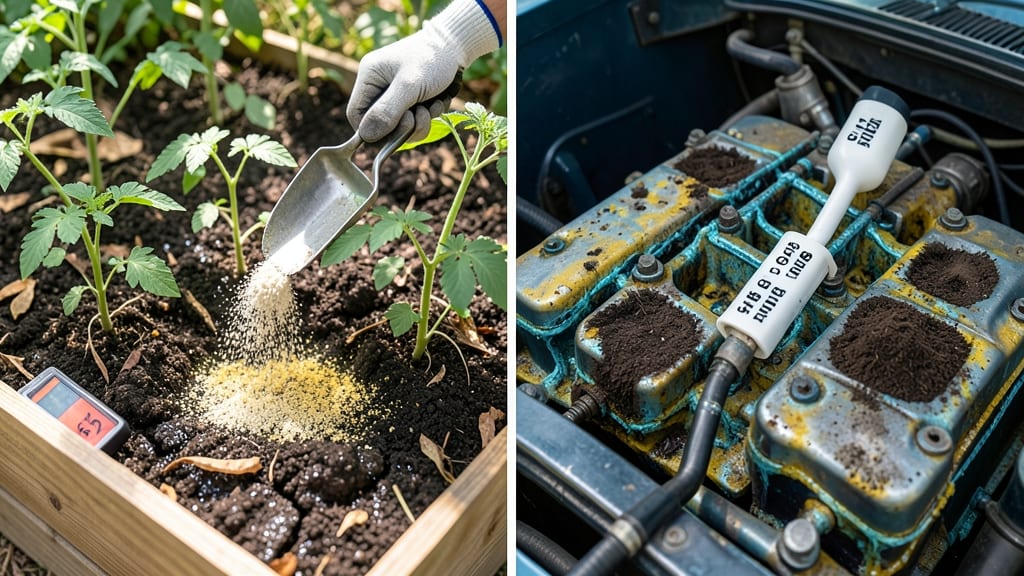
Tomato plants thrive when soil pH is just right—but many gardeners struggle to pinpoint the exact range. These 10 pH insights will help you optimize soil conditions for maximum yield, whether you're growing in containers, raised beds, or traditional gardens.
Ideal Soil pH Range for Tomato Growth
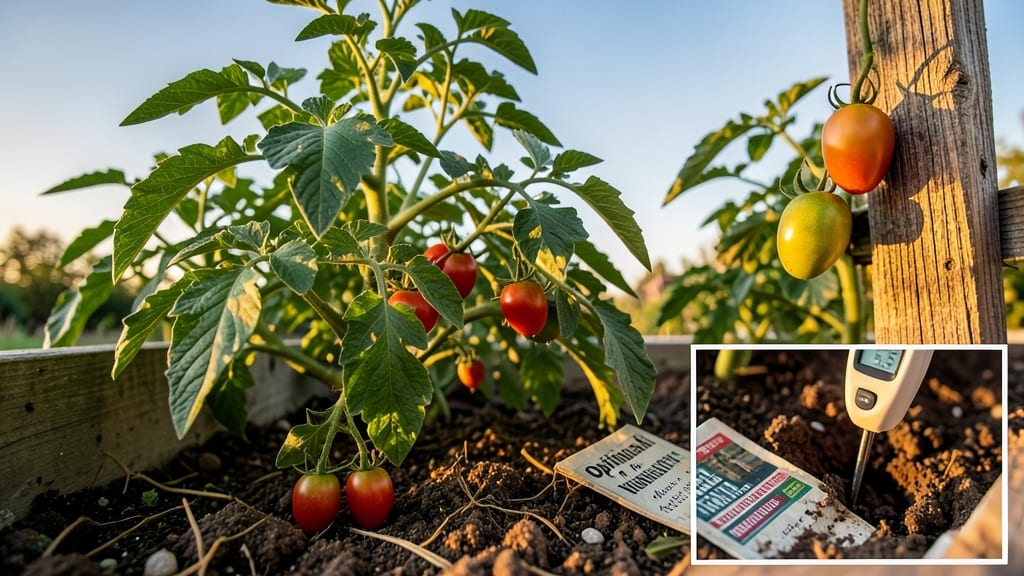
Ever wondered why your tomato plants look healthy but produce tiny, bland fruits? The secret lies in soil pH—specifically, the 5.8–6.8 range where tomatoes thrive. Research from the University of Florida confirms this window maximizes nutrient uptake, leading to bigger yields and sweeter flavors.
Tomatoes need this slightly acidic to neutral pH to access essential nutrients like phosphorus, potassium, and calcium. If your soil tests outside this range, you’ll see stunted growth or blossom-end rot. The good news? Adjusting pH is simple—add lime to raise it or sulfur to lower it, and retest every few weeks until you hit that sweet spot.
This pH range works for both garden beds and containers, making it perfect for beginners and urban gardeners alike. Get it right, and you’ll enjoy healthier plants and better harvests all season. 🌱
Container Gardening pH Adjustments
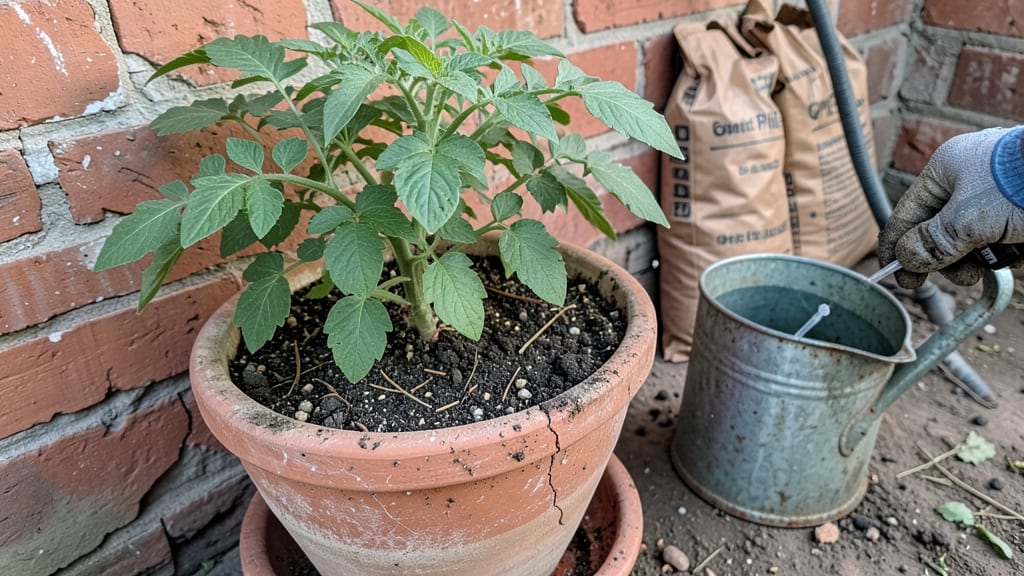
Urban gardeners with limited space know that container-growing tomatoes comes with unique challenges—especially when soil pH drifts faster than in garden beds. Unlike in-ground soil, potted mixes compact and lose nutrients quickly, making regular pH checks non-negotiable for thriving plants.
Start by testing your potting mix before planting, aiming for a 6.0–6.5 range—the sweet spot for container tomatoes. If your mix runs alkaline (above 7.0), work in elemental sulfur (1 teaspoon per gallon of soil) or peat moss to lower pH gradually. For overly acidic mixes (below 5.5), sprinkle crushed limestone or wood ash sparingly—just enough to raise pH by 0.5 points over 2–3 weeks.
Container gardeners will appreciate this proactive approach, as it prevents nutrient lockout and blossom-end rot. A little pH maintenance now means bigger harvests later—without sacrificing your precious balcony space. 🌱
Acid-Loving Tomato Varieties
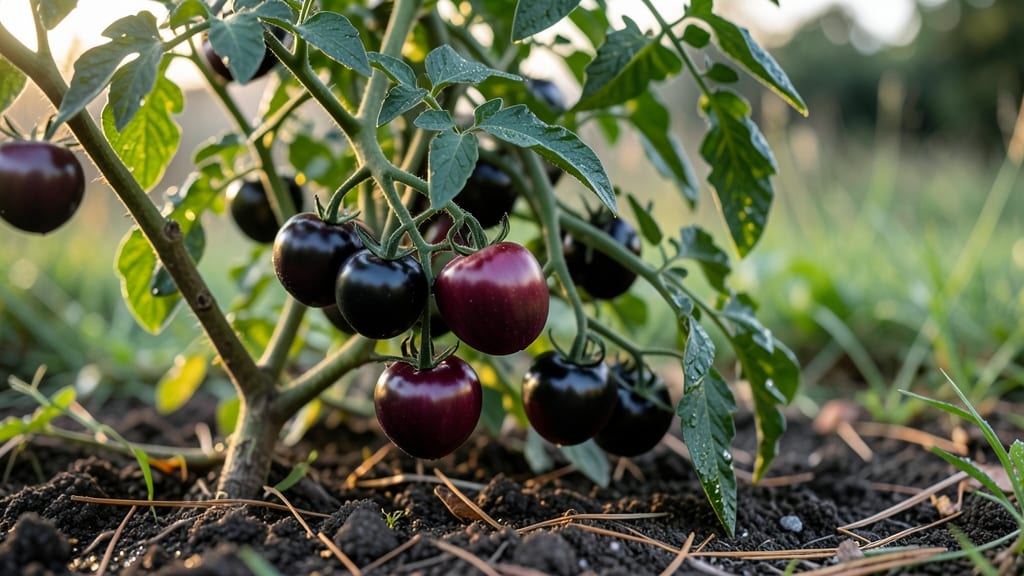
Not all tomatoes need the classic 6.0–6.8 pH range—some thrive in naturally acidic soils (5.5–6.0), making them perfect for gardeners with low-pH native soils or those who prefer organic growing methods without heavy amendments.
Try Cherokee Purple, an heirloom variety that produces rich, deep-purple fruits even in soil as acidic as 5.5. Hybrid options like Mountain Merit and Stupice also tolerate lower pH while resisting common diseases. These varieties absorb nutrients efficiently in acidic conditions, reducing the need for pH adjustments. For best results, add a thin layer of composted leaves to slightly buffer the soil without overcorrecting.
Gardeners in the Pacific Northwest or those avoiding lime amendments will find these varieties especially rewarding. 🌱
Calcium Deficiency Fixes at Wrong pH
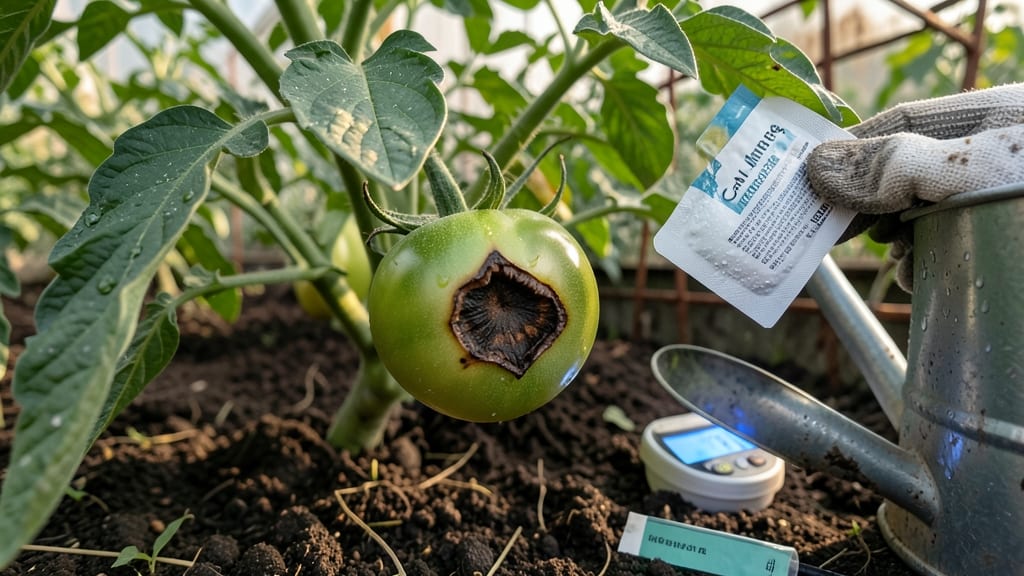
If your tomato plants are developing blossom-end rot despite plenty of water, the culprit might be a pH imbalance blocking calcium uptake. This common disorder thrives when soil pH strays above 6.8, making calcium unavailable even if you're providing it.
To fix this, first test your soil pH—aim for 6.0–6.5 for calcium absorption. If your soil is too alkaline, work in sulfur or peat moss to lower pH gradually. For immediate relief, side-dress with crushed eggshells or calcium-rich compost. Also, ensure consistent moisture—fluctuations worsen calcium deficiency.
Gardeners in hot, dry climates or those using well water (often alkaline) should monitor pH weekly during fruiting. This simple adjustment can save your harvest and prevent future heartbreak. 🌱
Hydroponic Tomato pH Requirements
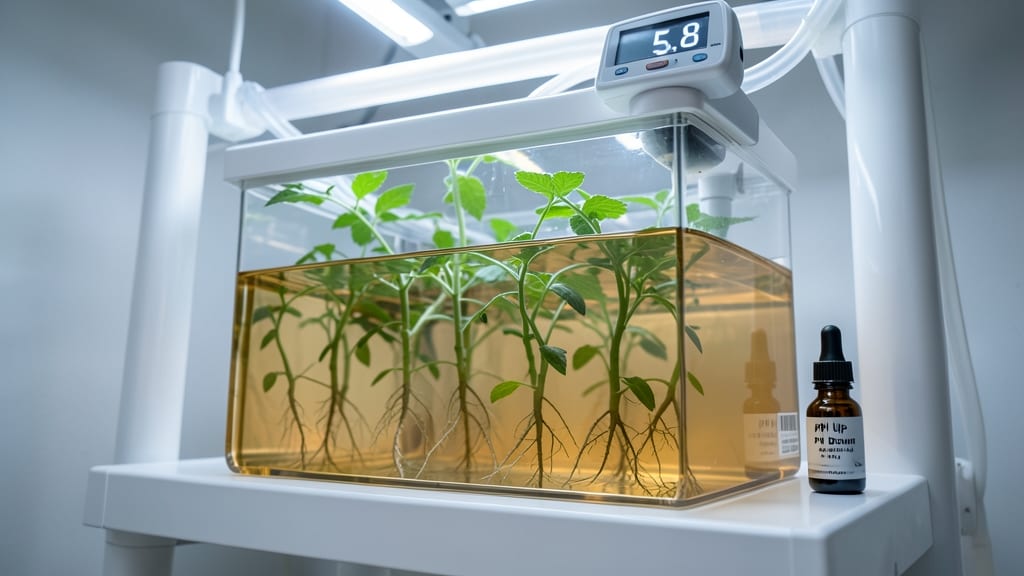
For indoor hydroponic tomato growers, precision pH control isn’t optional—it’s the foundation of success. Unlike soil-based systems, hydroponics relies entirely on your ability to maintain a stable pH of 5.5–6.5, where nutrient uptake is optimal and root health thrives.
Test your nutrient solution every 2–3 days using a digital pH meter for accuracy, and adjust with pH-up (like potassium hydroxide) or pH-down (phosphoric acid) solutions. Avoid extreme swings—even a 0.5 pH shift can lock out essential nutrients like calcium or magnesium, leading to stunted growth or blossom-end rot.
This tight control is especially critical for indoor growers with limited space, where every adjustment directly impacts yield and flavor. With the right pH balance, you’ll see faster growth, stronger stems, and sweeter fruit—all without soil. 🌱
Natural pH Adjusters for Tomato Soil
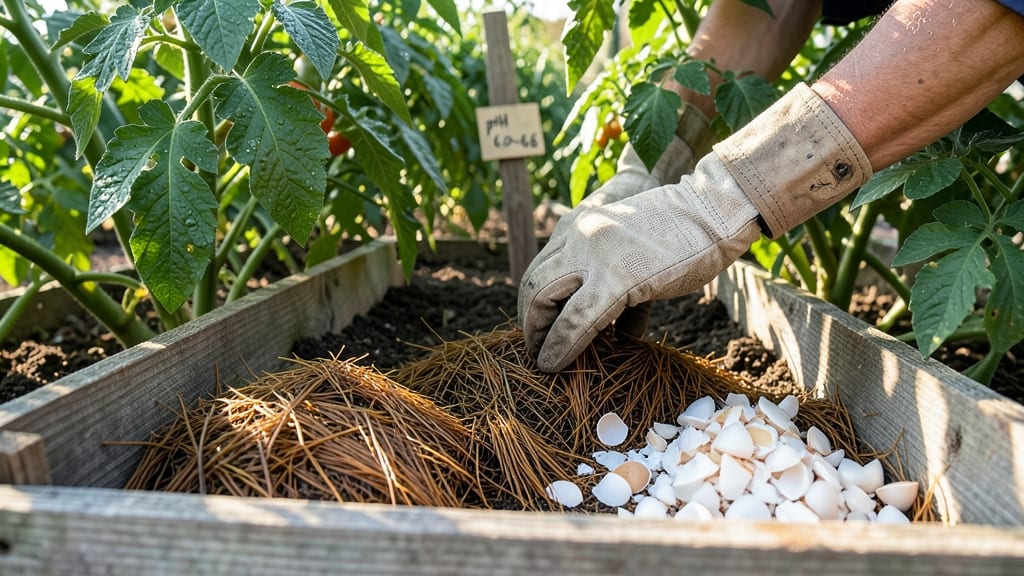
Skip the harsh chemicals when balancing your tomato soil’s pH—your garden’s natural materials can do the trick! Instead of synthetic lime or sulfur, try pine needles to gently acidify soil or crushed eggshells to raise pH, both breaking down slowly to avoid sudden shifts that stress roots.
For lowering pH, spread a 1-inch layer of pine needles (rich in organic acids) around your tomato beds in early spring or fall. To raise pH, mix crushed eggshells (baked and ground for faster action) into the top 6 inches of soil—just 1 cup per plant provides enough calcium carbonate. Both amendments work best when worked into moist soil, so water thoroughly after application.
This method is ideal for organic gardeners, container growers, or anyone avoiding synthetic additives. Your tomatoes will thrive without the guesswork of chemical adjustments. 🌱
pH Testing Methods Compared
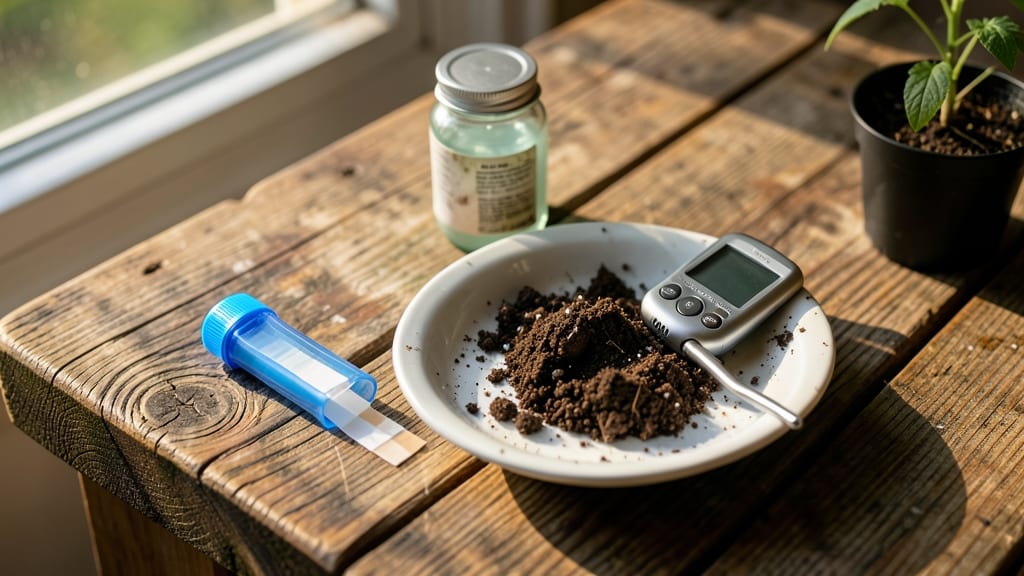
Not all pH testing tools deliver the same precision for your tomato plants. While home test strips are quick and cheap, they often miss subtle shifts critical for optimal growth. For serious gardeners, digital meters offer ±0.2 pH accuracy, but require calibration and proper soil moisture for reliable readings.
Liquid test kits strike a balance, providing colorimetric readings that match lab accuracy when used correctly. These kits are ideal for container growers who need to monitor pH frequently. Remember to test soil moisture first—dry soil can skew results by up to 0.5 pH points. For tomatoes, digital meters win for precision, but liquid kits are best for beginners who want consistency without complex calibration.
Urban gardeners with limited space will appreciate the portability of liquid kits, while hobbyists with large plots may prefer digital meters for their speed. Investing in the right tool ensures your tomatoes get the exact 6.0–6.8 pH they crave for maximum yield. 🌱
Climate-Specific pH Variations
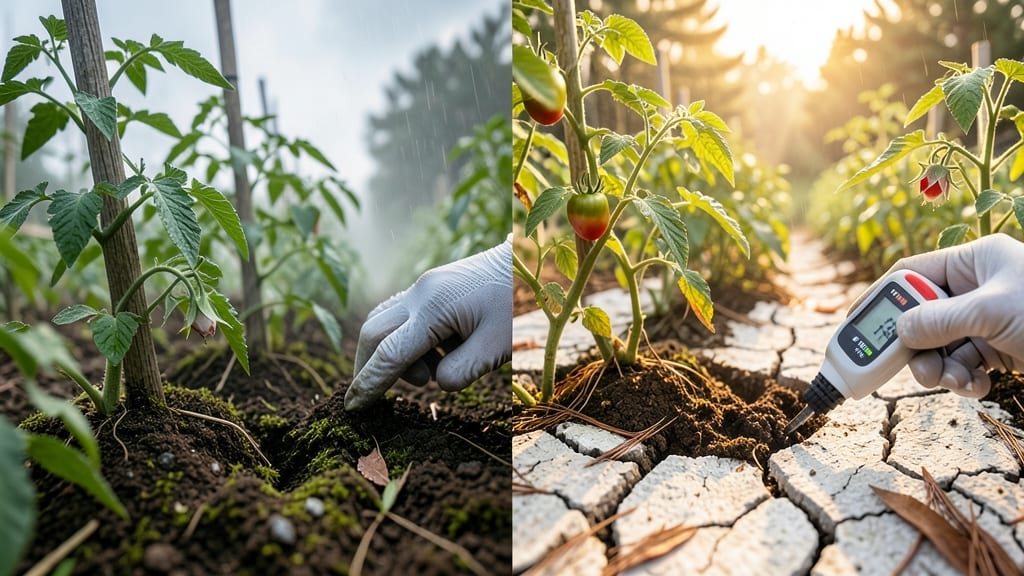
Did you know your tomato plants might need different pH love depending on where you live? The Pacific Northwest’s naturally acidic soils (often pH 5.5–6.0) contrast sharply with the Southeast’s alkaline tendencies (sometimes pH 7.0+), forcing gardeners to adapt strategies for the same plant.
In rain-soaked regions like the Pacific Northwest, focus on acid-loving varieties like 'Stupice' or 'Black Krim' and avoid over-amending with lime. Meanwhile, Southeast gardeners should prioritize calcium-rich amendments (like gypsum) to offset alkaline soils and prevent blossom-end rot. Even Midwest clay soils may need organic matter to buffer pH swings—test before planting!
This regional tweaking ensures your tomatoes thrive regardless of your ZIP code. 🌱
pH and Tomato Flavor Impact
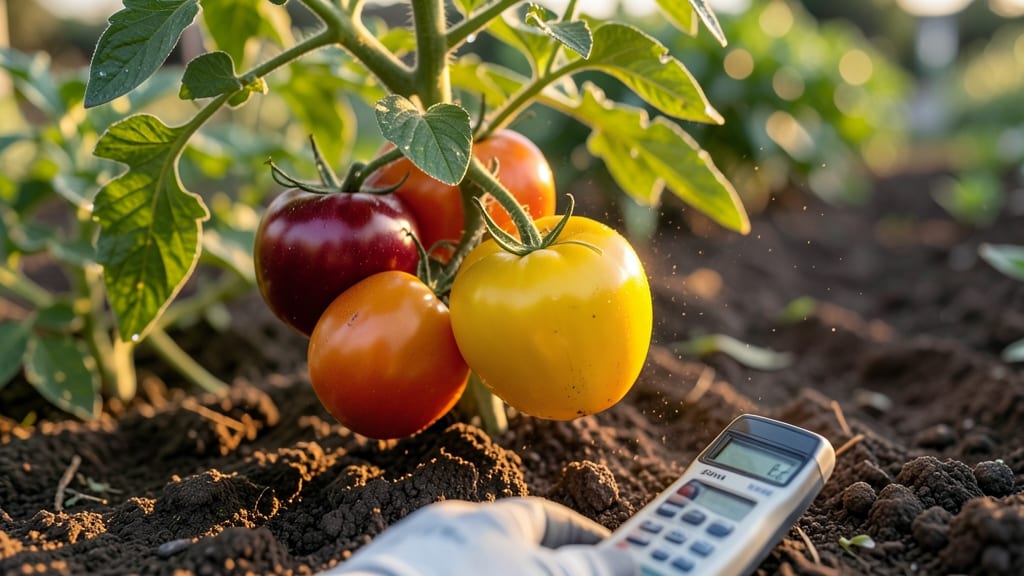
Ever notice how some tomatoes taste sweeter or more tangy than others? The secret might be hiding in your soil’s pH level. A slight shift from 6.0 to 6.8 can transform your fruit’s flavor profile, boosting sweetness or adding brightness—without changing anything else about your growing conditions.
At pH 6.0, tomatoes develop higher sugar content and a more complex flavor, thanks to better uptake of phosphorus and potassium. Meanwhile, a pH of 6.8 enhances acidity, making the fruit taste livelier and more vibrant—ideal for sauces or fresh eating. Nutrient density also shifts: lower pH increases iron and manganese, while higher pH boosts calcium and magnesium, subtly altering texture and shelf life.
This matters most for home gardeners who prioritize taste over yield. If you’re growing heirlooms or specialty varieties, experimenting with pH adjustments could unlock a whole new level of flavor in your harvest. 🌟
Long-Term pH Management Plan

Think of your tomato beds like a fine-tuned engine—without regular maintenance, even the best soil chemistry can drift out of balance. A seasonal pH management plan ensures your tomatoes stay in their ideal 5.8–6.8 range year after year, preventing nutrient lockout and maximizing fruit production.
Start by testing soil twice annually: once in early spring before planting and again in late summer after harvest. For container growers, test monthly since pH shifts faster in limited soil volumes. If your readings dip below 5.8, work in crushed limestone (1/4 cup per plant) and mix well. For pH above 6.8, add sulfur or pine needles (1/2 cup per square foot) and water thoroughly. Keep a simple garden journal to track adjustments—this helps you spot patterns over time.
This system is especially valuable for serious tomato growers who rotate crops annually or those in regions with naturally alkaline/acidic soil. A little seasonal attention now means fewer nutrient deficiencies and bigger harvests down the road. 💪