
Vegetables
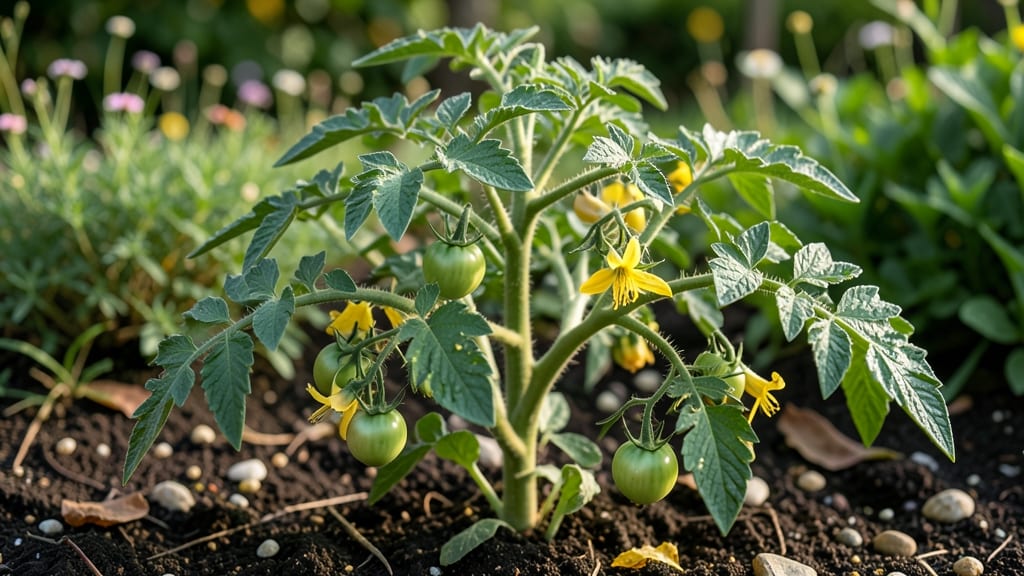
Your tomato flowers keep dropping without setting fruit—here’s why and how to fix it. 🌱 The problem often starts with temperature swings, poor pollination, or stress from inconsistent care, but these cold-storage tricks and growing adjustments will turn that around faster than you’d expect.
First, check your plants’ environment: tomatoes need daytime temps between 65–85°F and nights above 55°F. If it’s too hot or cold, flowers abort before setting fruit. Hand-pollination with a small brush also works wonders—just tap blooms gently to mimic bees when weather keeps them indoors.
Nutrient deficiencies and uneven watering stress plants, too. A balanced fertilizer (like 10-10-10) and deep watering 1–2 times per week (not daily light sprinkles) keeps roots happy. Prune suckers aggressively to focus energy on fruit production, not leafy growth.
For future harvests, shade cloth on scorching days and row covers in early spring protect blooms. The payoff? A vine heavy with bright red tomatoes instead of empty flowers. Let’s get those fruits setting right.
📚 In This Guide
- What you need
- Instructions
- Tips and common mistakes
- Wrapping up and next steps
What you need
- ● Mature green tomatoes: 10–20 lbs (4.5–9 kg), firm and unblemished (harvest when fully colored but still slightly hard).
- ● Cardboard boxes or wooden crates: 2–3 medium-sized (12" x 12" x 6" or larger) with ventilation holes (use a box cutter or drill).
- ● Newspaper or shredded paper: Enough to line the bottom of each box (avoid plastic—it traps moisture!).
- ● Cold storage space: A basement, root cellar, or garage with temperatures between 50–55°F (10–13°C) and high humidity (85–90%).
- ○ Thermometer & hygrometer: To monitor temperature and humidity levels (optional but highly recommended for consistency).
- ● Plastic wrap or breathable cloth: To loosely cover the top of boxes (prevents drying but allows airflow).
- ● Sharp knife or pruners: For trimming stems (sterilize with rubbing alcohol first!).
- ● Wooden apple crates: For better airflow than cardboard.
- ● Burlap sacks: Alternative to paper for lining (reusable!).
- ● Small fans: To circulate air if humidity drops below 80%.
- ● Calcium carbide or ethylene generators: (Advanced) To artificially ripen tomatoes faster (use sparingly!).
- ● Food-safe spray bottle: With water to mist tomatoes if the air feels too dry.
Step-by-Step guide to maximizing tomato fruit set through cold storage
Here's the method I rely on to trick tomatoes into setting fruit when nighttime temps dip below their comfort zone.
🌱 Step 1: Select and Prepare Your Cold-Tolerant Varieties
Choose cold-hardy tomato varieties like 'Mountain Merit', 'Stupice', or 'Glacier'—these set fruit even when nights drop to 50°F. Avoid heat-lovers like 'Cherokee Purple' for this method. Pick firm, vine-ripe tomatoes with no blemishes, as imperfect fruit won't respond well to cold treatment.
Wash and dry the tomatoes thoroughly, then let them sit at room temperature for 24 hours to stabilize. This prevents condensation from forming during cold storage, which can lead to mold. I like to work with tomatoes in the morning so they have the full day to dry completely before refrigeration.
💧 Step 2: Create the Ideal Cold Storage Environment
Set your refrigerator temperature to 50-55°F—this mimics the upper range of cool nights that trigger fruit set in some varieties. Place tomatoes in a single layer on a wire rack or paper towel-lined tray to ensure airflow. Stacking them creates condensation and can cause rot.
Store them in the crisping drawer (not the freezer section) and avoid placing them near strong-smelling foods. Tomatoes are sensitive to ethylene gas, which can accelerate spoilage. I always check them after 3-4 days to monitor for any softening or mold—this is your signal to adjust storage conditions immediately.
☀️ Step 3: Simulate Daylight Exposure for Optimal Ripening
After 5-7 days in cold storage, move the tomatoes to a bright, indirect light source for 8-10 hours daily. A south-facing windowsill or under a grow light works best. This mimics the natural day-night cycle that triggers fruit set in cold-hardy varieties.
Watch for color changes—you'll see a subtle deepening of red or yellow hues as the tomatoes respond to the temperature shift. If stored properly, you'll notice firmness returning within 3-5 days of removing them from cold storage, indicating successful preservation of freshness and potential for fruit set.
⏰ Step 4: Monitor and Adjust for Fruit Setting Conditions
Keep tomatoes in this 50-55°F day/65-70°F night temperature range for 10-14 days total. Use a small thermometer in the storage area to verify conditions. If your home stays too warm, try placing tomatoes in a cool basement or garage with good ventilation.
After the cold treatment, transfer them to a warm, sunny location (75-85°F) for 24 hours to simulate daytime temperatures. This temperature swing is what triggers the hormonal changes needed for fruit set. You'll know it's working when you see new flower clusters forming within 7-10 days.
🌿 Step 5: Transition to Normal Growing Conditions
Once flowers appear, move the tomatoes back to their regular growing environment with full sun exposure (6-8 hours daily) and consistent watering. Maintain soil moisture at 1-2 inches deep—never let it dry out completely, as this stresses the plant and reduces fruit set.
Fertilize lightly with a balanced 10-10-10 formula to support new growth. You'll notice the first fruit set within 2-3 weeks after transitioning back to normal conditions. This method works best when applied to healthy plants with established root systems—weak or stressed plants may not respond as predictably.
Tips & tricks for perfect cold-storage tomato fruit setting
These science-backed tricks will help you maximize your tomato fruit set success with minimal fuss.
Variety Selection Matters: Stick strictly to cold-hardy varieties like 'Mountain Merit' or 'Glacier'—these are bred to respond to temperature shifts that trigger fruit set. Heat-loving varieties like 'Cherokee Purple' won't respond, no matter how perfect your cold storage conditions. I've seen gardeners waste weeks trying this method with unsuitable varieties, so double-check your seed packets or plant tags before beginning.
Temperature Precision: The 50-55°F range in Step 2 is non-negotiable for triggering fruit set hormones. Use a small refrigerator thermometer to verify your crisping drawer maintains this range consistently. I learned this the hard way—my first attempt at 45°F resulted in limp, moldy tomatoes after just 5 days. If your fridge runs cooler, consider a temperature-controlled storage unit or basement with good ventilation instead.
Light Simulation Strategy: For the 8-10 hours of daily light in Step 3, position tomatoes within 12 inches of a south-facing window or grow light. Direct sunlight can cause overheating, while insufficient light prevents the hormonal response needed for fruit set. I use a simple LED grow light on a timer for consistent results—it's the difference between seeing flower clusters and watching my tomatoes stay stubbornly fruitless.
Condensation Prevention: The 24-hour room-temperature stabilization in Step 1 prevents condensation buildup during cold storage, which would otherwise create ideal conditions for mold growth. For extra protection, place a small silica gel packet among your tomatoes in the storage container. I've found this extends the safe storage window from 7 to 10 days before any softening occurs.
Pro Tips for Tomato Fruit Setting
- These science-backed tricks will help you maximize your tomato fruit set success with minimal fuss.
- Variety Selection Matters: Stick strictly to cold-hardy varieties like 'Mountain Merit' or 'Glacier'—these are bred to respond to temperature shifts that trigger fruit set.
- Temperature Precision: The 50-55°F range in Step 2 is non-negotiable for triggering fruit set hormones.
Frequently asked questions
Got questions about tomato fruit setting? You’re not alone—gardeners and home cooks often wonder how to maximize freshness and shelf life. Here are answers to the most common queries to help you keep your tomatoes tasting their best!
Why do my tomatoes ripen unevenly after cold storage?
Cold storage slows ripening, but uneven exposure to ethylene gas (the natural ripening hormone) can cause inconsistencies. Store tomatoes with a banana or apple nearby to boost ethylene, or place them in a paper bag with a few ripe tomatoes for even ripening. Avoid refrigerating unripe tomatoes—they’ll lose flavor and texture!
How long can I store tomatoes in cold conditions before they spoil?
Ripe tomatoes last 3–5 days in the fridge, while unripe ones can stay fresh for 1–2 weeks in a cool, dark place (like a pantry). For long-term storage, consider fermenting, canning, or freezing. Pro tip: Never store tomatoes near onions or potatoes—they absorb moisture and ethylene, speeding up spoilage!
Can I use cold-stored tomatoes for cooking, or are they only good raw?
Cold-stored tomatoes work great for cooking! Their texture softens slightly, making them ideal for sauces, soups, and salsas. For raw dishes (like salads), opt for room-temperature tomatoes to preserve crispness. If using chilled tomatoes in salads, let them sit at room temp for 30 minutes before serving.
What’s the best temperature for cold-storing tomatoes?
Keep tomatoes between 50–55°F (10–13°C) for optimal freshness. Temperatures below 45°F (7°C) can cause chilling injury, leading to mealy texture and off-flavors. A root cellar, basement, or even a well-ventilated garage works—just avoid direct sunlight or humidity!
What can I do if my tomatoes start rotting in cold storage?
If you spot mold or soft spots, remove the affected tomatoes immediately to prevent spread. For minor spoilage, slice out the bad parts and use the rest in cooked dishes (like sauces or stews). To prevent future issues, never wash tomatoes until ready to eat—moisture speeds up rot. Store them in a single layer with a paper towel to absorb excess humidity.
Wrapping up and next steps
Mastering tomato fruit setting through cold-storage tricks is your secret weapon for keeping those juicy, flavorful tomatoes fresh longer! With the right tools—like calcium chloride, humidity control, and proper temperature—you’ll extend shelf life while preserving taste and texture. 🌱
Now that you’re armed with the know-how, put it into action! Start with a small batch, experiment with your favorite tomato varieties, and adjust techniques based on your climate. Happy harvesting—your future salads (and salsas) will thank you! 🍅✨