
Flowers
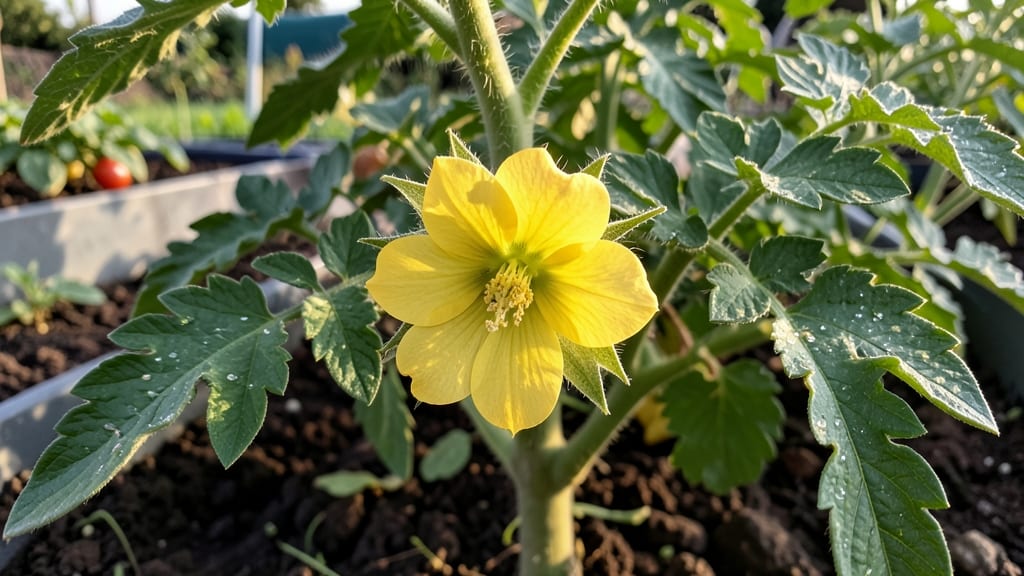
Unpollinated tomato flowers mean no fruit—unless you step in. 🌱 I’ve watched my tomato plants bloom beautifully only to drop flowers like they’re out of season, and I learned the hard way that nature sometimes needs a little help.
The problem usually comes down to three things: bad weather trapping bees inside, indoor growing with no pollinators, or plants stressed by heat or pests. Shaking plants or brushing flowers with a soft paintbrush mimics bee activity and triggers fruit set within days.
You’ll start seeing tiny tomatoes form in just a week, and with consistent pollination, your plants will produce a harvest that rivals the neighbors’. Even in containers or greenhouses, this method works reliably. The best part? No fancy tools—just your hands and a few minutes each morning.
Here’s how to make it happen, whether your tomatoes are outdoors or on a sunny windowsill.
Root Causes of Empty Tomato Blooms
Understanding why your tomato flowers fail to set fruit starts with recognizing the key factors that disrupt pollination. While nature handles this process effortlessly, gardeners often face challenges—especially in controlled environments like greenhouses or during unpredictable weather.
Below, we break down the primary reasons your tomato flowers might remain unpollinated, along with actionable insights to address them.
Tomatoes rely on wind, bees, or physical movement to transfer pollen from the anther (male part) to the stigma (female part). When these natural mechanisms fail, flowers drop off without forming fruit. Here’s why:
- Lack of Wind or Insect Activity
- Tomatoes are self-pollinating, but they still need a gentle nudge. In still air (common in greenhouses or urban gardens), pollen may not reach the stigma efficiently. Bees and other pollinators might also avoid enclosed spaces or areas treated with pesticides.
- High Humidity or Rain
- Excess moisture can weigh down stamens, preventing them from releasing pollen. Rain can also wash away pollen before it reaches the stigma, leaving flowers barren.
- Extreme Heat or Cold
- Temperatures above 90°F (32°C) or below 50°F (10°C) stress tomato plants, causing flowers to abort (drop off) before pollination occurs. This is especially true for determinate varieties, which are more sensitive to temperature swings.
💡 Pro Tip: If your garden lacks pollinators, hand-pollinate on calm, dry days for best results. Use a small brush or gently shake plants to dislodge pollen.
When tomato plants are nutritionally deprived or physically stressed, they prioritize survival over fruit production. This often leads to flower drop before pollination can occur.
- Nitrogen Overload
- Too much nitrogen (common in fast-release fertilizers) promotes leafy growth at the expense of flowers and fruit. While lush foliage looks great, it delays or prevents flowering.
- Phosphorus or Potassium Shortages - Phosphorus (P) is critical for flower and fruit development. A deficiency (yellowing leaves, stunted growth) means fewer blooms—and those that form may not pollinate properly. - Potassium (K) supports overall plant health and stress resistance.
Low potassium (weak stems, brown leaf edges) makes plants more susceptible to environmental stressors that hinder pollination.
- Water Stress
- Overwatering leads to root rot, while underwatering causes wilting. Both scenarios stress the plant, triggering flower abortion (a survival mechanism to conserve energy).
- Irregular watering (e.g., drought followed by sudden soaking) disrupts nutrient uptake, further impairing pollination.
📊 Quick Fix: Conduct a soil test and amend with a balanced fertilizer (e.g., 5-10-10) at the first sign of deficiency. For stressed plants, deep watering (1–2 inches per week) keeps roots healthy.
Not all tomato varieties pollinate with equal ease. Some are more sensitive to environmental conditions or have inherent traits that affect fruit set.
- Determinate vs. Indeterminate Tomatoes - Determinate varieties (e.g., Roma, Bush Early Girl) produce flowers in clusters and are more prone to flower drop under stress.
They often need consistent pollination to set fruit. - Indeterminate varieties (e.g., Cherry, Beefsteak) grow continuously and may skip flowering if pruned improperly or if growing conditions fluctuate.
- First-Flower Syndrome
- Young tomato plants (especially in greenhouses or early spring) may produce sterile or weak flowers due to immature reproductive development. These flowers often fall off without setting fruit.
- Self-Sterility or Pollen Viability Issues
- Some heirloom or hybrid varieties have reduced pollen viability, meaning even if pollination occurs, the stigma may not receive fertile pollen. This is rare but can explain consistent failure in certain cultivars.
✨ Solution: Choose pollinator-friendly varieties (e.g., 'Solar Fire' or 'Sweet Million') if your garden lacks natural helpers. For greenhouse growers, supplemental lighting (14+ hours of light) can encourage stronger flower development.
Sometimes, external factors—or even well-meaning gardening practices—sabotage pollination.
- Pesticide or Herbicide Use
- Systemic pesticides (e.g., neonicotinoids) can kill pollinators (bees, hoverflies) or damage plant anatomy, reducing pollen production.
- Herbicides near tomato plants may stress roots, indirectly affecting flower health.
- Over-Pruning or aggressive Staking
- Removing too many suckers (side shoots) can reduce flowering sites. Similarly, tightly binding vines may restrict natural movement, preventing pollen dispersal.
- Artificial Lighting at Night
- Tomatoes are short-day plants, meaning they flower in response to day-length changes. Excessive artificial light (e.g., security lights) can delay or prevent flowering.
🔥 Action Step: If using pesticides, opt for organic or targeted sprays (e.g., neem oil) applied early in the day to minimize harm to pollinators. Avoid pruning during peak flowering periods.
Sometimes, combined factors lead to unpollinated flowers. For example:
- A nutrient-deficient plant (low potassium) + high humidity + lack of pollinators = massive flower drop.
- First-flower syndrome + greenhouse heat stress = sterile blooms.
🎯 Diagnostic Checklist:
| Symptom | Likely Cause | Solution |
|---|---|---|
| Flowers drop before opening | Heat stress, nitrogen excess | Shade cloth, balanced fertilizer |
| Flowers open but no fruit | Pollen viability issues, no pollinators | Hand-pollinate, attract bees |
| Weak stems, yellow leaves | Potassium deficiency, overwatering | Epsom salt (magnesium), adjust watering |
| No flowers at all | Immature plant, over-pruning | Wait for maturity, reduce pruning |
Quick fixes for blossom drop
If your tomato plants are dropping flowers before they set fruit, don’t panic—there’s still time to save your harvest! The key is understanding the why behind the problem and matching it with the right how.
Below, we’ve mapped out practical solutions for the most common causes of unpollinated tomato flowers, along with prevention tips to keep your plants thriving. Grab your gloves and let’s get growing!
Tomatoes are finicky about temperature—too hot or too cold, and they’ll drop blossoms faster than you can say "salsa night." Here’s how to bring things back into the just-right zone:
🔥 Fix for Heat Stress (Above 90°F/32°C) - 🌳 Provide Shade: Use shade cloth (30-50% coverage) during peak afternoon sun.
Even a simple row cover or a DIY shade structure with bamboo poles and cheesecloth works. - 💧 Water Deeply: Keep soil consistently moist (but not soggy) to help roots regulate temperature.
Water in the early morning to reduce evaporation. - 🌿 Mulch Like a Pro: Apply 2-3 inches of organic mulch (straw, grass clippings, or wood chips) to insulate roots and keep soil cooler. - 🌅 Adjust Planting Time: If you’re in a hot climate, opt for heat-tolerant varieties like ‘Solar Fire’ or ‘Heatmaster.’
Plant seedlings in late spring or early summer to avoid early heat waves.
❄️ Fix for Cold Stress (Below 55°F/13°C) - 🛡️ Protect with Row Covers: Lightweight frost blankets or row covers can add 4-8°F to soil temperature.
Secure edges with bricks or soil to prevent wind damage. - 🌱 Choose Cold-Hardy Varieties: If you’re in a short season, try ‘Stupice’ or ‘Glacier’—they set fruit in cooler temps. - 🍅 Extend the Season: Use black plastic mulch to warm the soil faster in spring.
For fall, plant in warm microclimates like near south-facing walls.
Tomatoes hate drama—especially when it comes to hydration. Too much or too little water throws off their pollen production and fruit set. Here’s how to keep them steady:
💦 Fix for Underwatering - 🔄 Water Deeply and Infrequently: Aim for 1-1.5 inches of water per week, delivered slowly to encourage deep root growth.
Use a soaker hose or drip irrigation to avoid wetting leaves (which spreads disease). - 🌱 Check Soil Moisture: Stick your finger 2 inches into the soil.
If it’s dry, it’s time to water. Pro tip: Use a moisture meter for precision! - 🌿 Improve Drainage: Amend heavy clay soil with compost or sand to prevent waterlogging, which can suffocate roots.
🌊 Fix for Overwatering - 🚰 Let the Soil Dry Slightly: Tomatoes prefer consistent moisture, not soggy soil.
Wait until the top inch of soil feels dry before watering again. - 🪴 Use Containers with Drainage: If growing in pots, ensure they have drainage holes and avoid saucers that trap excess water. - 🍅 Monitor for Blossom End Rot: Overwatering (or uneven moisture) can cause this common issue.
Apply calcium-rich fertilizer or crushed eggshells to prevent it.
If bees aren’t visiting, you’ll need to step in! Tomatoes are self-pollinating, but they still need a little assistance when conditions aren’t ideal.
👨🍳 How to Hand-Pollinate Tomatoes - 🌸 Pick the Right Time: Pollinate on a dry, sunny morning when flowers are fully open.
Avoid windy or humid days. - 🖌️ Use a Soft Brush or Cotton Swab: Gently brush the stamens (the yellow tips) against the pistil (the center cone) of each flower.
For stubborn flowers, use a cotton swab dipped in water to transfer pollen. - 🤲 Try the "Shake It Up" Method: If you have multiple plants, give the stems a gentle shake to dislodge pollen.
Works best for determinate varieties (bush tomatoes). - 🌬️ DIY Pollinator Hotel: Place a shallow dish of sugar water (1:1 ratio) near your plants to attract bees. Add native flowers like marigolds or borage to boost pollinator traffic.
🌿 Prevention Tips for Future Harvests
- 🐝 Plant Pollinator-Friendly Flowers: Interplant tomatoes with bee magnets like basil, marigolds, or nasturtiums.
- 🌱 Avoid Overuse of Pesticides: Chemicals can repel pollinators.
Opt for neem oil or insecticidal soap instead. - 🌱 Choose Determinate Varieties: These produce fruit in clusters, making hand-pollination easier than with sprawling indeterminate types.
Tomatoes are heavy feeders, and if their diet is off, they’ll drop blossoms faster than you can say "ketchup." Here’s how to balance their nutrients:
🍽️ Fix for Nitrogen Overload - 🌿 Switch to a Balanced Fertilizer: If your plants are lush but fruitless, they’re getting too much nitrogen.
Use a 5-10-10 or 10-10-10 fertilizer (NPK ratio) to encourage flowering and fruiting. - 🥔 Add Phosphorus: A phosphorus boost (like bone meal or rock phosphate) promotes root and flower development.
Mix 1-2 tablespoons into the soil at planting time. - 🍅 Avoid Fresh Manure: It’s high in nitrogen and can burn roots. Compost it first or use aged manure instead.
🍽️ Fix for Calcium or Potassium Deficiency
- 🥚 Add Calcium: Blossom drop can signal calcium deficiency. Sprinkle crushed eggshells around the base of plants or use calcium nitrate fertilizer.
- 🍠 Boost Potassium: Potassium helps with fruit set and disease resistance.
Use a banana peel tea (steep peels in water for a week) or wood ash (sprinkle lightly around the base). - 🌱 Soil Test First: Before amending, test your soil’s pH and nutrient levels. Most tomatoes thrive in 6.2-6.8 pH.
Tomatoes hate feeling cramped or uprooted. If they’re stressed, they’ll drop flowers faster than you can say "salsa." Here’s how to ease their anxiety:
🌱 Fix for Transplant Shock - 🌱 Harden Off Seedlings: Before transplanting, gradually expose seedlings to outdoor conditions over 7-10 days.
Start with 1-2 hours of sun and work up to full exposure. - 🌿 Transplant at the Right Time: Wait until nighttime temperatures stay above 50°F (10°C).
Avoid transplanting during heat waves or cold snaps. - 🌱 Use Root Stimulator: Dip roots in water or a rooting hormone before planting to encourage faster establishment.
🌿 Fix for Overcrowding
- 📏 Give Them Space: Tomatoes need 18-24 inches apart
Frequently asked questions
Why do my tomato flowers keep falling off without forming fruit?
This usually happens due to heat stress (above 90°F/32°C), lack of pollinators, or nutrient imbalances. Tomatoes drop flowers when they're stressed, so check for consistent moisture, proper spacing, and balanced fertilizer. Hand-pollination can also help if bees aren't visiting!
How do I know if my tomato flowers are pollinated?
Pollinated flowers will start showing a tiny green bump at the base where the ovary is developing. Within 5-7 days, this bump will grow into a small tomato. If flowers just wilt and drop without any swelling, they weren't pollinated.
Can I use a paintbrush to pollinate tomato flowers?
Yes! A soft paintbrush works perfectly. Gently brush the yellow stamens (pollen-bearing parts) against the green center (stigma) of each flower. Do this on dry mornings when flowers are fully open for best results. A cotton swab dipped in water also works for stubborn flowers!
Will shaking the tomato plant help with pollination?
Gently shaking plants (especially determinate varieties) dislodges pollen from the stamens. Do this early in the morning when flowers are dry. For best results, shake for 5-10 seconds per plant when flowers are fully open but before they wilt.
What should I do if my greenhouse tomatoes aren't pollinating?
Greenhouses often lack natural pollinators, so you'll need to hand-pollinate daily. Use a small brush or cotton swab, and consider adding supplemental lighting (14+ hours) to encourage stronger flower development. Planting bee-friendly flowers near vents can also attract occasional visitors!