
Vegetables
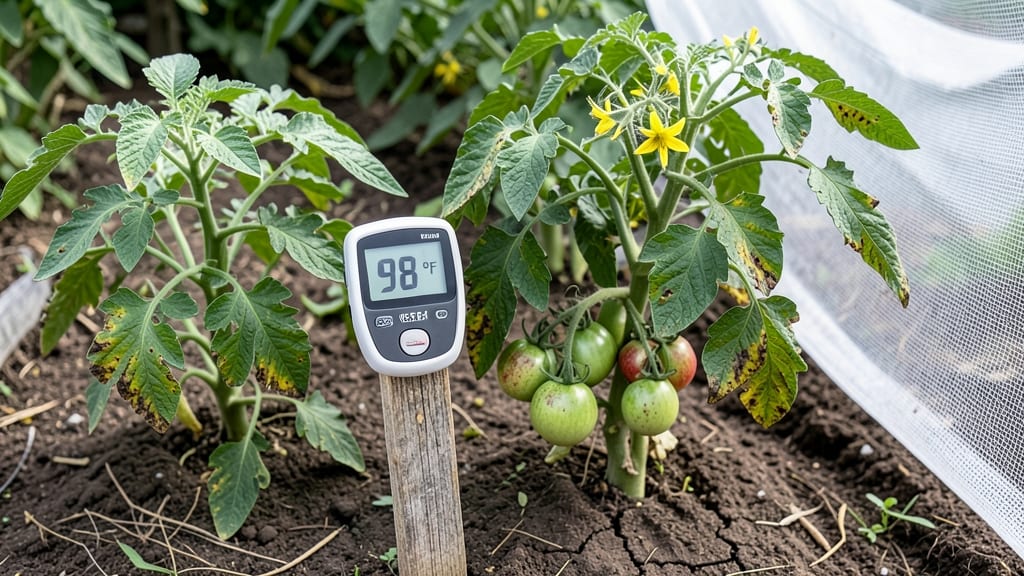
Your tomatoes are showing the classic tomato heat stress symptoms—dropping blossoms and developing leathery, sun-scorched fruit—that can ruin a season’s harvest. 🌞 I’ve lost entire batches to this silent killer, but I’ve also learned how to revive plants and prevent future damage with simple adjustments that work even in scorching summers.
The problem starts when daytime temps hit 90°F+, causing flowers to abort and fruit to develop white, chalky patches. Tomatoes also wilt midday even when soil is moist—a sure sign they’re struggling to process heat.
The good news? Shade cloth, strategic watering, and pruning can turn things around in days, not weeks.
By evening, you’ll see cooler leaves, fewer dropped blossoms, and fruit that stays firm and flavorful. The key is acting fast: provide afternoon shade, water deeply at dawn, and prune suckers to reduce stress. Most plants bounce back within 3-5 days of proper care.
For stubborn cases, consider mulching heavily and avoiding fertilizers that boost leafy growth over fruit. If symptoms persist after two weeks, consult your local extension office—they can help diagnose hidden issues like disease or nutrient deficiencies.
Why it happens
When your tomato plants start showing signs of heat stress—like wilting leaves, scorched fruit, or sudden blossom drop—it’s not just a random act of nature. Behind these symptoms lie specific environmental and physiological triggers that disrupt your plants' normal growth patterns.
Let’s break down the key reasons why tomatoes struggle under heat stress, so you can address the root of the problem and keep your harvest thriving.
🌡️ Extreme Temperatures Beyond Tolerance
Tomatoes are warm-weather plants, but they have limits. While they thrive in temperatures between 70–85°F (21–29°C), prolonged exposure to above 90°F (32°C) or sudden spikes can push them into distress. Here’s why:
- Enzyme Disruption: Heat stress interferes with enzymes responsible for photosynthesis, respiration, and nutrient uptake. For example, Ribulose-1,5-bisphosphate carboxylase/oxygenase (Rubisco), the enzyme that converts CO₂ into sugars, becomes less efficient in extreme heat, reducing energy production.
- Cell Membrane Damage: High temperatures cause cell membranes to become fluid and unstable, leaking vital nutrients like potassium and magnesium. This leads to wilting and leaf scorch as the plant struggles to maintain turgor pressure.
- Pollination Failure: Tomato flowers rely on buzz pollination (vibrations from bees) to release pollen. When temperatures exceed 95°F (35°C), the pollen grains clump together and fail to fertilize ovules, resulting in blossom drop.
Pro Tip: 🌡️ Use a shade cloth (30–50%) during peak afternoon heat to protect plants without stunting growth. Mulching with straw or grass clippings also helps regulate soil temperature.
💧 Water Stress from Evaporative Loss
Heat accelerates transpiration—the process where plants lose water through their leaves. If your tomatoes don’t get enough water to compensate, they’ll show classic heat stress symptoms:
- Soil Moisture Deficit: Even well-drained soil can dry out quickly in heatwaves. Roots struggle to absorb water, leading to stunted growth and fruit cracking as cells expand unevenly.
- Osmotic Imbalance: When water loss isn’t replenished, guard cells in leaves close stomata to conserve moisture. This reduces gas exchange, causing yellowing leaves (chlorosis) and scorched leaf edges.
- Root Zone Compaction: Hot, dry soil can become hard and crusty, preventing roots from penetrating deeper for moisture. This forces plants to rely on shallow, easily depleted water sources.
Pro Tip: 💡 Water deeply and early in the morning (1–1.5 inches per week) to encourage deep root growth. Drip irrigation or soaker hoses deliver water directly to the roots, minimizing evaporation.
🌿 Nutrient Uptake Shutdown
Heat stress doesn’t just affect water—it also disrupts the uptake of essential nutrients, leading to secondary deficiencies that mimic heat symptoms:
- Nitrogen Lockout: High temperatures reduce microbial activity in the soil, slowing the breakdown of organic matter. Without enough nitrogen, leaves turn pale yellow, and new growth weakens.
- Calcium Deficiency: Heat accelerates transpiration, but calcium (needed for cell wall strength) moves slowly through the plant. This causes blossom end rot in fruit and weak stems prone to snapping.
- Potassium Starvation: Potassium helps regulate water balance and stress responses. In heat, plants leach potassium through their leaves, leading to brown, crispy leaf margins and poor fruit development.
Pro Tip: ✨ Apply a balanced fertilizer (10-10-10 or 5-10-10) at the first sign of heat stress, and side-dress with compost to boost microbial activity. Foliar sprays with calcium nitrate can also help.
🌞 Soil Heat Buildup and Root Stress
While we often focus on air temperature, the soil temperature is equally critical. When soil heats up beyond 90°F (32°C), roots suffer:
- Root Desiccation: Hot soil pulls moisture out of roots faster than they can absorb it, leading to root death and reduced nutrient absorption.
- Anaerobic Conditions: Compacted or waterlogged soil (common in heat) can create oxygen-poor zones, suffocating roots and causing blackened, mushy roots.
- Microbe Inhibition: Beneficial soil bacteria and fungi slow down or die in extreme heat, reducing their ability to fix nitrogen and break down organic matter.
Pro Tip: 🌱 Use organic mulch (straw, wood chips) to insulate soil and keep temperatures stable. Avoid working the soil when it’s hot—wait until evening or water thoroughly before tilling.
Reviving Your Tomatoes: Step-by-Step Fixes
Heat stress can turn your thriving tomato plants into wilting, fruitless shadows—but don’t despair! With the right interventions, you can nurse them back to health and even salvage some of your harvest.
Below, we’ve mapped out practical, actionable solutions tailored to the root causes of heat stress, from immediate first aid to long-term prevention. Think of this as your tomato plant’s emergency care guide.
If your tomato flowers are falling off like confetti in a summer storm, act fast to save your future fruit.
🔥 Cool Them Down Immediately
- Shade cloth to the rescue: Drape 30-50% shade cloth over your plants during peak afternoon heat (12 PM–4 PM). This reduces temperatures by 10–20°F instantly.
Secure it with stakes or a hoop system to avoid crushing plants. - Mulch like a pro: Spread 2–4 inches of organic mulch (straw, wood chips, or grass clippings) around the base of the plant.
This keeps roots cool and retains moisture. Pro tip: Wet the mulch before applying—it’ll cool faster! 💡
💧 Hydrate Strategically
- Deep watering > shallow sprinkles: Water early in the morning (5–8 AM) to give roots a slow, steady drink. Aim for 1–1.5 inches of water per week, delivered directly to the soil (not the leaves).
Use a soaker hose or drip irrigation to avoid wetting foliage, which can encourage disease. - Avoid evening watering: Wet leaves at night = fungal party. Heat stress + moisture = recipe for blight.
🍳 Boost Pollination (Yes, Tomatoes Need Help!)
Heat weakens bees, but you can hand-pollinate like a boss:
- Gentle shake: Lightly shake the plant every 2–3 days during flowering to dislodge pollen.
- DIY pollinator: Use a small paintbrush or cotton swab to transfer pollen from one flower to another. Bonus: Do this in the early morning when flowers are open and sticky.
🌱 Prevent Future Drop-Outs
- Choose heat-tolerant varieties: Next season, opt for ‘Heatmaster,’ ‘Solar Fire,’ or ‘Creole’—these tomatoes thrive in 90°F+ heat.
- Prune for airflow: Remove suckers (those little shoots in the leaf axils) to improve airflow and reduce heat buildup in the canopy.
If your tomatoes are already showing sunburn (blotchy, leathery patches), focus on protection and recovery.
👨🍳 Shield the Fruit
- Leafy canopy cover: Train lower leaves to cascade downward (a technique called "pruning to the ground").
This shades the fruit from direct sun while keeping the plant’s energy focused on existing tomatoes. - DIY fruit sunscreen: For green tomatoes (unripe), wrap them loosely in white cheesecloth or aluminum foil to reflect sunlight. Secure with a twist tie—no need to suffocate them! 🥘
🔪 Trim and Redirect Energy
- Remove damaged fruit: If a tomato is severely scorched, snip it off. The plant will redirect energy to healthier fruit.
- Focus on one cluster: If your plant is struggling, prune all but one fruit cluster per stem.
Fewer tomatoes = more resources per fruit.
🌡️ Cool Down the Soil
- Clay pot swap: If possible, transplant stressed plants into larger clay pots (they absorb heat better than plastic). Bury the pots halfway in the ground for stability.
- Hydrogel boost: Mix hydrogel crystals into the soil around the roots.
They absorb water and release it slowly, keeping roots cool for days.
🎯 Long-Term Heat-Proofing
- Afternoon shade: Install permanent shade structures (like a trellis with shade cloth) for varieties sensitive to heat.
- Drip irrigation + mulch combo: Automate watering with a smart timer to keep soil consistently moist without overwatering.
Once you’ve revived your plants, lock in these habits to avoid future meltdowns:
- 🌱 Plant timing: Start seeds 4–6 weeks before your last frost date (not too early—cool starts can delay heat tolerance). - 🥗 Soil prep: Amend soil with compost and perlite for better drainage and heat resistance. - 🌡️ Monitor temps: Use a soil thermometer—ideal root temps are 60–75°F.
If it hits 85°F+, take action. - 🍅 Succession planting: Stagger plantings so you’re always harvesting (and replacing) tomatoes as the season heats up.
Remember: Tomatoes are tougher than they look! With these fixes, you’ll not only save your current crop but also build resilience for next year’s garden. Now go forth and grow—your salsa awaits! 🌿🍅
Frequently asked questions
What do tomato leaves look like when they're heat-stressed?
Heat-stressed tomato leaves often show crispy, brown edges or scorched spots that appear white or bleached. You may also see drooping or wilting even when soil is moist, and leaves may develop a grayish cast as they struggle to regulate temperature. The undersides can look pale or yellowish due to reduced chlorophyll production.
Why are my tomato flowers dropping off in hot weather?
Blossom drop occurs when daytime temps exceed 95°F (35°C), causing pollen to clump together and fail to fertilize ovules. Heat also disrupts the plant's energy balance, making it "abort" flowers to conserve resources. This is especially common in afternoon heat—provide 30-50% shade cloth during peak hours to prevent it.
Can I save tomatoes already showing sunburn symptoms?
Mild sunburn (white, chalky patches) can often be managed by pruning affected leaves and providing afternoon shade. For severely scorched fruit, remove it to redirect the plant's energy. Wrap green tomatoes in white cheesecloth to protect them from further damage while they ripen.
How often should I water tomatoes during a heatwave?
Water deeply once daily in extreme heat, aiming for 1-1.5 inches of water per week. The best time is early morning (5-8 AM) to allow foliage to dry before evening. Use drip irrigation or soaker hoses to deliver water directly to roots and minimize evaporation.