
Plants
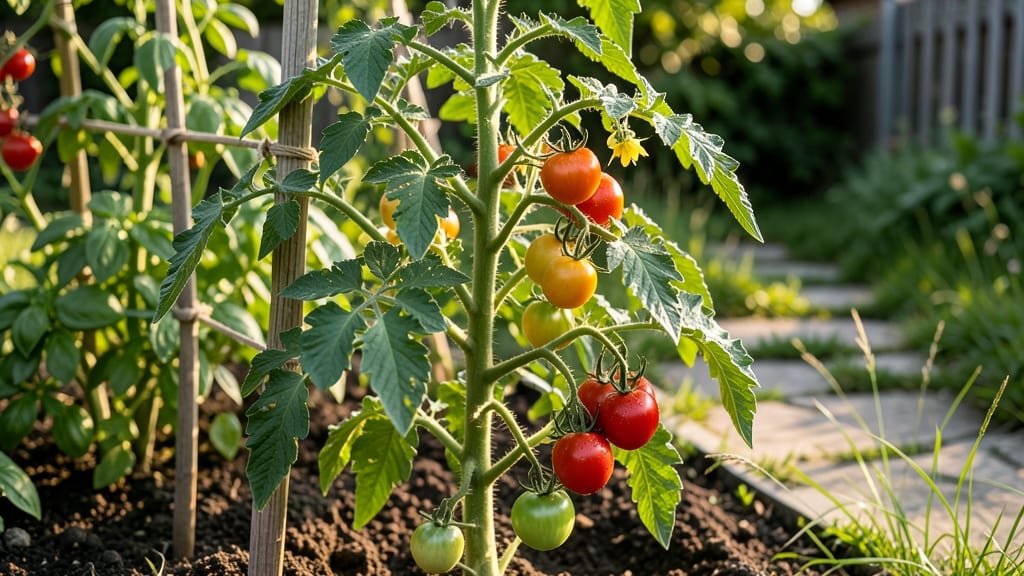
Your tomato plant looks like it’s throwing a fit—wilting leaves or yellowing edges mean something’s wrong, and we’re fixing it before it’s too late. 🌱 I’ve seen this exact scenario play out in my own garden (and yes, I mean that literally—my 2022 tomato plants looked like this after a week of heavy rain).
The good news? Most of these issues have quick fixes, and we’ll walk through them step by step.
Wilting could mean underwatering, overwatering, or even a fungal infection creeping in. Yellowing leaves often signal nutrient deficiencies—especially nitrogen—or early signs of blight. The key is acting fast: check the soil moisture first (stick your finger in—if it’s dry, water; if it’s soggy, hold off).
Then, inspect the undersides of leaves for pests or spots. Healthy tomato plants have deep green, slightly waxy leaves—anything less is a red flag.
You’ll get your plant back on track in 24-48 hours with the right adjustments: prune affected leaves, adjust watering, and apply a balanced fertilizer if needed.
The goal? Restore that vibrant, glossy green we all love. For stubborn cases, we’ll cover organic sprays and soil amendments that work without harsh chemicals.
This works for backyard gardens, containers, and even those towering cages in community plots. Whether it’s a heatwave, a sudden downpour, or just plain neglect, we’ve got you covered. Let’s turn those sad leaves around before they become a full-blown crisis.
Root Causes Behind Leaf Changes
When your tomato plant starts looking off—whether leaves are wilting, yellowing, curling, or developing strange spots—it’s almost always a sign that something’s gone awry beneath the surface. Understanding the why behind these visual clues is key to saving your plants before the problem spirals out of control.
Below, we break down the most common culprits, backed by science, so you can diagnose and act fast.
Tomato plants are thirsty, but too much water is a silent killer. When roots sit in soggy soil for too long, they suffocate, starving the plant of oxygen.
This triggers anaerobic conditions, where harmful bacteria and fungi take over, leading to: - Yellowing leaves (chlorosis) starting from the bottom up—a classic sign of root rot. - Wilting despite wet soil (the plant can’t absorb water efficiently). - Black, mushy stems at the base, which is a late-stage warning.
Why it happens:
- Compacted or clay-heavy soil holds water like a sponge.
- Lack of drainage holes in containers traps excess moisture.
- Overzealous watering (especially on a schedule without checking soil moisture).
Pro tip: 🌡️ Stick your finger 1–2 inches into the soil—if it’s damp, wait. Tomato plants prefer "dry but not drought-stricken" soil.
Tomatoes are warm-weather lovers, but extreme heat or sudden temperature swings can shock them into distress.
When daytime temps soar above 90°F (32°C) or nights dip below 50°F (10°C), you’ll see: - Curling or cupping leaves (the plant tries to reduce water loss). - Yellowing edges (heat scorch). - Premature fruit drop (the plant shifts energy to survival).
Why it happens:
- Lack of shade in peak afternoon sun (especially for young plants).
- Poor airflow around the plant traps heat.
- Cold drafts (e.g., near AC units or in early spring).
Pro tip: ✨ Use shade cloth (30–50%) during heatwaves or mulch heavily to keep roots cool.
Tomatoes are heavy feeders, and a lack (or excess) of key nutrients throws them off balance. Here’s what to watch for:
| Symptom | Likely Culprit | What It Looks Like |
|---|---|---|
| Yellow lower leaves | Nitrogen deficiency | Pale green/yellow, older leaves first. |
| Purple stems/leaves | Phosphorus deficiency | Stunted growth, weak roots. |
| Brown leaf edges | Potassium deficiency | Scorched tips, weak fruit development. |
| Yellow veins | Magnesium deficiency | Interveinal chlorosis (yellow between veins). |
| Stunted growth | Too much fertilizer | Crispy edges, leaf burn. |
Why it happens:
- Poor soil quality (lack of organic matter or compost).
- Over-fertilizing with synthetic N-P-K without balancing micronutrients.
- pH imbalances (tomatoes thrive in 6.0–6.8 pH; outside this range, nutrients lock up).
Pro tip: 💡 Test your soil every 2–3 years and amend with compost or worm castings for slow-release nutrients.
Hidden invaders can wreak havoc before you even notice. Here’s how they mess with your tomato’s appearance:
- Aphids/Spider Mites: Curled, sticky leaves (honeydew) and silver webbing (mites). They suck sap, starving the plant. - Fungal Diseases (Early Blight/Late Blight): Brown spots with yellow halos (early blight) or large, greasy lesions (late blight).
Thrives in humid, wet conditions. - Viral Infections (e.g., Tobacco Mosaic Virus): Mosaic patterns (light/dark green patches) or stunted growth. Spreads via contaminated tools or infected plants.
Why it happens:
- Crowded plants reduce airflow, inviting fungi.
- Using infected compost or tools (sterilize with 1:10 bleach-water).
- Ignoring early signs (pests multiply fast—double every 2 weeks in warm weather).
Pro tip: 🔥 Neem oil (for pests) or copper fungicide (for blight) applied preventatively can save your crop.
Moving tomato plants—even from nursery pots to the garden—can stress them out. Signs include:
- Wilting that doesn’t bounce back after watering.
- Slow growth or dropped flowers/fruit.
- Yellowing leaves (especially if roots were circled or pruned during transplanting).
Why it happens:
- Disturbed root systems take 1–2 weeks to regrow.
- Transplanting at the wrong time (too hot/cold stresses plants).
- Root-bound plants (roots circling the pot) struggle to adapt.
Pro tip: 👨🍳 Water deeply before transplanting, trim outer roots (not the center), and bury stems deeper (up to the first leaves) to encourage new root growth.
Quick Fixes For Ailing Tomato Plants
Now that you know what’s making your tomato plant look sickly, it’s time to roll up your sleeves and get it back to thriving! Here’s a practical, step-by-step guide to diagnosing and treating the most common issues—plus tips to keep your plants healthy long-term.
Wilting is often a cry for help from your tomato plant. Whether it’s due to underwatering, overwatering, or heat stress, here’s how to fix it fast:
💧 Underwatering? Hydrate Like a Pro
- Check the soil: Stick your finger 1–2 inches deep.
If it’s bone-dry, it’s time to water. - Deep watering: Use a watering can or hose to soak the soil until water runs out the drainage holes. No puddles! - Mulch it: Spread 2–3 inches of organic mulch (straw, wood chips) around the base to lock in moisture. - Water schedule: Tomato plants need 1–2 inches of water per week, more in extreme heat.
Water in the early morning to reduce evaporation.
🚰 Overwatering? Drain and Dry It Out
- Stop watering immediately and let the soil dry out. Use a moisture meter if you’re unsure.
- Improve drainage: If your pot lacks holes, drill some.
For garden beds, amend the soil with perlite or sand. - Repot if needed: If roots are rotting, transfer your plant to fresh, well-draining soil. - Prevent future sogginess: Water only when the top inch of soil is dry, and avoid watering at night.
🌡️ Heat Stress?
Shade and Cool Down - Provide shade: Use shade cloth (30–50%) or move potted plants to a cooler spot during peak sun (10 AM–4 PM). - Mist the leaves: Lightly mist foliage in the early morning to cool it down (avoid evening misting to prevent fungal growth). - Water deeply: Heat-stressed plants need more water—aim for 1.5 inches per week in scorching weather.
Yellow leaves usually mean nutrient deficiencies, pests, or disease. Here’s how to bring back the green:
🌿 Nutrient Deficiency? Feed It Right
Identify the deficiency first (check the previous section), then act:
| Issue | Fix | Prevention |
|---|---|---|
| Nitrogen (lower leaves yellow) | Apply balanced fertilizer (10-10-10) or compost tea. | Side-dress with compost every 4–6 weeks. |
| Magnesium (yellow between veins) | Spray Epsom salt solution (1 tbsp per gallon of water) every 2 weeks. | Mix magnesium sulfate into soil at planting. |
| Iron (new leaves yellow) | Use chelated iron supplement or apply iron-rich compost. | Test soil pH—tomatoes thrive in 6.0–6.8. |
| Potassium (edges brown/yellow) | Feed with potassium-rich fertilizer (like banana peel tea). | Mulch with wood ash or use greensand. |
🐜 Pests Invading? Kick Them Out
- Handpick pests: Check leaves daily for aphids, spider mites, or whiteflies. Blast them off with a strong spray of water.
- Neem oil spray: Mix 1 tsp neem oil + 1 tsp mild soap per quart of water.
Spray every 5–7 days until pests vanish. - Introduce beneficial insects: Ladybugs and lacewings eat aphids naturally. Buy them online or attract them with dill or fennel plants. - Remove infected leaves: Drop heavily infested foliage in soapy water—don’t compost it!
🦠 Fungal Issues? Clean and Prevent
- Prune infected parts: Use sterilized scissors to cut off yellow or spotted leaves.
Dispose of them in the trash (not compost). - Fungicide spray: Apply copper fungicide or a baking soda mix (1 tbsp baking soda + 1 tsp soap + 1 gallon water) weekly. - Improve airflow: Space plants 18–24 inches apart and prune suckers to reduce humidity. - Water at the base: Avoid wetting leaves to prevent fungal spores from spreading.
Once your plant is back on track, prevent future problems with these easy habits:
- 💡 Rotate crops: Never plant tomatoes in the same spot two years in a row to prevent soil-borne diseases. - 🌡️ Monitor weather: Use a shade cloth in summer or a row cover in spring to protect from temperature swings. - 🔥 Soil test: Check pH and nutrients before planting.
Adjust with lime (to raise pH) or sulfur (to lower it). - 🌱 Start strong: Use healthy seedlings from a reputable nursery, not weak or leggy plants from big-box stores. - 📅 Plant at the right time: Wait until night temps stay above 50°F (10°C)—tomatoes hate cold!
With these fixes, your tomato plant should bounce back in 7–14 days. Keep an eye on it, adjust as needed, and soon you’ll be harvesting juicy, red tomatoes instead of sad, wilted leaves! 🍅🔥
Frequently asked questions
Why do my tomato plant leaves look curled and crispy?
Curled, crispy leaves usually mean heat stress or underwatering. Tomato plants wilt in 90°F+ (32°C+) temps—provide afternoon shade and water deeply 1.5 inches per week. If soil is dry 2+ inches down, soak the roots immediately. Mulch with straw to retain moisture.
What do tomato plant leaves look like when they have early blight?
Early blight shows as brown spots with yellow halos on lower leaves, often near the stem. Unlike late blight (which has greasy lesions), these spots are dry and crusty. Prune infected leaves immediately, space plants 18–24 inches apart for airflow, and spray with copper fungicide every 7–10 days.
Can tomato plants look healthy but still be dying inside?
Yes! Root rot often hides beneath healthy-looking foliage. Gently tug on the plant—if it pulls out easily, roots are rotting. Check for black, mushy stems at the base. Fix it by repotting in fresh, well-draining soil and stopping watering until soil dries 1–2 inches down. Add perlite to improve drainage.
Why are my tomato plant leaves yellow but veins stay green?
This classic interveinal chlorosis signals magnesium deficiency (often from alkaline soil). Fix it fast with Epsom salt spray (1 tbsp per gallon of water) every 2 weeks. Test your soil pH—tomatoes need 6.0–6.8. If pH is too high, add sulfur or compost to lower it gradually.
How can I tell if my tomato plant looks sick from pests vs. disease?
Pests leave physical damage: holes (caterpillars), webbing (spider mites), or sticky residue (aphids). Diseases show as spots, discoloration, or wilting without obvious bugs. Shake leaves over a white sheet—if you see tiny crawling insects, it’s pests. For diseases, check for fungal growth (fuzzy spots) or viral patterns (mosaic coloring).