
How To
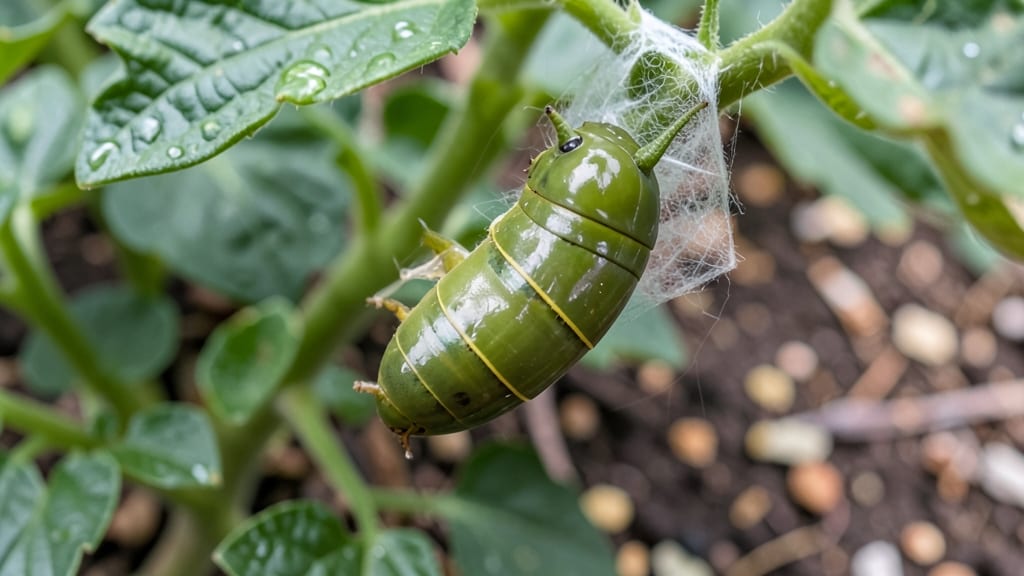
The tomato hornworm turns into a stunning green-striped moth—nature’s way of keeping your garden in balance—but first, it’ll devour your tomatoes like a tiny, voracious tornado. 🌿 I’ve watched these caterpillars strip entire plants bare in days, only to later find their elegant adult moths fluttering near the garden, seemingly harmless.
Understanding this lifecycle is your secret weapon against future devastation.
The caterpillar stage is the real menace, but the moth itself plays a crucial role in the ecosystem—it’s the Hornworm Sphinx Moth, and while its larvae are destructive, the adults pollinate night-blooming flowers.
The key is catching the caterpillars early: handpicking them (they’re big enough to spot!) or using BT (Bacillus thuringiensis) spray, which targets caterpillars without harming beneficial insects. Miss this window, and you’ll be chasing moths instead of enjoying your harvest.
Once you recognize the green-striped moth hovering near your garden at dusk, you’ll know exactly where the next generation of caterpillars will appear. These moths lay eggs on tomato plants, so removing adult moths (with a net or vacuum) can break the cycle before it starts.
Think of it as a game of whack-a-mole—but with more stripes and less frustration once you get the timing right.
Here’s the kicker: most gardeners never see the moth stage because they’re too busy fighting the caterpillars. By the time you spot the striped adults, it’s already too late for that season—but knowing their lifecycle lets you intervene early next year.
Start monitoring now, and you’ll turn this pest into a predictable, manageable part of your garden’s rhythm.
The Life Cycle’s Hidden Triggers
Ever wondered why those tiny tomato hornworms—once a garden’s worst nightmare—transform into striking green-striped moths? The answer lies in a mix of natural instincts, environmental cues, and biological precision. Let’s break down the key factors that drive this dramatic metamorphosis.
The tomato hornworm’s transformation isn’t random—it’s a hardwired survival strategy. These caterpillars are programmed to grow rapidly, consume massive amounts of foliage, and then disappear before their predators (like birds or wasps) catch on.
Their life cycle is time-sensitive: once they reach full size (about 3–4 inches), they stop eating and seek a safe spot to pupate. This instinct is triggered by:
- Size and weight: The caterpillar’s brain detects it’s reached its peak growth stage, signaling it’s time to transition.
- Internal hormones: Rising levels of ecdysone (a molting hormone) kickstart the pupation process, dissolving tissues and reorganizing cells into a chrysalis.
- Behavioral cues: They become lethargic, crawl away from the plant, and anchor themselves to a sturdy surface (like a fence or stem) to form a pupa.
Pro Tip: 💡 If you find a hornworm that’s stopped eating but isn’t yet pupating, it’s likely waiting for the right conditions—like a slightly cooler evening—to begin its transformation.
Temperature acts as a metamorphosis switch. Tomato hornworms are cold-blooded, meaning their body functions speed up or slow down based on their surroundings. Here’s how heat and cold play a role:
| Temperature Range | Effect on Development | What to Watch For |
|---|---|---|
| 60–75°F (15–24°C) | Optimal for pupation. The caterpillar’s body chemistry accelerates, and it’s more likely to seek a pupation site. | A hornworm may drop from the plant and wiggle to find a hidden spot within 24–48 hours. |
| Above 85°F (29°C) | Slows development. The caterpillar may delay pupation, staying on the plant longer to avoid stress. | Look for hornworms still feeding aggressively even when large—heat stress can stall their timeline. |
| Below 50°F (10°C) | Can halt metamorphosis entirely. The caterpillar may enter a state of diapause (a pause in development) until warmer conditions return. | Pupae may not emerge until spring, especially in cooler climates. |
Actionable Tip: ✨ If you’re raising hornworms for release (or just curious), place their pupation container in a spot with stable, mild temperatures—like a garage or shed—to ensure a smooth transformation.
Believe it or not, the tomato plant itself might be encouraging the hornworm’s metamorphosis. When a plant is under attack, it releases volatile organic compounds (VOCs) that can:
- Accelerate the caterpillar’s growth: Some compounds act as pheromone-like signals, telling the hornworm, “You’re safe to grow fast and leave soon!”
- Trigger early pupation: As the plant’s defenses ramp up (e.g., producing bitter alkaloids), the caterpillar’s body responds by seeking pupation to avoid becoming toxic.
- Attract predators: While this doesn’t directly cause metamorphosis, it creates a race against time for the hornworm to escape before wasps or birds arrive.
Garden Hack: 🌱 If you’re trying to delay pupation (to observe the process or control populations), avoid over-fertilizing tomato plants—high nitrogen can make them more vulnerable to hornworm attacks, potentially speeding up their life cycle.
The tomato hornworm’s transformation is also tied to photoperiodism—the plant’s and insect’s response to daylight hours. Here’s how it works:
- Longer days (spring/summer): Increased daylight triggers faster growth and earlier pupation. In many regions, hornworms peak in late June to August, aligning with the longest days of the year.
- Shorter days (fall/winter): If a hornworm hasn’t pupated by late summer, cooler temps and shorter days can induce diapause, causing the pupa to overwinter until spring.
- Regional variations: In tropical climates, hornworms may have multiple generations per year, while in cooler zones, they might only produce one.
Observation Tip: 🔍 Notice that hornworms in northern gardens often pupate earlier than those in the south—this is due to the delayed onset of warm weather in cooler climates.
Stop Hornworms Before They Transform
Watching a tomato hornworm turn into a striking green-striped moth might seem fascinating, but these caterpillars can devastate your garden before they even reach their moth stage. The good news? With the right strategies, you can prevent, remove, and protect your plants—without relying on harsh chemicals.
Below, we break down practical solutions based on the most common causes of hornworm infestations.
The best defense is a strong offense. Stop hornworms from laying eggs in the first place with these simple but effective tactics.
🔍 Monitor Your Plants Regularly
- How? Inspect tomato, pepper, and basil plants every 2–3 days, especially the undersides of leaves.
- Why? Hornworm eggs are tiny (about the size of a pinhead) and blend into foliage. Catching them early means fewer caterpillars later.
- Pro Tip: 💡 Use a magnifying glass or a phone with a macro lens for better visibility.
🌿 Plant Companion Crops
- What to plant? Basil, marigolds, dill, and borage naturally repel hornworms with their strong scents.
- How? Interplant these around your tomatoes or create a "border" of marigolds to deter moths from landing.
- Bonus: These companions also improve flavor and pollination!
🕷️ Encourage Natural Predators
- Who helps? Birds, parasitic wasps, and praying mantises love eating hornworms.
- How to attract them?
- Install a birdhouse or bath.
- Avoid pesticides (they kill beneficial insects too).
- Leave some leaf litter or wildflowers for habitat.
If you’ve already spotted caterpillars, act fast. Here’s how to eliminate them without harming your garden’s ecosystem.
👨🍳 Handpick Them (Yes, Really!)
- When? Early morning or evening when hornworms are sluggish.
- How?
- Wear gloves (they can be slimy!).
- Look for green, white-striped caterpillars (up to 4 inches long).
- Drop them into soapy water to kill them instantly.
- Pro Tip: 🌡️ If you’re squeamish, use tongs or a damp paper towel to scoop them up.
🔪 Use Physical Barriers
- What to use? Row covers (fine mesh fabric) or collars around young plants.
- How?
- Cover seedlings before moths lay eggs.
- Secure edges tightly to block adult moths.
- Best for: Greenhouses or high-value crops.
🍄 Organic Sprays (Non-Toxic Options)
- What works?
- Neem oil (disrupts feeding and growth).
- Bacillus thuringiensis (Bt) – a natural bacteria that targets caterpillars only.
- Spinosad (derived from soil bacteria, OMRI-listed).
- How to apply?
- Spray directly on leaves (especially undersides) in the evening to avoid harming bees.
- Reapply after rain or every 7–10 days.
A clean garden is a hornworm-free garden. Small habits make a big difference over time.
🧹 Clean Up Debris
- Why? Eggs and pupae hide in dead leaves, stems, and soil.
- How?
- Remove plant debris at the end of the season.
- Till the soil lightly in fall to expose pupae to birds or predators.
🌱 Rotate Crops
- How? Avoid planting tomatoes or peppers in the same spot year after year.
- Why? Moths return to familiar territory. Confuse them with new locations!
🌞 Trap Crops & Sacrificial Plants
- What to do? Plant a few tomato or pepper plants away from your main garden.
- Why? Hornworms will feast on these "trap" plants first, sparing your prized harvest.
If your garden is overrun despite your best efforts, consider these last-resort options:
- 🐜 Beneficial Nematodes – Microscopic worms that infect and kill hornworm larvae in the soil.
- 🐝 Integrated Pest Management (IPM) – Combine multiple methods (monitoring, barriers, predators) for long-term control.
- 🚫 Chemical Pesticides (Use Sparingly) – If absolutely necessary, opt for pyrethrin-based sprays (derived from chrysanthemums) and apply only at dusk to protect pollinators.
Remember: The key to stopping hornworms is consistency. A little daily effort now saves you from a moth-filled nightmare later. Plus, you’ll get to enjoy those striped beauties without the garden damage! 🌿✨
Frequently asked questions
What does the adult tomato hornworm moth look like?
The adult tomato hornworm transforms into a stunning green-striped sphinx moth with wingspans reaching 3-4 inches. Its body features bold green stripes, and its wings have a translucent, almost glass-like appearance with darker veins. These moths are most active at dusk and dawn, often hovering near tomato plants where they lay eggs.
How long does it take for a hornworm to become a moth?
The complete metamorphosis from egg to adult moth takes about 4-6 weeks under ideal conditions. The caterpillar stage lasts 2-3 weeks, followed by a 10-14 day pupal stage before emerging as an adult. Warmer temperatures can speed up this process, while cooler weather may extend it.
Can I raise hornworms to become moths?
Yes! Collect large hornworms (about 3 inches) and place them in a ventilated container with soil or a pupation chamber. Keep them in a spot with 70-75°F temperatures and 50-60% humidity. In about 2 weeks, they’ll emerge as moths. Just be prepared for the dramatic transformation—it’s a fascinating process to observe!
Will the moths damage my garden?
Adult sphinx moths are harmless to plants—they don’t eat foliage. However, the females will lay eggs on your tomato plants, starting the destructive caterpillar cycle again. The key is removing adult moths (with a net) or preventing them from laying eggs in the first place.
What should I do if I find a hornworm pupa?
Leave it alone! The pupa will emerge as a moth in about 2 weeks. If you want to prevent future generations, carefully remove the pupa and dispose of it in soapy water. This breaks the life cycle before the moth can lay eggs. Just be gentle—the pupa is delicate and will emerge damaged if mishandled.