
How To
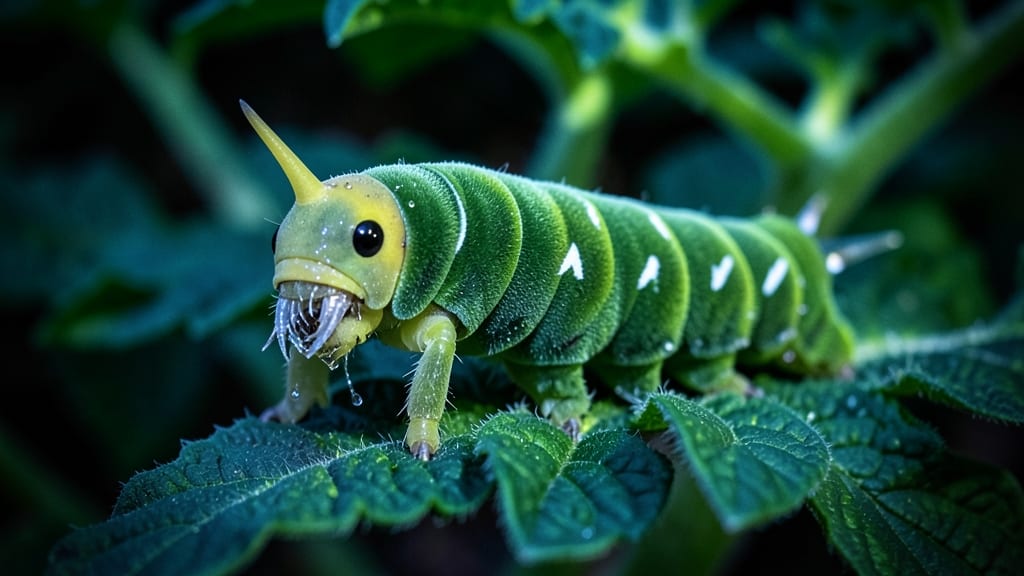
Spotting tomato hornworms before they devour your plants is the secret weapon every gardener needs. 🌱 These striped monsters glow neon green under blacklight, making them impossible to miss—no more sneaking around your tomatoes unnoticed.
The trick is simple: shine a blacklight at dusk, and the pests reveal themselves like little glowing ghosts.
Here's the game-changer: set up a blacklight near your tomato patch for 10-15 minutes after sunset. The UV light triggers a fluorescent reaction in their skin, turning them into easy-to-spot targets.
Grab a pair of gloves and a bucket of soapy water—you'll be handpicking them in minutes instead of finding half-eaten leaves the next morning.
This method works best when paired with other defenses like neem oil sprays or parasitic wasps (like Cotesia congregata). The blacklight alone won't eliminate the problem, but it gives you the upper hand by revealing their hiding spots.
Your plants will thank you with full, unscathed foliage by harvest time.
Safety tip: keep the blacklight out of reach of pets and kids—the glow can be disorienting. A 12-inch UV flashlight works for small gardens, while a portable blacklight bulb covers larger areas. Test it on a few hornworms first to see how bright they glow—you'll be amazed at the difference!
How Blacklight Reveals Hidden Predators
The eerie glow of tomato hornworms under a blacklight isn’t just a cool science experiment—it’s a survival tactic rooted in biology. These caterpillars, the larvae of the Manduca sexta moth, emit a fluorescent green sheen when exposed to ultraviolet (UV) light, thanks to a chemical called manducasterol.
But why does this happen? Let’s break down the science behind this fascinating phenomenon.
Tomato hornworms are masters of disguise, blending seamlessly into foliage during the day. However, their fluorescence under UV light serves a hidden purpose: communication. Studies suggest that this glow may act as a warning signal to predators—like birds or bats—that the caterpillar is toxic or unpalatable.
The bright green fluorescence stands out starkly against the duller hues of leaves, making them easier to recognize and avoid in the wild.
💡 Pro Tip: If you’re using a blacklight to scout your garden, the glowing caterpillars are essentially flagging themselves for removal. This means you’re not just spotting them randomly—you’re seeing their natural defense mechanism in action.
The glow comes from specialized cells in the caterpillar’s skin that contain fluorescent proteins and pigments. When UV light (like that from a blacklight) hits these compounds, they absorb the energy and re-emit it as visible green light.
This isn’t just random biology—it’s an evolutionary adaptation that likely helps them avoid predation.
Here’s how it works:
- UV light exposure: The blacklight emits UV wavelengths (typically 365–395 nm), which are invisible to humans but detectable by many predators.
- Fluorescent compounds: The caterpillar’s skin contains manducasterol and other fluorescent molecules that absorb UV light.
- Green emission: The absorbed energy is released as green light (around 500–550 nm), creating the glow you see.
🔥 Fun Fact: This fluorescence isn’t unique to tomato hornworms—some other moth species and even certain plants (like Datura) exhibit similar traits. Nature’s way of saying, “Stay back!”
While humans rely on blacklights to spot these pests, nocturnal predators (like bats or owls) may also use UV vision to hunt. The tomato hornworm’s fluorescence could disorient or deter these predators, making it harder for them to strike.
However, in a garden setting, the blacklight reverses this effect—it highlights the caterpillars for you to remove them before they damage your plants.
🎯 Actionable Insight: If you’re using a blacklight for pest control, time it right—late evening or early morning is when hornworms are most active and visible under UV light. This maximizes your detection success.
Understanding why tomato hornworms glow under blacklight isn’t just fascinating—it’s practical. Next time you see that green shimmer, remember: you’re witnessing a built-in survival trick that’s now working against the caterpillar in your garden.
How to Fix & Prevent Glowing Pests
Discovering tomato hornworms glowing under a blacklight might feel like a sci-fi horror show—but don’t panic! 🌿✨ These creepy-crawlies are actually a gardener’s wake-up call to take action. The good news? With the right strategies, you can eliminate existing infestations and keep future ones at bay.
Below, we break down solutions by cause, from manual removal to long-term prevention, so you can reclaim your garden without the eerie glow.
If you’ve spotted hornworms under your blacklight, the most immediate fix is physical removal. These caterpillars grow fast—up to 4 inches long!—so act quickly before they devour your plants.
- 🔥 Spot & Squish (or Drown)
- Shine your blacklight at dusk or dawn when hornworms are most active.
- Use gloves (they can be hairy!) and drop them into a bucket of soapy water or crush them on a hard surface.
- Pro tip: Check the undersides of leaves—they love hiding there! 🌿🕵️
- 🍳 Handpick During the Day
- Hornworms are less active in daylight, making them easier to spot.
- Wear bright clothing to stand out against green foliage.
- Drop them into a sealed bag or container far from your garden.
- 👨🍳 Nighttime Patrol with a Flashlight
- If blacklighting isn’t an option, a bright flashlight works too.
- Focus on tomato plants, peppers, and eggplants—their favorite snacks.
For larger infestations, you’ll need a stronger approach. Here’s how to tackle hornworms without harming your plants (or the planet).
- 🌡️ Bacillus Thuringiensis (Bt)
- A natural bacteria that targets caterpillars but is safe for humans, pets, and beneficial insects.
- Spray on leaves when hornworms are small (they’re less susceptible as they age).
- Pro tip: Reapply after rain or every 7–10 days for best results. 💧🌱
- 🎯 Neem Oil Spray
- Disrupts hornworm feeding and growth.
- Mix 1–2 tbsp neem oil with a drop of dish soap and 1 quart of water. Spray thoroughly.
- Warning: Avoid spraying in extreme heat or direct sunlight to prevent plant damage.
- 🔪 Pyrethrin-Based Insecticides (Last Resort)
- Derived from chrysanthemums, these kill on contact but can harm bees and other pollinators.
- Use only at night when bees are less active.
- Pro tip: Rotate with Bt to prevent resistance. 🚫🐝
The best way to avoid hornworm glow-fests is to make your garden less inviting to them. Here’s how:
- 🌱 Companion Planting
- Plant basil, dill, or marigolds near tomatoes—their scents repel hornworms.
- Bonus: Basil also improves tomato flavor! 🍅🌿
- 🕊️ Encourage Natural Predators
- Ladybugs, lacewings, and parasitic wasps (like Cotesia congregata) love hornworm eggs and larvae.
- Avoid broad-spectrum pesticides to keep these allies around.
- 🌙 Disrupt Their Life Cycle
- Remove egg clusters (tiny, white, and jelly-like) from leaves.
- Use row covers early in the season to block moths from laying eggs.
- 🌡️ Maintain Garden Hygiene
- Clean up garden debris where hornworm pupae might overwinter.
- Rotate crops yearly to confuse moths searching for host plants.
Hornworms go through five instar stages (growth phases) before pupating. The earlier you intervene, the easier it is to control them:
| Stage | Size | Action Time |
|---|---|---|
| Egg | Tiny (1mm) | Remove clusters immediately. |
| 1st–3rd Instar | <1 inch | Bt or handpick works best. |
| 4th–5th Instar | 2–4 inches | Manual removal or neem oil. |
| Pupa | Brown cocoon | Destroy pupae to break cycle. |
Pro tip: If you’re using a blacklight regularly, inspect weekly—early detection saves your tomatoes! 🕵️♂️🌙
With these tactics, you’ll crush infestations fast and keep your garden glowing for the right reasons—like healthy plants, not creepy caterpillars. Happy hunting (and blacklighting)! 🔦🌿
Frequently asked questions
Why do tomato hornworms glow green under blacklight?
Their fluorescence comes from natural compounds in their skin that absorb UV light and re-emit it as green light. This isn't random—it's an evolutionary defense mechanism to warn predators like birds that they're toxic or unpalatable. The same UV wavelengths that make them glow are invisible to us but visible to many nocturnal predators.
What's the best time of day to use a blacklight for hornworm detection?
Use it during late evening or early morning when hornworms are most active. The 10-15 minutes after sunset is ideal because UV light works best in low natural light conditions. This maximizes visibility while minimizing interference from sunlight.
Can I use any blacklight for detecting tomato hornworms?
No—you need a 365-395nm UV-A blacklight (the type used for detecting scorpions or currency). A regular UV flashlight won't work as well. For best results, use a portable blacklight bulb (like those used for pest inspection) rather than a cheap UV LED flashlight.
Will blacklighting alone eliminate my hornworm problem?
No—it's just a detection tool. You'll still need to handpick or use organic sprays like Bacillus thuringiensis (Bt). The blacklight reveals their hiding spots, but you must remove them physically or apply treatments. Think of it as a searchlight for your pest control efforts.
Are there other pests that glow under blacklight?
Yes! Many caterpillars and some beetles exhibit fluorescence under UV light. You might also spot armyworms or cutworms glowing. However, tomato hornworms are among the brightest and most distinctive. Always check for other pests while you're blacklighting—it's a great all-purpose garden inspection tool!