
Leaf Blower
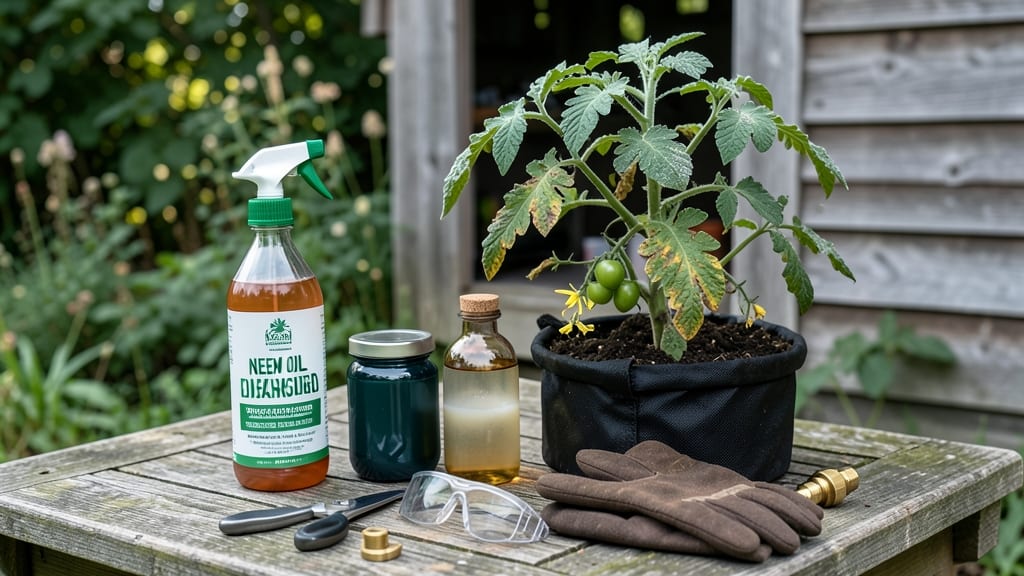
Your tomatoes look like they're fighting a losing battle with this tomato leaf mold treatment, and I get it—those dark spots spreading across the leaves are heartbreaking to watch. 🌱 The good news?
This fungicide-free rescue works whether you're dealing with early blight or late blight, and it doesn't require harsh chemicals to save your plants.
First, stop the spread by removing infected leaves immediately—don't wait until they're half dead. I learned this the hard way after letting a few plants get too far gone, and now I prune aggressively at the first sign of yellowing or brown spots.
The key is to focus on airflow and sunlight, which naturally discourage the fungus from taking hold.
What you'll end up with is a tomato plant that bounces back stronger than before, producing fruit even if some leaves are lost. The plants I've treated this way have recovered within 2-3 weeks, and the new growth stays clean with consistent care.
It's not about perfection—it's about giving your tomatoes a fighting chance.
This method works for both garden beds and containers, and it's safe to use right up until harvest. The secret is in the timing and the right mix of organic remedies—no need for expensive sprays or complicated setups. Let's get those plants back on track!
Understanding the Root Causes
Tomato leaf mold—caused by the fungus Fulvia fulva—is a sneaky but common issue for gardeners and homesteaders alike. 🌱🍅 Unlike some fungal diseases, this one thrives in conditions that seem too perfect for tomatoes.
Let’s break down the real culprits behind its spread, so you can spot the warning signs early and act fast.
Poor airflow is the #1 enemy of healthy tomato leaves.
When plants are packed too tightly: - Humidity builds up between leaves, creating a damp microclimate that the fungus loves. - Stagnant air prevents water from evaporating quickly, leaving surfaces wet longer—ideal for spore germination. - Shaded foliage (from overcrowding) stays cooler and damper, accelerating fungal growth.
Actionable insight: Aim for 18–24 inches of space between tomato plants (or 36 inches for indeterminate varieties). Prune suckers regularly to improve airflow—this isn’t just about yield, it’s about disease prevention.
Tomato leaf mold spores splash onto leaves from soil or water droplets.
Here’s how moisture fuels the problem: - Overhead watering (especially in the evening) keeps leaves wet for hours, giving spores a foothold. - Poor drainage in containers or garden beds leads to soggy soil, which releases moisture upward onto leaves via capillary action. - Frequent dew (common in humid climates) provides a natural irrigation system for fungal spores.
Pro tip: Water at the base of the plant in the morning (so leaves dry by afternoon). Use drip irrigation or soaker hoses to avoid wetting foliage. If you must water overhead, use a rain shield or water early enough for leaves to dry within 4–6 hours.
This fungus is a tropical traveler—it thrives when:
- Temperatures hover between 60–80°F (15–27°C), with high humidity (70%+).
- Nighttime temps stay mild (below 60°F slows growth, but above 80°F can stress plants, making them more susceptible).
- Rain or fog provides a constant moisture source for spores to spread via wind or splashing.
Climate hack: If you’re in a humid zone, mulch with straw or wood chips to keep soil temps stable and reduce splashing. Avoid plastic mulch—it traps heat and moisture against leaves.
Stressed tomatoes are fungal magnets. Common stressors include:
- Nutrient deficiencies (especially potassium or calcium), which weaken cell walls.
- Physical damage (from hail, pests like hornworms, or rough handling) creates entry points for spores.
- Transplant shock or root-bound plants divert energy from defense mechanisms.
Boost defenses: Side-dress with compost or banana peels (for potassium) and crushed eggshells (for calcium). Avoid over-fertilizing with nitrogen—it promotes leafy growth at the expense of resilience.
Fungal spores hitchhike on:
- Pruners, stakes, or trellises moved between plants without cleaning.
- Infested compost or potting mix (old, undisturbed soil harbors spores).
- Infected plant debris left in the garden (e.g., fallen leaves or old tomato stems).
Sanitation checklist:
- Sterilize tools with 70% rubbing alcohol or a 10% bleach solution between uses.
- Rotate crops—don’t plant tomatoes (or other nightshades like peppers) in the same spot for 3–4 years.
- Remove and destroy infected leaves immediately (don’t compost them!). Seal in a plastic bag for trash pickup.
Greenhouses are fungal incubators if airflow is neglected. Issues include:
- Stagnant air from closed vents or overcrowded benches.
- Condensation on walls/roofs dripping onto plants.
- High humidity trapped by plastic or glass.
Ventilation fix: Install automatic vents or oscillating fans to keep air moving. Avoid misting systems—opt for bottom watering or drip irrigation instead.
Tomato leaf mold doesn’t strike randomly—it’s the result of specific conditions you can control. By addressing crowding, moisture, stress, and sanitation, you’re not just treating symptoms; you’re starving the fungus of its favorite environment. 🚫🍄 Next up: How to spot early signs before it’s too late.
Quick Fixes for Tomato Leaf Mold
Reviving your tomato plants from leaf mold doesn’t have to involve harsh chemicals—just targeted, natural solutions. Below are practical, step-by-step fixes tailored to the root causes of the problem, plus prevention tips to keep your plants thriving. Let’s get those leaves back to their vibrant best!
Leaf mold thrives in damp conditions, so the first step is cutting off its water supply. Here’s how:
- 🔥 Reduce Watering Immediately
- Water only when the top 1–2 inches of soil are dry (stick your finger in to check).
- Morning watering is key—wet leaves dry faster under sunlight, reducing humidity.
- Use a soaker hose or drip irrigation to keep foliage dry.
- 🏗️ Improve Soil Drainage
- Mix compost or perlite into heavy clay soil to loosen it up.
- Elevate containers or raised beds to prevent waterlogging.
- Avoid mulching too close to the stem—keep it 2–3 inches away.
- 🌬️ Boost Air Circulation
- Prune crowded branches to increase airflow around plants.
- Space tomato plants 18–24 inches apart (or more for indeterminate varieties).
- Use a small fan on low near plants (if indoors) to dry leaves faster.
💡 Pro Tip: If your garden has poor drainage, consider planting tomatoes in containers with fast-draining potting mix.
Leaf mold spreads via spores, so sanitization is critical. Follow these steps to break the cycle:
- 🧼 Remove & Dispose of Infected Leaves
- Snip off yellowing or moldy leaves with clean scissors (don’t tear them).
- Bag and trash infected foliage—do not compost it (spores can survive).
- Wear gloves to avoid spreading spores to other plants.
- 🧴 Apply Natural Fungicides
- Baking soda spray (1 tsp baking soda + 1 quart water + a drop of dish soap) – spray undersides of leaves (where spores hide).
- Neem oil (1 tbsp neem oil + 1 tsp mild soap + 1 quart water) – spray every 7–10 days as a preventative.
- Copper fungicide (organic option) – follow label instructions for severe cases.
- 🛡️ Prevent Reinfestation
- Rotate crops—don’t plant tomatoes or nightshades (peppers, eggplants) in the same spot next year.
- Sterilize tools with rubbing alcohol after pruning.
- Cover young plants with row covers to block spores from overhead watering.
✨ Bonus: Reflective mulch (like aluminum foil) can reduce humidity around plants—try it for stubborn cases!
Leaf mold loves warm, damp air. Tweak your garden’s microclimate to make it less hospitable:
- 🌞 Increase Sunlight Exposure
- Move potted tomatoes to a sunnier spot (tomatoes need 6–8+ hours of sun/day).
- Thin nearby shade plants to let more light reach your tomatoes.
- 💨 Dehumidify Naturally
- Space plants apart to improve airflow.
- Avoid watering at night—evening moisture lingers longer.
- Use a dehumidifier (if growing indoors) or open windows on dry days.
- 🌿 Choose Resistant Varieties
- If leaf mold is chronic, switch to disease-resistant tomatoes like:
- ‘Mountain Merit’ (resistant to early blight & mold)
- ‘Defiant PhR’ (phytophthora-resistant but also mold-tolerant)
- ‘Cherry Roma’ (compact, with better airflow)
- If leaf mold is chronic, switch to disease-resistant tomatoes like:
🎯 Prevention Payoff: A dry, sunny, well-ventilated garden is the best defense against leaf mold.
If most leaves are covered and the plant is struggling, act fast:
- 🔪 Prune Aggressively
- Cut back severely infected stems to healthy green growth.
- Do not leave stubs—prune just above a leaf node.
- 🌱 Boost Plant Health
- Fertilize with compost tea or fish emulsion to strengthen roots.
- Water deeply but less often to encourage strong root systems.
- 🌱 Consider Replacement (If Needed)
- If the plant is beyond saving, pull it and replace with a new, healthy transplant.
- Solarize the soil (cover with clear plastic for 4–6 weeks in summer) to kill remaining spores.
💡 Warning: Never compost infected plant material—bag and trash it to stop the spread.
To keep leaf mold at bay year-round, follow this simple routine:
- ✅ Water early in the day (before 10 AM).
- ✅ Space plants properly (no crowding!).
- ✅ Prune regularly to improve airflow.
- ✅ Rotate crops (wait 3 years before replanting tomatoes in the same spot).
- ✅ Monitor humidity—aim for below 60% in growing areas.
- ✅ Use mulch sparingly (keep it 2–3 inches from stems).
Final Thought: With these fungicide-free fixes, your tomatoes can bounce back—stronger and mold-resistant! 🍅💪 Stay vigilant, and your plants will thank you with bountiful, healthy harvests.
Frequently asked questions
Can I still harvest tomatoes from plants with leaf mold?
Yes, you can! The fungus primarily affects leaves, not the fruit itself. Focus on removing infected foliage and treating the plant to prevent further spread. Harvest any ripe tomatoes immediately—they won’t be contaminated by the mold. Just avoid touching healthy leaves when picking to prevent accidental spread.
How often should I apply neem oil for leaf mold?
Apply neem oil every 7–10 days during active growth or when conditions are humid. For severe cases, you can spray weekly until you see improvement. Always apply in the early morning or late afternoon to avoid burning leaves, and reapply after rain.
Will pruning my tomato plant too much reduce my harvest?
Not if done correctly! Pruning to improve airflow actually boosts fruit production by directing energy to the main stems and flowers. Remove only infected leaves and crowded branches—never cut more than 20% of the plant’s foliage at once. Focus on keeping the center of the plant open for sunlight and air circulation.
Can I use hydrogen peroxide to treat leaf mold?
Yes, a 3% hydrogen peroxide solution (1 part peroxide to 4 parts water) can help kill fungal spores. Spray it on leaves in the morning, avoiding direct sunlight for a few hours afterward. Use it as a preventative spray every 2 weeks or when you first notice symptoms. Always test on a small area first.
How do I know if my tomato plant has leaf mold vs. early blight?
Leaf mold appears as yellow spots on the upper leaves that turn grayish-brown with a fuzzy texture on the undersides. Early blight shows as brown spots with concentric rings on older leaves, often starting at the soil line. Check the leaf undersides—leaf mold has a velvety growth while early blight doesn’t.