
Vegetables
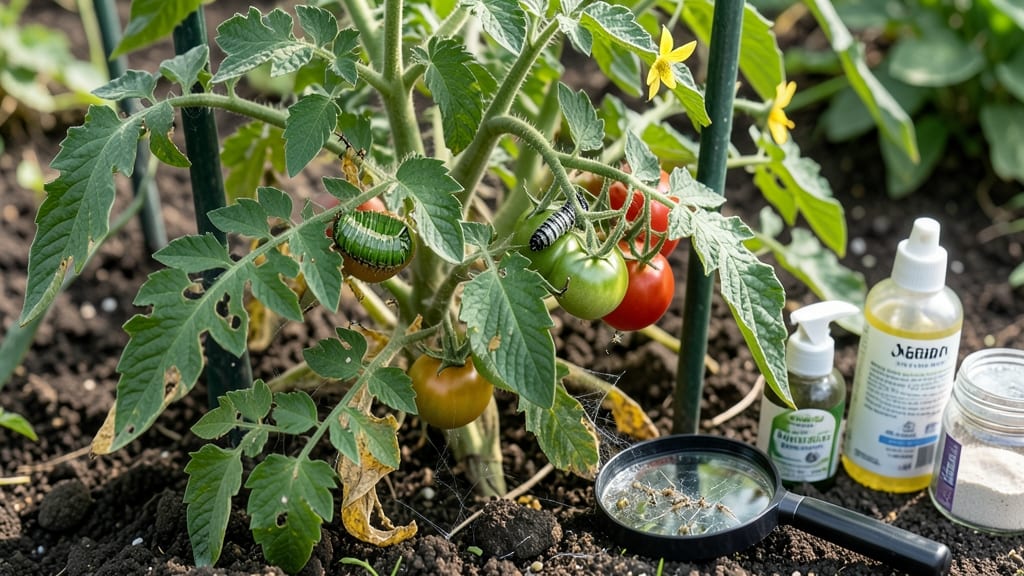
Tomato leaf pests turn your lush plants into skeleton leaves faster than you can say "harvest." 🌱 I've seen aphids strip a plant bare in days, and spider mites turn foliage yellow like a bad sunburn—until I learned these fast-acting, natural sprays that stop the damage in its tracks.
The key is acting before pests multiply. Most gardeners wait until they see webbing or holes, but by then it's too late. A quick spray with neem oil or soapy water (yes, really) can knock out 90% of aphids and spider mites within hours—no harsh chemicals needed.
Even better, these sprays protect your plants while keeping bees and ladybugs safe. You'll be harvesting plump, pest-free tomatoes in weeks, not months. The secret is checking leaves every 2-3 days during warm weather and treating at the first sign of trouble.
Prevention is easier than cleanup, and your plants will thank you with bigger yields. Works for greenhouse tomatoes, container plants, or backyard gardens—just adjust the spray volume. No more losing your crop to tiny invaders!
Root Causes Behind Leaf Damage
Tomato leaf pests aren’t just random nuisances—they thrive because of specific environmental, biological, and even human-driven factors. Understanding these causes is the first step to stopping them before they ruin your harvest. Here’s why your tomato leaves might be under siege:
Tomatoes need space to breathe—literally. When plants are too close together, airflow stalls, creating a damp, shaded environment that’s perfect for pests like aphids, whiteflies, and spider mites.
Poor airflow also slows drying, leaving moisture on leaves where fungal diseases (like early blight) can take hold, indirectly attracting pest-friendly insects.
Why it matters: Crowded plants stress out, producing weaker foliage that’s easier for pests to penetrate. Actionable fix: Space tomato plants 18–24 inches apart and prune suckers to improve airflow.
Many tomato leaf pests follow predictable seasonal patterns. For example:
- Aphids: Explode in spring when temperatures rise and new growth appears—their favorite snack.
- Hornworms: Peak in summer when tomato plants are lush and full of leaves (their primary food source).
- Whiteflies: Thrive in warm, humid conditions, often moving in after you’ve watered plants late in the day.
Pests also reproduce exponentially. A single female aphid can birth 75 offspring in a week! Without intervention, infestations spiral out of control.
Overhead watering—especially in the evening—creates a pest magnet. Here’s how:
- Wet foliage: Leaves stay damp for hours, encouraging fungal growth (like powdery mildew) that attracts pests.
- Soil splashes: Water droplets can hurl pest eggs (e.g., from whiteflies or beetles) onto leaves.
- Root stress: Overwatering weakens plants, making them more susceptible to attacks from hornworms or cutworms.
Pro tip: Water at the base early in the day and avoid wetting leaves. Drip irrigation or soaker hoses are game-changers.
Tomatoes need a balanced diet, but deficiencies or excesses can make them vulnerable to pests. For example:
| Nutrient Issue | Pest Risk | Why? |
|---|---|---|
| Nitrogen deficiency (yellow leaves) | Aphids, spider mites | Stressed plants produce less sap, but pests still attack weak spots. |
| Phosphorus deficiency (purple stems) | Root-knot nematodes | Weak roots can’t fend off soil-dwelling pests. |
| Excess nitrogen (soft, lush growth) | Hornworms, beetles | Tender new growth is a buffet for chewers. |
Fix it: Test your soil and amend with compost or balanced fertilizer (10-10-10). Avoid synthetic boosts that spike one nutrient.
Pests love specific conditions. Heat, humidity, and even wind patterns play a role:
- Hot, dry weather: Attracts spider mites (they thrive in arid conditions).
- Humid, stagnant air: Ideal for whiteflies and fungal gnats.
- Windbreaks or dense plantings: Trap moisture and pests near your tomatoes.
Solution: Choose pest-resistant tomato varieties (like ‘Mountain Merit’) if your climate is notorious for specific pests. Mulch with straw to regulate soil temperature and reduce humidity near leaves.
Most pest problems start with one or more of these factors. The good news? Fixing them often reduces the need for chemical sprays. Next, we’ll dive into natural remedies that tackle pests at their source.
Natural Fixes for Leaf Troubles
Tomato leaves are the unsung heroes of your garden—they power your plants with energy, shade your fruit, and keep pests at bay (when healthy!). But when tiny invaders like aphids, spider mites, or whiteflies move in, your tomatoes can go from thriving to struggling fast.
The good news? You don’t need harsh chemicals to win this battle. Below are targeted, natural solutions to kick pests to the curb, paired with prevention tips to keep them from crashing the party again.
Cause: These tiny green, black, or yellow bugs cluster on undersides of leaves, draining nutrients and spreading viruses. Fix:
- Blast ‘Em Away 🔥: Spray leaves with a strong stream of water (aphids hate this!). Do this in the morning so leaves dry quickly.
- Neem Oil Bomb 🍳: Mix 1 tsp neem oil + 1 tsp mild soap + 1 quart water. Spray directly on pests (they’ll drop off within hours).
- Ladybugs to the Rescue 👨🍳: Release ladybugs (sold online or at garden centers)—they love aphids and are 100% organic.
Prevent: Plant garlic, chives, or marigolds nearby—aphids avoid these scents!
Cause: These microscopic red/yellow pests thrive in dry heat, sucking juices and leaving stippled, yellow leaves. Fix:
- Dust Off the Mites ✨: Wrap a damp cloth around your hand and gently wipe leaves (mites hate humidity).
- Soapy Water Spray 🧼: Mix 2 tbsp castile soap + 1 gallon water. Spray every 3–4 days until gone.
- Hose ‘Em Down 💦: Spider mites cannot survive underwater—spray leaves thoroughly 2x/week in dry climates.
Prevent: Mulch with straw or grass clippings to retain moisture (mites despise humidity).
Cause: These tiny white bugs flutter when you disturb leaves, leaving sticky honeydew (which molds grow on). Fix:
- Yellow Sticky Traps 🎯: Hang yellow cards coated in petroleum jelly near plants—they’ll get stuck fast.
- Diatomaceous Earth (DE) Dust 🌡️: Lightly dust leaves with food-grade DE (kills on contact). Reapply after rain.
- Peppermint Oil Spray 🌿: Mix 10 drops peppermint oil + 1 tsp soap + 1 quart water. Spray at dusk (avoids harming bees).
Prevent: Reflective mulch (like aluminum foil) confuses whiteflies—try it under pots!
Cause: Overwatering or poor airflow leads to white powder (mildew) or brown spots (blight). Fix: - Baking Soda Spray 🧂: Mix 1 tbsp baking soda + 1 tsp soap + 1 gallon water.
Spray weekly (prevents mildew). - Copper Fungicide 🔥: Use organic copper spray (follow label) for blight—it stops spores in their tracks. - Prune & Space Plants ⏰: Remove infected leaves immediately and space tomatoes 18–24 inches apart for airflow.
Prevent: Water at the base (never leaves) and harvest ripe tomatoes fast to reduce disease spread.
- Rotate Crops 🌱: Don’t plant tomatoes in the same spot yearly (pests build up in soil).
- Healthy Soil = Strong Plants 💪: Add compost and worm castings—thriving tomatoes repel pests naturally.
- Early Morning Care ⏰: Inspect leaves before 10 AM (pests hide in shade; you’ll spot them easier).
- Beneficial Bugs 🐞: Introduce lacewings, parasitic wasps, or predatory mites (buy online or at garden stores).
Pro Tip: 💡 Act fast! The sooner you treat pests, the less damage they’ll do. Most natural sprays work in 24–48 hours, but consistency is key—check leaves every 2–3 days until pests vanish. Your tomatoes will thank you with juicy, blemish-free fruit in no time!
Frequently asked questions about tomato leaf pests
What are the most common tomato leaf pests I should watch for?
Look for aphids (tiny green/black clusters), spider mites (yellow stippling on leaves), hornworms (large green caterpillars with white stripes), and whiteflies (tiny white bugs that flutter when disturbed). These four cause the most damage to tomato foliage.
How do I know if my tomato plant has a pest problem or just a disease?
Pests leave physical signs: holes (hornworms), webbing (spider mites), or sticky residue (aphids/whiteflies). Diseases cause powdery spots (mildew) or brown patches (blight) without visible bugs. Check leaf undersides first—pests love hiding there!
Can I use neem oil on tomato plants with fruit already forming?
Yes, but use it early in the morning when bees are less active. Neem oil is safe for tomatoes at all growth stages, including fruiting. Just avoid spraying directly on flowers or open blossoms to protect pollinators. Reapply every 7-10 days for best results.
What's the fastest way to get rid of spider mites on my tomato plants?
Try a soapy water spray (2 tbsp castile soap + 1 gallon water) applied directly to leaves. For stubborn infestations, add 1 tsp neem oil to the mix. Spray every 3-4 days until the webs disappear. Wiping leaves with a damp cloth also works immediately.
Will companion planting really keep pests away from my tomatoes?
Plant basil, marigolds, or garlic nearby—their strong scents repel many pests naturally. Basil also improves tomato flavor! For extra protection, interplant with nasturtiums (they attract aphids away from your tomatoes).