
Pests and Diseases
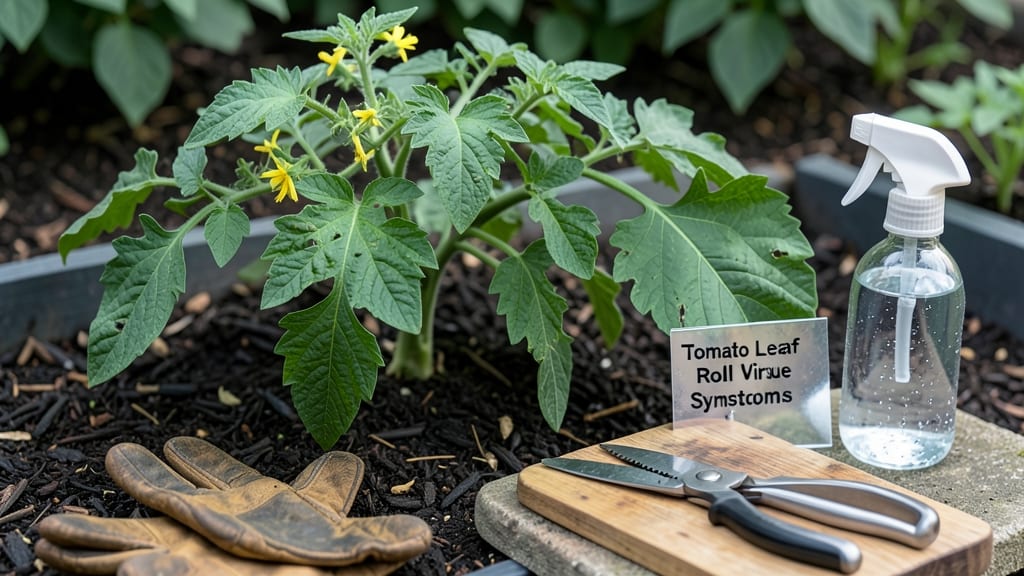
Your tomato plants are curling up like a bad hair day, and no amount of water or fertilizer fixes it. 🌱 That’s tomato leaf roll virus—once it takes hold, there’s no cure, but you can still save your garden by acting fast with the right prevention and cleanup.
The crinkled leaves and stunted growth happen when aphids spread the virus from infected plants. I’ve lost entire tomato beds to this one before, but now I know: remove infected plants immediately and focus on controlling aphids with neem oil or insecticidal soap.
Healthy plants nearby stand a chance if you act within a week. You’ll stop the spread by trapping aphids with yellow sticky cards and planting aphid-repelling companions like marigolds or basil. Even if the virus strikes, your next crop can thrive with these organic defenses in place.
This works for home gardens, containers, or raised beds—just cut off infected plants at the base and dispose of them in sealed bags. Prevention is your best bet, but even a late-season cleanup keeps next year’s harvest safe.
Root Causes Of Leaf Roll
Tomato leaf roll isn’t just a random quirk of nature—it’s a clear signal that something’s disrupting your plants’ health. Understanding the why behind the symptoms is the first step to fixing it.
Below, we break down the three primary culprits causing your tomato leaves to crinkle, roll, or stunt growth, along with the science that explains their impact.
The most common cause of tomato leaf roll is a virus, with Tomato Leaf Roll Virus (TLRV) being the top suspect. This isn’t a fungus or bacteria—it’s a microscopic pathogen that hijacks your plant’s cells, forcing them to produce abnormal proteins that stunt growth and distort leaves.
How it spreads:
- Aphids (tiny green/black bugs) act as carriers, sucking sap from infected plants and transmitting the virus to healthy ones.
- Contaminated tools or hands can spread it if you move sap from infected to healthy plants.
- Seed-borne transmission (rare but possible) if infected seeds are used.
Why leaves roll? The virus disrupts the plant’s phloem (the "highway" for nutrients and sugars), causing:
- Stunted growth (since nutrients can’t move efficiently).
- Thickened, leathery leaves (a stress response).
- Upward leaf curling (a misguided attempt to reduce water loss).
Pro tip: 💡 Early symptoms? Check for yellowing between leaf veins (a classic sign of phloem disruption).
Tomatoes are tough, but they’re not immune to environmental triggers that mimic viral symptoms. If your plants are suddenly rolling leaves but no pests or diseases are present, the issue might be physical stress—like a plant in distress.
Common stress factors:
| Stress Type | Cause | Leaf Response |
|---|---|---|
| Heat Stress | Temperatures above 90°F (32°C) | Wilting, curling, scorch marks |
| Water Stress | Overwatering (root rot) or drought | Crinkled, brittle edges; wilting |
| Poor Drainage | Compacted or waterlogged soil | Yellowing, stunted roots, rolled leaves |
| Wind/Physical Damage | Strong gusts or rough handling | Jagged edges, curling from trauma |
Why does this happen? Plants lose turgor pressure (the "fullness" in cells) when stressed. Leaves curl upward to:
- Reduce surface area (slowing water loss in drought).
- Protect delicate tissues from sun scorch or wind damage.
Pro tip: ✨ Test your soil’s moisture—stick your finger 1 inch deep. If it’s dry, water deeply; if soggy, improve drainage with perlite or raised beds.
Tomatoes need a balanced diet, and deficiencies in key nutrients can cause leaf roll symptoms that mimic viral infections. The most critical offenders?
1. Potassium (K) Deficiency
- Symptoms: Yellowing edges of older leaves, weak stems, and upward curling.
- Why? Potassium regulates water balance and cell structure. Without it, leaves lose rigidity and curl to conserve moisture.
2. Magnesium (Mg) Deficiency
- Symptoms: Interveinal yellowing (between veins), then curling and necrosis (brown death zones).
- Why? Magnesium is central to chlorophyll production. Starved leaves can’t photosynthesize efficiently, leading to distortion.
3. Nitrogen (N) Imbalance
- Symptoms: Pale green or yellow leaves, stunted growth, and cupping/rolling.
- Why? Too little nitrogen = weak cell walls. Too much = luxury uptake, where plants take up nutrients unevenly, causing stress.
How to check?
- Soil test (the gold standard).
- Leaf analysis (send samples to a lab for precise deficiencies).
- Quick fix: Use Epsom salt (magnesium sulfate) for Mg issues or potassium-rich compost for K shortages.
Pro tip: 🔥 Over-fertilizing? Burnt leaves (brown tips) mean you’re overdoing nitrogen. Balance is key! Use a slow-release organic fertilizer (like worm castings) for steady nutrition.
Quick Fixes for Leaf Roll Disease
Now that you understand the causes behind tomato leaf roll—whether it’s viral, fungal, or stress-related—here’s how to tackle it organically and keep your plants thriving. The key is early action, so don’t wait until your tomatoes look like they’ve been through a storm!
Below, we break down solutions by cause, plus prevention tips to stop it before it starts.
Viral infections are the toughest to cure, but you can manage them and prevent spread. Since viruses can’t be killed with sprays, focus on removal and containment.
🔥 Step 1: Remove Infected Plants Immediately
- Pull up any plants showing symptoms (crinkled leaves, stunted growth, curling).
- Do NOT compost them—burn or bag them to prevent virus spread.
- Why? Viruses spread via sap, insects (like aphids), and even tools. Delaying removal risks infecting healthy plants.
🍳 Step 2: Sterilize Your Tools & Garden
- Clean pruners, gloves, and pots with 70% rubbing alcohol or a 10% bleach solution (1 part bleach to 9 parts water).
- Disinfect soil in pots by baking them at 200°F (93°C) for 30 minutes or replacing contaminated soil.
- Pro Tip: 💡 Avoid working with infected plants when they’re wet—sap spreads more easily!
👨🍳 Step 3: Strengthen Nearby Plants
While you can’t cure the virus, healthy plants resist symptoms longer.
Boost their defenses with: - Compost tea (rich in beneficial microbes) every 2 weeks. - Neem oil spray (1 tsp neem oil + 1 tsp mild soap per quart of water) to deter aphids (the #1 virus spreader). - Reflective mulch (aluminum foil or silver plastic) to confuse aphids and reduce landings.
⏰ Prevention for Next Season
- Rotate crops: Don’t plant tomatoes (or nightshades like peppers/eggplants) in the same spot for 3–4 years.
- Buy virus-tested seedlings: Look for labels like “virus-free” or ask local nurseries about their sourcing.
- Control aphids aggressively: Use parasitic wasps (like Aphidius colemani) or soapy water sprays weekly.
Fungal causes (like Verticillium or Fusarium wilt) respond well to cultural fixes and organic fungicides. The goal? Starve the fungus and improve plant health.
🔥 Step 1: Improve Drainage & Soil Health
- Aerate compacted soil with a fork or add perlite/compost to heavy clay.
- Raise beds if water pools—fungi thrive in soggy roots.
- Fix: 🌡️ Test soil pH (ideal: 6.0–6.8).
Add lime (to raise pH) or sulfur (to lower it) if needed.
🍳 Step 2: Apply Organic Fungicides
- Baking soda spray: Mix 1 tsp baking soda + 1 tbsp oil + 1 tsp soap per gallon of water.
Spray every 7–10 days. - Copper fungicide: Use copper soap (like Bonide Copper Fungicide) once a month for severe cases. - Trichoderma harzianum: A beneficial fungus that outcompetes pathogens—apply as a soil drench.
👨🍳 Step 3: Prune & Support Plants
- Remove lower leaves touching the ground to reduce spore contact.
- Stake tomatoes to improve airflow (fungi love humidity!).
- Water at the base (not overhead) to keep foliage dry.
✨ Prevention Tips
- Solarize soil: Cover beds with clear plastic for 4–6 weeks in summer to kill fungal spores.
- Plant resistant varieties: Look for tomatoes labeled “Vernicillium-resistant” (e.g., ‘Defiant,’ ‘Mountain Merit’).
- Crop rotation: Avoid planting tomatoes in the same spot for 2+ years.
Stress-induced leaf roll is often reversible with quick adjustments. Focus on optimal growing conditions.
🔥 Step 1: Adjust Watering
- Drought stress? Water deeply 1–2 times per week (1–2 inches total). Use drip irrigation to avoid wetting leaves.
- Overwatering? Let soil dry 1–2 inches deep between waterings.
Check with your finger! - Fix: 💡 Mulch with straw or wood chips to retain moisture and regulate soil temp.
🍳 Step 2: Balance Nutrients
- Too much nitrogen? Switch to a balanced fertilizer (like 5-5-5) or fish emulsion for a slower release.
- Deficient in potassium? Add wood ash (sprinkle lightly around the base) or banana peel tea.
- Quick Test: 📊 Yellow leaves with green veins = nitrogen excess.
Brown edges = potassium deficiency.
👨🍳 Step 3: Shield from Heat & Wind
- Provide shade cloth (30–50%) if temps exceed 90°F (32°C).
- Windbreaks: Use burlap screens or plant tall sunflowers nearby to reduce stress.
- Evening watering: Water before 10 AM to prevent heat shock.
🎯 Prevention for Future Plants
- Hardening off seedlings: Gradually expose young plants to outdoor conditions over 7–10 days.
- Choose heat-tolerant varieties: ‘Heatmaster,’ ‘Solar Fire,’ or ‘Arkansas Traveler’ handle stress better.
- Monitor soil temp: Keep roots above 60°F (15°C)—use black plastic mulch to warm soil in cool climates.
If your tomato is already severely curled and stunted, consider:
- Harvest what’s left—some fruits may still ripen.
- Prune aggressively: Cut back 1/3 of the plant to redirect energy to new growth.
- Fertilize with compost tea + seaweed extract for a quick nutrient boost.
✅ Viral? Removed plants + sterilized tools + aphid control. ✅ Fungal? Improved drainage + organic fungicides + resistant varieties. ✅ Stress? Adjusted water/nutrients + protected from extremes.
By tackling the root cause (literally and figuratively), you’ll give your tomatoes the best shot at a bountiful, disease-free season. And remember—prevention is your superpower! 🌿✨
Frequently asked questions
Can tomato leaf roll virus spread to other plants in my garden?
Yes, it absolutely can! This virus spreads primarily through aphids (those tiny green/black bugs) and contaminated tools. Once infected plants are removed, sterilize your pruners with rubbing alcohol and avoid working with healthy plants when infected plants are still nearby. The virus can linger in soil for years, so crop rotation is key.
Will my tomatoes still produce fruit if they have leaf roll?
Some may still fruit, but quality and quantity will suffer. The virus disrupts nutrient flow, leading to smaller, misshapen tomatoes and reduced yields. If your plants are already infected, focus on harvesting existing fruit and removing the plant completely to prevent spread to others.
How can I tell if my tomato's leaf roll is from a virus or just stress?
Viral leaf roll shows thickened, leathery leaves with yellowing between veins, while stress-related curling is usually softer and more flexible. Check for aphids or sticky residue (honeydew) on leaves—these are red flags for viral infection. Stress-related curling often improves with better watering or shade.
Are there any chemical treatments for tomato leaf roll?
No chemical sprays can cure viral leaf roll, but you can use insecticides like imidacloprid to control aphids (the main spreaders). For fungal causes like Verticillium wilt, copper fungicides may help. Always remove infected plants first—chemicals alone won’t stop the spread.
Can I save next year's crop if my current tomatoes have leaf roll?
Yes! The key is complete cleanup: remove all infected plants, sterilize tools, and rotate crops (don't plant tomatoes in the same spot for 3–4 years). Use virus-free seedlings next season and aphid controls like neem oil or parasitic wasps to protect new plants.