
Pests and Diseases
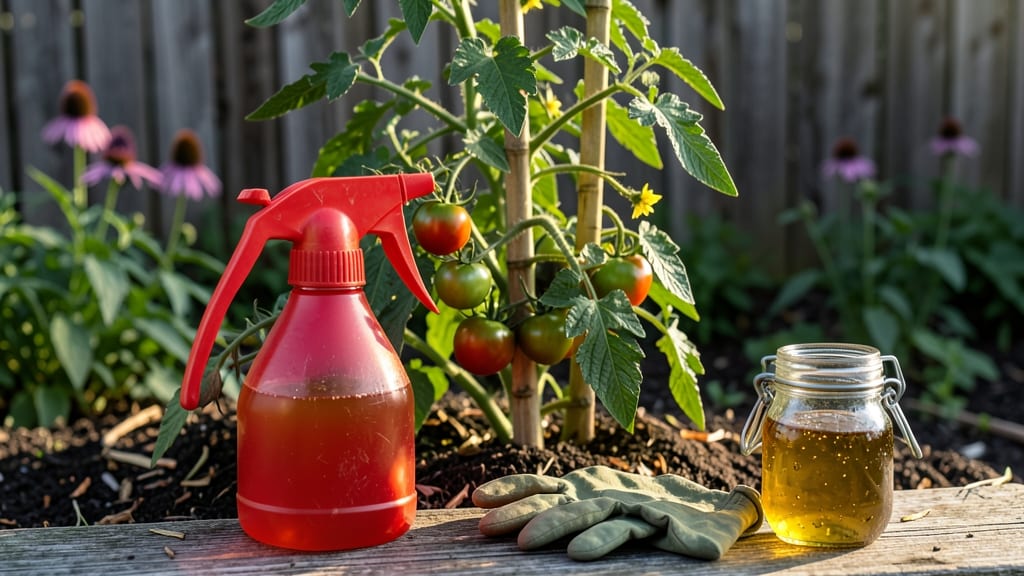
Aphids and blight were wrecking my tomatoes faster than I could harvest them—until I found this tomato leaf spray that stopped the damage in its tracks. 🌱 The secret isn’t fancy equipment or expensive chemicals; it’s a simple mix that works within 24 hours to repel pests and prevent fungal diseases before they take hold.
My plants went from wilted and spotted to thriving within days, and I’ve been using this same recipe for three growing seasons now. This spray tackles everything from aphid infestations to early signs of powdery mildew, using ingredients you likely already have in your pantry or garden shed.
No more losing entire plants to late blight or watching spider mites turn leaves yellow—just a quick spray in the morning and your tomatoes get a protective shield that lasts. The best part? It’s safe for your family, pets, and even the beneficial insects that pollinate your garden.
By the end of the first application, you’ll notice fewer pests crawling on the undersides of leaves and a noticeable slowdown in fungal spots. The spray also boosts plant resilience, so they bounce back faster from stress or minor damage.
Plus, it’s a great way to cut back on synthetic pesticides while still keeping your harvest healthy and productive. Works for both container gardens and in-ground plots, and you can adjust the recipe based on what pests or diseases you’re dealing with.
Let’s get those tomatoes protected—here’s exactly how to make and use it.
📚 In This Guide
- What you need
- Instructions
- Tips and common mistakes
- Wrapping up and next steps
What you need
- ● 1 gallon of water (distilled or tap water, filtered if possible)
- ● 2 tablespoons of neem oil (100% pure, cold-pressed for best results)
- ● 1 tablespoon of dish soap (mild, fragrance-free, like Dawn or Castile soap)
- ● 1 tablespoon of white vinegar (5% acetic acid, organic preferred)
- ○ 1 teaspoon of garlic powder (or 2 cloves of fresh garlic, minced—optional but potent!)
- ● Spray bottle or garden sprayer (16–32 oz, with a fine mist nozzle for even coverage)
- ● Mixing container (a clean 1-gallon bucket or large bowl)
- ● Wooden spoon or whisk (to stir ingredients thoroughly)
- ○ Gloves (optional—neem oil can be drying to skin!)
- ● Label & marker (to tag your spray—safety first!)
- ● Test on 1–2 leaves first—wait 24 hours to check for sensitivity.
- ● Apply in early morning or late evening to avoid sunburning leaves.
- ● Reapply every 5–7 days (or after rain) for continuous protection.
Step-by-Step instructions for making tomato leaf spray
Here's my go-to formula that keeps pests at bay without harsh chemicals.
🌿 Step 1: Gather Your Natural Ingredients
You'll need 1 quart of water, 1 tablespoon of mild liquid soap (like Castile), and 1 tablespoon of neem oil for the spray base. I always use organic neem oil because it's potent against common tomato pests like aphids, spider mites, and whiteflies while being safe for plants when used correctly.
Add the soap and neem oil to a quart-sized spray bottle—the soap helps the mixture stick to leaves, while the neem oil disrupts pests' life cycles. Shake gently to combine before adding water. If you notice any residue settling at the bottom, give it a good shake until fully mixed.
💧 Step 2: Mix and Strain for Safety
Fill the spray bottle with 1 quart of lukewarm water—cold water can shock plants, and hot water may degrade the neem oil's effectiveness. Screw the cap on tightly and shake vigorously for 30 seconds to emulsify the ingredients. A fine, milky consistency means it's ready.
For extra safety, strain the mixture through a fine-mesh sieve or cheesecloth to remove any undissolved particles. This prevents clogging the spray nozzle and ensures an even application. If you're working in direct sunlight, do this step in the shade—neem oil breaks down faster when exposed to UV light.
☀️ Step 3: Apply Spray at the Right Time
Spray your tomato plants early in the morning or late afternoon when temperatures are below 85°F. This prevents the spray from evaporating too quickly and gives the leaves time to dry before the sun peaks. Hold the bottle 12 inches away from the foliage and apply until leaves are glistening but not dripping—over-saturation can lead to fungal issues.
Focus on the undersides of leaves where pests hide, and lightly mist the stems. Avoid spraying flowers or fruit directly, as neem oil can harm pollinators and may leave a bitter taste. Reapply every 5-7 days or after rain to maintain protection. You'll see pests disappear within 24 hours, and new growth will emerge pest-free.
⏰ Step 4: Monitor and Reapply as Needed
Check your plants 48 hours after spraying for lingering pests. If you still spot aphids or mites, repeat the application—sometimes a second round is needed for severe infestations. Store any leftover spray in a cool, dark place (like a pantry) for up to 2 weeks, shaking well before each use.
This spray works best as a preventive measure during growing season. I keep a batch ready in my greenhouse and rotate it with companion planting (like basil or marigolds) for even better pest control. If you notice yellowing leaves after spraying, dilute the mixture with more water—the soap concentration might be too high.
Tips & tricks for perfect tomato leaf spray
Real talk: This spray is one of my garden's best-kept secrets, and these small tweaks make all the difference between a good spray and a great one.
Neem Oil Quality Matters: Not all neem oils are created equal. I’ve found that 100% cold-pressed, organic neem oil works best for pest control—it’s more potent against aphids and mites. If you’re using a cheaper version, you might need to double the 1 tablespoon to see the same results. Store your neem oil in a cool, dark place to preserve its effectiveness, especially since it degrades when exposed to light or heat.
Shake Like You Mean It: Those 30 seconds of vigorous shaking in Step 2 aren’t just for show—they’re what creates that fine, milky emulsion that sticks to leaves. If you skip this, you’ll end up with a separated mixture that clogs your spray nozzle. Pro tip: Give it a quick shake right before spraying too, even if it’s been sitting for a while.
Timing is Everything: The 24-hour window mentioned for pest disappearance is spot-on, but here’s the kicker: if you spray in the heat of the day (above 85°F), the solution evaporates too quickly. Stick to early mornings or late afternoons, and you’ll see results faster. Also, avoid spraying if rain is forecasted within 48 hours—the water will wash away the protective layer.
Optional Boost: For stubborn infestations, you can add 1 teaspoon of garlic juice (from 1 crushed garlic clove) to the quart-sized spray bottle. Garlic acts as a natural fungicide and repels pests like whiteflies. Just strain it well to avoid clogging the nozzle—this is completely optional but can make your spray even more effective!
Pro Tips for Tomato Leaf Spray
- Real talk: This spray is one of my garden's best-kept secrets, and these small tweaks make all the difference between a good spray and a great one.
- Neem Oil Quality Matters: Not all neem oils are created equal.
- Shake Like You Mean It: Those 30 seconds of vigorous shaking in Step 2 aren’t just for show—they’re what creates that fine, milky emulsion that sticks to leaves.
Frequently asked questions
Got questions about tomato leaf spray? You’re not alone! Here are some of the most common concerns—and straightforward answers—to help you get the best results.
How often should I spray tomato leaves for pests?
Spray your tomato plants every 7–10 days or immediately after noticing new pests. For heavy infestations, apply every 3–4 days until pests disappear. Always spray in the early morning or late evening to avoid harming beneficial insects like bees.
How long does it take to see results?
Most homemade tomato leaf sprays (like neem oil or garlic spray) show noticeable improvement within 24–48 hours. For stubborn pests, consistency is key—keep spraying as directed for 1–2 weeks to fully eliminate them.
Is tomato leaf spray safe for edible plants?
Yes! When made with food-safe ingredients (like soap, garlic, or neem oil), these sprays are non-toxic to plants and safe for harvest 24–48 hours after application. Avoid chemical pesticides—they require a longer wait time before eating tomatoes.
Can I use tomato leaf spray as a preventive measure?
Spraying preventatively every 2 weeks during growing season (spring to fall) deters pests before they become a problem. It’s especially useful for aphids, whiteflies, and spider mites, which love tomato plants.
What if my spray stops working?
If pests return, your spray may have dried out or pests developed resistance. Try reapplying fresh spray or switching ingredients (e.g., from garlic to neem oil). For severe cases, mix 1 tsp of cayenne pepper into your spray for extra potency.
Will tomato leaf spray harm my plants?
When used correctly, no! But over-spraying or using harsh ingredients (like undiluted essential oils) can burn leaves. Always test a small area first and avoid spraying on hot, sunny days. Stick to the recipe to stay safe.
Wrapping up and next steps
Protecting your tomato plants from pests doesn’t have to be complicated or expensive! With a simple tomato leaf spray made from natural ingredients like neem oil, garlic, or dish soap, you can keep those pesky bugs at bay in just 24 hours.
Whether you’re a seasoned gardener or just starting out, this DIY solution is easy, effective, and eco-friendly—so grab your spray bottle and give your plants the care they deserve! 🌱
Ready to see the difference? Try it this weekend and watch your tomato plants thrive without harmful chemicals. Happy gardening! 🌟