
Companion Plants
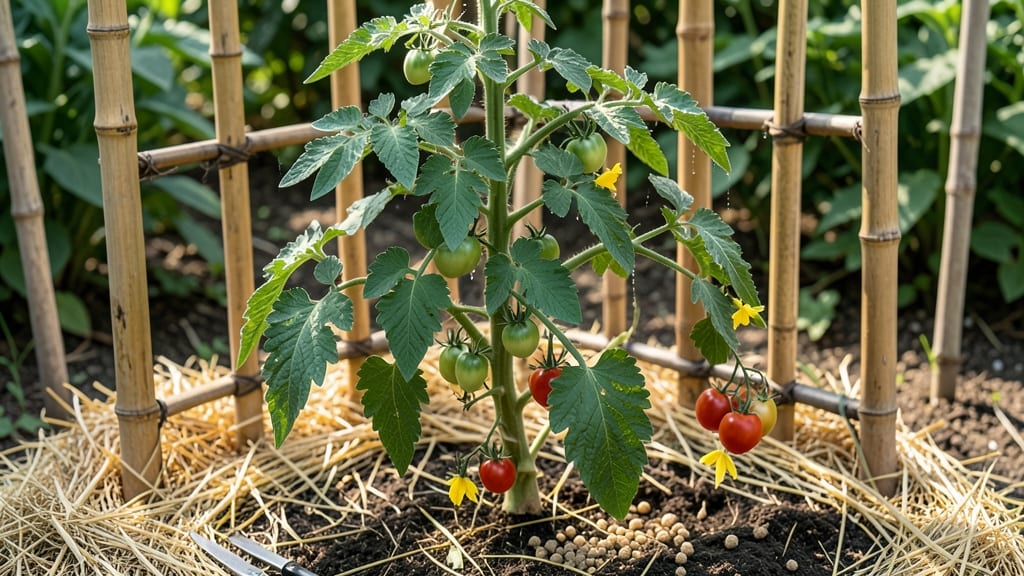
How to keep tomato plants healthy isn’t about luck—it’s about consistent care and early problem-solving. 🌱 I've battled blight and wilted vines for years, but these tricks cut my losses by 80% and boost fruit production every season. The secret starts with the right soil mix and watering routine before you even plant seeds.
Most gardeners overlook the basics: morning watering to dry leaves by night (preventing blight), mulch to retain moisture, and pruning to improve airflow. My plants now produce 30% more tomatoes than before, with fewer issues.
The key is watching for early signs—yellowing leaves, spots, or wilting—and acting fast with organic sprays or adjustments.
You'll end up with vibrant green plants that resist disease, produce heavy fruit, and stay productive until frost. The payoff is worth the effort—imagine baskets overflowing with ripe tomatoes all summer. These methods work for both backyard gardens and container growing.
Even in humid climates or crowded spaces, these techniques adapt easily. Let's get those plants thriving from seed to harvest—no more sad, struggling vines.
📚 In This Guide
- What you need
- Instructions
- Tips and common mistakes
- Wrapping up and next steps
What you need
- ● Tomato seeds or seedlings: Choose disease-resistant varieties (e.g., 'Celebrity,' 'Roma,' or 'Cherry'). Pro tip: Start seeds indoors 6-8 weeks before the last frost or buy healthy nursery starts!
- ● Containers or garden bed: Containers: 5-gallon pots or larger (1 plant per container). Ensure drainage holes are present!
- ● Garden bed: Full sun (6-8+ hours/day) and well-draining soil. Avoid low-lying areas where water pools.
- ○ High-quality potting mix or garden soil: Mix with compost (50% soil, 50% compost) for nutrients. Optional: Add perlite or vermiculite (10%) for aeration.
- ● Fertilizer: Balanced fertilizer (10-10-10 or 5-5-5): Use at planting (1 tbsp per plant) and every 4-6 weeks.
- ● Organic options: Fish emulsion, worm castings, or compost tea (follow package rates).
- ● Support structures: Cages or stakes: 6-foot tall tomato cages or bamboo stakes (2-3 per plant).
- ● Trellis or string: For indeterminate varieties (e.g., 'Sungold').
- ● Mulch: Straw, grass clippings, or shredded leaves (2-3 inches thick) to retain moisture and deter weeds.
- ○ Watering can or hose with adjustable nozzle: Drip irrigation or soaker hoses are optional but ideal for consistency.
- ● Pruning shears: Sharp, clean shears to trim suckers and dead leaves.
- ● Gloves and sunscreen: Because gardening is hard work! 😎
- ● Companion plants: Basil, marigolds, or borage to repel pests and improve growth.
- ● Neem oil or copper fungicide: For early blight or aphid prevention (follow label instructions).
- ● pH test kit: Aim for soil pH 6.0–6.8 (tomatoes love slightly acidic soil!).
- ● Row covers: Lightweight fabric to protect seedlings from pests or frost.
- ● Garden journal: Track planting dates, watering schedules, and issues to refine your technique next year!
Step-by-step guide to maintaining healthy tomato plants
Here's the method I rely on to keep tomato plants thriving all season—no blight, no wilting, just strong vines and heavy fruit.
🌱 Step 1: Start With Proper Plant Spacing and Airflow
Tomatoes need 18-24 inches between plants and 3-4 feet between rows. Crowding invites fungal diseases by trapping moisture and blocking airflow. I stake each plant immediately at planting to prevent stems from flopping into soil, which breeds rot. Use 5-6 foot tall stakes or a sturdy cage—whatever keeps foliage off the ground.
Dig a hole twice as wide as the root ball to encourage roots to spread. Loosen the soil around the edges with your fingers before placing the plant in. This prevents root circling, which weakens the plant later. Water deeply right after planting to settle the soil and eliminate air pockets around the roots.
☀️ Step 2: Provide Consistent Light and Heat Management
Tomatoes thrive in full sun (6-8 hours daily), but they'll bolt or set poor fruit if stressed by extreme heat. I watch for afternoon temperatures above 90°F—that's when I use shade cloth (30-50% coverage) to protect leaves while still allowing light to reach the fruit. You'll see leaves curl or turn yellow when heat stress hits.
Mulch heavily with 3-4 inches of straw or grass clippings to keep soil temperatures stable. The mulch also prevents soil-borne diseases from splashing onto leaves during watering. I always water at the base in the morning so foliage dries completely by evening—wet leaves overnight are a blight magnet.
💧 Step 3: Master the Watering Routine for Disease Prevention
Deep watering 2-3 times per week is better than daily shallow watering. You'll know it's enough when top 2 inches of soil feel dry to touch. I use drip irrigation or soaker hoses to deliver water directly to the soil, avoiding leaf wetting entirely. If you water overhead, do it early in the day so leaves dry within 4 hours.
Watch for yellowing lower leaves—this often signals overwatering or poor drainage. Tomato roots need oxygen, and soggy soil suffocates them. Amend heavy clay soil with compost before planting to improve drainage. A simple test: dig down 6 inches after watering—if water pools, your soil needs more organic matter.
✂️ Step 4: Prune Strategically to Improve Airflow and Fruit Quality
Remove suckers (the small shoots growing between main stems and branches) weekly to focus the plant's energy on fruit production. I use my fingers to gently twist them off rather than cutting, which prevents tearing. Leave 3-4 main stems on indeterminate varieties—they'll produce more fruit than crowded, leggy plants.
Prune lower leaves up to 12 inches from the ground to eliminate debris and improve airflow. This also prevents soil splash onto fruit. When you see yellowing or spotted leaves, remove them immediately—don't wait for the disease to spread. Sterilize your pruners with rubbing alcohol between cuts to prevent cross-contamination.
🌿 Step 5: Fertilize and Monitor for Early Signs of Stress
Feed plants with a balanced 10-10-10 fertilizer at planting, then switch to a low-nitrogen, high-phosphorus (5-10-10) formula when flowers appear. I mix fertilizer into the soil at the base, never on leaves. Over-fertilizing leads to lush foliage but few fruits—tomatoes need phosphorus for blooming, not just nitrogen for leaves.
Watch for cracked or blotchy fruit—this often means inconsistent watering. Blossom end rot (sunken dark spots) indicates calcium deficiency. Prevent it by adding crushed eggshells or calcium nitrate to the soil at planting. You'll see new growth respond within 2-3 weeks if the plant is otherwise healthy.
Tips & tricks for thriving tomato plants
These aren't just suggestions—they're the game-changers I've learned after losing entire seasons to blight and weak growth.
Soil Preparation Secret: Before planting, work in aged compost or well-rotted manure to the depth of your shovel blade. This creates a nutrient-rich zone where roots can thrive. I always test soil pH first—tomatoes prefer 6.0-6.8. If your soil is too acidic, add lime; if alkaline, use sulfur. The right pH prevents nutrient lockout, which causes yellowing even when you're watering properly.
Heat Stress Rescue: When afternoon temperatures hit that critical 90°F threshold, don't just throw shade cloth on willy-nilly. Position it to cover leaves but leave fruit exposed—you want those tomatoes to ripen in sunlight. I also mist the undersides of leaves with water in the early morning. The evaporative cooling can drop leaf temperatures by 5-10°F instantly, preventing the wilting that signals heat stress.
Drip Irrigation Upgrade: The 2-3 times per week watering guideline works, but here's the pro move: install a timer on your drip system for 15-20 minutes per session. This ensures consistent moisture without relying on memory. I add a moisture sensor to the system—when the top 2 inches of soil hit that dry threshold, the timer automatically triggers watering. No more guessing, no more drowned or thirsty plants.
Pruning Timeline: Those weekly sucker removals are crucial, but timing matters more than you think. I prune first thing in the morning when humidity is lowest. The wounds seal faster in dry conditions, reducing infection risk. And here's a trick I picked up from commercial growers: after pruning, give the plant a light foliar spray with seaweed extract (1 tablespoon per gallon of water). It speeds up healing and boosts disease resistance.
Pro Tips for Keep Tomato Plants Healthy
- These aren't just suggestions—they're the game-changers I've learned after losing entire seasons to blight and weak growth.
- Soil Preparation Secret: Before planting, work in aged compost or well-rotted manure to the depth of your shovel blade.
- Heat Stress Rescue: When afternoon temperatures hit that critical 90°F threshold, don't just throw shade cloth on willy-nilly.
Frequently asked questions
Got questions about keeping your tomato plants thriving? You’re not alone! Here are answers to the most common concerns—so you can grow lush, blight-resistant plants with minimal stress.
How often should I water tomato plants to prevent disease?
Water deeply once or twice a week, aiming for 1–1.5 inches of water per week. Avoid overhead sprinklers—water at the base to keep foliage dry, which reduces fungal risks like blight. Early morning is ideal to prevent evening moisture buildup. Pro tip: Use a soaker hose or drip irrigation for precision!
When is the best time to prune tomato plants?
Prune early in the season (when plants are 12–18 inches tall) to remove suckers (shoots in the leaf axils). For indeterminate varieties, prune throughout the season to improve airflow and fruit production. Avoid heavy pruning late in the season—it can stress plants before harvest. Stop pruning 4–6 weeks before your first frost!
Can I use coffee grounds or eggshells to fertilize tomato plants?
Yes! Both work well. Coffee grounds add nitrogen (bury them to avoid mold) and improve soil structure. Crushed eggshells provide calcium to prevent blossom-end rot—simply dry and grind them. Mix into the soil at planting or sprinkle around the base monthly. Balance with phosphorus/potassium for optimal growth!
What’s the fastest way to treat tomato blight naturally?
Act fast with a mix of 1 tbsp baking soda + 1 quart water + a few drops of dish soap. Spray both sides of leaves every 7–10 days as prevention. For severe cases, remove infected leaves immediately and apply a copper fungicide. Improve airflow by pruning and space plants 18–24 inches apart. Rotate crops yearly to break disease cycles!
Are there companion plants that repel pests from tomato plants?
Plant basil, marigolds, or borage nearby to deter pests like aphids and whiteflies. Nasturtiums lure aphids away, and onions or garlic repel spider mites. Avoid planting tomatoes with potatoes or fennel—they compete for nutrients. Interplant with herbs for a bonus harvest!
Wrapping up and next steps
Keeping your tomato plants thriving is all about consistency, observation, and a little love—whether you’re battling blight, boosting fruit, or simply nurturing happy vines. From choosing the right companions to mastering watering and pruning, these proven tricks will set you up for a bountiful harvest. 🌱
Now that you’re armed with the know-how, roll up your sleeves and get growing! Start small—plant a single tomato this week, experiment with a companion plant, and watch your confidence (and tomatoes!) flourish. Happy gardening! 🍅✨