
How To
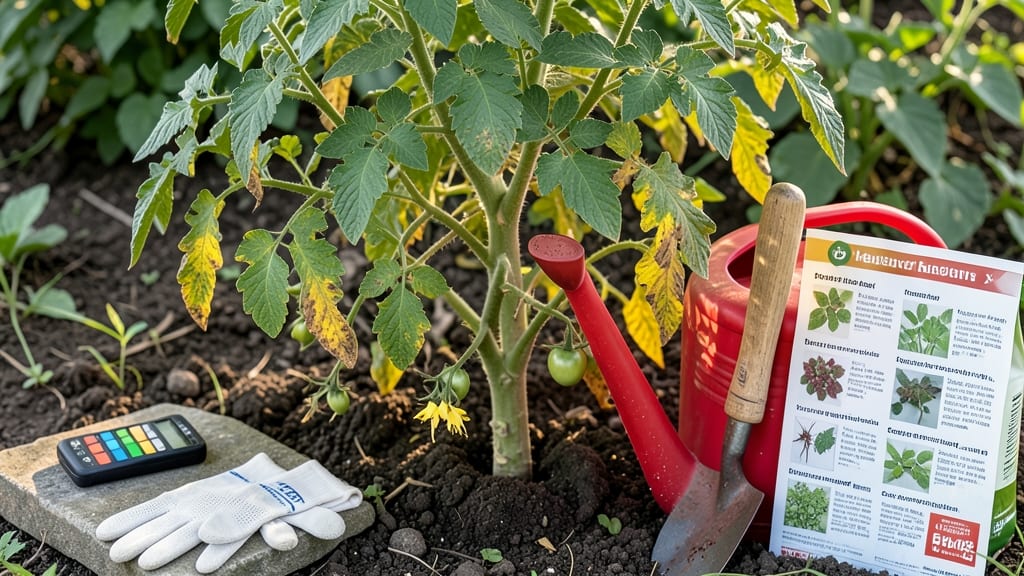
Tomato leaves going yellow can turn your garden from lush to limp in days—but here’s the good news: most causes are fixable with quick action. 🌱 I’ve seen yellowing leaves spiral into plant collapse, but the right steps can bring them back to vibrant green in just a few days.
The key is identifying whether it’s water, nutrients, pests, or disease, then acting fast.
Overwatering or underwatering are the most common culprits, but nutrient deficiencies like nitrogen or magnesium can sneak up too. Spider mites and early blight also love stressing tomato plants, and once they get a foothold, recovery gets harder.
The first step is checking soil moisture—if it’s soggy, cut back; if it’s bone-dry, water deeply but don’t drown.
For nutrient issues, a balanced fertilizer or Epsom salt (for magnesium) works wonders. Pest problems? Spray with neem oil or introduce ladybugs. Disease? Remove infected leaves immediately and space plants for airflow. With these fixes, you’ll see improvement within 3-5 days—no more panicking over yellowing foliage.
Prevention is even easier: mulch to retain moisture, rotate crops yearly, and pick varieties resistant to common diseases in your area. Once you’ve tackled the yellowing, your tomatoes will bounce back stronger than ever.
Hidden Causes Behind Yellowing Tomato Leaves
When your tomato plants start showing yellow leaves, it’s often a cry for help—whether from unseen pests, hidden nutrient deficiencies, or environmental stressors. Understanding the root causes (literally and figuratively) is the first step to saving your plants.
Below, we break down the most common reasons why your tomato leaves are turning yellow, complete with actionable science-backed explanations.
Yellowing leaves are a classic sign of waterlogged roots, which suffocate plant cells and prevent oxygen absorption. Tomatoes thrive in well-draining soil, but when roots sit in soggy conditions, they can’t function properly.
- Why it happens: Excess water displaces oxygen in the soil, leading to anaerobic conditions that trigger root rot (Phytophthora or Pythium fungi). The plant compensates by shedding older leaves (a process called senescence) to conserve energy.
- How to spot it: Check the soil 2 inches down—if it’s damp, your plant is likely overwatered. Yellowing may start at the bottom leaves and spread upward.
- Fix it:
- Let the top inch of soil dry out between waterings.
- Amend heavy clay soil with perlite or sand (10-20% mix) to improve aeration.
- Ensure pots have drainage holes and elevate containers to prevent water pooling.
While overwatering gets more attention, drought stress is equally damaging. Tomatoes need consistent moisture, especially during fruiting. When soil dries out, leaves lose turgor pressure and turn yellow as a survival mechanism.
- Why it happens: Underwatering causes osmotic stress, where cells lose water faster than roots can replenish it. The plant prioritizes water for new growth, causing older leaves to yellow and crisp at the edges.
- How to spot it: Soil pulls away from pot edges, and leaves feel dry or papery to the touch. Yellowing often starts between leaf veins (interveinal chlorosis).
- Fix it:
- Water deeply 1-2 times per week (more in extreme heat), soaking the root zone until water runs out the drainage holes.
- Mulch with straw or wood chips to retain moisture and regulate soil temperature.
- Move potted tomatoes to shade cloth (30-50%) during peak afternoon sun (12–4 PM).
Yellow leaves can signal a nutritional imbalance, particularly when they appear in specific patterns. Unlike general stress, deficiencies target leaves based on mobility in the plant.
| Nutrient | Yellowing Pattern | Why It Happens | Quick Fix |
|---|---|---|---|
| Nitrogen (N) | Older bottom leaves turn yellow, then brown and die. | Nitrogen is mobile in plants, so they “recycle” it from old leaves to new growth. Deficiency often stems from poor soil organic matter or over-pruning (removing too many leaves). |
|
| Magnesium (Mg) | Yellowing between leaf veins (interveinal chlorosis), starting on older leaves. | Magnesium is central to chlorophyll production. Deficiency occurs in alkaline soils (pH >7.0) or when potassium levels are too high, blocking uptake. |
|
| Iron (Fe) | Young top leaves turn yellow while veins stay green (chlorosis). | Iron is immobile in plants, so new growth suffers first. Common in alkaline soils or when soil is too cold (<50°F), reducing root uptake. |
|
Not all yellowing is environmental—pests and pathogens can drain nutrients or clog stomata (leaf pores), causing discoloration. Here’s how to tell them apart:
🐜 Sap-Sucking Pests (Aphids, Spider Mites, Whiteflies)
These tiny invaders pierce leaves to feed on sap, injecting toxins that trigger yellowing and stunted growth.
- Signs:
- Sticky residue (honeydew) on leaves or soil.
- Fine webbing (spider mites) or curled, puckered leaves.
- Yellowing starts on new growth and spreads rapidly.
- Fix:
- Blast off pests with a strong spray of water (early morning).
- Use neem oil (2 tsp per gallon) or insecticidal soap as a preventative spray weekly.
- Introduce beneficial insects like ladybugs or lacewings.
🍄 Fungal Infections (Early Blight, Septoria Leaf Spot)
Fungal spores thrive in humid, wet conditions and block leaf pores, causing yellow/brown spots with dark borders.
- Signs:
- Concentric rings or target-like spots on leaves.
- Yellowing progresses to crispy, dead patches.
- Spots often appear on lower leaves first.
- Fix:
Fix Yellowing Tomato Leaves Fast
Yellowing tomato leaves can be frustrating, but the good news is that most causes have simple, effective fixes. Whether your plants are struggling from overwatering, pests, or nutrient deficiencies, taking quick action can restore their health—and your harvest!
Below, we break down targeted solutions for each common cause, plus prevention tips to keep your tomatoes thriving. 🌱
If your tomato leaves are yellowing with soft, mushy spots or wilting, overwatering or root rot is likely the culprit. Tomatoes hate soggy roots!
How to Fix It:
- 🔥 Stop Watering Immediately – Let the soil dry out completely for 2–3 days to prevent further rot.
- 🍳 Improve Drainage – Mix in perlite, sand, or compost to aerate heavy soil. If potted, repot into a container with drainage holes.
- 👨🍳 Trim Damaged Leaves – Use clean scissors to snip off yellow, mushy leaves to redirect energy to healthy growth.
- ⏰ Adjust Watering Habits – Water deeply only when the top 1–2 inches of soil are dry. Early morning is best to reduce fungal risks.
💡 Prevention Tips:
- Use a moisture meter to track soil dampness.
- Avoid watering from above—use drip irrigation or a soaker hose.
- Choose well-draining soil mixes labeled for vegetables.
Crispy, yellowing edges or leaves that curl upward often mean your tomatoes are thirsty or struggling in hot conditions.
How to Fix It:
- 🥘 Water Deeply and Slowly – Give plants 1–1.5 inches of water per week, focusing on the base (not the leaves).
- 🌡️ Provide Shade Cloth – If temperatures exceed 90°F (32°C), use shade cloth (30–50%) to protect leaves.
- 🎯 Mulch Heavily – Apply 2–3 inches of straw or wood chips to retain moisture and cool roots.
- ✨ Prune for Airflow – Remove crowded branches to improve air circulation and reduce heat buildup.
💡 Prevention Tips:
- Water in the early morning or late evening to minimize evaporation.
- Group tomatoes with other heat-loving plants (like peppers) to create a microclimate.
- Use reflective mulch (like aluminum foil) to bounce back sunlight in extreme heat.
Yellowing leaves with brown spots, white powder, or black rings signal a fungal infection. These spread fast but can be managed!
How to Fix It:
- 🔪 Remove Infected Leaves Immediately – Snip off and dispose of (don’t compost) yellowed or spotted leaves.
- 🍳 Apply Fungicide – Spray with:
- Baking soda mix (1 tsp baking soda + 1 quart water + a drop of dish soap).
- Neem oil (1 tbsp neem oil + 1 quart water + surfactant).
- Copper fungicide (follow label instructions).
- 👨🍳 Improve Airflow – Space plants 18–24 inches apart and prune suckers to reduce humidity.
- ⏰ Water at the Base – Avoid wetting leaves to prevent spore spread.
💡 Prevention Tips:
- Rotate crops—don’t plant tomatoes in the same spot yearly.
- Use resistant varieties like ‘Mountain Merit’ or ‘Defiant PhR’.
- Water only at the soil level, never overhead.
Sticky leaves, tiny webs, or holes in foliage? Pests are likely sucking the life out of your tomatoes.
How to Fix It:
- 🔥 Blast Off Pests – Spray plants with a strong stream of water to knock off aphids/spider mites.
- 🍳 Introduce Beneficial Insects – Release ladybugs, lacewings, or predatory mites to eat pests naturally.
- 👨🍳 Use Insecticidal Soap – Mix 2 tbsp castile soap + 1 quart water and spray directly on pests (reapply every 3–5 days).
- ✨ Set Up Traps – Place yellow sticky traps near plants to catch whiteflies.
💡 Prevention Tips:
- Inspect new plants before bringing them home.
- Plant marigolds or basil nearby to repel pests.
- Avoid over-fertilizing with nitrogen—it attracts soft-bodied pests.
Uniform yellowing (especially older leaves) often means your tomatoes need a nutrient boost.
How to Fix It:
- 🥘 Test Your Soil – Use a DIY soil test kit (or send a sample to a local extension office) to identify deficiencies.
- 🍳 Fix Nitrogen (Yellow Lower Leaves) – Add:
- Compost (1 cup per plant).
- Fish emulsion (diluted per label).
- Blood meal (1 tbsp per plant).
- 👨🍳 Fix Magnesium (Yellow Edges, "Interveinal Chlorosis") – Sprinkle Epsom salt (1 tbsp per gallon of water) around the base.
- ⏰ Fix Potassium (Weak Growth, Yellow Tips) – Use a balanced fertilizer (5-5-5 or 10-10-10) or banana peel tea.
💡 Prevention Tips:
- Fertilize every 3–4 weeks during the growing season.
- Avoid overdoing nitrogen—it leads to lush leaves but few fruits!
- Mulch with well-aged compost to slowly release nutrients.
With these fixes, your tomato plants should bounce back in 1–2 weeks. The key is acting fast and addressing the root cause (literally!). For persistent issues, consider replanting in fresh, healthy soil. Happy gardening! 🍅🌿
Frequently asked questions
Why do tomato leaves turn yellow first at the bottom?
This is usually a sign of normal leaf senescence or nitrogen deficiency. Older leaves at the bottom contain more nutrients that the plant recycles to new growth when resources are limited. If yellowing spreads quickly or leaves brown and die, it’s likely a nutrient issue. Try adding compost or a balanced fertilizer to restore health.
Can I save my tomato plant if most leaves are yellow?
It depends! If the yellowing is from overwatering or pests, your plant may recover with proper care. Remove damaged leaves, adjust watering, and treat pests immediately. However, if the stems are mushy or leaves are completely crispy, the plant may be too far gone. Focus on saving new growth by pruning back to healthy stems.
What’s the difference between yellowing from overwatering vs. underwatering?
Overwatered leaves appear soft, mushy, and yellow with possible wilting, often starting at the bottom. Underwatered leaves turn crispy, dry, and yellow at the edges, sometimes curling upward. Check soil moisture: if it’s damp, you’re overwatering; if bone-dry, it’s thirsty. Adjust your watering schedule accordingly.
How often should I fertilize tomatoes to prevent yellow leaves?
Feed your tomatoes every 3-4 weeks during the growing season with a balanced fertilizer (like 10-10-10). Too much nitrogen causes lush leaves but few fruits, while too little leads to yellowing. For a quick fix, use compost or Epsom salt (for magnesium) if you notice interveinal chlorosis. Always water before and after fertilizing.
Is it safe to eat tomatoes from a plant with yellow leaves?
Yes, the fruit itself is usually safe to eat even if leaves are yellowing—unless you’ve used chemical pesticides. However, severely stressed plants may produce smaller or fewer tomatoes. Focus on reviving the plant first, and harvest any ripe fruit immediately. Avoid eating leaves or stems, as they can be bitter or toxic.