
Vegetables
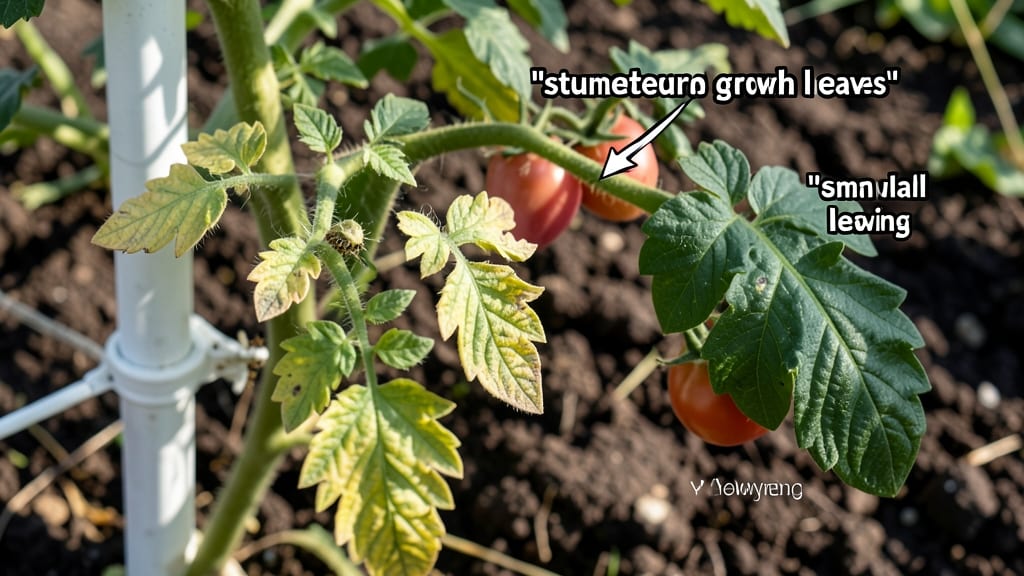
Seeing your tomato plants develop tiny leaves instead of healthy foliage? 🌱 That’s tomato little leaf syndrome—a bacterial nightmare spread by psyllids that can devastate your harvest if ignored. The good news? You can diagnose it in minutes and start treatment immediately, without losing your entire crop.
This condition causes stunted growth, yellowing leaves, and wilting—symptoms that mimic nutrient deficiencies or overwatering. The key difference? Little leaf syndrome spreads through insects, not soil or water. Once you confirm it’s bacterial (not fungal), you’ll know exactly what to prune and how to protect your remaining plants.
Within 7-10 days of treatment, you’ll see new growth pushing out stronger leaves. The secret is removing infected plants immediately and monitoring for psyllids, those tiny jumping pests that look like miniature grasshoppers.
Whether you prefer organic sprays or chemical controls, I’ll walk you through the most effective options—plus how to prevent future outbreaks. Let’s get those tomatoes back on track!
Root Causes Of Stunted Tomato Growth
Tomato little leaf syndrome isn’t just about small leaves—it’s a sign your plants are under stress from hidden threats. Understanding the why behind this condition is the first step to fixing it.
Below, we break down the primary culprits causing stunted, twisted, or yellowed foliage in your tomato plants, along with the science that explains their impact.
The most common cause of little leaf syndrome in tomatoes is infection by phytoplasmas or viruses, particularly:
- Tomato Big Bud Virus (TBBV) – Spread by leafhoppers, this virus disrupts plant hormones, causing stunted growth, reduced leaf size, and excessive branching.
- Tomato Yellow Leaf Curl Virus (TYLCV) – Transmitted by whiteflies, it blocks nutrient transport, leading to curled, brittle leaves and poor fruit set.
Why it happens: Viruses hijack the plant’s phytohormone pathways, particularly cytokinins (growth regulators). Instead of promoting healthy leaf expansion, they trigger aberrant cell division, resulting in tiny, malformed leaves. Infected plants may also show yellowing between veins (interveinal chlorosis) due to disrupted chlorophyll production.
Actionable clue: Check for whiteflies or leafhoppers on undersides of leaves. If you spot them, isolate infected plants immediately—these pests spread viruses rapidly.
Phytoplasmas are cell-wall-less bacteria that infect plants through leafhoppers or sap-sucking insects. Once inside, they:
- Disrupt auxin (growth hormone) balance, causing dwarfing and excessive shoot proliferation.
- Trigger abnormal leaf development, leading to small, cupped, or asymmetrical leaves.
Why it happens: Phytoplasmas alter gene expression in tomato plants, mimicking stress responses that normally activate during drought or nutrient deficiency. This leads to stunted roots and shoots, as the plant diverts energy to fighting the infection rather than growing.
Actionable clue: Look for witches’ broom (dense clusters of tiny shoots) or reddish-purple discoloration in stems—classic phytoplasma symptoms.
While viral infections are the top culprits, nutrient imbalances can mimic little leaf syndrome, especially:
- Nitrogen (N) deficiency – Leads to pale, small leaves and stunted growth.
- Magnesium (Mg) deficiency – Causes interveinal chlorosis (yellowing between veins) and crinkled leaves.
- Potassium (K) deficiency – Results in weak stems, curled leaves, and poor disease resistance.
Why it happens: Tomatoes are heavy feeders, and deficiencies disrupt chlorophyll synthesis and enzyme function, directly impacting leaf size and structure. For example:
- Nitrogen is crucial for protein and chlorophyll production—without it, leaves can’t expand properly.
- Magnesium is the central atom in chlorophyll—a lack of it causes leaves to yellow and distort.
- Potassium regulates water and nutrient uptake—deficiency leads to cell wall weakness, causing leaves to curl or shrink.
Actionable clue: Test your soil’s pH (ideal: 6.0–6.8)—tomatoes need balanced nutrients, and extreme pH levels (too acidic or alkaline) lock out essential minerals.
Even without pathogens, harsh growing conditions can trigger little leaf symptoms:
- Extreme heat – Disrupts enzyme activity needed for leaf expansion.
- Strong winds – Physically damage young leaves, stunting growth.
- Waterlogged soil – Drowns roots, cutting off nutrient and water supply.
- Poor drainage – Leads to oxygen deprivation, causing roots to fail.
Why it happens: Tomatoes thrive in consistent, moderate conditions. Stressors like heat waves (above 90°F) or flooded soil force plants into survival mode, prioritizing root recovery over leaf growth. This triggers abscisic acid (ABA) production, a stress hormone that inhibits cell expansion.
Actionable clue:
- Mulch to regulate soil temperature and retain moisture.
- Use shade cloth in peak summer to protect plants from scorching.
- Ensure raised beds or containers if your soil drains poorly.
Residual herbicides (especially 2,4-D or dicamba) or overuse of fungicides can cause phytohormone disruption, leading to:
- Stunted growth
- Curled or distorted leaves
- Reduced leaf size
Why it happens: Some herbicides mimic plant hormones, causing uncontrolled cell division in leaves and stems. Even low doses can trigger little leaf syndrome by blocking auxin transport, which is critical for leaf development.
Actionable clue:
- Avoid spraying tomatoes with broadleaf herbicides (they drift easily).
- Rotate crops to prevent chemical buildup in soil.
- Test soil for herbicide residues if symptoms appear suddenly.
Fixing Your Tomatoes Naturally
Tomato little leaf syndrome can be frustrating, but with the right approach, you can nurse your plants back to health—and even prevent future outbreaks. Below, we’ve mapped practical solutions to the most common causes, from quick fixes to long-term strategies.
Follow these steps to revive your plants and keep them thriving.
If your tomatoes are drowning in soggy soil, their roots can’t breathe, leading to stunted growth and yellowing leaves.
How to Fix It:
- 🔥 Improve Soil Drainage – Mix in compost, perlite, or coarse sand (1 part to 3 parts soil) to loosen heavy clay or compacted dirt. This helps water drain faster while retaining moisture.
- 🍳 Raise Planting Beds – If your garden has poor drainage, consider elevated beds or containers with drainage holes. This prevents waterlogging.
- ⏰ Adjust Watering Schedule – Water deeply but less frequently (1–2 inches per week, depending on climate). Avoid shallow, daily watering, which encourages root rot.
- 👨🍳 Mulch Properly – Apply 2–3 inches of organic mulch (straw, wood chips) to keep soil moist evenly and reduce evaporation.
Prevention Tip: 💡 Test your soil’s drainage by digging a 6-inch hole, filling it with water, and timing how long it takes to drain. If it’s slower than 4 hours, amend the soil immediately.
Too much nitrogen or a deficiency in key nutrients (like phosphorus or potassium) can stunt growth and cause small, distorted leaves.
How to Fix It:
- 📊 Soil Test First – Grab a DIY soil test kit (or send a sample to a local extension office) to check pH and nutrient levels. Tomatoes thrive in slightly acidic soil (6.0–6.8 pH).
- ✨ Fertilize Smartly –
- For nitrogen overload (lush leaves, few flowers): Switch to a balanced fertilizer (like 5-5-5) or a low-nitrogen option (2-4-4).
- For phosphorus deficiency (purple stems, weak roots): Use bone meal or rock phosphate (follow package rates).
- For potassium deficiency (yellow edges, weak stems): Apply wood ash, banana peels (composted), or a potassium-rich fertilizer (like 0-0-50).
- 🥗 Feed Foliar-Style – Mix liquid seaweed or fish emulsion with water and spray on leaves for a quick nutrient boost (especially helpful in hot weather).
Prevention Tip: 🔥 Avoid over-fertilizing! More isn’t better—too many nutrients can burn roots. Always follow package instructions.
Viruses, aphids, or fungal infections (like Fusarium or Verticillium wilt) can cause little leaf syndrome by clogging vascular systems or sapping energy.
How to Fix It:
- 🔪 Remove Infected Plants – If a plant shows wilting, yellowing, or stunted growth from a virus, dig it up and destroy it (don’t compost—burn or trash it) to prevent spread.
- 🚫 Control Aphids & Whiteflies –
- Spray with soapy water (1 tsp mild dish soap + 1 quart water) or neem oil (1 tbsp per gallon).
- Introduce beneficial insects like ladybugs or lacewings, which eat pests naturally.
- 🌡️ Prevent Fungal Spread –
- Water at the base (not leaves) to avoid fungal spores.
- Space plants properly (18–24 inches apart) for airflow.
- Rotate crops—don’t plant tomatoes in the same spot yearly.
Prevention Tip: 🎯 Inspect new plants before buying! Look for yellowing, curling leaves, or sticky residue (aphid honeydew), which can signal trouble.
Heat stress, transplant shock, or root damage can all mimic little leaf syndrome. Give your tomatoes a gentle recovery boost.
How to Fix It:
- 🌡️ Provide Shade – If temperatures exceed 90°F (32°C), use shade cloth (30–50%) or row covers to protect plants.
- 💧 Hydrate Deeply – After transplanting, water thoroughly and add a root stimulator (like mycorrhizal fungi) to encourage growth.
- 🥗 Prune Wisely – Remove yellow or damaged leaves to redirect energy to healthy growth. Avoid heavy pruning during stress.
Prevention Tip: 💡 Acclimate young plants to outdoor conditions gradually—harden them off over 5–7 days before transplanting.
If your tomato plant is beyond saving (completely stunted, diseased, or dead), it’s time to pull it and start fresh.
How to Do It:
- 🔪 Dig carefully to avoid damaging nearby roots.
- 🧼 Sterilize tools with rubbing alcohol to prevent spreading pathogens.
- 🌱 Plant a new, healthy seedling in the same spot (if soil was amended) or rotate to a new location.
Final Pro Tip: ✨ Keep a garden journal! Note when symptoms appear, what you’ve tried, and the results. This helps you spot patterns and adjust next season.
By tackling the root cause (literally!) and following these steps, your tomatoes should bounce back stronger. Happy growing! 🍅🌿
Frequently asked questions
Can tomato little leaf syndrome spread to other plants in my garden?
Yes, it can spread quickly! This bacterial disease is primarily transmitted by psyllids (tiny jumping insects) and can infect other solanaceous plants like peppers, potatoes, and eggplants. Remove infected tomato plants immediately and monitor nearby crops for symptoms like stunted growth or small leaves.
How do I tell if my tomato plant has little leaf syndrome or just nutrient deficiency?
Look for these key differences: Little leaf syndrome causes small, twisted leaves with yellowing between veins and often includes excessive branching or purple stems. Nutrient deficiencies (like nitrogen) cause uniformly small leaves without twisting, and usually affect older leaves first. Test your soil to confirm.
Will pruning help my tomato plant recover from little leaf syndrome?
Pruning alone won’t cure the disease, but it can help redirect energy to healthy growth. Remove severely infected leaves and suckers to reduce stress. Focus on keeping the plant’s central stem strong—this gives it the best chance to produce new, healthier foliage once you’ve addressed the bacterial infection.
Are there any chemical treatments that can cure tomato little leaf syndrome?
No chemical sprays can fully cure this bacterial disease, but you can manage symptoms with copper-based bactericides (like copper hydroxide) to slow spread. The real solution is removing infected plants and controlling psyllid populations with insecticidal soap or neem oil to prevent further infection.
Can I still harvest tomatoes from a plant with little leaf syndrome?
You can harvest existing fruit, but avoid eating tomatoes from severely infected plants—the bacteria (Candidatus Liberibacter solanacearum) can contaminate the fruit. Focus on removing infected plants immediately to protect your remaining crop and prevent spread to other plants in your garden.