
Vegetables
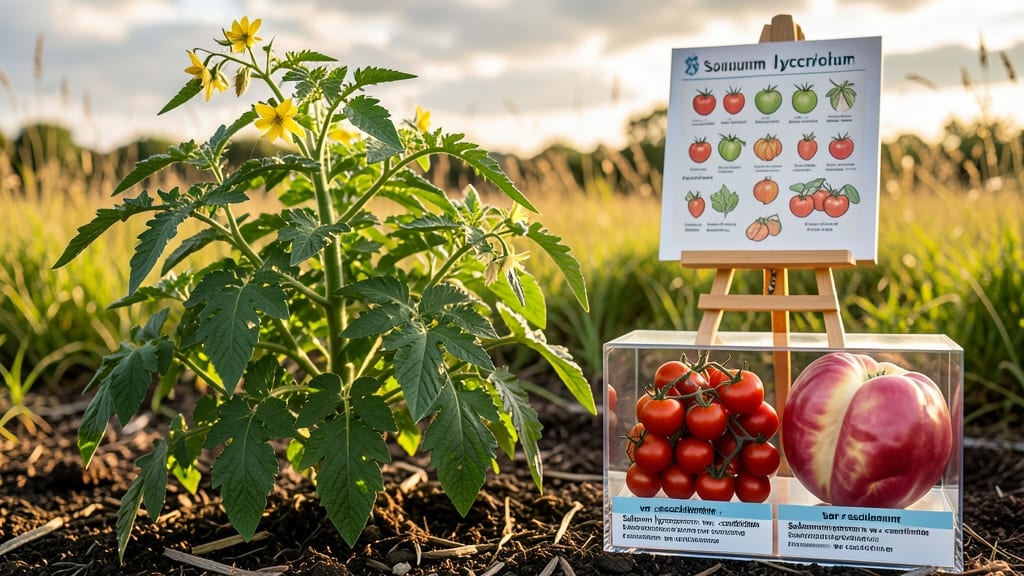
Choosing tomato lower classifications feels like picking flavors for a summer party—each brings something different to your plate. 🌱 Heirloom tomatoes pack bold flavors and heirloom charm, while hybrids offer disease resistance and consistent yields that make growing easier.
The right variety can turn your garden into a year-round kitchen staple.
Determinate tomatoes grow in neat bushes, perfect for sauces and canning, while indeterminate vines sprawl like vines and produce fruit all season long. Cherry tomatoes are sweet and bite-sized, ideal for snacking, while beefsteaks feed a crowd with their massive slices.
Roma tomatoes? The secret weapon for sauces that taste homemade.
You'll end up with tomatoes that match your space, your taste, and your cooking style—whether that's slicing for sandwiches, canning for winter, or just popping sweet cherries straight from the vine. The key is matching the variety to your goals: flavor, productivity, or ease of growing.
Works for backyard gardens, containers, or even small urban spaces. Once you understand these classifications, you'll pick tomatoes with confidence every season—no more guessing games at the seed rack.
📚 In This Guide
- What you need
- Instructions
- Tips and common mistakes
- Wrapping up and next steps
What you need
- ● Seed packets or seedlings: A mix of 5–10 heirloom varieties (e.g., Brandywine, Cherokee Purple) and 3–5 hybrid varieties (e.g., Early Girl, Sungold). Look for organic, non-GMO options if preferred.
- ● Growing containers or garden plot: For container gardening: 5-gallon pots (1 per plant) with drainage holes.
- ● For in-ground planting: 6–12 inches of well-draining soil enriched with compost.
- ● Potting mix: High-quality, organic mix (e.g., Miracle-Gro Organic Choice) or a blend of 60% peat moss, 30% perlite, 10% compost.
- ● Fertilizer: Balanced fertilizer (10-10-10) for seedlings.
- ● Tomato-specific fertilizer (5-10-10 or higher in potassium) for flowering/fruiting stages.
- ● Watering can or hose with gentle nozzle: 1–2 gallons capacity for consistent moisture.
- ● Pruning shears: Sharp, sterilized for trimming suckers and dead leaves.
- ● Support structures: Cages (5–6 ft tall) for determinate varieties.
- ● Trellis or stakes (6–8 ft) for indeterminate varieties.
- ● Plant labels: Waterproof tags or sticks to track varieties (heirloom vs. hybrid).
- ● Soil pH tester: Aim for 6.0–6.8 pH—tomatoes thrive in slightly acidic soil!
- ● Mulch (straw or shredded leaves): 2–3 inches thick to retain moisture and suppress weeds.
- ● Row covers or shade cloth: Protect seedlings from frost (lightweight) or scorching sun (30–50% shade).
- ● Disease-resistant sprays: Neem oil or copper fungicide for preventive care.
- ● Journal or app: Track growth stages, harvest dates, and flavor notes for each variety!
How to identify and select tomato varieties by classification
Understanding heirloom and hybrid tomato distinctions transforms your garden choices.
🌱 Step 1: Recognize Heirloom Characteristics
Heirloom tomatoes trace back at least 50 years and maintain their original traits through open-pollinated seeds. Look for varieties like 'Brandywine' or 'Cherokee Purple'—these names often appear in seed catalogs with phrases like "non-GMO" or "saved seeds." Their seeds can be collected and replanted, preserving the exact flavor profile year after year.
You'll notice heirlooms typically have richer, more complex flavors but may require more care. Their vines often grow taller and more vigorous, needing stronger supports like 9-foot cages or heavy-duty stakes. The trade-off? Their larger fruit size and thicker skins make them ideal for slicing or sauces—but watch for shorter shelf life compared to hybrids.
🌿 Step 2: Spot Hybrid Advantages
Hybrid tomatoes (marked with "F1" on seed packets) result from crossbreeding for specific traits like disease resistance or uniform ripening. Varieties like 'Celebrity' or 'Better Boy' often boast consistent yields and faster maturation—critical for shorter growing seasons. These plants typically produce smaller, more uniform fruit that ripens simultaneously, perfect for canning or market sales.
Hybrids often resist common tomato diseases like early blight or verticillium wilt, reducing the need for chemical sprays. You'll see them labeled with terms like "disease-resistant" or "crack-resistant." The downside? Their seeds won't reproduce true to type—you must repurchase seeds annually. This makes hybrids ideal for high-volume gardens or urban containers where reliability matters most.
☀️ Step 3: Compare Growth Habits by Classification
Heirlooms often grow as indeterminate varieties, meaning they produce fruit continuously until frost. You'll need to prune aggressively to focus energy on fruit development rather than excessive foliage. Hybrids, however, frequently include determinate types that grow to a fixed size (like 4-5 feet tall) and produce fruit all at once—ideal for sauces or freezing when you need a harvest window.
Pay attention to days to maturity listed on seed packets. Heirlooms often take 75-90 days to bear fruit, while hybrids may mature in 60-75 days. In cooler climates, hybrids give you a 2-3 week advantage over heirlooms. For example, 'Early Girl' (a hybrid) consistently outperforms 'Black Krim' (heirloom) in northern gardens—but the latter delivers unmatched flavor when given ideal conditions.
✂️ Step 4: Match Varieties to Your Growing Goals
Choose heirlooms when flavor and seed-saving are priorities. Their diverse shapes and colors (from golden 'Sun Gold' to deep purple 'Indigo Rose') make them perfect for culinary experimentation. Plant them in well-drained, fertile soil with full sun exposure—they thrive when given extra organic matter like composted manure.
Opt for hybrids when reliability and resistance are key. Their tighter fruit clusters reduce sunscald risk, and their disease resistance saves time on preventive sprays. For container growing, hybrids like 'Tiny Tim' or 'Patio Princess' excel—both produce abundant fruit in 5-gallon pots. Remember: hybrids often need slightly more phosphorus (look for 5-10-10 fertilizer ratios) to encourage strong root systems.
📝 Step 5: Test Varieties in Your Climate
Your local growing conditions dictate the best classification. In humid climates, prioritize hybrids with blight resistance (like 'Mountain Merit'). In dry regions, heirlooms with thick skins (such as 'Roma') handle water stress better. Always start with 2-3 plants per variety—this lets you compare yields, flavors, and disease susceptibility before committing to large-scale planting.
Keep a simple harvest journal: note ripening dates, fruit size, and any pests. For example, you might discover that 'Sungold' (a hybrid) produces earlier but 'Brandywine' delivers richer taste—this data helps refine future selections. The best garden blends both classifications: use hybrids for reliable staples and heirlooms for specialty dishes where flavor shines.
Tips & tricks for mastering tomato variety selection
Between heirlooms and hybrids, the right choice depends on your garden goals—and these insights will help you navigate the trade-offs.
Seed Label Decoding: Always check for "F1" on hybrid seed packets, as this indicates first-generation hybrids with guaranteed traits. For heirlooms, look for phrases like "open-pollinated" or "heirloom seeds" that confirm you can save seeds year after year. I've learned this the hard way—buying seeds labeled "heirloom" without these guarantees often leads to disappointing results when trying to preserve varieties.
Growth Habit Visualization: Picture indeterminate heirlooms as vines reaching for the sky (often needing 9-foot cages), while determinate hybrids top out around 4-5 feet. This difference affects everything from pruning frequency to harvest timing. For example, 'Brandywine' heirlooms might climb your trellis until frost, while 'Celebrity' hybrids produce all their fruit in one burst—plan your garden layout accordingly.
Climate-Specific Pairings: In humid regions, prioritize hybrids with blight resistance like 'Mountain Merit' (Step 5). In dry climates, heirlooms with thick skins such as 'Roma' perform better. I've seen gardens fail spectacularly when growing the wrong classification for their microclimate—take time to research local conditions before planting.
Fertilizer Strategy: Heirlooms benefit from extra organic matter like composted manure (Step 4), while hybrids often need phosphorus-rich fertilizers (5-10-10 ratios). This isn't just about yields—proper nutrition directly impacts flavor development. For example, under-fertilized heirlooms may produce fewer but more concentrated flavors, while over-fertilized hybrids can become watery and bland.
Pro Tips for Tomato Lower Classifications
- Between heirlooms and hybrids, the right choice depends on your garden goals—and these insights will help you navigate the trade-offs.
- Seed Label Decoding: Always check for "F1" on hybrid seed packets, as this indicates first-generation hybrids with guaranteed traits.
- Growth Habit Visualization: Picture indeterminate heirlooms as vines reaching for the sky (often needing 9-foot cages), while determinate hybrids top out around 4-5 feet.
Frequently asked questions
Got questions about tomato lower classifications? You’re not alone!
Whether you're a home gardener or a curious foodie, understanding heirloom vs. hybrid tomatoes can make all the difference in flavor, yield, and growing success. Here are some of the most common questions—and answers—to help you navigate the world of tomato varieties like a pro.
What’s the difference between heirloom and hybrid tomatoes?
Heirloom tomatoes are open-pollinated, meaning they’ve been passed down for generations and retain their original traits. Hybrids, on the other hand, are crossbred for specific traits like disease resistance or high yield. Heirlooms often boast bold flavors, while hybrids may offer consistency and durability.
How long does it take for heirloom vs. hybrid tomatoes to mature?
Both types have varying maturity rates, but heirlooms can sometimes take 10-30 days longer than hybrids due to their focus on flavor over speed. Check the seed packet for "days to maturity"—this tells you when to expect ripe fruit. Hybrids often mature faster (e.g., 50-60 days), while heirlooms might need 70-90 days.
Can I save seeds from hybrid tomatoes?
Not reliably! Hybrid seeds are bred to produce offspring that won’t match the parent plant. If you save seeds from hybrids, you’ll likely get a mix of traits—or worse, no tomatoes at all. Heirlooms, however, are perfect for seed-saving since they reproduce true to type.
Which tomatoes are best for disease-prone gardens?
Hybrids like 'Celebrity' or 'Mountain Merit' are bred for disease resistance (e.g., fusarium wilt, early blight). Heirlooms can be more vulnerable but may offer better flavor. To boost heirloom resilience, practice crop rotation and use organic sprays like neem oil.
Are heirloom tomatoes always better for cooking?
Not necessarily! While heirlooms often have richer, meatier textures and complex flavors, hybrids like 'San Marzano' (a hybrid!) are plump, low-acid, and perfect for sauces. For cooking, consider your dish: Heirlooms shine in fresh salads, while hybrids excel in canning and sauces.
Still curious? Dive into the full guide to match the perfect tomato to your garden—or taste buds!
Wrapping up and next steps
Exploring the world of tomato lower classifications reveals a fascinating blend of tradition and innovation—from heirloom gems passed down for generations to hybrid powerhouses bred for flavor and resilience. Whether you're a home gardener or a culinary enthusiast, understanding these varieties unlocks endless possibilities for your garden and kitchen! 🌱
Ready to dive deeper? Start by planting a few varieties this season—try a classic heirloom like 'Brandywine' alongside a hybrid like 'Sungold' for a flavor adventure. Happy growing! 🍅✨