
Planting
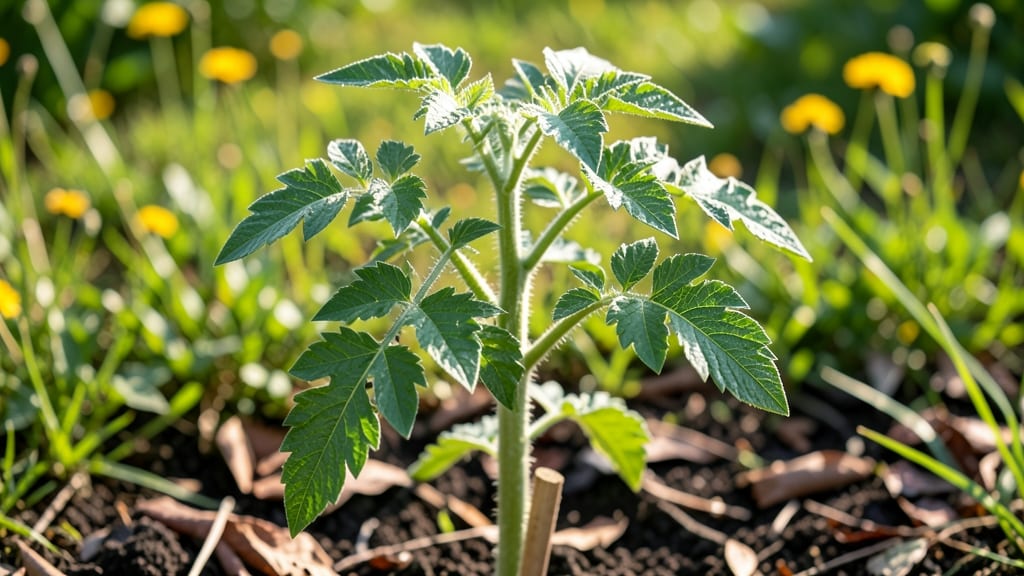
Your tomato plant at 2 months old is about to transform from a scraggly seedling into a productive powerhouse—if you prune and stake it right now. 🌱 I’ve seen plants double in bushiness after just one session, and the key is acting before they get too leggy.
The first few weeks of pruning set the stage for stronger stems, more flowers, and bigger fruit later.
You’ll need sharp pruning shears, sturdy stakes or cages, and a balanced fertilizer (like 10-10-10) to fuel growth. Skip the stakes now, and you’ll end up with floppy plants that snap in wind or under fruit weight.
The right pruning cuts—just above a leaf node—encourage branches to grow outward, not upward, which means more sunlight for every leaf.
By the time you’re done, your plant will look stockier, greener, and ready to support fruit without collapsing. You’ll also spot early signs of pests (like aphids hiding in leaf axils) and catch them before they spread. The best part? These plants stay productive for months longer than unpruned ones.
Works for determinate (bush) and indeterminate (vining) varieties, though indeterminates need more aggressive pruning. Here’s how to do it without stressing the plant—or yourself.
📚 In This Guide
- What you need
- Instructions
- Tips and common mistakes
- Wrapping up and next steps
What you need
- ● Tomato plant (2 months old) – Healthy, sturdy stems (look for 3–5 main branches).
- ● Pruning shears or sharp scissors – Disinfect with rubbing alcohol before use to prevent disease.
- ● Stakes or cages – Wooden stakes (5–6 ft tall) – 1–2 per plant (bamboo or metal works too!).
- ● Tomato cages (5–6 ft tall) – 1 per plant (opt for heavy-duty for windy areas).
- ● Soft plant ties or twistable Velcro strips – Gentle on stems! (Avoid wire—it can cut into the plant.)
- ○ Garden twine (optional) – For securing stakes to the ground.
- ● Balanced fertilizer (5-5-5 or 10-10-10) – A small handful post-pruning for a nutrient kick.
- ● Mulch (straw or shredded leaves) – 2–3 inches thick to retain moisture and deter weeds.
- ● Garden gloves – Protect your hands from thorns and dirt.
- ● Spray bottle with water – Keeps tools clean and plants hydrated during adjustments.
Step-by-step pruning and staking for 2-Month-old tomato plants
Now that your seedlings have grown into sturdy plants, this is the moment to shape their future growth.
🌿 Step 1: Identify and Remove Suckers for Bushier Growth
Suckers are the small shoots that form in the leaf axils where a stem meets a leaf. These compete with your main plant for energy, so removing them early directs nutrients to fruit production. Use your thumb and forefinger to gently pinch suckers larger than 1 inch—they should snap off cleanly without tearing surrounding tissue.
Focus on suckers below the first flower cluster first. These are the most aggressive and will steal energy from your tomatoes. I like to do this on a dry morning so the plants have time to recover before evening moisture sets in. If you miss a sucker, don't stress—it's better to remove them later than never at all.
✂️ Step 2: Prune Lower Leaves to Improve Airflow and Reduce Disease
Remove any leaves touching the soil or within 12 inches of the ground—these create damp conditions that invite fungal diseases like blight. Use clean, sharp pruners to make cuts at a 45-degree angle just above a leaf node. This prevents water from pooling on the wound and encourages faster healing.
Here's the thing—you don't need to remove all lower leaves at once. Spread it out over 2-3 days to reduce plant shock. Watch for new growth at the leaf nodes after pruning; this signals the plant is redirecting energy upward where it belongs.
🪴 Step 3: Install Sturdy Stakes or Cages for Support
Drive a 6-foot stake into the ground about 6 inches from the plant's main stem, angled slightly away from the sun. Tie the main stem to the stake with soft plant ties or strips of old T-shirt fabric—never wire or anything that can cut into the stem as it grows. Adjust the ties every 7-10 days as the plant grows taller.
If you prefer cages, choose ones with 5-foot tall wire mesh that won't collapse under the weight of fruit. Place the cage before staking so you don't disturb the root system later. The goal is to support the plant without restricting its natural growth pattern—too-tight ties will strangle stems as they thicken.
☀️ Step 4: Adjust Watering and Fertilizing After Pruning
Water deeply at the base 24 hours after pruning to help the plant recover. You'll notice new leaves emerging within 5-7 days—this is your signal everything is working. Reduce fertilizer applications to half-strength for 10 days after heavy pruning to prevent burning the plant's system while it recovers.
Focus on a balanced fertilizer with equal parts nitrogen, phosphorus, and potassium during flowering. Too much nitrogen now will produce lush foliage but delay fruiting. I switch to a calcium-rich supplement like crushed eggshells to prevent blossom-end rot, which becomes more likely as the plant puts energy into fruit development.
Tips & tricks for perfect tomato plant pruning and staking
Here's what I've learned after years of shaping tomato plants—these details make all the difference between healthy vines and struggling ones.
Sucker Removal Strategy: When you're pinching those suckers larger than 1 inch, work from the bottom up but prioritize the ones below the first flower cluster. These aggressive shoots can divert up to 30% of your plant's energy away from fruit production. I've found that using a clean fingernail or small pruning scissors actually reduces the risk of tearing tissue compared to fingers—especially on hairy varieties like 'Sungold'.
Leaf Pruning Technique: That 45-degree angle cut above the leaf node isn't just about aesthetics—it creates a natural barrier that prevents water from pooling on the wound. After pruning leaves within 12 inches of the ground, I always spray the cuts with a diluted copper fungicide solution (1 teaspoon per quart of water) as a preventative measure against blight. The plants show new growth at the nodes within 5-7 days, proving the energy redirection works.
Staking System: For the 6-foot stakes, I recommend driving them at a 15-degree angle away from the sun to prevent shading the plant's main stem. When using fabric ties, I cut old T-shirts into 12-inch strips—they're strong enough to support but stretch as the plant grows. The key is to adjust these ties every 7-10 days before they become restrictive. For cages, I've had best success with 5-foot tall mesh that's at least 1/2-inch thick—thinner mesh bends under fruit weight.
Post-Pruning Care: The 24-hour watering window is crucial—it gives the plant time to seal wounds while providing hydration. I've noticed that plants watered immediately after pruning show more stress symptoms. For the 10-day fertilizer reduction, I switch to a seaweed-based supplement which contains natural growth regulators that help the plant recover without the shock of synthetic nutrients.
Pro Tips for Tomato Plant 2 Months Old
- Here's what I've learned after years of shaping tomato plants—these details make all the difference between healthy vines and struggling ones.
- Sucker Removal Strategy: When you're pinching those suckers larger than 1 inch, work from the bottom up but prioritize the ones below the first flower cluster.
- Leaf Pruning Technique: That 45-degree angle cut above the leaf node isn't just about aesthetics—it creates a natural barrier that prevents water from pooling on the wound.
Frequently asked questions
Got questions about your 2-month-old tomato plant? You’re not alone!
Here are answers to the most common concerns—so you can keep your plant thriving and productive.
How tall should my 2-month-old tomato plant be?
A healthy 2-month-old tomato plant typically stands 12–24 inches tall, depending on the variety (determinate vs. indeterminate). If it’s growing too slowly, check sunlight (6+ hours/day) and soil nutrients (add compost or balanced fertilizer). Pro tip: If leggy, prune lower leaves to encourage stronger stems!
Can I prune my tomato plant at this stage?
Yes! Pruning at 2 months helps shape growth and improve airflow. Focus on removing lower leaves touching the soil (to prevent disease) and any suckers (side shoots) larger than a pencil. Wait until after flowering if your plant is already blooming—pruning too early can delay fruiting.
Do I need to stake my 2-month-old tomato plant now?
Staking early prevents flopping and supports bushier growth. For indeterminate varieties (tall, vining), use a sturdy cage or bamboo stake as soon as you transplant. Determinate (bush) types can wait until they’re 18+ inches tall. Gently tie stems with soft plant ties to avoid damaging the stem.
Why aren’t there any flowers on my 2-month-old plant?
Don’t worry—tomatoes need time (6–8 weeks) and proper conditions to flower. If it’s not blooming yet, check for:
- Enough sunlight (south-facing spot is ideal).
- Warmth (below 55°F/13°C delays blooming).
- Balanced fertilizer (high nitrogen = leafy growth, not flowers).
What should I do if pests appear on my 2-month-old tomato?
Early pest spots? Act fast! Common culprits include aphids, spider mites, and hornworms. Start with neem oil or insecticidal soap for soft-bodied pests. For hornworms, handpick them (they’re easy to spot!). Prevent future issues by:
- Removing weeds (they harbor pests).
- Using row covers if birds or rabbits are a problem.
Wrapping up and next steps
Your two-month-old tomato plant is just hitting its stride—with the right pruning and staking, you’re setting it up for a bountiful, bushier harvest! 🌱 Remember, consistency is key: trim those suckers, support those stems, and keep an eye on pests.
Now that you’re armed with the know-how, it’s time to roll up your sleeves and watch your plant thrive.
Ready for the next step? Monitor your plant’s progress weekly—adjust staking as it grows and prune only when needed. Before you know it, you’ll be rewarded with juicy, homegrown tomatoes! 🍅