
Planting
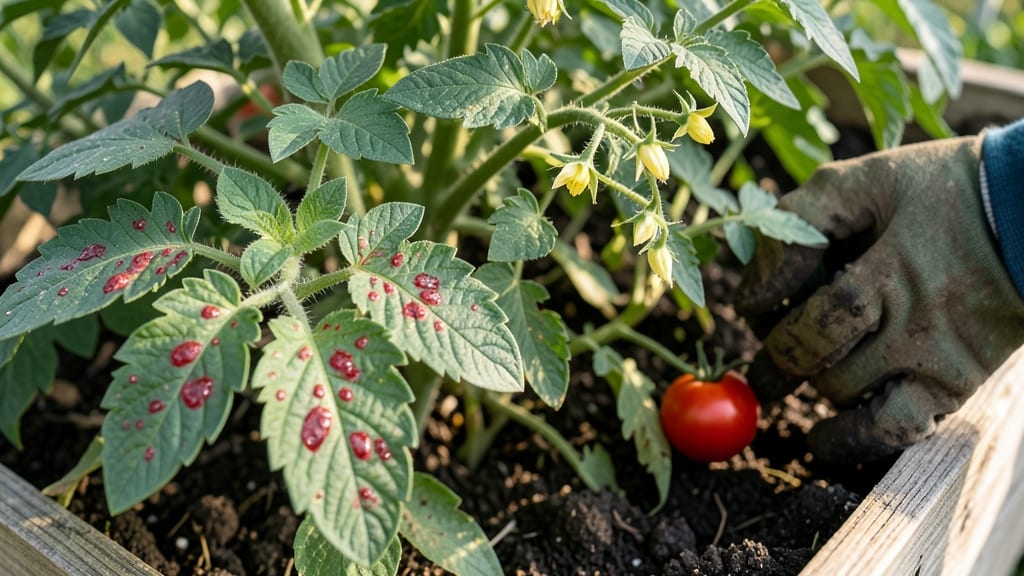
Seeing tomato plant allergy rash pictures can be a dead giveaway—those itchy red welts after handling your plants aren’t just random irritation.
They’re a reaction to plant sap or pollen. 🌱 I’ve dealt with the same frustrating symptoms after pruning my heirloom tomatoes, and I learned which varieties trigger reactions most often (and how to avoid them).
The culprits are usually hairy leaf varieties like ‘Black Krim’ or ‘San Marzano,’ whose sap contains solanine compounds that irritate sensitive skin. Even brushing against stems can cause welts within 30 minutes for some people. The good news? You can still grow tomatoes safely with a few precautions.
Wear nitrile gloves when handling plants, wash hands thoroughly with soap and water, and avoid touching your face until you’ve cleaned up. For existing rashes, over-the-counter hydrocortisone cream or calamine lotion can provide relief while they heal.
If you love gardening but hate the itch, opt for smooth-leaf varieties like ‘Celebrity’ or ‘Roma’—they’re less likely to cause reactions. Here’s how to spot and avoid the worst offenders in your garden.
Understanding Allergic Reactions To Tomatoes
Tomato plant allergies can cause uncomfortable rashes, itching, or even more severe reactions—but why do they happen in the first place? The culprit isn’t just the fruit itself but a complex mix of plant compounds, environmental factors, and individual immune responses.
Let’s break down the science behind these reactions so you can recognize the triggers and protect yourself.
Many people experience skin irritation when they touch tomato plants—especially the leaves, stems, or sap. This reaction is often caused by:
- Solanine & Glycoalkaloids: These natural toxins (found in nightshade plants, including tomatoes) can irritate sensitive skin. When crushed or broken, plant cells release these compounds, leading to allergic contact dermatitis.
- Histamine Release: Some individuals have an overactive immune response to plant proteins, triggering histamine production. This causes redness, swelling, and itching within minutes to hours of exposure.
- Photosensitivity Reactions: Certain chemicals in tomato plants (like psoralens) can make skin more sensitive to sunlight, worsening rashes when exposed to UV rays.
Actionable Tip: Wear gloves when pruning or handling tomato plants, and rinse your skin immediately with soap and water if exposed.
If you’re allergic to tomatoes, your immune system may also react to related plants in the Solanaceae family. Common cross-reactive triggers include:
| Plant | Allergy Risk | Symptoms |
|---|---|---|
| Potatoes | High (especially raw or green potatoes) | Oral allergy syndrome, hives, or digestive upset |
| Eggplants | Moderate (skin contact or ingestion) | Rash, swelling, or respiratory issues |
| Peppers (Bell, Chili, etc.) | Moderate to High (capsaicin + allergens) | Burning mouth, throat swelling, or skin irritation |
| Tobacco | Low to Moderate (smoke or sap exposure) | Asthma-like symptoms or skin redness |
Why It Happens: These plants share similar proteins (like profilin or chitinase), which can confuse the immune system into mounting an allergic response.
Some people develop oral allergy syndrome (OAS) after eating tomatoes, leading to:
- Itchy mouth, lips, or throat
- Swelling of the face or tongue
- Hives or rash (in severe cases)
Scientific Explanation: OAS occurs when your immune system mistakes plant proteins (like _LTP_ or PR-10 proteins) for pollen proteins. If you’re already allergic to ragweed, mugwort, or birch pollen, you’re more likely to react to raw tomatoes.
Key Difference: Cooking tomatoes often breaks down these proteins, reducing allergic reactions. Peeling and cooking may help if raw tomatoes trigger symptoms.
Tomato plants aren’t just reacting on their own—sometimes, the real culprits are hidden threats:
- Pesticide Residue: Many commercial tomato plants are treated with fungicides (like thiabendazole) or insecticides. These chemicals can irritate skin or trigger allergic reactions in sensitive individuals.
- Mold & Fungal Spores: Overripe or damaged tomatoes may harbor Alternaria or Cladosporium mold, which can cause respiratory or skin allergies.
- Insect Bites/Stings: Aphids, spider mites, or tomato hornworms can leave behind saliva or fecal matter that may irritate skin.
Actionable Tip: If you’re growing tomatoes at home, opt for organic pesticides or rinse store-bought tomatoes thoroughly before eating.
Not everyone reacts to tomatoes—so why do some people develop allergies while others don’t? The answer lies in:
- Genetics: If you have a family history of allergies (e.g., hay fever, eczema, or food allergies), your risk of reacting to tomatoes increases.
- Weakened Skin Barrier: People with eczema or dry skin are more susceptible to allergic contact dermatitis from plant sap.
- Immune System Overactivity: Conditions like atopic dermatitis or asthma can heighten sensitivity to plant proteins.
Fun Fact: Some studies suggest that frequent exposure to tomatoes (without proper precautions) may increase sensitivity over time—a phenomenon called sensitization.
Quick Fixes for Plant Allergies
Finding relief from a tomato plant allergy rash starts with identifying the root cause—whether it’s direct contact, pollen exposure, or even contaminated tools. Here’s how to tackle each trigger and prevent flare-ups for good.
If your rash stems from touching tomato plants (especially hairy stems or leaves), act fast to stop the irritation:
- 🚿 Immediate Wash - Rinse your skin with cool water and mild soap (like Dove or Cetaphil) within 10 minutes of exposure. This removes residual sap, which contains solanine—a compound linked to allergic reactions. - Pro tip: Use a soft washcloth to avoid scratching the rash further.
Pat dry gently with a clean towel.
- 🛡️ Apply a Protective Barrier
- Slather affected areas with hydrocortisone cream (1%) or calamine lotion to reduce itching and inflammation. For severe reactions, antihistamine creams (like Benadryl) can help.
- For prevention: Wear gloves when handling plants, especially during peak allergy seasons (spring/summer).
- 🧴 Soothe with Natural Remedies
- Aloe vera gel (pure, no additives) calms redness and speeds healing. Apply a thin layer 2–3 times daily.
- Oatmeal paste (mix colloidal oatmeal with water) works as a cooling compress for widespread rashes.
If your symptoms flare up after being near tomato plants (but not touching them), pollen or mold spores from the plant might be the culprit:
- 🏠 Deep-Clean Your Space - Wash clothes (especially workwear) in hot water after gardening to remove trapped pollen. - Vacuum frequently with a HEPA filter to capture airborne irritants.
Pay extra attention to fans, curtains, and window sills. - Pro tip: Run an air purifier near your workspace or bedroom to filter out plant particles.
- 👓 Protect Your Eyes & Airways
- Wear safety goggles when pruning or harvesting to block pollen from entering your eyes.
- If you experience sneezing or congestion, rinse your nose with saline spray post-exposure. For persistent symptoms, oral antihistamines (like Zyrtec or Claritin) can provide relief.
- 🌧️ Time Your Garden Work
- Pollen counts are highest on dry, windy days. Schedule outdoor tasks for early morning or after rain when pollen is less airborne.
- Avoid shaking plants or mowing near tomato patches, as this releases more irritants.
Tools, gloves, or even potting soil can harbor tomato plant allergens. Here’s how to neutralize them:
- 🧼 Disinfect Gardening Tools - Soak pruners, trowels, and gloves in a 10% bleach solution (1 part bleach to 9 parts water) for 10 minutes, then rinse and dry.
Store tools in a clean, dry place afterward. - Quick fix: Wipe down tools with rubbing alcohol (70% or higher) for a faster sanitize.
- 🌱 Refresh Potting Soil
- If you suspect soil is triggering reactions, replace the top 2 inches of potting mix where you’ve planted tomatoes.
- For containers, sterilize the pot by wiping it with vinegar or bleach solution before repotting.
- 🧤 Launder Contaminated Fabrics
- Towels, aprons, and gardening hats can trap allergens. Wash them in hot water with vinegar (1 cup per load) to break down proteins that cause reactions.
Once you’ve addressed the immediate issue, these habits will keep rashes at bay:
- 🌱 Choose Hypoallergenic Varieties: Opt for smooth-leaved tomatoes (like ‘Roma’ or ‘Cherry’) over hairy varieties (e.g., ‘Sungold’).
Avoid wild or heirloom types, which often have higher solanine levels. - 🚫 Rotate Crops: Don’t plant tomatoes in the same spot yearly—this reduces buildup of allergens in the soil. - 🍽️ Wear a Mask When Composting: Tomato vines and leaves in compost can release allergens.
Mask up to avoid inhaling particles. - 📅 Track Your Symptoms: Keep a garden journal to note when/where rashes appear. This helps pinpoint patterns (e.g., after pruning vs. harvesting).
Remember: If rashes persist, swell beyond the skin, or include hives, wheezing, or dizziness, seek medical attention—these could signal a severe allergic reaction requiring epinephrine.
With these steps, you can enjoy your tomato garden without the itch! 🌱💚
Frequently asked questions
What do tomato plant allergy rashes typically look like?
Rashes from tomato plant contact usually appear as red, raised welts or hives within 30 minutes to 2 hours after exposure. They often form in areas where skin touched leaves, stems, or sap—like hands, arms, or face. The rash may itch intensely and sometimes resembles poison ivy blisters. Pro tip: Look for clusters of small bumps rather than widespread redness.
Can I still grow tomatoes if I’m allergic to the plants?
Yes! Choose smooth-leaved varieties like ‘Roma’ or ‘Celebrity’ instead of hairy types (e.g., ‘Black Krim’). Wear nitrile gloves when handling plants and wash immediately after. For severe allergies, consider growing tomatoes in containers you can move indoors during high-risk seasons.
How long does it take for a tomato rash to heal?
Mild rashes typically fade within 3-5 days with proper care, while severe cases may take up to 2 weeks. Keep skin moisturized with aloe vera or hydrocortisone cream and avoid scratching. If redness spreads or blisters form, see a doctor—this could indicate a secondary infection.
Are tomato allergies the same as nightshade allergies?
Not exactly. Tomato plant rashes stem from direct contact with solanine and plant sap, while nightshade allergies often involve oral allergy syndrome (itchy mouth/throat from eating raw tomatoes). However, if you’re allergic to one nightshade (like potatoes), you may react to others. Cross-reactivity is common!
Will cooking tomatoes make me less allergic to them?
Cooking reduces some allergens (like PR-10 proteins), but it won’t eliminate contact allergies from plant sap. If you’re allergic to the leaves/stems, cooking the fruit won’t help—you’ll still need to avoid direct contact. For eating tomatoes safely, try peeling and cooking them thoroughly.