
Companion Plants
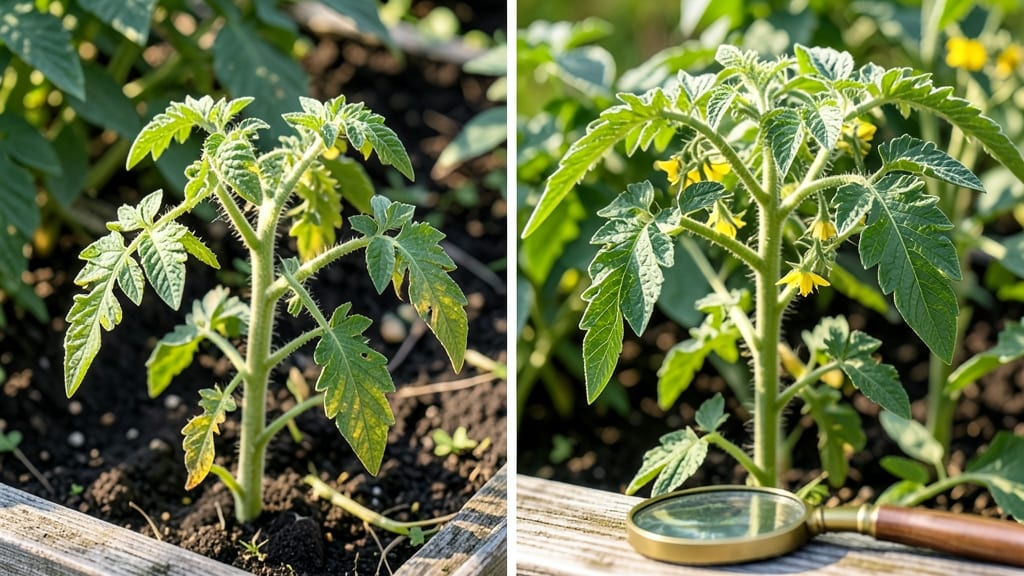
Tomato plant branches curling can turn a thriving vine into a sad, stunted mess in days. 🌱 I’ve watched this happen to my heirloom tomatoes more times than I’d like to admit—until I learned the telltale signs of pests, stress, or disease hiding in plain sight.
The first step? Check the undersides of leaves for tiny webs or speckled damage (spider mites love to curl leaves). Yellowing between veins points to nutrient deficiencies, while jagged edges scream environmental stress. My 3-step troubleshooting starts with a close-up inspection and ends with targeted fixes that actually work.
By the time you’re done, your plants will rebound with straight, sturdy branches and a renewed focus on producing those juicy tomatoes you planted for. The secret isn’t just treating symptoms—it’s fixing the root cause, whether it’s pests, water, or sunlight.
Works for backyard gardens, containers, or even your neighbor’s overgrown tomatoes. Let’s get those vines back on track!
Root Causes Behind Curling Branches
Curling tomato branches can be frustrating, but understanding the why behind it is the first step to fixing the problem. Whether it’s a pest invasion, environmental stress, or a nutrient deficiency, each cause leaves distinct clues.
Let’s break down the most common reasons your tomato plant’s branches are curling—and how to spot them.
Pests are often the sneakiest culprits behind curling tomato branches. They feed on leaves, sap, or even the plant’s undersides, causing distortion, yellowing, or stunted growth. Here’s how to identify the most likely suspects:
- 🐞 Aphids & Spider Mites - Symptoms: Branches curl upward or inward, leaves may appear stippled (tiny white/yellow dots), or webbing (in spider mites) is visible. - Why it happens: These pests suck plant sap, disrupting nutrient flow.
Aphids excrete honeydew, which can attract sooty mold, further stressing the plant. - Actionable clue: Check the undersides of leaves—aphids cluster in colonies, while spider mites leave fine webbing.
- 🐛 Hornworms
- Symptoms: Large, chewed holes in leaves, frass (black droppings), and branches may curl due to severe defoliation.
- Why it happens: Hornworms devour leaves overnight, leaving the plant vulnerable to stress and disease.
- Actionable clue: Look for green caterpillars with white stripes (or yellow/orange stripes in tomato hornworms).
- 🐜 Whiteflies
- Symptoms: Branches curl, leaves yellow, and tiny white flies flutter when disturbed.
- Why it happens: They feed on sap and transmit viruses like tomato yellow leaf curl virus (TYLCV).
- Actionable clue: Shake the plant over a white sheet—whiteflies will scatter like snowflakes.
Tomatoes are sensitive to extreme conditions, and sudden changes can cause branches to curl as a survival response.
- 🔥 Heat & Drought Stress
- Symptoms: Leaves curl downward (to reduce water loss), edges may crisp, and growth slows.
- Why it happens: High temperatures (>90°F) and dry soil force the plant to conserve water, leading to wilting and curling.
- Actionable clue: Check soil moisture—if the top inch is dry, it’s time to water. Morning watering is best to prevent evaporation.
- 🌧️ Overwatering or Poor Drainage - Symptoms: Branches curl upward, leaves turn yellow (especially lower ones), and roots may rot. - Why it happens: Soggy soil cuts off oxygen to roots, causing root rot and nutrient uptake failure. - Actionable clue: Stick your finger in the soil—if it’s damp past 2 inches, reduce watering.
Ensure pots have drainage holes.
- 🌬️ Wind or Physical Damage
- Symptoms: Branches curl unevenly, stems may bend, and leaves show jagged tears.
- Why it happens: Strong winds or rough handling can bruise stems, disrupting cell structure.
- Actionable clue: Look for physical marks on stems or leaves—if the plant was recently moved or exposed to gusts, this is likely the cause.
Tomatoes are heavy feeders, and a lack of key nutrients can cause branches to curl as the plant struggles to grow properly.
- 💚 Nitrogen Deficiency (Early Sign) - Symptoms: Older leaves curl upward, turn pale green or yellow, and growth stalls. - Why it happens: Nitrogen is crucial for leaf development.
Without it, the plant prioritizes existing leaves over new growth. - Actionable clue: Test soil pH (ideal: 6.0–6.8). If low, add compost or a balanced fertilizer (10-10-10).
- 🧂 Potassium Deficiency (Late Sign) - Symptoms: Leaf edges curl and brown, especially on older leaves. Weak stems may also appear. - Why it happens: Potassium regulates water and nutrient transport.
A deficiency leads to poor structural integrity. - Actionable clue: Use potassium-rich amendments like banana peels (composted) or wood ash (sparingly).
- 🪴 Magnesium or Calcium Issues - Symptoms: Interveinal yellowing (between leaf veins) or cupping/curling of new leaves. - Why it happens: Magnesium is central to chlorophyll production, while calcium strengthens cell walls.
Deficiencies cause distorted growth. - Actionable clue: Apply Epsom salt (magnesium sulfate) or crushed eggshells (calcium) to soil.
Some curling is caused by pathogens that hijack the plant’s cellular processes.
- 🍅 Tomato Yellow Leaf Curl Virus (TYLCV) - Symptoms: Leaves curl upward, veins thicken, and stunted growth occurs.
Often spread by whiteflies. - Why it happens: The virus disrupts plant hormone balance, causing abnormal growth patterns. - Actionable clue: Remove infected plants immediately—there’s no cure, only prevention (use reflective mulch to deter whiteflies).
- 🍄 Fungal Infections (e.g., Early Blight) - Symptoms: Branches curl with brown spots (concentric rings) on leaves.
Often starts at the bottom. - Why it happens: Fungi like Alternaria solani thrive in humid, wet conditions, clogging stomata and causing stress. - Actionable clue: Prune infected leaves before spores spread, and space plants for airflow.
Pro Tip: 💡 Keep a garden journal! Note when curling starts, weather changes, or pest sightings—this helps pinpoint the exact cause faster next time.
Quick fixes for wrinkled tomato vines
When your tomato plant’s branches start curling like a question mark, it’s time to roll up your sleeves and take action. The good news? Most causes have simple, effective fixes—whether you’re dealing with pests, nutrient deficiencies, or environmental stress.
Below, we’ve mapped out the most common culprits and the practical steps to straighten out your plants and prevent future problems. Think of this as your tomato plant’s emergency repair manual!
If tiny invaders are the culprits, your first move is to identify the pest and then evict them with targeted solutions.
🔥 Hornworms or Caterpillars: The Silent Leaf Munchers
Hornworms and caterpillars are the sneaky villains behind curled leaves and chewed stems. Here’s how to find and remove them:
- 👨🍳 Scout at dawn or dusk: These pests hide under leaves during the day. Flip leaves over to spot green, brown, or striped caterpillars (hornworms often have a white "horn" on their rear).
- 🔪 Handpick and dispose: Drop them into soapy water or a sealed bag—do not toss them near your garden, or they’ll return!
- 🐛 Introduce natural predators: Ladybugs, lacewings, and parasitic wasps (like Cotesia congregata) love hornworms. Buy them online or attract them with companion plants like dill, fennel, or marigolds.
- 🌿 Spray with BT (Bacillus thuringiensis): This organic bacteria kills caterpillars by disrupting their digestive systems. Reapply after rain.
🐞 Aphids or Spider Mites: The Sap-Sucking Bullies
These tiny pests cluster on the undersides of leaves, causing curling, yellowing, and sticky residue (aphid "honeydew").
- 💦 Blast them off with water: Use a strong stream from a hose to knock them loose. Do this in the morning so leaves dry quickly.
- 🧼 Soap spray solution: Mix 1 tbsp mild castile soap or insecticidal soap with 1 quart of water. Spray directly on pests (test on a small leaf first).
- 🌿 Neem oil treatment: Mix 1 tbsp neem oil + 1 tsp mild soap + 1 quart water. Spray leaves thoroughly, focusing on undersides. Reapply every 5–7 days.
- 🎯 Encourage beneficial insects: Ladybugs, lacewings, and predatory mites devour aphids. Plant dandelions, yarrow, or alyssum nearby to attract them.
Curling can also signal your tomatoes are hungry or thirsty. Adjust your care routine with these targeted fixes:
💡 Calcium Deficiency (Blossom End Rot’s Cousin)
If new growth curls upward with brittle edges, your plants lack calcium—even if the soil looks rich. This is common in hot, dry weather or when nitrogen fertilizers dominate.
- 📊 Add calcium-rich amendments:
- Crushed eggshells (bake and grind for a slow-release boost).
- Crushed oyster shell or bone meal (follow package rates).
- Calcium nitrate (follow label instructions).
- 💧 Water deeply and consistently: Calcium uptake drops when soil is unevenly moist. Use drip irrigation or water at the base early in the day.
- 🌡️ Avoid over-fertilizing with nitrogen: Too much nitrogen (like in blood meal) can block calcium absorption. Balance with a 5-10-10 or 7-7-7 fertilizer.
💪 Nitrogen or Potassium Shortages
Yellowing leaves with curled edges? Your plants might need a nitrogen boost (for leafy growth) or potassium (for strength).
- 🥗 For nitrogen:
- Add compost or well-rotted manure to the soil.
- Use a fish emulsion or seaweed fertilizer (high in nitrogen).
- 🍠 For potassium:
- Apply wood ash (sprinkle lightly around the base).
- Use a banana peel tea (steep peels in water for 2–3 days, then dilute and water plants).
Sometimes, curling is your plant’s way of saying, “It’s too hot/cold/dry/windy in here!” Tweak the environment to help them recover:
🔥 Heat or Wind Stress
Tomatoes hate extreme heat (above 90°F) or strong winds, which cause leaves to curl and wilt.
- 🌳 Provide shade cloth: Use 30–50% shade fabric during peak afternoon sun. Secure it 2–3 feet above plants to allow airflow.
- 💧 Mulch heavily: Apply 3–4 inches of straw or wood chips to retain moisture and cool roots.
- 🏡 Windbreaks: Plant a tall sunflower, corn, or tall grass hedge on the windward side of your tomatoes.
- ⏰ Water deeply in the morning: Aim for 1–2 inches of water per week, soaking the root zone (not just the leaves).
🌧️ Overwatering or Poor Drainage
Soggy soil suffocates roots, leading to curled, mushy leaves. Check for these signs:
- 🚰 Let the soil dry slightly between waterings: Stick your finger 1–2 inches deep—if it’s damp, wait.
- 🏗️ Improve drainage:
- Amend heavy clay soil with compost or perlite.
- Raise containers off the ground with pot feet or bricks.
- 🌱 Repot if needed: If roots are circling or the soil is compacted, transplant to a larger pot with fresh, well-draining potting mix.
Once your plants are back on track, lock in their health with these proactive strategies:
- 🌿 Rotate crops: Avoid planting tomatoes (or nightshades like peppers/eggplants) in the same spot yearly to prevent soil-borne diseases.
- 🛡️ Use row covers early: Install floating row covers at
Frequently asked questions
Why do tomato leaves curl upward instead of downward?
Upward curling usually signals nutrient deficiencies (like nitrogen or calcium) or overwatering. Check for yellowing between leaf veins (magnesium deficiency) or brittle edges (calcium deficiency). Downward curling often means drought stress or heat damage—water deeply in the morning to help.
Can I fix curling tomato branches without pesticides?
Start with neem oil spray (1 tbsp + 1 tsp soap per quart of water) for pests like spider mites. For aphids, blast them off with water, then introduce ladybugs or lacewings. Add compost or banana peels for potassium, and mulch heavily to retain moisture.
How long does it take for tomato plants to recover from curling?
With immediate action, you’ll see improvement in 3–7 days. Fix the root cause first (e.g., watering, nutrients, or pest removal), then monitor daily. Severe cases (like virus infections) may take 2–3 weeks to show full recovery, but preventative care keeps new growth healthy.
Will pruning help curled tomato branches?
Prune only damaged or severely curled leaves—never more than 1/3 of the plant. Focus on removing yellowed or pest-infested foliage to redirect energy to healthy growth. Avoid heavy pruning during heatwaves, as it stresses the plant further.
Can container-grown tomatoes get curling from the same issues?
Yes! Containers are more prone to drought and nutrient depletion due to limited soil volume. Check soil moisture daily (top inch should dry between waterings) and fertilize every 2–3 weeks with a balanced formula. Ensure pots have drainage holes to prevent root rot.