
Planting
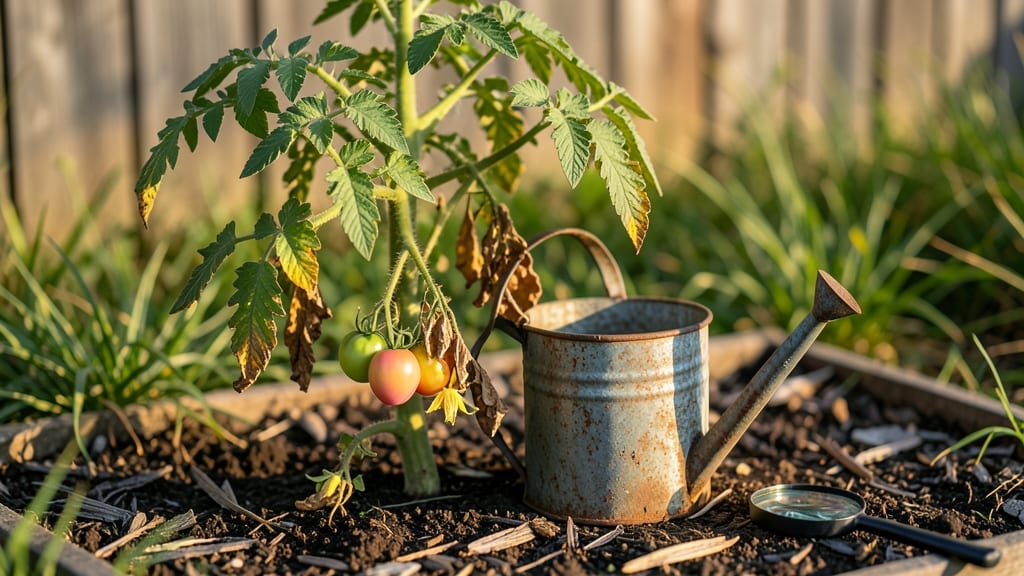
Your tomato plant drooping? That limp, sad look isn’t a death sentence—it’s a call for action. 🌱 I’ve nursed back more tomato plants than I’d like to admit, and the fix almost always comes down to three simple checks: soil moisture, root health, and environmental stress.
The key is diagnosing why it’s drooping before it’s too late. Start by sticking your finger 1-2 inches into the soil. If it’s bone-dry, you’re underwatering; if it’s soggy, you’ve overdone it. Drooping after watering? Check for root rot—gently tug on the plant.
If it slides out easily, roots are damaged. Heat stress (especially in 90°F+ weather) causes midday wilting too, but plants bounce back by evening. Once you’ve pinpointed the issue, the revival process is straightforward: adjust watering, trim dead roots, and provide shade if needed.
Within 24-48 hours, you’ll see those leaves perk up again—proof your plant just needed a little TLC. The real secret? Preventing future droops by mulching and watering consistently.
Root Causes Behind Wilting Tomatoes
When your tomato plants start to droop like a sad balloon, it’s usually a cry for help from the roots—or something else critical. Understanding the why behind the wilt is the first step to bringing them back to life.
Below, we break down the most common (and sometimes sneaky) reasons your plants are losing their perky posture.
Tomatoes need consistent moisture, but too much water can suffocate their roots by cutting off oxygen. When soil stays soggy for days, roots struggle to absorb nutrients, leading to wilting. Poor drainage—often caused by compacted soil or containers without drainage holes—exacerbates the problem by trapping excess water.
🔍 Signs to watch for:
- Yellowing leaves (especially lower ones)
- Mushy, dark soil at the base of the plant
- Roots that smell foul when checked
💡 Pro Tip: Stick your finger 1–2 inches into the soil. If it’s damp after 24 hours, you’re overwatering. Amend heavy clay soil with compost or perlite to improve aeration, and always use pots with drainage holes.
Tomatoes are thirsty plants, especially in hot weather. When they don’t get enough water, their cells lose turgor pressure (the internal water pressure that keeps stems stiff), causing leaves to droop. Heat stress compounds the issue—high temperatures increase evaporation rates, so plants may wilt even if soil feels moist.
🔍 Signs to watch for:
- Dry, crispy leaf edges
- Soil pulling away from pot edges (indicating extreme dryness)
- Wilting that worsens in the afternoon heat
💡 Pro Tip: Water deeply in the morning (1–1.5 inches per week, more in extreme heat) and mulch around the base to retain moisture. If wilting happens daily, your plant may need shade cloth during peak sun hours.
Physical damage to roots—from transplant shock, pests (like nematodes), or fungal infections (e.g., Fusarium or Verticillium wilt)—disrupts the plant’s ability to uptake water and nutrients. Root rot, caused by overwatering or poor soil conditions, can turn roots black and mushy, leaving the plant unable to support itself.
🔍 Signs to watch for:
- Sudden wilting that doesn’t improve with water
- Stunted growth despite regular care
- Black, slimy roots when inspected
- Yellowing veins in leaves (vascular disease)
💡 Pro Tip: If you suspect root damage, gently dig around the base (being careful not to harm remaining roots) and rinse them in water to remove debris. Repot in fresh, sterile soil if rot is present. For fungal wilt, remove infected plants immediately to prevent spread.
Tomatoes are sensitive to sudden changes in their environment. Cold snaps, high winds, or even moving plants too soon after transplanting can cause stress, leading to drooping. Wind burn dries out leaves and stems, while temperature fluctuations (like nighttime chills) can disrupt metabolic processes.
🔍 Signs to watch for:
- Wilting that occurs after a storm or temperature drop
- Scorched or brown leaf edges (wind burn)
- Slow recovery even after watering
💡 Pro Tip: Protect plants from wind with burlap screens or stakes. If temperatures dip below 50°F (10°C), cover plants with frost cloth at night. Avoid transplanting when soil is cold or roots are still wet from watering.
While tomatoes need nutrients like nitrogen, phosphorus, and potassium, imbalances can cause stress. Too much fertilizer burns roots, while deficiencies (especially potassium or magnesium) weaken cell structure, leading to wilting. Blossom end rot (a calcium deficiency) can also cause stems to soften and droop.
🔍 Signs to watch for:
- Yellowing between leaf veins (nitrogen deficiency)
- Purple stems or undersides of leaves (phosphorus deficiency)
- Brown, leathery spots on fruit (calcium deficiency)
- Wilting despite moist soil (potassium deficiency)
💡 Pro Tip: Test your soil and amend with balanced fertilizer (like 10-10-10) or compost. For calcium issues, apply crushed eggshells or calcium nitrate. Always water after fertilizing to prevent root burn.
Reviving Your Wilting Tomatoes
When your tomato plant starts to droop like a tired gardener after a long day, it’s time to roll up your sleeves and take action. The good news? Most of the time, a little TLC can bring your plant back to its vibrant, productive self.
Below, we’ll break down the most common causes of wilting tomato plants and the practical, step-by-step fixes to revive them—plus tips to keep your plants perky and productive for the rest of the season.
Signs: Yellowing leaves, mushy stems, or dry, crispy foliage.
🔥 Fix It Fast
- Check the Soil First Stick your finger about 1–2 inches deep into the soil. If it feels soggy or muddy, you’re overwatering. If it’s bone-dry, you’re underwatering. - Overwatered? Let the soil dry out slightly before watering again.
Move the plant to a shadier spot for a day to reduce evaporation. - Underwatered? Water deeply until it drains from the bottom, then mulch around the base to retain moisture.
- Adjust Your Watering Routine
- Morning is best—water early so leaves dry by evening, preventing fungal diseases.
- Use drip irrigation or soaker hoses to deliver water at the roots, not the leaves.
- Avoid shallow watering—aim for 1–1.5 inches of water per week, including rain.
- Drainage is Non-Negotiable If your pot or garden bed doesn’t drain well, add perlite, sand, or compost to improve aeration. For container plants, drill drainage holes if they’re missing.
💡 Prevention Tips
- Group plants with similar water needs (tomatoes love consistency!).
- Test your soil—sandy soil drains fast, clay holds too much moisture. Amend as needed.
- Water deeply but less often—encourages strong root growth.
Signs: Leaves curling upward, crispy edges, or a glossy, scalded look (like a sunburn on your skin).
🍳 Cool It Down
- Provide Shade (Temporarily) If temps hit above 90°F (32°C), set up shade cloth (30–50%) or move potted plants to a partially shaded area for a few hours a day.
- Pro tip: Use white or reflective mulch to bounce back some sunlight.
- Water Strategically
- Mist leaves lightly in the early morning to cool them down (avoid evening misting—it invites disease).
- Water at the base, not overhead, to prevent leaf scorch.
- Prune for Better Airflow Trim overcrowded or damaged leaves to improve circulation and reduce stress.
🌡️ Prevention Tips
- Plant in late spring after the last frost but before extreme heat.
- Choose heat-tolerant varieties like ‘Solar Fire’ or ‘Heatmaster’ tomatoes.
- Use row covers in early summer to protect young plants.
Signs: Holes in leaves, sticky residue (aphids), wilting despite proper watering, or black/brown spots.
👨🍳 Kick Them Out
- Identify the Culprit
- Aphids/Spider Mites? Spray with neem oil or a soapy water solution (1 tsp mild soap per quart of water).
- Blight (fungal)? Remove infected leaves immediately and treat with copper fungicide.
- Root rot? Stop watering until the soil dries, then repot in fresh, sterile soil.
- Encourage Beneficial Bugs
- Plant marigolds or basil nearby to repel pests naturally.
- Introduce ladybugs or lacewings to eat aphids for you.
- Sanitize Your Tools
- Clean pruners with rubbing alcohol between cuts to prevent spreading disease.
🎯 Prevention Tips
- Rotate crops yearly to prevent soil-borne diseases.
- Avoid overhead watering—it spreads fungal spores.
- Inspect plants weekly for early signs of trouble.
Signs: Roots circling the pot, slow growth, or yellowing leaves despite watering.
🔪 Give It Space and Food
- Repot If Needed
- If roots are circling or poking out of drainage holes, upgrade to a larger pot (1–2 gallons for young plants, 5+ gallons for mature ones).
- Use well-draining potting mix with compost or worm castings.
- Fertilize Smartly
- Balanced fertilizer (10-10-10) at planting, then switch to tomato-specific feed (5-10-10) when flowers appear.
- Avoid over-fertilizing—it burns roots! Follow package instructions.
- Boost Soil Health
- Mix in aged compost or fish emulsion for a nutrient boost.
- For garden beds, side-dress with compost halfway through the season.
✨ Prevention Tips
- Test soil pH—tomatoes prefer 6.0–6.8. Adjust with lime (raise) or sulfur (lower).
- Mulch heavily to retain moisture and nutrients.
- Avoid fresh manure—it can burn plants (compost it first!).
Final Thought: A drooping tomato plant isn’t always a death sentence—often, it’s just a cry for help. By diagnosing the issue quickly and taking targeted action, you’ll have your plant back in shape (and maybe even a bumper crop) in no time. 🍅💪
Frequently asked questions
My tomato plant droops every afternoon but perks up at night—what’s causing this?
This classic heat stress pattern happens when daytime temperatures exceed 90°F (32°C). Tomatoes lose moisture faster than roots can absorb it, causing temporary wilting. The good news? If leaves recover by evening, your plant isn’t permanently damaged. Provide afternoon shade with 30% shade cloth or move pots to a cooler spot until temps stabilize.
Can I save a tomato plant with root rot? What are the first signs?
Root rot is serious but not always fatal if caught early. First signs include yellowing leaves (even with moist soil), a musty smell at the base, and roots that look black/mushy when gently pulled. Stop watering immediately, trim any black roots, and repot in fresh, sterile soil with perlite for better drainage. If over 50% of roots are damaged, recovery may not be possible.
Is it okay to prune my drooping tomato plant? How much can I cut?
Pruning helps! Focus on removing only the most damaged leaves—never cut more than 20-30% of the plant at once. Trim yellow/brown leaves first, then any leaves touching the soil (to prevent disease). Avoid pruning during extreme heat or when the plant is already stressed. For indeterminate varieties, prioritize removing suckers (side shoots) to redirect energy to recovery.
My tomato plant droops after I water it—what am I doing wrong?
This usually means overwatering or poor drainage. If soil stays soggy after watering, roots can’t breathe. Let the top 1-2 inches dry out between waterings, and check your pot for drainage holes. For garden beds, amend clay soil with compost or sand. Water deeply but less frequently—tomatoes prefer consistent moisture over daily light sprinkles.
How long does it take for a tomato plant to recover from drooping?
Recovery time varies by cause. With proper care, most plants bounce back in 24-48 hours for mild stress (like underwatering). For root issues or heat damage, it may take 3-7 days. Watch for new growth at the stem base—this is the best sign of recovery. If no improvement after 5 days, reassess the root health or check for pests/diseases.