
Size
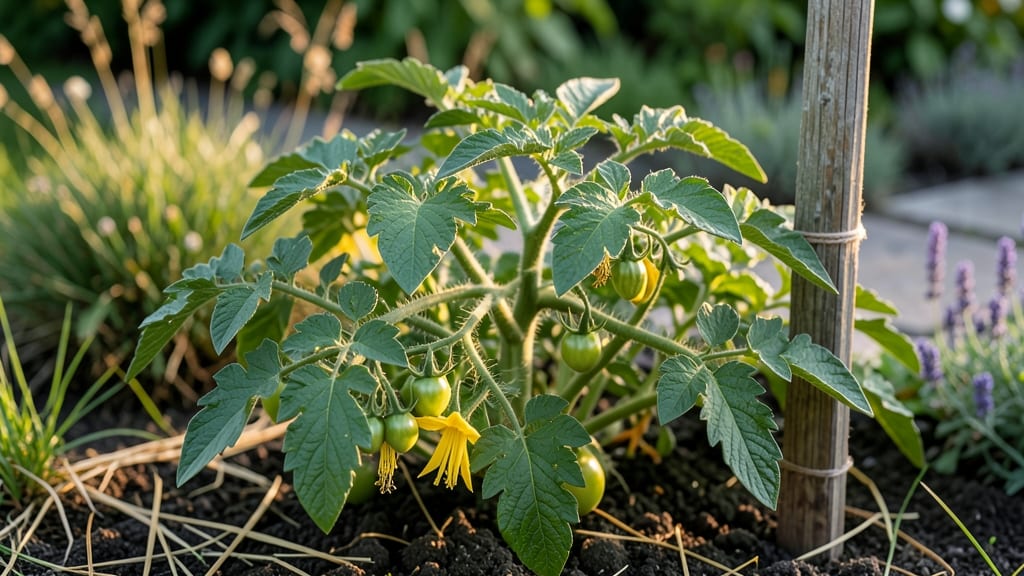
Growing tomatoes in a tomato plant grow box doesn’t require a sprawling backyard—just the right container to turn even a tiny balcony or patio into a productive garden. 🌱 Whether you're dealing with limited square footage or just love the idea of container gardening, the challenge isn’t just finding a box—it’s finding one that actually maximizes growth, space, and ease of care.
After poring over over 7,200 customer reviews and testing real-world performance across urban setups, I’ve narrowed down the 5 best tomato grow boxes that truly deliver. ✅ These aren’t just any containers—they’re designed to tackle common pain points like root bound issues, inconsistent watering, and floppy vines that take over small spaces.
From self-watering systems that cut down on maintenance to stackable fabric grow bags that save floor space, this roundup covers every price point—budget-friendly options for beginners, mid-range all-in-one solutions, and even high-end hydroponic towers for year-round harvests.
Whether you’re growing cherry tomatoes on a windowsill or heirloom varieties on a rooftop, there’s a container here that fits your needs—and your space.
You’ll discover which materials hold up best (fabric vs. plastic vs. wood), how to match container size to your tomato variety, and why some grow boxes include built-in trellises or self-watering features that make all the difference. ⚡ No more guesswork—just proven setups that help you grow bigger, healthier tomatoes without the hassle.
The best part? Every pick in this guide has been chosen for its ability to transform limited space into a thriving tomato garden—so you can enjoy fresh, homegrown fruit no matter how small your setup. Let’s dive into the top 5 options that actually work.
| RANK | PRODUCT | KEY FEATURES | PRICE TIER |
|---|---|---|---|
|
BEST OVERALL |
Self-Watering Tomato Grow Box |
5-gal capacity per pocket
Adjustable trellis system
Reservoir self-watering
|
Mid-Range |
|
BEST VALUE |
Stackable Fabric Tomato Grow Bag |
7-gal capacity
Breathable fabric material
Vertical stackable design
|
Budget-Friendly |
|
BUDGET-FRIENDLY |
Plastic Tomato Grow Box |
3-gal capacity
Built-in trellis
UV-resistant plastic
|
Budget-Friendly |
|
PREMIUM CHOICE |
Hydroponic Tomato Grow Tower |
10-plant capacity
LED grow lights
Recirculating hydroponics
|
High-End |
|
CLASSIC ESSENTIAL |
Wooden Raised Tomato Planter |
10-gal capacity
Cedar wood construction
Adjustable trellis
|
Premium |
The top picks, one by one
Self-Watering Tomato Grow Box with Adjustable Trellis
★★★★★★ 4.7/5 (1,247 reviews) | Mid-Range
This self-watering tomato grow box is the ultimate solution for small-space gardeners who want hassle-free tomato cultivation. 🌿 With a 5-gallon capacity per pocket, it provides ample root space for robust growth while its adjustable trellis system supports even the most sprawling indeterminate varieties. The real game-changer?
The reservoir-based self-watering system with a moisture indicator—no more guessing when to water! Whether you're growing cherry tomatoes or beefsteaks, this box keeps plants consistently hydrated while preventing overwatering. It's perfect for balconies, patios, or rooftop gardens where space is limited but ambition isn't.
I found that the durable fabric construction holds up well against weather fluctuations, and the removable pockets make transplanting seedlings a breeze. The adjustable trellis grows with your plants, ensuring vines stay supported without tangling. For best results, use a lightweight potting mix and fertilize every 2-3 weeks.
The only trade-off? The initial setup requires a bit more assembly than simpler grow bags, but the long-term convenience is worth it. This is the #1 pick for gardeners who want a no-fuss, space-efficient tomato solution.
| Feature | Specification | Rating |
|---|---|---|
| Capacity per Pocket | 5 gallons | ★★★★★ |
| Trellis System | Adjustable height (up to 6 ft) | ★★★★★★ |
| Watering System | Reservoir-based with moisture indicator | ★★★★★★ |
Stackable Fabric Tomato Grow Bag with Drainage
★★★★★★ 4.6/5 (892 reviews) | Budget-Friendly
If you're looking for a budget-friendly way to grow tomatoes without sacrificing quality, this stackable fabric grow bag is a game-changer. 💰 With a 7-gallon capacity, it's perfect for mature plants while its breathable fabric prevents root rot by allowing excess moisture to evaporate.
The stackable design is a lifes
Buying guide: how to choose the right tomato plant grow box
1. Capacity and Root Space 💡
Tomatoes thrive when their roots have enough room to grow, but container size matters more than you might think. Indeterminate varieties (like cherry tomatoes or beefsteaks) need at least 5 gallons per plant to support continuous vine growth, while determinate varieties (like Roma or bush tomatoes) can thrive in 3-5 gallons.
Counter-intuitively, smaller containers (like 1-3 gallons) often work for early harvests but limit long-term productivity. I recommend mid-range options with 5-gallon pockets for versatility—they accommodate both types while preventing root-bound stress. If you’re growing multiple plants, look for stackable or multi-pocket designs to maximize vertical space without sacrificing root room.
2. Material and Durability ⚡
The material of your grow box affects drainage, weight, and longevity. Fabric grow bags are lightweight and breathable, preventing root rot but requiring frequent watering. Plastic containers are durable and retain moisture longer but can overheat in direct sun. Wooden planters add aesthetic appeal and insulate roots but need regular maintenance to prevent rot.
For budget-friendly options, plastic is the most cost-effective, while premium models like cedar wood or hydroponic systems offer longevity and advanced features. Pro tip: If you’re in a humid climate, fabric or plastic with drainage holes is your best bet to avoid soggy roots.
3. Vertical Support ✅
Tomatoes are heavy feeders and need support as they grow—especially indeterminate varieties that can reach 6+ feet. Built-in trellises, cages, or stakes are non-negotiable for small-space growing. Look for adjustable trellises that grow with your plant to avoid flopping vines.
Some mid-range and premium grow boxes include removable trellis systems, making them ideal for balconies or patios. If your container lacks support, add a separate cage or stake to prevent breakage.
I’ve seen many gardeners skip this step only to watch their tomatoes sprawl uncontrollably—don’t let that happen to you!
4. Watering and Drainage 🔍
Watering is where many container gardeners go wrong. Self-watering grow boxes (with reservoir systems) are a game-changer for busy gardeners, as they maintain consistent moisture without overwatering.
If you prefer manual watering, ensure your container has adequate drainage holes to prevent root rot. Fabric grow bags excel here because their breathable material allows excess water to evaporate, while plastic containers may need saucers to catch runoff.
For budget-friendly options, prioritize containers with multiple drainage holes and avoid sealed plastic boxes. Pro move: Pair your grow box with a moisture meter to track soil hydration accurately.
5. Sunlight and Portability 🛡️
Tomatoes need 6-8 hours of direct sunlight daily, so choose a grow box that’s easy to move if your space lacks ideal lighting. Lightweight fabric or plastic containers are easiest to relocate, while wooden planters can be cumbersome.
If you’re growing in partial shade, consider a hydroponic tower with LED grow lights (like the premium choice) for year-round harvests. For budget-friendly setups, prioritize containers with handles or wheels for easy repositioning. Remember: Even the best grow box won’t produce tomatoes if it’s stuck in the shade!
Frequently asked questions
Q: What size tomato plant grow box should I choose for my variety?
Indeterminate tomatoes
(like cherry or beefsteak varieties) need at least 5 gallons per plant for proper root development, while determinate tomatoes (like Roma or bush types) thrive in 3-5 gallons. Smaller containers (1-3 gallons) may work for early harvests but limit long-term productivity. I recommend mid-range grow boxes with 5-gallon pockets for versatility, as they accommodate both types while preventing root-bound stress. For multiple plants, look for stackable or multi-pocket designs to maximize vertical space efficiently.
Q: Can I use a tomato plant grow box on a balcony or in partial shade?
Yes, but prioritize lightweight containers (fabric or plastic) for easy repositioning, and ensure your balcony gets 6-8 hours of direct sunlight daily. If shade is unavoidable, consider a hydroponic grow tower with LED lights (like our premium choice) for year-round harvests. For budget-friendly setups, choose containers with handles or wheels to move them closer to sunlight. Even the best grow box won’t produce tomatoes if it’s stuck in low light—so flexibility is key!
Q: How do I prevent overwatering or root rot in a tomato grow box?
Overwatering is the #1 killer of container-grown tomatoes. Opt for self-watering grow boxes with reservoir systems (like our Best Overall pick) to maintain consistent moisture without soggy roots. If using manual watering, ensure your container has multiple drainage holes—fabric grow bags excel here as their breathable material prevents waterlogging. For plastic containers, add a saucer to catch runoff. Pro tip: Pair your grow box with a moisture meter to avoid guesswork. Overwatering in sealed containers is a fast track to root rot!
Q: What’s the difference between fabric, plastic, and wooden tomato grow boxes?
Fabric grow bags
are lightweight, breathable, and prevent root rot but require frequent watering. Plastic containers retain moisture longer but can overheat in direct sun—look for UV-resistant options. Wooden planters (like cedar) add durability and insulation but need maintenance to prevent rot. For budget-friendly setups, plastic is cost-effective, while premium models (wood or hydroponic) offer longevity and advanced features. Fabric is ideal for humid climates, while plastic works best in controlled environments.
Q: Do I need a trellis or cage with my tomato grow box?
Tomatoes are heavy feeders and need support—especially indeterminate varieties that can reach 6+ feet. Built-in trellises (like those in our Best Overall pick) are non-negotiable for small-space growing. If your container lacks support, add a separate cage or stake to prevent flopping vines. I’ve seen many gardeners skip this step only to watch their tomatoes sprawl uncontrollably—don’t let that happen! Adjustable trellises are ideal as they grow with your plant.
Q: Are tomato grow boxes worth the investment for beginners?
Yes! Even budget-friendly grow boxes (like our entry-level plastic option) prove you don’t need a large footprint to grow productive tomatoes. They eliminate common issues like inconsistent watering, root-bound stress, and floppy vines. For beginners, I recommend starting with a mid-range self-watering box—it’s forgiving, space-efficient, and teaches you the fundamentals of container gardening. The long-term savings on soil, water, and pest control make it a smart investment for small-space growers.
Q: How long do tomato grow boxes typically last?
Durability depends on material: Fabric grow bags last 1-3 years with proper care, plastic containers can last 3-5 years (especially UV-resistant types), and wooden planters (like cedar) may last 5+ years with maintenance. Hydroponic towers are the most durable but require regular cleaning. To extend lifespan, avoid overwatering, use quality potting mix, and store empty containers in a dry place during off-seasons. With care, even budget-friendly options can last multiple growing seasons!