
Planting
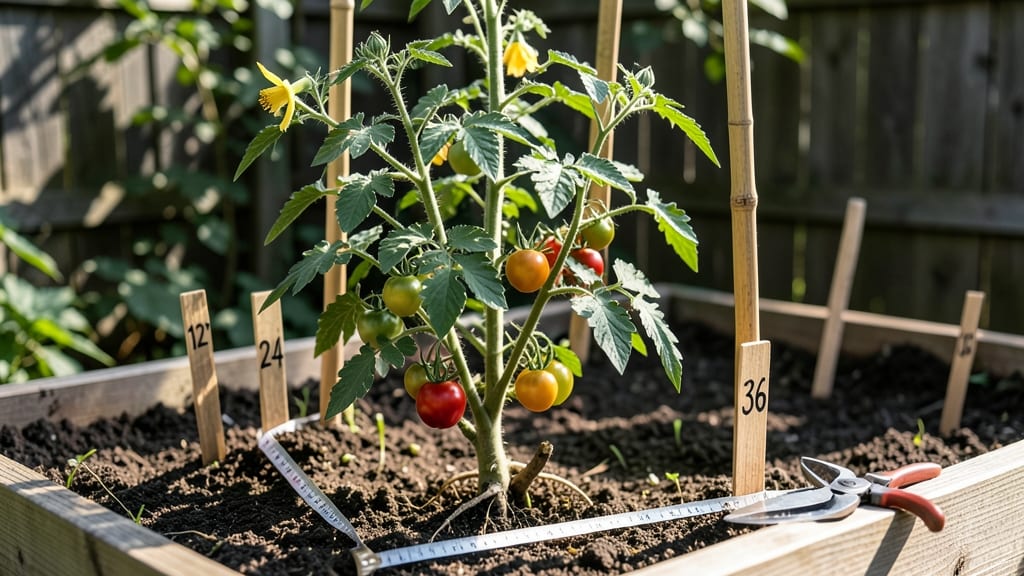
Tomato plant height can swing from a compact 12 inches to a sky-scraping 15 feet, and picking the right variety for your space makes all the difference.
Did you know some tomato plants grow just 12 inches tall while others can reach 15 feet? Understanding tomato plant height is key to choosing the right variety for your space—whether you have a tiny balcony or a sprawling backyard.
The wrong choice can mean wasted garden real estate or a harvest you can barely reach without a ladder. But with the right knowledge, you can maximize your yield without sacrificing convenience.
Determinate varieties like ‘Patio’ or ‘Tiny Tim’ stay compact, perfect for containers, while indeterminate giants like ‘Sungold’ or ‘Brandywine’ keep growing until frost—if you let them. The difference isn’t just in height; it’s in how they grow, how much they produce, and how much work they’ll demand from you.
In this guide, I’ll break down the height ranges of popular varieties, share pruning and training tricks to control unruly growth, and help you match your plants to your space—so you end up with a harvest that’s as manageable as it is bountiful.


Tomato plant height by variety: dwarf to giant types explained
Choosing the right tomato plant height for your garden can make or break your harvest. Some varieties stay compact enough for windowsills, while others grow tall enough to reach your roof!
Understanding these differences helps you maximize space and yield. Whether you're working with 5-gallon containers or a backyard plot, knowing which types fit your layout is essential.
Tomatoes generally fall into four height categories: dwarf, determinate, indeterminate, and giant. Each has unique growth patterns, space needs, and care requirements. For example, dwarf varieties like 'Tiny Tim' stay under 18 inches, while giant types like 'Big Beef' can tower over 6 feet.
Let's break down what you need to know to pick the perfect fit.
🌱
| Type | Height Range | Growth Habit | Space Needs | Support Needed |
|---|---|---|---|---|
| Dwarf | 12"–24" | Bushy, compact | 5-gallon container or 12" spacing | None or small cage |
| Determinate | 24"–48" | Bushy, stops growing | 18"–24" spacing | Cage or stakes |
| Indeterminate | 6'–12'+ | Vining, continuous growth | Trellis or tall stake | Strong support required |
| Giant | td style="padding: 10px;">10'–15'+Massive vines | Wide spacing or trellis | Heavy-duty trellis |
Dwarf tomatoes are perfect for container gardening or small spaces. Varieties like 'Tiny Tim' and 'Micro Tom' produce cherry-sized fruits on plants that barely reach your waist. These types are ideal if you're growing in balcony planters or even indoors near a sunny window.
Their compact size means minimal pruning and low-maintenance care, making them beginner-friendly.
Determinate varieties, such as 'Roma' or 'Celebrity,' grow to a predictable height—usually between 3 and 4 feet. They produce fruit all at once, which is great for canning or sauces.
These plants don't need extensive support but benefit from stakes or cages to keep them upright. Space them about 18 inches apart to allow airflow and reduce disease risk.
Indeterminate tomatoes are the skyscrapers of the tomato world, growing continuously until frost. Varieties like 'Sungold' or 'Brandywine' can reach 10 feet or more if left unchecked. These vining plants need trellises or tall stakes to support their weight.
They produce fruit throughout the season, giving you a steady harvest—perfect for fresh eating or selling at farmers' markets.
Giant varieties like 'Beefmaster' or 'Mammoth' can grow over 15 feet tall, making them a statement piece in any garden. These plants require heavy-duty trellises or even greenhouse support to handle their massive vines.
While they demand more space and care, the reward is huge, flavorful tomatoes that can weigh over a pound each. They're best suited for experienced gardeners with ample room.
When selecting varieties, consider your garden layout and climate. In colder regions, taller varieties may need extra protection, while dwarf types thrive in containers that can be moved indoors during chilly nights.
Always check seed packets or plant tags for mature height estimates and days to maturity to align with your growing season.
Pro tip: If you're short on space, try vertical gardening with indeterminate varieties. Use tomato cages or trellises to train vines upward, saving ground space for other plants. For dwarf types, group them in clusters of 3-5 plants to maximize yield in small areas.
🌿
How to Choose tomato varieties based on your garden space
Choosing the right tomato variety depends entirely on your available garden space and how you plan to manage their growth habits. A 12-inch dwarf tomato thrives in a 5-gallon container, while a 15-foot indeterminate vine needs a sturdy trellis and plenty of room to sprawl.
Let’s match your space to the perfect plant!
For small spaces like balconies or patios, prioritize compact varieties that stay under 3 feet tall. These need minimal support and fit easily in containers. Larger gardens can accommodate taller indeterminate types, which produce fruit all season long but require regular pruning and support to prevent sprawling.
Here’s how to align your garden space with the best tomato varieties:
-
🌱 Containers (5-15 gallons)
Ideal for dwarf or bush varieties like 'Tiny Tim' (12-18") or 'Patio Princess' (24-30"). These stay compact and produce well in pots.
-
🌿 Small Gardens (3x3 ft plots)
Choose determinate varieties like 'Roma' (3-4 ft) or 'Celebrity' (3-4 ft). These produce a single harvest and fit neatly in small spaces with minimal pruning.
-
🌳 Large Gardens or Trellises
Opt for indeterminate varieties like 'Sungold' (6-10 ft) or 'Brandywine' (8-12 ft). These need vertical support but yield continuously all season.
-
✂️ Pruning Requirements
Taller varieties need regular pruning (every 2-3 weeks) to remove suckers and direct energy to fruit production. Dwarf types require almost no pruning.
-
☀️ Sunlight Exposure
All tomatoes need 6-8 hours of sunlight, but taller varieties may need additional support in windy areas to prevent damage.
If you’re growing in containers, remember that root space is limited. Use a high-quality potting mix with added compost to ensure nutrients aren’t depleted quickly. For larger plots, consider mulching to retain moisture and reduce weeds, which is especially helpful for tall, thirsty varieties.
Don’t overlook wind exposure when selecting varieties. Tall, indeterminate tomatoes can topple in strong winds, so stake them early or plant them near a fence or trellis for extra protection. Even determinate types benefit from light support to keep fruit off the ground.
My personal favorite for small spaces is 'Tumbling Tom'—a trailing cherry tomato that stays under 2 feet but produces hundreds of sweet fruits. For larger gardens, I swear by 'Cherokee Purple' on a trellis, where its deep red fruits hang like jewels all summer long.
The right variety can transform your space into a productive paradise!