
Planting
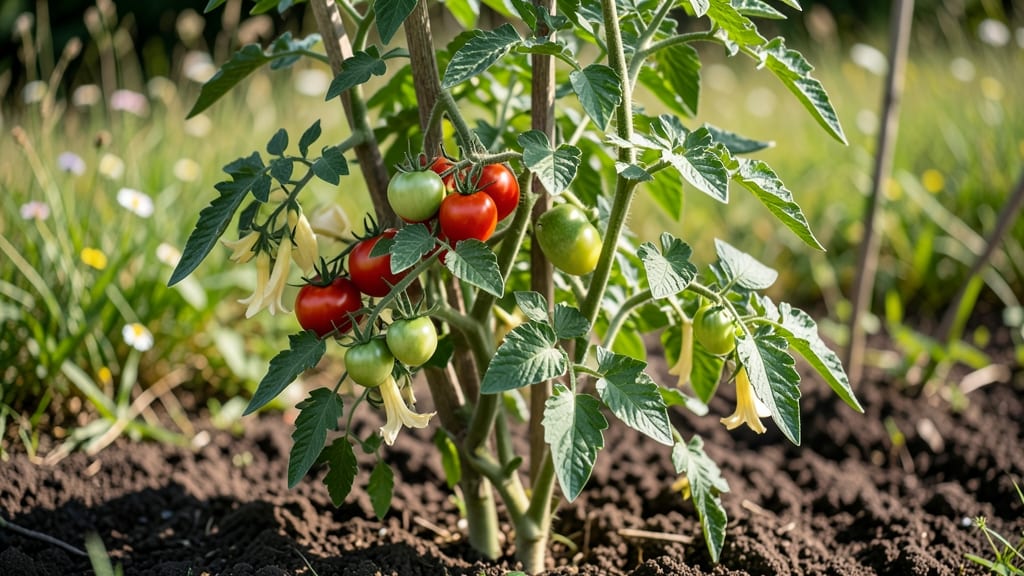
Your tomato plants are screaming for help—yellow leaves, wilting stems, or mysterious spots mean it’s time for tomato plant help before the season’s over. 🌱 I’ve nursed back more struggling vines than I’d like to admit, and the fixes are simpler than you’d think: check the roots, adjust water, and tackle pests before they multiply.
The first step is always a quick diagnosis: Are the leaves curling from aphids or wilting from overwatering? Yellowing between veins? That’s nitrogen deficiency. Grab a notebook—write down what’s wrong, then match it to the solution below. Most problems fix in 24-48 hours with the right care.
You’ll see results fast: crisp green leaves within a week, stronger stems that hold fruit, and plants that bounce back from stress. The key is acting before the issue spreads—whether it’s blight on the lower leaves or hornworms stripping the foliage.
Works for backyard gardens, containers, or even balcony pots. Let’s turn those sad plants into producing powerhouses again—here’s how to start.
📚 In This Guide
- What you need
- Instructions
- Tips and common mistakes
- Wrapping up and next steps
What you need
- ● Pruning shears or sharp scissors – Clean, sterilized (70% isopropyl alcohol works!)
- ● Well-draining potting mix or garden soil – 5–10 gallons (depending on plant size)
- ● Balanced fertilizer (10-10-10 or 5-5-5) – 1–2 tbsp per plant
- ● Organic compost or worm castings – 1–2 cups per plant (boosts nutrients)
- ● Watering can or hose with a gentle nozzle – Avoid blasting roots!
- ● Mulch (straw, grass clippings, or shredded leaves) – 2–3 inches thick
- ○ Copper fungicide (optional but helpful) – For fungal issues like blight
- ● Epsom salt (magnesium sulfate) – 1 tbsp dissolved in 1 gallon of water (for yellowing leaves)
- ● Café grounds (used, cooled) – Sprinkle around base to deter pests
- ● Plant support (stakes or cages) – If stems are weak or sprawling
- ● pH test kit – Ideal soil pH for tomatoes: 6.0–6.8
- ● Neem oil or insecticidal soap – For pest control (aphids, whiteflies, etc.)
Step-by-Step guide to reviving struggling tomato plants
Here's how I bring tomato plants back from the brink—no complex tools, just smart care.
🌿 Step 1: Diagnose and Address Watering Issues
Tomato plants wilt when their roots can't absorb water efficiently. First, check the soil 2 inches below the surface—if it's bone-dry, you've been underwatering. If it's soggy, roots are suffocating. Water deeply once a week (or more in extreme heat) until water runs out the bottom of the pot or soil. Use a 5-gallon bucket with a slow-dripping hole to avoid surface runoff.
Yellowing leaves with crisp edges? That's classic underwatering. Brown, mushy stems? Overwatering. I always test soil moisture by squeezing a handful—if it crumbles easily, it's dry; if it stays clumped, it's too wet. Adjust your schedule based on what you feel.
✂️ Step 2: Prune for Better Airflow and Light
Overcrowded plants invite disease and pests. Remove any yellow or brown leaves immediately—they're energy drains. Cut back suckers (those little shoots between the stem and branches) to ¼ inch above the main stem. Use clean, sharp pruners to avoid tearing tissue. I prune on a cloudy day to reduce stress on the plant.
Focus on opening up the plant's center so air circulates freely. You'll see healthier green leaves within a week as the plant redirects energy to new growth. Never remove more than 30% of the foliage at once—this shocks the plant and delays recovery.
☀️ Step 3: Adjust Light and Nutrients for Recovery
Leggy, pale stems mean insufficient light. Move your tomato plant to a spot with 6-8 hours of direct sun daily. If indoors, supplement with a grow light 6 inches above the plant for 12-14 hours per day. Watch for new growth—stronger stems and darker green leaves signal improvement.
Feed struggling plants with a balanced 10-10-10 fertilizer diluted to half strength every 2 weeks. Look for new leaves forming at the top of the plant—that's your sign the nutrients are working. Avoid high-nitrogen fertilizers; they promote leafy growth at the expense of fruit production.
💧 Bonus: Quick Fix for Wilting Plants
If your tomato is wilting despite proper watering, it might be root-bound. Gently remove the plant from its container and check for roots circling the bottom. If you see this, repot into a container 2 inches larger in diameter with fresh potting mix. Water thoroughly after repotting to help roots establish.
Real talk: Some plants won't recover, especially if they've been neglected for weeks. But if you catch it early and follow these steps, you'll see dramatic improvement in 7-10 days. Keep an eye out for pests like aphids or spider mites—they'll set your plant back if you don't address them.
Tips & tricks for reviving tomato plants
Common pitfalls—and how to sidestep every one when rescuing your tomato plants.
Soil Check Technique: When testing soil moisture in Step 1, press your finger 2 inches deep—this is where roots actively absorb water. If the soil feels cool and damp at this depth, you're golden. For container plants, the top inch can dry out quickly while roots stay hydrated below. I've seen gardeners overwater just because the surface felt dry, when the roots were actually drowning.
Pruning Precision: In Step 2, focus on removing only the lowest yellow leaves first—they're the oldest and least productive. I learned this the hard way after pruning too aggressively and shocking a plant that was just starting to recover. The ¼-inch rule for suckers is critical: cutting too close to the stem creates wounds that invite disease. Use pruners dipped in rubbing alcohol to prevent spreading pathogens between cuts.
Light Optimization: The 6-8 hours of direct sun in Step 3 is a minimum—more is better for recovery. If your plant shows signs of stretching (long, pale stems), it's begging for sunlight. For indoor plants, position your grow light so the leaves just brush the bulb when extended. I've revived plants that were nearly dead by moving them to a south-facing window with supplemental light, and they produced fruit within weeks.
Fertilizer Timing: That 2-week interval for diluted 10-10-10 fertilizer in Step 3 is perfect for recovery, but here's the catch: only fertilize when you see new growth. If your plant looks shocked after feeding, flush the soil with water to prevent salt buildup. I've had plants recover from neglect only to get burned by over-fertilizing during their weakest phase.
Pro Tips for Tomato Plant Help
- Common pitfalls—and how to sidestep every one when rescuing your tomato plants.
- Soil Check Technique: When testing soil moisture in Step 1, press your finger 2 inches deep—this is where roots actively absorb water.
- Pruning Precision: In Step 2, focus on removing only the lowest yellow leaves first—they're the oldest and least productive.
Frequently asked questions
Got questions about saving your tomato plants? You’re not alone! Here are answers to the most common concerns—whether you’re dealing with wilting leaves, pests, or just unsure when to act.
Why are my tomato plant leaves turning yellow?
Yellowing leaves (a condition called chlorosis) often signal overwatering, nutrient deficiency (like nitrogen or magnesium), or poor drainage. Check the soil moisture—it should feel damp but not soggy. Test your soil’s pH (aim for 6.0–6.8) and fertilize with a balanced tomato feed if needed. Revive your plant by trimming damaged leaves and improving airflow.
How long does it take to revive a struggling tomato plant?
With proper care, you’ll see improvement in 1–2 weeks for minor issues like wilting or pests. Severe stress (e.g., root rot or disease) may take 3–4 weeks to recover. Consistency is key—stick to your watering, pruning, and fertilizing routine. If progress stalls after 2 weeks, reassess for hidden problems like pests or fungal infections.
What’s the fastest way to get rid of tomato hornworms?
These striped caterpillars can devour a plant overnight! Handpick them (they’re easy to spot) and drop them in soapy water. For a natural deterrent, plant basil or marigolds nearby—hornworms avoid them. If infestations persist, use Bt (Bacillus thuringiensis), a bacterial spray safe for humans and pets.
Can I save a tomato plant that’s been underwatered?
Yes, but act quickly! Water deeply at the base (not the leaves) to avoid fungal diseases. Mulch the soil to retain moisture and reduce evaporation. If the plant is completely wilted and crispy, it may not recover—focus on saving nearby plants. For partial wilting, you’ll likely see revival within 3–5 days with consistent hydration.
What can I do with tomato plants that won’t produce fruit?
Lack of fruit often stems from too much shade, over-fertilizing with nitrogen, or insufficient pollination. Prune suckers to boost fruit production, ensure 6–8 hours of sunlight daily, and hand-pollinate flowers by gently shaking them. If your plant is young, give it time—it may need 4–6 weeks to start flowering. For older plants, a phosphorus-rich fertilizer (like 5-10-5) can encourage blooms.
Wrapping up and next steps
Reviving a struggling tomato plant doesn’t have to be a daunting task—with the right care, your green thumb can bring it back to life! 🌱 Whether it’s pruning for airflow, boosting nutrients, or protecting from pests, small steps make a big difference.
Remember, even the most seasoned gardeners face challenges, but persistence pays off.
Now that you’re armed with tomato plant help, take action! Start with one step today—check those leaves, adjust your watering, or set up a DIY pest barrier. Your future harvest (and happy plants!) will thank you. Happy gardening! 🌿