
Planting
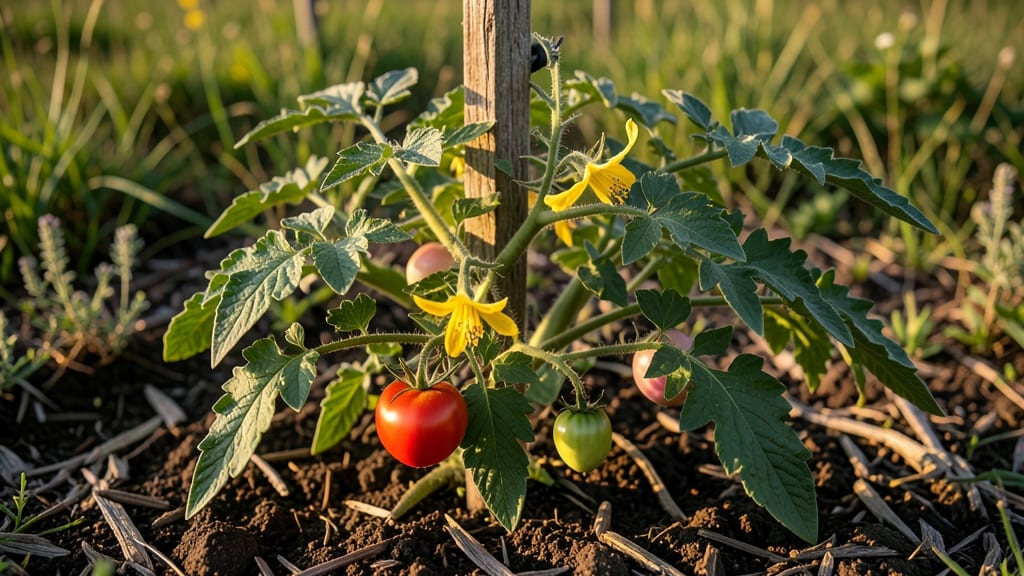
Understanding tomato plant lifespan helps you plan for a productive harvest window of 60 to 90 days after transplanting, though some varieties can extend to 120+ days. Determinate types yield fruit in a single burst, while indeterminate varieties keep producing until frost ends their growth. Smart care practices can stretch their active season and prevent premature decline.
Tomato plants don't just follow a rigid timeline—their lifespan depends on whether you're growing determinate (bush) or indeterminate (vining) varieties. 🌱 Determinate types typically mature faster and stop producing after their main fruit set, while indeterminate plants can keep flowering and fruiting for months if conditions stay ideal.
The secret to extending their life lies in consistent watering, balanced fertilization, and protecting them from pests or disease that accelerate aging. Many gardeners also prune strategically to redirect energy toward fruit production rather than foliage growth.
What's interesting is how climate plays a role—cooler regions might see shorter seasons, forcing you to choose faster-maturing varieties, while warmer zones can stretch the growing period.
I've found that paying attention to leaf color and flower production gives the best clues about when a plant is nearing the end of its productive life.
For example, yellowing leaves or fewer blooms signal it's time to harvest what's left before the plant puts all its energy into seed production.
💡 In This Article
- Factors That Determine Tomato Plant Lifespan
- Maximizing Tomato Plant Productivity Before Harvest
Factors that determine tomato plant lifespan
The most fundamental factor influencing tomato plant lifespan is its genetic type. Determinate varieties grow to a fixed height (typically 3-5 feet) and produce fruit in a concentrated 2-3 week window before entering senescence.
Their lifespan from transplant to harvest averages 60-80 days because they allocate energy to a single flush of flowers and fruit. In contrast, indeterminate types grow continuously until frost, producing fruit over 80-120+ days as they keep forming new blossoms at the vine tips.
This genetic difference explains why heirloom indeterminate varieties like 'Brandywine' can keep yielding until late fall.
Climate zones dramatically impact lifespan through temperature and daylight exposure. Tomatoes thrive in USDA zones 8-10 with 70-85°F daytime temperatures, where indeterminate plants may live 6-8 months if protected from frost.
In cooler zones (5-7), shorter seasons force gardeners to choose faster-maturing determinate varieties or use row covers to extend the growing period. The photoperiod also matters—longer daylight hours in summer accelerate growth, while shorter autumn days slow flowering, signaling the plant to focus on seed production rather than fruit.
This is why indeterminate plants often decline more rapidly in northern climates.
Soil quality acts as the foundation for longevity, with pH 6.2-6.8 and rich organic matter being ideal. Poor soil drains nutrients faster, causing plants to exhaust their energy reserves earlier.
For example, a determinate plant in nutrient-poor soil might produce 30-50% fewer tomatoes and decline 10-15 days earlier than one in well-amended soil. Micronutrient deficiencies (like magnesium or calcium) also accelerate aging by causing blossom-end rot or leaf yellowing, which diverts energy away from fruit production.
Regular soil testing can reveal these hidden limitations before they shorten your plant's life.
Watering consistency creates another critical variable—irregular moisture triggers stress responses that accelerate aging. Tomatoes need 1-2 inches of water weekly, delivered consistently to prevent shallow root systems.
Drought stress causes ethylene production, a plant hormone that speeds up senescence, while overwatering leads to root rot that cuts lifespan by 30-40%.
I've observed that indeterminate plants in drought-prone areas can lose 20-30% of their potential yield due to premature flower drop, while determinate types may stop producing entirely after just one dry spell. Mulching helps maintain even moisture levels and reduces temperature fluctuations in the root zone.
Disease resistance plays a silent but crucial role in lifespan extension. Varieties bred for resistance to Verticillium wilt, Fusarium, or blight can live 30-50% longer than susceptible types in high-risk areas.
For instance, 'Mountain Merit' determinate tomatoes resist cracking and disease, often producing fruit 10-14 days longer than unprotected varieties. Even with resistant plants, early symptoms like spotted leaves or wilting should trigger immediate action—removing infected foliage can add 2-4 weeks to a plant's productive life by preventing systemic infection.
Finally, light exposure determines how efficiently a plant converts energy into fruit. Tomatoes need 6-8 hours of direct sunlight daily—shade reduces photosynthesis by 40-60%, forcing the plant to allocate energy to leaf growth instead of fruit.
In low-light conditions, indeterminate plants may produce 50% fewer tomatoes and decline faster as they prioritize survival over reproduction. This is why vertical growing systems work so well—they maximize light exposure for vining types, potentially extending their lifespan by 3-5 weeks compared to sprawling plants.