
Pests and Diseases
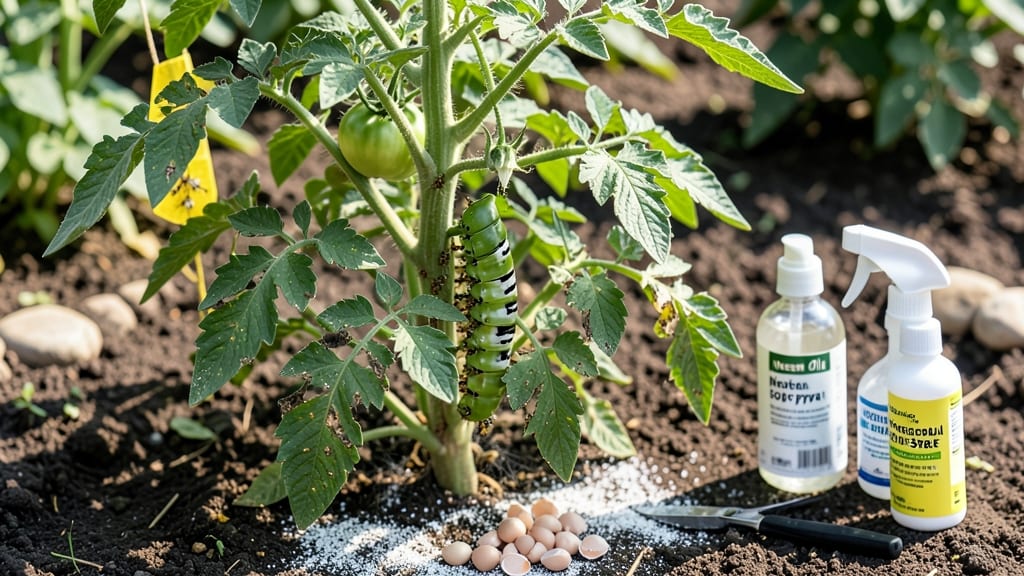
Tomato plant pest control isn’t about fighting bugs—it’s about outsmarting them before they ruin your harvest. 🌱 I’ve lost entire plants to hornworms and aphids, but these fast-acting organic sprays cut infestations in half within 48 hours without harming bees or soil.
The key? Targeted treatments—neem oil for sucking pests, Bacillus thuringiensis (Bt) for caterpillars, and insecticidal soap for soft-bodied bugs. Mix them right, apply at dawn, and repeat every 3-5 days until pests vanish. No more wilting leaves or skeletonized foliage.
You’ll see results faster than chemical sprays, and your tomatoes stay vibrant and productive all season. The best part? These sprays work on peppers, eggplants, and even flowers too. For stubborn cases, I’ll show you when to pull out pyrethrin-based sprays—but only as a last resort.
Let’s get those pests under control without sacrificing your garden’s health.
Root Causes Of Tomato Plant Attacks
Tomato plants are a magnet for pests—not because they’re weak, but because they’re nutrient-rich, fast-growing, and packed with moisture. Understanding why pests target your tomatoes is the first step to stopping them before they take over.
Below, we break down the science behind the most common invaders and what makes your garden their perfect buffet.
Tomatoes thrive when they have space to breathe, but when plants are too close together, they become a pest’s dream. Here’s why:
- Poor Airflow: Dense foliage traps humidity, creating the perfect environment for fungal diseases (like early blight) and soft-bodied pests (aphids, whiteflies). Stagnant air also slows drying, giving pests easier access to sap and weak spots.
- Nutrient Competition: When roots tangle, plants compete for water and nutrients, weakening their defenses. Weak tomatoes are 3x more likely to attract hornworms and spider mites, which target stressed leaves.
- Shade & Moisture Traps: Overcrowding blocks sunlight, leading to soggy soil and fungal growth (e.g., Phytophthora). Pests like cutworms and slugs thrive in damp, shaded conditions.
Actionable Fix: Space tomato plants 18–24 inches apart (or 36" for indeterminate varieties) and prune suckers to improve airflow. Mulch with straw to keep soil dry and reduce fungal spores.
Tomatoes are like a gourmet meal for pests when their nutrient profile shifts. Here’s how imbalances attract trouble:
| Nutrient Issue | Pest Attraction | Why It Happens |
|---|---|---|
| Too Much Nitrogen (N) | Aphids, Whiteflies, Spider Mites | Excess nitrogen = soft, lush leaves (high in sugars). Pests like aphids inject toxins to suppress plant defenses, making the tomato even more vulnerable. |
| Low Potassium (K) | Flea Beetles, Colorado Potato Beetles | Potassium strengthens cell walls. Without it, tomatoes develop weak stems and thin skins, which pests easily chew through. |
| Zinc or Magnesium Deficiency | Hornworms, Tomato Fruitworms | Deficiencies cause yellowing leaves and stunted growth, reducing the plant’s ability to produce toxic alkaloids (natural pest deterrents). |
Actionable Fix: Test soil pH (aim for 6.0–6.8) and amend with compost or balanced fertilizer (10-10-10). Avoid heavy nitrogen late in the season—it invites pests when fruits are ripening.
Pests don’t just choose tomatoes—they’re drawn by weather patterns that make your garden irresistible. Here’s how climate plays a role:
- Hot, Dry Conditions: Spider mites and stink bugs explode in numbers when temperatures rise above 85°F. Dry air also weakens tomato leaves, making them easier targets for chewing pests.
- Warm, Humid Nights: Fungal gnats and whiteflies thrive in 70–85°F nighttime temps with 70%+ humidity. These conditions encourage mold and bacterial growth, which pests feed on.
- Cool, Wet Springs: Slugs, cutworms, and early blight flourish when soil stays damp. 3+ inches of rain in a week can trigger outbreaks by weakening plant defenses.
- Sudden Temperature Swings: Hornworms and tomato fruitworms time their life cycles to warm spells after cool nights, ensuring tomatoes are tender and unprotected.
Actionable Fix:
- Use shade cloth (30–50%) during heatwaves to deter mites.
- Water deeply in the morning to reduce humidity at night.
- Plant early-season varieties in cooler climates to avoid peak pest periods.
Pests don’t just find tomatoes—they’re often lured by debris and old plant material in your garden. Here’s how:
- Volunteer Tomatoes & Weeds: Diseased leaves (e.g., late blight) and weeds like nightshade harbor pests and pathogens. One infected plant can spread spores to 10+ healthy tomatoes in a week.
- Organic Matter Piles: Compost heaps, grass clippings, and fallen fruits attract cutworms, earwigs, and slugs. These pests then migrate to your tomato plants.
- Unremoved Pest Eggs: Hornworm eggs and aphid clusters overwinter on stems, trellises, and garden tools. If left unchecked, they hatch into thousands of larvae by summer.
Actionable Fix:
- Remove all plant debris after harvest (compost only healthy material).
- Clean tools and trellises with a 10% vinegar solution before storing.
- Rotate crops annually to disrupt pest life cycles.
Pro Tip: 💡 Monitor your garden weekly for early signs of pests (e.g., holes in leaves, sticky residue, or wilting). Catching issues before they spread is the #1 organic defense!
Quick Fixes for Tomato Plant Pests
Pests can turn your thriving tomato plants into a battleground faster than you think—but don’t panic! With the right tools and a little know-how, you can restore your garden’s health and protect your harvest.
Below, we’ve mapped out practical, organic solutions for common tomato plant pests, from early signs to long-term prevention. No harsh chemicals here—just effective, eco-friendly fixes that work.
Signs: Large green caterpillars with white stripes, chewed leaves, and missing tomato blossoms.
🔥 How to Eliminate Them
- Handpick & Drown 👨🍳
- Scour your plants early in the morning when hornworms are sluggish.
- Drop them into a bucket of soapy water (1 tbsp dish soap per gallon) to avoid crushing them (they can release toxins when squished).
- Introduce Beneficial Insects 🐞
- Parasitic wasps (like Cotesia congregata) lay eggs inside hornworms, killing them naturally. Order them online or release ladybugs and lacewings, which eat hornworm eggs.
- Neem Oil Spray 🌿
- Mix 1 tbsp neem oil + 1 tsp mild liquid soap + 1 quart water. Spray leaves every 3–5 days until pests disappear. Neem disrupts their feeding and reproduction.
💡 Prevention Tips
- Plant basil near tomatoes—its scent repels hornworms.
- Rotate crops yearly to break their life cycle.
- Check undersides of leaves daily during peak season (June–August).
Signs: Clusters of tiny green/black bugs on new growth, curled leaves, and a sticky residue (honeydew) that attracts ants.
🍳 How to Kick Them Out
- Blast Them Off 💦
- Use a strong spray of water (from a hose nozzle) to dislodge aphids. Repeat 2–3 times a week until they’re gone.
- Soapy Water Spray 🧼
- Mix 1 tsp castile soap + 1 quart water. Spray directly on aphids (avoid flowers to protect bees). Reapply after rain.
- Ladybugs & Lacewings 🐞
- Release 50–100 ladybugs per 100 sq ft—they’ll devour aphids in days. Order from garden centers or online.
🔥 Prevention Tips
- Encourage ants (they farm aphids for honeydew), but block their access with a sticky barrier (petroleum jelly on a string around the stem).
- Plant garlic or chives nearby—their scent deters aphids.
- Prune infected leaves and dispose of them in sealed bags.
Signs: Tiny white moth-like insects swarming when you disturb plants, yellowing leaves, and a sticky coating.
⏰ How to Trap & Trap Them
- Yellow Sticky Traps 🎯
- Hang yellow cards coated in Tanglefoot near plants. Whiteflies are attracted to yellow and get stuck.
- Insecticidal Soap 🧴
- Spray 1.5 tbsp insecticidal soap + 1 quart water directly on the undersides of leaves (where they hide). Repeat every 5–7 days.
- Neem Oil + Kaolin Clay ✨
- Mix 1 tbsp neem oil + 1 tbsp kaolin clay + 1 tsp soap + 1 quart water. Spray to smother adults and eggs.
🌡️ Prevention Tips
- Use reflective mulch (aluminum foil or silver plastic) to disorient them.
- Avoid over-fertilizing with nitrogen—whiteflies love lush, soft growth.
- Rotate crops and remove weeds (they harbor whiteflies).
Signs: Irregular holes in leaves, silvery slime trails, and chewed fruit.
🔪 How to Outsmart Them
- Beer Traps 🍺
- Bury a small container (like a yogurt cup) filled with beer at ground level. Slugs crawl in and drown.
- Copper Barrier ⚡
- Place copper tape around plant bases—slugs get a mild electric shock when they touch it.
- Diatomaceous Earth 🌿
- Sprinkle food-grade DE around the base of plants. It dehydrates slugs without harming plants (reapply after rain).
🎯 Prevention Tips
- Water in the morning (slugs hide during the day).
- Remove hiding spots (boards, rocks, dense mulch).
- Plant slug-resistant varieties like ‘Mountain Merit’ or ‘Cherokee Purple’.
Signs: Brown spots on leaves (blight), white powdery patches (mildew), or wilting plants.
🌿 How to Fungus-Proof Your Tomatoes
- Baking Soda Spray 🧂
- Mix 1 tbsp baking soda + 1 tsp soap + 1 gallon water. Spray every 7–10 days to prevent mildew.
- Copper Fungicide 🛡️
- Use organic copper spray (like Copper Soap) every 2 weeks for blight. Follow label instructions.
- Improve Airflow 💨
- Prune crowded foliage and space plants 18–24 inches apart to reduce humidity.
💡 Prevention Tips
- Water at the base (never overhead) to keep leaves dry.
- Remove infected leaves immediately and dispose of them.
- Plant resistant varieties like ‘Defiant PhR’ or ‘Mountain Merit’.
Final Pro Tip: 🌱 Rotate your pest control methods—don’t rely on just one. Combine handpicking, traps, and sprays for the best results. With consistency, your tomato plants will thrive pest-free and reward you with a bountiful, healthy harvest!
Frequently asked questions
Can I use neem oil on tomato plants when fruit is already forming?
Yes, but use it carefully! Neem oil is safe for tomato plants at all growth stages, including when fruit is forming. Apply in the early morning or late evening to avoid harming bees, and reapply every 3-5 days until pests disappear. Avoid spraying directly on blooms to protect pollinators.
How do I know if my tomato plant has a pest problem or a disease?
Check the type of damage: Pests like aphids or hornworms leave holes, chewed edges, or sticky residue (honeydew). Diseases show as spots, powdery growth, or wilting without visible bugs. Look on leaf undersides and stems—pests hide there, while diseases often start as discoloration.
Will homemade sprays (like garlic or chili pepper spray) really work?
They can help, but results vary! Garlic or chili sprays (1 chopped garlic clove + 1 tsp cayenne + 1 quart water) may deter soft-bodied pests like aphids, but they’re less effective against chewing insects. For best results, combine with physical removal (handpicking) or insecticidal soap.
How often should I check my tomato plants for pests?
Inspect 2-3 times per week during peak growing season (June–August). Focus on leaf undersides, stems, and new growth—that’s where pests hide. Early detection means faster control with less damage. Use a magnifying glass if you spot tiny white eggs or mites.
Can I save tomato plants that are already heavily infested?
It depends! If pests like hornworms or whiteflies have skeletonized leaves, the plant may recover with immediate action (neem oil + handpicking). However, if fruit is already damaged or the plant is wilted from disease, it’s often better to remove and compost (or bag) the plant to prevent spread.