
Plants
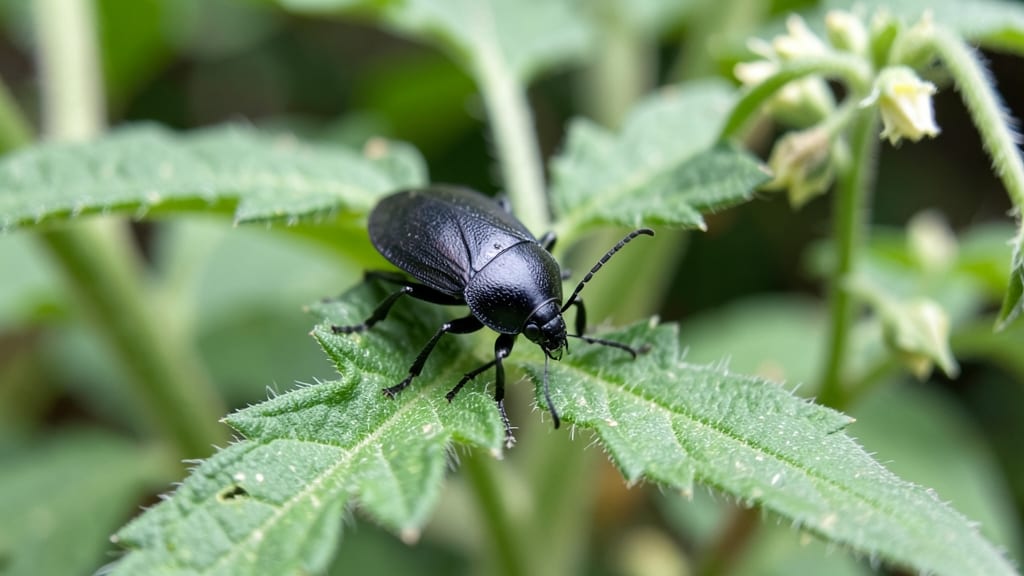
Those small black bugs on tomato plants devouring your tomato leaves are likely flea beetles or aphids—and they multiply fast. 🌱 I’ve watched them skeletonize entire plants in a single afternoon, so I know how urgent this feels.
The key to saving your harvest is acting within 48 hours before the damage becomes irreversible.
Flea beetles leave shotgun-like holes in leaves, while aphids cluster on undersides, causing curling and sticky residue. Both steal nutrients, weakening plants just as they’re trying to fruit.
The good news? Neither pest is impossible to beat—organic sprays, row covers, and companion planting can stop them before they ruin your season.
You’ll learn how to identify them instantly (no microscope needed), which natural sprays work best (neem oil, insecticidal soap), and when to call in reinforcements (like ladybugs or professional help). With the right approach, your tomatoes can bounce back stronger than ever—no chemical warfare required.
This works for container gardens, raised beds, and in-ground plots, so no matter how they’re growing, we’ve got you covered. Let’s get those pests off your plants before they take over.
Root Causes Behind Tiny Invaders
When you spot tiny black bugs feasting on your tomato plants, it’s rarely a random event—these pests are drawn by specific conditions in your garden. Understanding why they appear helps you prevent future outbreaks and act faster when they strike.
Below, we break down the most common triggers, backed by science, so you can tackle the problem at its source.
Tomato plants under stress—whether from poor spacing, nutrient deficiencies, or disease—emit chemical signals that attract pests, including aphids, flea beetles, or fungus gnats. Here’s why:
- Competition for resources: Overcrowded plants struggle to photosynthesize efficiently, weakening their natural defenses. Pests detect these stressed plants through volatile organic compounds (VOCs) released into the air.
- Nutrient imbalances: A lack of nitrogen (a key building block for healthy foliage) or excessive phosphorus (which can promote fungal growth) makes plants more vulnerable. Fungus gnats, for example, thrive in damp, nutrient-rich soil—often a side effect of over-fertilizing.
- Physical damage: Wounded leaves (from hail, wind, or improper pruning) create entry points for pests. Flea beetles target young, tender shoots, and their feeding scars leave plants even more susceptible to secondary infections.
Actionable fix: Space tomato plants 18–24 inches apart for airflow, and rotate crops yearly to disrupt pest life cycles. Test soil pH (aim for 6.0–6.8) and amend with compost to boost natural resilience.
Waterlogged soil is a magnet for black, moisture-loving pests like shiny leaf beetles, slugs, or fungus gnats. Here’s the science:
- Fungal growth: Moisture triggers fungal spores (e.g., Pythium or Phytophthora) that weaken roots, making plants easier targets. Fungus gnats lay eggs in damp soil, and their larvae feed on these fungi and plant roots.
- Pest breeding grounds: Stagnant water in saucers or compacted soil creates ideal conditions for slugs and snails, which leave behind telltale slime trails and chewed leaves.
- Root rot: Poor drainage cuts off oxygen to roots, stressing plants and attracting black vine weevils, whose grubs munch on roots in waterlogged conditions.
Actionable fix:
- Improve drainage by amending soil with perlite or coarse sand.
- Avoid overhead watering—use drip irrigation to keep foliage dry.
- Mulch with straw or pine needles (not leaves) to retain moisture without suffocating roots.
Leaves, fallen fruit, and plant debris aren’t just eyesores—they’re hiding spots and food sources for pests like aphids, stink bugs, or earwigs. Here’s how it happens:
- Shelter from predators: Pests avoid birds, lacewings, and other natural enemies by nesting in dense debris. Aphids, for example, cluster under leaves to protect their honeydew (a sugary waste that attracts sooty mold).
- Decaying matter: Rotten tomatoes or pruned stems release sugars and proteins that lure fruit flies and fungus gnats. These pests then spread to healthy plants.
- Overwintering: Many black bugs (like stink bugs) lay eggs in garden litter, emerging in spring when tomatoes are most vulnerable.
Actionable fix:
- Clear debris weekly, especially around the base of plants.
- Compost only clean, pest-free material—avoid diseased or infested plant parts.
- Use reflective mulch (like aluminum foil) to deter crawling pests.
Healthy gardens have a natural pest-control ecosystem, but monoculture (planting only tomatoes) or chemical pesticides disrupt this balance. When predators like ladybugs, lacewings, or ground beetles disappear, pest populations explode. Here’s why:
- Pesticide collateral damage: Broad-spectrum sprays (e.g., neonicotinoids) kill both pests and their predators, creating a vacuum effect where pests rebound unchecked.
- Habitat loss: Removing weeds or "messy" garden areas eliminates alternate food sources for predators. Damsel bugs, for example, hunt aphids but need diverse plant life to thrive.
- Seasonal timing: Early in the season, predator populations are low, giving pests (like flea beetles) a head start.
Actionable fix:
- Plant companion plants like basil, marigolds, or dill to attract predators.
- Avoid synthetic pesticides—opt for neem oil or insecticidal soap (targeted sprays).
- Install predator-friendly habitats, like a shallow water dish with pebbles for lacewings.
Pro Tip: 💡 Monitor soil and plant health year-round. Regularly check for early signs of stress (yellowing leaves, stunted growth) or pest eggs (tiny white specks on undersides of leaves) to intervene before an infestation takes hold.
Quick Fixes for Tiny Black Invaders
If you’ve spotted small black bugs munching on your tomato plants, don’t panic—there are effective, garden-friendly solutions to kick them out for good.
The key is identifying the culprit first (aphids, flea beetles, or stink bugs?), then targeting them with the right mix of manual removal, natural predators, organic sprays, and preventive habits.
Below, we break down practical fixes based on the most common pests, plus long-term strategies to keep your tomato plants thriving.
🐞 Tiny Black Flea Beetles: Jump for It!
Flea beetles are microscopic, black, and super jumpy—they’ll scatter when you disturb the leaves. Here’s how to handle them:
- 🍳 Handpick & Trap Them - Morning inspections: Flea beetles hide under leaves at night.
Shake plants over a soapy water bucket (1 tbsp dish soap + water) in the early morning to drown them. - Yellow sticky traps: Place bright yellow cards coated with petroleum jelly or sticky traps near plants. Flea beetles are drawn to yellow and get stuck.
- 👨🍳 Cover Young Plants
- Use floating row covers (lightweight fabric) over seedlings to block beetles from laying eggs. Remove covers when flowers appear to allow pollination.
- 🥘 Spray with Neem or Kaolin Clay - Neem oil spray (1 tsp neem oil + 1 tsp mild soap + 1 quart water) disrupts their life cycle.
Spray every 5–7 days at dusk to avoid harming bees. - Kaolin clay (Surround WP): Creates a protective film that repels beetles. Reapply after rain.
- 🔪 Introduce Beneficial Predators
- Ladybugs and lacewings love flea beetles. Buy them online or attract them with dill or fennel plants nearby.
🐜 Aphids: Sucking the Life Out?
Aphids are tiny, slow-moving black (or green) bugs clustered on stems and undersides of leaves. They excrete sticky honeydew, which attracts mold.
- 💦 Blast Them Off with Water
- Strong spray: Use a hose nozzle to blast aphids off leaves. Do this 2–3 times a week—aphids can’t survive long without their host plant.
- 🍳 Soapy Water Solution
- Mix 1 tsp castile soap + 1 quart water in a spray bottle. Directly spray aphids (avoid flowers to protect pollinators). Reapply every 3–4 days.
- 🔪 Encourage Natural Enemies
- Ladybugs, lacewings, and parasitic wasps (like Aphidius colemani) are aphid hunters. Release them or plant marigolds, basil, or alyssum to attract them.
- 🌡️ Prevent Future Outbreaks
- Remove infected leaves immediately.
- Avoid over-fertilizing with nitrogen—aphids love lush, soft growth.
🦟 Stink Bugs: Shielded & Stubborn
Stink bugs have shield-shaped bodies and release a foul odor when crushed. They pierce tomatoes, causing dimples and deformities.
- 🔪 Handpick & Drop in Soapy Water
- Wear gloves and crush them into a bucket of soapy water (they’re hard to squish directly on plants).
- 🍳 Use Diatomaceous Earth (DE)
- Sprinkle food-grade DE around the base of plants and on leaves. It dehydrates stink bugs but is safe for plants and pets.
- 🥘 Kaolin Clay Barrier
- Apply kaolin clay to leaves—it creates a rough surface stink bugs dislike.
- 🌡️ Trap Crops & Rotation
- Plant nasturtiums or beans nearby to distract stink bugs from tomatoes.
- Rotate crops yearly to disrupt their life cycle.
- 🌱 Healthy Plants = Strong Defense
- Water deeply (1 inch per week) to reduce stress.
- Prune regularly to improve airflow (bugs love crowded, damp plants).
- 🎯 Companion Planting
- Basil, marigolds, and garlic repel many pests naturally.
- Avoid planting tomatoes near potatoes—they share pests like flea beetles.
- ✨ Early Morning Patrols
- Check plants before 9 AM when bugs are sluggish. Remove eggs (tiny white specks) manually.
- 🔄 Crop Rotation & Cleanup
- Remove fallen leaves/debris where bugs overwinter.
- Rotate tomato families (nightshades) every 3 years to prevent soil-borne pests.
- 🚫 Avoid Chemical Overkill
- Neem oil and insecticidal soap are safer than harsh pesticides. Test sprays on a small leaf first to avoid burning plants.
Remember: Consistency is key! A single treatment won’t erase an infestation—combine methods for the best results. With these strategies, your tomato plants will bounce back stronger and bug-free in no time! 🍅💪
Frequently asked questions
Are those tiny black bugs actually harmful to my tomato plants?
Most small black bugs on tomato plants are harmful—especially flea beetles, aphids, or stink bugs. They damage leaves by chewing or sucking sap, which weakens plants and reduces fruit production. Flea beetles create shotgun-like holes in leaves, while aphids leave sticky honeydew that attracts mold. Stink bugs pierce tomatoes, causing deformities.
How do I tell if the bugs are flea beetles vs. aphids?
Flea beetles are tiny (1/16 inch), black, and extremely jumpy—they scatter when disturbed. They leave small, irregular holes in leaves. Aphids, however, are slow-moving, clustered on stems/leaf undersides and excrete sticky honeydew. Check for these clues: flea beetles = holes + jumping; aphids = clusters + sticky residue.
Will neem oil really work on these pests?
Yes! Neem oil disrupts the life cycle of flea beetles, aphids, and stink bugs by interfering with their feeding and reproduction. Mix 1 tsp neem oil + 1 tsp mild soap + 1 quart water and spray every 5–7 days at dusk to avoid harming bees. It’s most effective when applied consistently and combined with other methods like handpicking.
Can I use diatomaceous earth (DE) on my tomato plants?
Food-grade diatomaceous earth is safe for plants and works well against stink bugs and crawling pests. Sprinkle it lightly on leaves and soil—it dehydrates bugs by damaging their exoskeletons. Reapply after rain or watering. For best results, apply early morning or evening when pests are active but humidity is lower.
When should I call a professional for help?
If your tomato plants show severe damage (50%+ leaf loss) or persistent infestations despite organic treatments, it’s time to consult a local pest control expert. Also seek help if you spot unusual pests like spider mites or whiteflies (common in greenhouse settings) or if your garden is part of a larger agricultural area with resistant pest strains.