
Pests
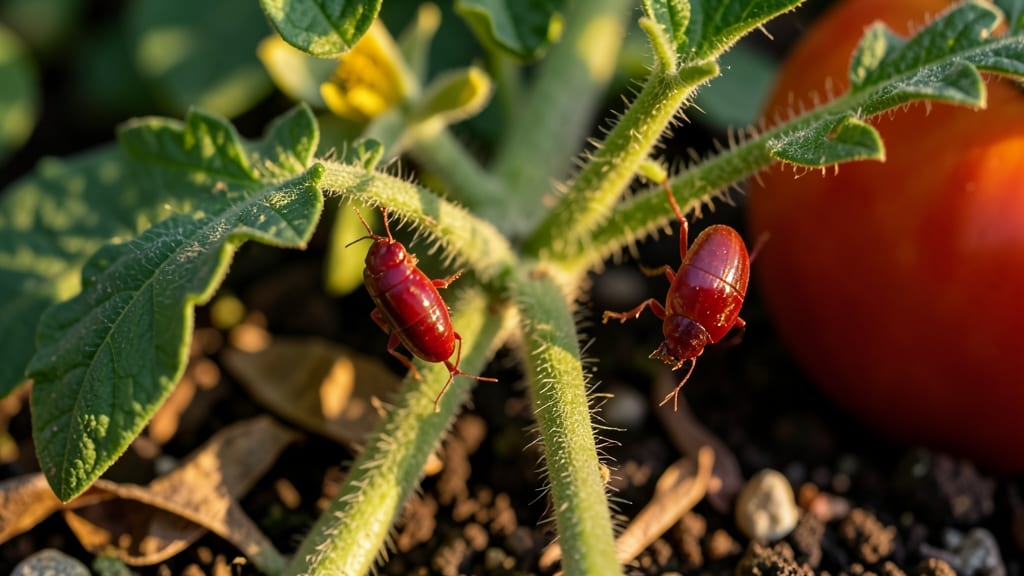
Those tiny red bugs on your tomato plants are likely Lygus hesperus or tarnished plant bugs—and they’re sucking the life out of your harvest faster than you can say "blight." 🌱 I’ve watched them turn lush tomato foliage into skeleton leaves within days, and the key to stopping them is acting fast before they multiply.
These pests are sneaky: barely noticeable until they’ve caused stunted growth or deformed fruit. They hide on the undersides of leaves, so flip them over before spraying.
The good news? You can eliminate them without harsh chemicals if you catch them early—just don’t wait until your plants look like they’ve been through a war.
By the end of this guide, you’ll know exactly how to identify them, what they’re doing to your plants, and the fastest methods to kick them off for good—whether you prefer natural sprays, physical removal, or targeted chemical control. Your tomatoes will thank you with bigger, healthier fruit.
Even if you’ve tried solutions before, I’ll share the tricks that actually work—like timing your sprays right and protecting new growth. Let’s get those bugs off your plants before they ruin your season.
Root Causes of Tiny Red Invaders
When you spot tiny red bugs crawling on your tomato plants, they’re usually not just a random nuisance—they’re there for a reason. Understanding why these pests show up is the first step to stopping them before they wreck your harvest.
Let’s break down the science behind their behavior and how your garden might be unwittingly inviting them.
Tomato plants under stress are like an all-you-can-eat buffet for pests. When plants are overcrowded, their leaves don’t get enough airflow or sunlight, creating the perfect damp, shaded environment that tiny red bugs—like aphids or thrips—love.
Stressed plants also produce sugary sap (called phloem) that pests crave. Even nutrient deficiencies (like a lack of nitrogen or potassium) weaken defenses, making plants more vulnerable.
Why it matters: Weak plants can’t fight off attacks, and pests multiply faster in these conditions. If your tomatoes look yellow, wilted, or stunted, they’re sending out chemical signals that pests detect as a "help yourself" invitation.
Leaves, fallen fruit, and plant debris aren’t just eyesores—they’re pest hotels. Tiny red bugs like chiggers or red spider mites thrive in organic matter because it provides shelter, moisture, and even a food source (like decaying plant material).
If you’ve ever noticed more bugs after a rain or when leaves pile up, it’s because excess moisture turns debris into a breeding ground.
Actionable insight: Pests also use debris as bridges to spread from infested plants to healthy ones. A single leaf touching your tomato vine could mean a slow-motion invasion.
While some pests love humidity, tiny red bugs like thrips or russet mites often appear when the weather turns hot and dry.
These conditions stress plants, causing them to produce more sap (a bug magnet), and also dry out natural predators (like ladybugs or lacewings) that would otherwise keep pest populations in check.
Science behind it: High temperatures speed up pest metabolism, making them reproduce faster. A study in Journal of Economic Entomology found that thrips populations can double in just 2 weeks under ideal heat and drought conditions.
In a healthy garden ecosystem, predators like ladybugs, lacewings, or parasitic wasps keep tiny red bugs in balance. But if your garden lacks biodiversity—whether due to pesticides, monoculture planting, or simply not attracting beneficial insects—pests have free rein.
For example, aphids (which can appear red when crowded) explode in numbers when their natural enemies disappear.
Key takeaway: Even organic sprays can disrupt this balance. If you’ve noticed fewer birds, bees, or predatory insects, your garden might be a pest paradise in disguise.
Young tomato plants or newly transplanted seedlings are prime targets because their roots haven’t established deep water/nutrient access, and their leaves are tender. Pests like whiteflies (which can have red nymph stages) or aphids zero in on these vulnerable spots.
Even grafted tomatoes (where two plants are fused) can attract pests if the graft union isn’t fully healed.
Pro tip: Hardened-off seedlings (acclimated to outdoor conditions) are less appealing to pests. If you’re starting plants from seed, give them 2–3 weeks of gradual outdoor exposure before transplanting to reduce stress signals.
Remember: Tiny red bugs don’t appear out of nowhere—they’re responding to cues in your garden. By addressing why they’re there (stress, debris, weather, or missing predators), you can prevent future outbreaks before they start.
Quick Fixes for Garden Pests
Now that you’ve identified those pesky tiny red invaders—likely thrips, aphids, or minute pirate bugs—it’s time to act! The good news? Most of these pests respond well to targeted, eco-friendly solutions.
Below, we’ll break down the best fixes based on the culprit, from quick sprays to long-term prevention.
Thrips are sneaky, feeding on plant sap and leaving behind silvery scars on leaves and fruits. Here’s how to kick them out:
💦 Spray Solutions
- Soapy Water Blast 🧼 Mix 1 tablespoon of mild liquid soap (like Castile soap) or 1 teaspoon of neem oil with 1 quart of water.
Spray directly on the undersides of leaves (where thrips hide) in the early morning or evening to avoid harming bees. Repeat every 3–5 days until they’re gone.
- Neem Oil Barrier 🌿 Neem oil disrupts thrips’ life cycle. Spray it weekly as a preventive measure, especially after rain or watering, which washes it away.
🕷️ Natural Predators
- Release Beneficial Insects 🐞 Ladybugs, lacewings, and minute pirate bugs (yes, another red bug—but these are the good kind!) eat thrips. Buy them online or attract them with dill, fennel, or yarrow planted nearby.
🌱 Cultural Controls
- Row Covers 🧵 Use fine mesh row covers over young tomato plants to block thrips before they arrive.
Remove when flowers appear to allow pollination. - Prune & Toss ✂️ Cut off heavily infested leaves and dispose of them in a sealed bag (not the compost!). Thrips can’t spread if there’s no host.
Aphids cluster on new growth, sucking sap and excreting sticky honeydew. They’re easier to manage than thrips but can multiply fast.
💦 DIY Sprays
- Garlic & Chili Pepper Spray 🧄🌶️ Blend 1 garlic bulb + 1 chili pepper + 1 quart of water. Strain, add 1 tsp of dish soap, and spray directly on aphids. Reapply every 5–7 days.
- Horticultural Oil 🛢️ In cool weather (below 85°F), spray horticultural oil (like dormant oil) to smother aphids. Avoid spraying in direct sunlight to prevent leaf burn.
👨🍳 Manual Removal
- Blast Them Off 💨 Use a strong stream of water from a hose to dislodge aphids. Do this early in the day so plants dry quickly.
🌿 Companion Planting
- Plant Basil or Marigolds 🌼 These repel aphids naturally. Place them near your tomato plants to deter infestations.
These red, predatory bugs (not pests!) actually help by eating aphids, thrips, and spider mites.
If you see them: - Do nothing! 🙌 They’re beneficial, but if their population crashes (due to pesticides), aphids may rebound. - Avoid broad-spectrum sprays 🚫💦 Skip neonicotinoids or synthetic pyrethroids—they’ll kill these helpful bugs too.
Once you’ve dealt with the infestation, stop them from coming back with these pro tips:
💡 Early Intervention
- Inspect Plants Weekly 👀 Check undersides of leaves and new growth every 3–5 days, especially after rain or high humidity.
🌡️ Environment Control
- Reduce Moisture 💧 Thrips and aphids love damp conditions. Water at the base (not overhead) and prune for airflow to discourage pests.
🎯 Soil & Plant Health
- Healthy Soil = Strong Plants 🌱 Use compost or worm castings to boost plant resilience. Weak plants attract pests!
- Avoid Over-Fertilizing 🚫🌿 Too much nitrogen = soft, sugary leaves = aphid buffet. Use a balanced fertilizer (like 5-5-5).
🌿 Barrier Methods
- Sticky Traps 🕸️ Place yellow sticky traps near plants to catch flying thrips before they land.
- Reflective Mulch ✨ Use silver or aluminum mulch around plants—it confuses thrips and reduces landings by up to 70%!
Final Pro Tip: 🔥 If pests keep returning, rotate your solutions—don’t rely on just one method. A mix of sprays, predators, and prevention keeps your tomato plants thriving and bug-free!
Frequently asked questions
What are those tiny red bugs on my tomato plants?
They’re most likely thrips, aphids, or minute pirate bugs. Thrips are tiny (1-2mm), slender, and leave silvery streaks on leaves. Aphids appear red when crowded and excrete sticky honeydew. Pirate bugs are beneficial predators with red markings that eat other pests. Check leaf undersides for confirmation!
Will these bugs harm my tomato fruit?
Yes! Thrips and aphids pierce fruit, causing scarring, deformities, or stunted growth. They also spread plant viruses. If you see silver marks on leaves or misshapen tomatoes, act fast. The earlier you treat, the better your harvest will be.
How do I tell if they’re harmful or helpful?
Harmful bugs (thrips/aphids) cluster on leaves and stems, while helpful ones (pirate bugs/ladybugs) move actively and hunt other pests. Look for damaged leaves or honeydew—these are red flags. Beneficial bugs leave no damage and often have distinctive markings like red stripes.
Can I use store-bought pesticides safely?
Only as a last resort! Many pesticides kill beneficial insects too. If you choose chemicals, use targeted sprays like pyrethrin-based insecticides (less harmful to predators) and apply at dusk to avoid bees. Always follow label instructions carefully.
How long until my plants recover after treatment?
With early action, you’ll see improvement in 3-7 days. New growth should appear healthier within 2 weeks if pests are fully eradicated. For severe infestations, recovery may take longer. Monitor plants closely and repeat treatments as needed.