
Planting
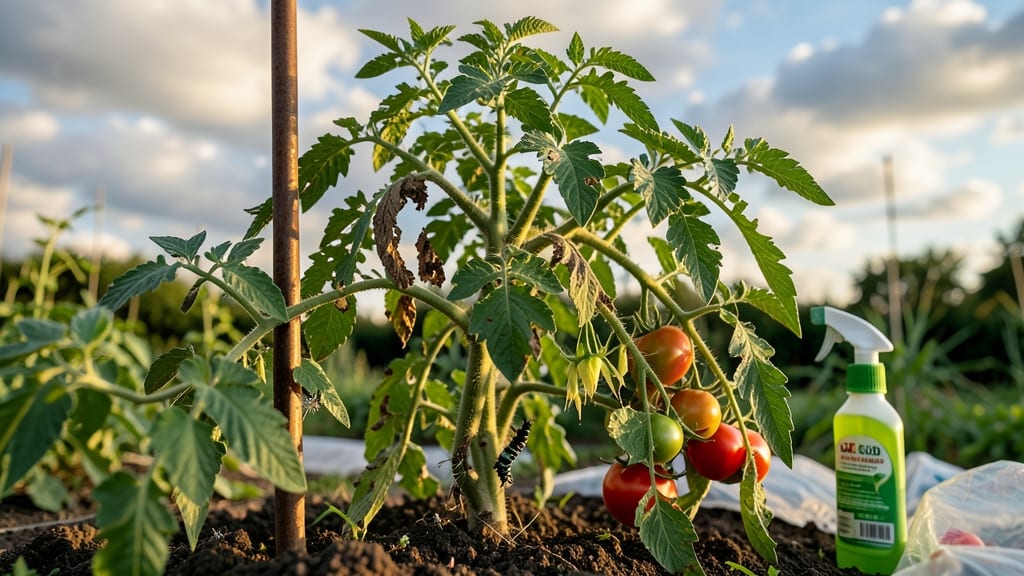
Seeing those tiny black specks on your tomato plant pests pictures made me panic—until I learned to spot pests early. 🌱 This guide shows you exactly what to look for, from hornworms munching leaves to aphids clustering on stems, with pictures that reveal the damage before it ruins your harvest.
Most tomato pests start small but multiply fast if ignored. Aphids leave sticky residue, hornworms create skeletonized leaves, and whiteflies flutter when you brush plants. Knowing these signs helps you act before your plants suffer.
You'll learn organic fixes like neem oil and row covers that work fast, plus when to call in the big guns (like insecticidal soap). Early action means more tomatoes, fewer headaches, and a garden that thrives all season. Works for backyard gardens, containers, or even balcony setups.
Let's protect that harvest!
Root Causes of Tomato Plant Attacks
Understanding why pests target your tomato plants is the first step to protecting your harvest. 🌱🐛 These tiny invaders don’t just appear out of nowhere—they’re drawn to specific conditions that make your plants vulnerable.
Let’s break down the science behind their behavior and how environmental factors create the perfect pest buffet.
Tomato plants, like all living organisms, have natural defenses against pests. However, when these defenses are compromised, pests see an easy opportunity.
- Nutrient Deficiencies 📊 A lack of essential nutrients—especially nitrogen, phosphorus, or potassium—weakens plant cell walls, making them easier for pests like aphids and spider mites to pierce. Why? Healthy plants produce sticky resins and tougher leaves, but malnourished plants can’t keep up.
Test your soil and amend it with compost or balanced fertilizer to restore vigor.
- Stress from Overcrowding 🌿🌿 When tomato plants compete for sunlight, water, and nutrients, their growth slows, and stress hormones like ethylene increase. Result? Stressed plants emit volatile organic compounds (VOCs) that attract pests like whiteflies and hornworms, which are drawn to plants under duress. Action: Space plants 18–24 inches apart and prune suckers to improve airflow and reduce stress.
- Water Stress 💧🔥 Both overwatering and underwatering create ideal conditions for pests. Overwatered soil fosters fungal diseases (like early blight), which attract sap-sucking insects like aphids.
Underwatered plants become brittle and attract spider mites, which thrive in dry, dusty environments. Fix: Water deeply 1–2 times per week, ensuring the top 2–3 inches of soil stay moist but not soggy.
Pests aren’t just random—they’re opportunists that exploit specific environmental conditions to multiply and thrive.
- Warm, Humid Climates 🌡️☁️ Many tomato pests, such as hornworms, Colorado potato beetles, and fungal gnats, flourish in warm (70–85°F) and humid conditions. Why? Heat speeds up their metabolism, while humidity slows water evaporation, keeping their eggs and larvae hydrated. Solution: Use row covers early in the season to create a cooler, drier microclimate and remove plant debris where pests overwinter.
- Poor Air Circulation 🌀🚫 Stagnant air traps moisture and heat, creating a greenhouse effect that encourages fungal growth and attracts pests like whiteflies and thrips. Science: High humidity (above 70%) suppresses beneficial predatory insects (e.g., ladybugs and lacewings) while boosting pest populations. Action: Prune plants to open up the canopy, space them properly, and use fans in greenhouses to improve airflow.
- Monoculture Planting 🌱🔄 Growing tomatoes in the same spot year after year depletes soil nutrients and leaves behind pest eggs or larvae. Example: Colorado potato beetles can survive in soil for years, waiting for their next tomato host. Fix: Rotate crops annually and interplant tomatoes with pest-repelling companions like basil, marigolds, or nasturtiums to disrupt pest life cycles.
Sometimes, well-meaning gardening practices accidentally invite pests to the party.
- Overuse of Synthetic Fertilizers 🧪💥 Chemical-heavy fertilizers can disrupt the soil microbiome, reducing beneficial bacteria and fungi that naturally suppress pests. Consequence: Pests like root-knot nematodes thrive in imbalanced soils. Alternative: Use organic fertilizers (like fish emulsion or worm castings) to feed the soil ecosystem, not just the plant.
- Improper Pruning or Harvesting ✂️🍅 Leaving fallen fruit, damaged leaves, or overgrown foliage on the ground creates hiding spots for pests like cutworms and slugs. Why? Decaying matter attracts scavengers, and dense foliage shields eggs from natural predators. Habit: Clean up debris regularly and harvest tomatoes promptly to remove pest food sources.
- Introduction Through Transplants or Soil 🛒🐛 Many pests hitchhike on nursery-bought plants or contaminated soil. Examples:
- Whiteflies often hide in the undersides of leaves on new transplants.
- Fungal gnats lurk in potting mix from infested greenhouses. Prevention: Inspect plants before purchasing, quarantine new additions for 2 weeks, and sterilize containers with a 10% bleach solution.
Pro Tip: 💡 Keep a pest journal to track patterns—note when infestations spike (e.g., after heavy rains or when plants flower). This helps you adjust care routines before pests become a full-blown crisis.
Quick Fixes for Tomato Plant Pests
Now that you’ve identified the troublemakers, it’s time to take action! The good news? Most tomato plant pests can be managed with simple, garden-friendly solutions. Below, we’ve mapped out practical fixes for each common pest, along with prevention tips to keep your plants thriving.
Think of this as your pest-control cheat sheet—no fancy tools required!
Fix:
- Handpick them! 👨🍳 Grab a pair of gloves and pluck these green giants off your plants (they’re easy to spot—just look for their striped caterpillars). Drop them in soapy water to say goodbye.
- Introduce predators: Ladybugs and parasitic wasps love hornworms. Buy or attract them to your garden naturally.
- Neem oil spray: 🌿 Mix 1 tbsp neem oil + 1 tsp mild soap in 1 quart of water. Spray leaves thoroughly (especially undersides) every 5–7 days. This disrupts their life cycle.
Prevent them from returning:
- Rotate crops: Avoid planting tomatoes in the same spot yearly.
- Plant basil nearby: 🌱 Basil repels hornworms and improves tomato flavor—win-win!
- Check leaves daily: Early detection = fewer casualties.
Fix:
- Blast them off: 💦 Use a strong stream of water from your hose to knock them away (do this in the morning so leaves dry quickly).
- Soap spray: 🧼 Mix 1 tsp castile soap or dish soap in 1 quart of water. Spray directly on aphids (avoid flowers to protect pollinators).
- Ladybugs to the rescue: Release them in the evening when they’re most active.
Prevent future infestations:
- Encourage beneficial insects: Plant marigolds, dill, or fennel to attract aphid-eating wasps and lacewings.
- Avoid over-fertilizing: 🌱 Too much nitrogen attracts aphids—stick to balanced fertilizer.
- Inspect new plants: Quarantine and check store-bought seedlings for hitchhiking pests.
Fix:
- Rinse leaves: 💦 Use a gentle hose spray to dislodge mites (they hate water!).
- Neem oil or horticultural oil: 🌿 Spray undersides of leaves (mites love hiding there). Reapply every 5–7 days.
- Predatory mites: 🕷️ Purchase and release Phytoseiulus persimilis (a mite’s natural enemy) for organic control.
Stop them before they start:
- Keep plants hydrated: 💧 Drought-stressed plants attract spider mites.
- Use reflective mulch: 🌟 Aluminum mulch confuses mites and reduces their numbers.
- Prune for airflow: 🌿 Crowded plants trap moisture—mites thrive in humidity.
Fix:
- Yellow sticky traps: 🎯 Hang these near plants to catch adults.
- Insecticidal soap: 🧼 Spray a mix of 1 tbsp soap + 1 quart water directly on flies (they’ll drop like flies—literally).
- Kaolin clay: 🏺 Dust plants with this natural clay (sold as "Surround WP") to create a barrier they can’t cross.
Prevent whitefly takeovers:
- Inspect new plants: 🌱 Quarantine and isolate any new additions for 2 weeks.
- Remove yellowing leaves: Whiteflies love weak plants—keep your tomatoes healthy!
- Avoid overwatering: 💧 Soggy soil = happy whiteflies.
Fix:
- Handpick eggs and adults: 👨🍳 Look for clusters of yellow eggs on undersides of leaves—squish them daily!
- Row covers: 🛡️ Use lightweight fabric to block adults from laying eggs (remove when flowers appear for pollination).
- Diatomaceous earth: 🌟 Sprinkle food-grade DE around the base of plants (reapply after rain).
Keep them away for good:
- Crop rotation: 🌱 Never plant tomatoes or potatoes in the same spot two years in a row.
- Interplant with nasturtiums: 🌺 These act as a trap crop—beetles prefer them over tomatoes!
- Early planting: 🌱 Start seeds indoors to get a head start before beetles emerge.
Fix:
- Improve airflow: 🌬️ Prune crowded branches and space plants 18–24 inches apart.
- Copper fungicide: 🛡️ Spray preventatively (follow label instructions) if fungal spots appear.
- Baking soda spray: 🍞 Mix 1 tbsp baking soda + 1 tsp soap + 1 gallon water. Spray leaves every 7–10 days.
Prevent fungal outbreaks:
- Water at the base: 💧 Avoid wetting leaves (use drip irrigation or water early in the day).
- Remove infected leaves: 🗑️ Prune and destroy diseased foliage immediately.
- Resistant varieties: 🌱 Choose disease-resistant tomato types like ‘Celebrity’ or ‘Mountain Merit.’
💡 Pro Tip: Always test solutions on a small area first—some plants (like basil) are sensitive to sprays!
By acting fast and combining these fixes with prevention, your tomato plants will stay pest-free and produce juicy, blemish-free fruits all season. 🍅🔥
Frequently asked questions
How do I know if the damage in my tomato plant pictures is from pests or disease?
Pest damage usually has distinct characteristics: chewed holes (hornworms), sticky residue (aphids), or webbing (spider mites). Diseases often show as spots (fungal blight), wilting (bacterial wilt), or yellowing between veins (viruses). Check leaf undersides for tiny insects or eggs—pests leave physical signs, while diseases typically create discoloration or decay.
Can I use the same pictures to identify pests on my pepper plants too?
Most pests cross over between tomatoes and peppers, so yes! Common offenders like aphids, spider mites, and hornworms attack both. However, some pests (like Colorado potato beetles) prefer potatoes over peppers. Always verify with a reliable plant pest guide if symptoms don't match—some diseases are crop-specific.
What’s the fastest way to confirm if my tomato plant has pests without waiting for pictures?
Flip leaves over—pests love hiding there! Look for tiny insects, eggs (white/yellow clusters), or webbing. Tap stems over a white surface: falling pests confirm an infestation. For fungal issues, check for powdery mildew (white fuzz) or dark spots. Early action means healthier plants and bigger harvests!
Are there any pests that look identical in pictures but behave differently?
Yes! For example, both aphids and whiteflies appear white, but aphids cluster on new growth while whiteflies flutter when disturbed. Hornworms and cutworms both chew leaves, but hornworms are green with stripes while cutworms hide at soil level. Always note behavior and location—not just appearance—to choose the right treatment.
How often should I check my tomato plants for pests if I don’t see any yet?
Inspect every 3–5 days during warm months (pests multiply fast!). Start with a quick visual sweep, then do a thorough check weekly. Early detection is key—most pests become unmanageable when they reach 10% infestation. Morning is best: pests are sluggish and easier to spot when plants are dry.